













Urinary Tract Infections (UTIs), Cystitis & Bladder Symptoms: An Ayurvedic Perspective
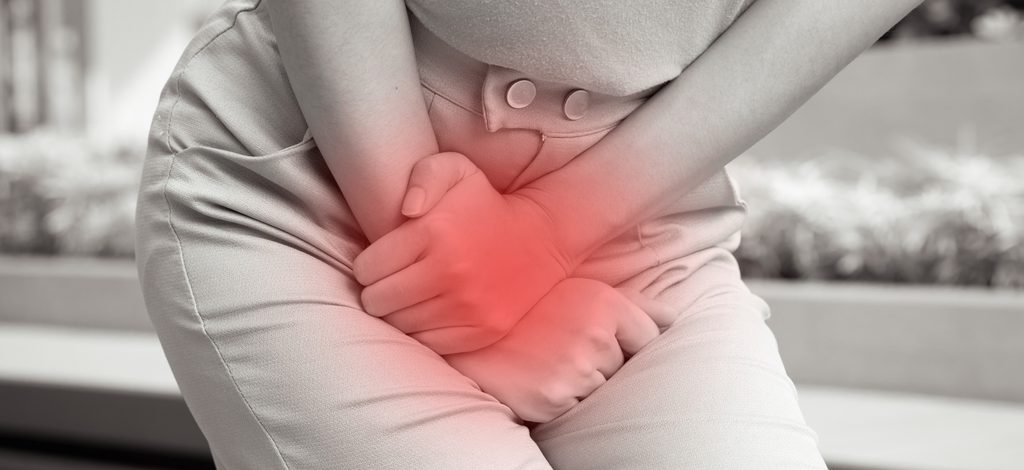
Burning, urgency, frequent urination and bladder discomfort are very common. People often assume these symptoms mean a urinary tract infection (UTI), but infection is only one possible cause.
What is a UTI?
A UTI occurs when microorganisms, most often bacteria, enter and multiply in the urinary tract. The bladder and urethra are most often affected. Infection of the bladder is commonly called cystitis, although cystitis technically means bladder inflammation, which can also occur without infection.
Typical symptoms include:
- Burning or stinging when urinating
- A frequent or urgent need to go, passing only small amounts
- Pressure or discomfort over the bladder
- Cloudy or strong-smelling urine, occasionally with blood
If infection reaches the kidneys, fever, chills, nausea, vomiting and back or side pain may follow. This needs prompt medical treatment.
When UTI-like symptoms aren’t a UTI
Burning during urination doesn’t automatically mean infection. If symptoms keep returning but urine cultures are repeatedly negative, other causes are worth investigating:
- Overactive or tight pelvic floor: These muscles need to relax to urinate. When they stay tense, they can cause urgency, frequency, hesitancy, incomplete emptying and urethral burning without any infection.
- Interstitial cystitis/bladder pain syndrome (IC/BPS): A chronic condition of bladder or pelvic pain with urgency and frequency. Discomfort often builds as the bladder fills and eases after urinating.
- Vaginal and vulval conditions: The urethral opening sits close to the vagina, so inflammation there is easily mistaken for a bladder problem. Thrush can cause soreness, itching and burning when urine touches irritated skin. Bacterial vaginosis typically causes discharge and odour, and sometimes burning. Cytolytic vaginosis, a less well-defined condition, may mimic recurrent thrush. Sexually transmitted infections can also cause urinary burning.
- Menopause: Falling oestrogen thins and dries the tissues of the vagina, urethra and bladder, a pattern called genitourinary syndrome of menopause (GSM). It can cause burning, urgency, frequency, painful intercourse and recurrent UTI-like episodes, and it also increases the risk of genuine infections. Treatments such as vaginal oestrogen can help, so it’s worth raising with a clinician.
Cultures can occasionally miss a true infection, so persistent symptoms deserve proper assessment rather than repeated guesswork.
UTIs in Men
Although UTIs are more common in women, they also occur in men. Symptoms may include burning during urination, frequency, urgency, lower abdominal discomfort, cloudy urine or blood in the urine.
In men, however, recurrent urinary symptoms can sometimes be linked with other problems such as prostate enlargement, prostatitis, incomplete bladder emptying, urinary stones or narrowing or obstruction within the urinary tract. These conditions can keep urine in the bladder longer and may increase the risk of infection.
For this reason, urinary symptoms in men – particularly when they are recurrent, associated with difficulty passing urine, fever, pelvic pain or poor urinary flow – should be medically assessed rather than assumed to be a simple bladder infection.
The Ayurvedic understanding: Mūtrakṛcchra
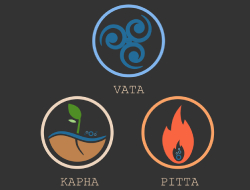
Ayurveda has described painful urination for thousands of years. The classical term is Mūtrakṛcchra: mūtra (urine) and kṛcchra (difficulty, pain or distress). It describes a group of urinary disorders, not a single disease, so it should not be translated simply as “UTI.” The Charaka Samhita, Sushruta Samhita and Vagbhata’s works describe several types, driven by Vata, Pitta, Kapha, combinations of them, or other causes.
Ayurveda describes the pattern of disturbance in the individual. It does not identify the microbe, and it does not claim that aggravated Pitta “causes” bacteria. Bacterial UTIs have well-established microbial causes.
Three patterns
Pitta (Pittaja Mūtrakṛcchra) is the pattern closest to acute cystitis. Pitta is hot, sharp and intense, and the classical picture includes:
- Burning and pain on urination
- Urgency and frequency
- Yellow or reddish urine, occasionally with blood
Vata (Vātaja Mūtrakṛcchra) involves spasm and difficulty rather than heat:
- Pain or cramping
- Frequent attempts to urinate, passing small amounts
- Difficulty starting or interrupted flow
- Pelvic or groin discomfort
Apāna Vāta governs urination; it is the downward-moving Vata in the pelvis. It also regulates bowel movements, menstruation and reproductive function. When Apāna Vāta is disturbed, urination can become erratic, spasmodic or incomplete. This maps interestingly onto modern pelvic floor tension, bladder spasm and chronic pelvic pain. An Ayurvedic practitioner wouldn’t assume all burning and urgency is Pitta. Vata may be a large part of the picture, especially when symptoms fluctuate, worsen with stress, involve spasm, or persist despite negative cultures.
Kapha (Kaphaja Mūtrakṛcchra) is a heavier, less painful pattern:
- Heaviness and sluggishness
- Swelling
- Cloudy, mucus-like urine
Most people show a combination rather than one pure dosha.
The bladder, bowel and digestion
In Ayurveda, Basti (the bladder) is a key centre of Vata in the pelvis. This is why urinary symptoms are often considered alongside constipation, bloating or pelvic tension. Straining and constipation really can affect the pelvic floor and bladder, so Ayurvedic care often addresses regular bowel movements too.
Ayurveda also looks at Agni (digestive and metabolic capacity) and Āma (incompletely processed material). In recurrent cases, practitioners consider diet, digestion and overall balance rather than treating each episode in isolation. This is a traditional framework for why an individual’s tissues keep becoming disturbed.
Ayurvedic management
There is no single Ayurvedic treatment for urinary burning. Approaches follow this pattern: cooling, soothing measures for Pitta; attention to spasm, dryness, stress, and regular elimination for Vata; and a different approach for Kapha. Management may include:
- Diet suited to the individual and avoidance of dosha-aggravating foods
- Good hydration and regular bowel movements
- Support for digestion
- Stress reduction and release of pelvic tension
- Herbs selected for the presentation
Clinical research on Ayurvedic treatments for UTIs is limited, so they should complement, not replace, medical care. A qualified practitioner should choose herbs and know about any medication you take.
When to seek medical help
Ayurvedic care works best alongside proper diagnosis. A suspected bacterial UTI should be assessed, especially if symptoms are severe, recurrent or persistent. Antibiotics are sometimes essential, particularly when infection may spread to the kidneys.
Seek prompt medical attention for:
- Fever or chills
- Back or flank pain
- Nausea or vomiting
- Visible blood in the urine
- Difficulty passing urine
- Pregnancy
- Symptoms in a child or a man
- Recurrent UTIs, or symptoms that persist despite treatment
When cultures keep coming back negative, it’s reasonable to look into pelvic floor dysfunction, bladder pain syndrome, vaginal conditions and menopause-related changes. The principle is the same in modern medicine and in Ayurveda: establish what is actually producing the symptoms before deciding how to treat them.
Looking for Individualised Ayurvedic Support?
If you experience recurrent urinary symptoms, cystitis, bladder discomfort or UTI-like symptoms that keep returning, an individual assessment can help identify the underlying pattern rather than treating every episode in the same way.
At Yatan Holistic Ayurvedic Centre, treatment is tailored to your constitution, symptoms, digestion, lifestyle and the doshic imbalance involved, with particular attention to Pitta, Apana Vata, pelvic function and recurrent patterns.
Book an Ayurvedic consultation in Gordon, Sydney, or via telehealth Australia-wide to discuss a personalised approach to supporting urinary and bladder health.
If you have fever, flank pain, vomiting, blood in the urine, are pregnant, or suspect a kidney infection, seek prompt medical assessment.

*Discover holistic healing with a complimentary phone or video consultation from our expert Ayurvedic practitioner. Start your path to better health today!*
Related Posts