













Candida Overgrowth: Symptoms, Diet & an Ayurvedic Perspective

Candida is a type of yeast that normally lives in small amounts on and within the human body. It may be found on the skin and in areas such as the mouth, digestive tract and vagina without causing illness.
Problems can occur when conditions allow Candida to multiply excessively. An infection caused by Candida is known as candidiasis. Different forms of candidiasis affect different parts of the body and therefore produce different symptoms.
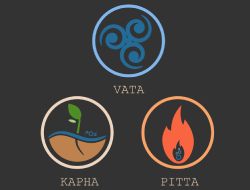
From an Ayurvedic perspective, symptoms associated with recurrent yeast infections are considered according to the individual’s constitution, digestion and dosha pattern rather than being treated as the same condition in every person.
What Is Candida?
Candida belongs to a group of fungi known as yeasts. Candida has different species, with Candida albicans among those commonly associated with human infection.
The presence of Candida does not itself mean that someone has an infection. It can normally coexist with other microorganisms without causing symptoms.
Changes in the local environment, certain medications or underlying health factors can sometimes allow Candida to multiply and cause infection.
What Are the Symptoms of Candida?
Candida symptoms depend on where the infection occurs.
Oral Candida
Oral candidiasis, commonly called oral thrush, may cause creamy-white patches inside the mouth or on the tongue, redness, soreness, an unpleasant taste or discomfort when eating and drinking.
Vaginal Candida
Vaginal candidiasis, commonly called vaginal thrush, may cause itching, irritation, soreness and changes in vaginal discharge.
These symptoms are not specific to Candida, so assess recurrent or unusual symptoms properly rather than assuming they are thrush.
Candida on the Skin
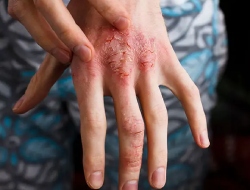
Candida can also affect the skin, particularly warm, moist areas and skin folds. Symptoms may include a red, irritated or itchy rash.
What Causes Candida Infections?
Several factors can increase the risk of Candida infections. Depending on the type of candidiasis, these may include:
- recent or repeated antibiotic use
- pregnancy and hormonal changes
- poorly controlled diabetes
- a weakened immune system
- corticosteroid use in some circumstances
- warm, moist conditions affecting the skin
- certain medical treatments or underlying health conditions.
Repeated episodes of candidiasis may therefore warrant medical investigation to identify any contributing factor.
Is Sugar Responsible for Candida?
Candida can use glucose as an energy source, but this does not mean that eating sugar directly causes candidiasis or that eliminating all sugar will necessarily cure an infection.
A diet high in added sugars and highly processed foods may not support good overall health, and reducing excessive added sugar can form part of a balanced diet. However, very restrictive Candida diets are often promoted with claims that go beyond the available evidence.
From an Ayurvedic perspective, diet is still an important part of an individualised program, but recommendations should be based on the person’s overall digestive and dosha pattern rather than the assumption that Candida must simply be “starved.”
What About “Candida Overgrowth” in the Gut?
The term “Candida overgrowth” is widely used online to explain symptoms such as bloating, fatigue, poor concentration, headaches, mood changes and food cravings.
These symptoms can have many different causes and should not automatically be attributed to Candida. The presence of Candida in the digestive tract is not, by itself, evidence of disease.
Where ongoing digestive or systemic symptoms are present, appropriate investigation is important so that other possible causes are not overlooked.
This is particularly important because symptoms such as fatigue, bloating and changes in bowel habits can occur with many unrelated conditions.
The Ayurvedic Perspective on Candida
Classical Ayurveda predates the modern microbiological understanding of Candida, so it does not describe candidiasis in exactly the same way as conventional medicine.
Instead, an Ayurvedic practitioner considers the qualities and pattern of symptoms.
Ayurveda explains the problem as being symptomatic primarily of low Pitta. In this environment, pathogens can grow much more quickly. Ayurvedic candida treatment therefore involves Pitta-increasing medicines, diet and lifestyle advice.
Agni, Ama and Candida
Ayurveda places considerable importance on Agni, the traditional concept associated with digestive and metabolic function.
When Agni is impaired, Ayurveda describes the possible formation of Ama—material traditionally understood to arise when digestion and metabolism are incomplete.
Ama should not be interpreted literally as Candida, nor should it simply be equated with medically defined “toxins.” Rather, it is a traditional Ayurvedic concept used when assessing the person’s broader digestive and metabolic pattern.
An Ayurvedic consultation may therefore consider appetite, digestion, bowel habits, tongue characteristics, diet, energy, sleep and other signs alongside the particular symptoms being experienced.
Candida Diet – What Should You Eat?
No single scientifically established Candida diet applies to everyone with candidiasis.
From an Ayurvedic perspective, dietary advice is personalised to your constitution, digestion, and the doshas involved. Where Kapha characteristics predominate, for example, lighter foods and meals may be favoured while excessive amounts of heavy, oily or highly processed foods may be reduced.
Where Pitta symptoms such as burning and inflammation are prominent, a different dietary approach may be appropriate.
For general health, it is reasonable to emphasise a varied diet based predominantly on minimally processed foods and to limit excessive added sugars. However, unnecessarily restrictive diets can make adequate nutrition more difficult and are not automatically required simply because Candida has been diagnosed.
Ayurvedic Herbs and Candida
Ayurveda traditionally uses a wide range of herbs and spices according to the individual’s constitution and presenting pattern.
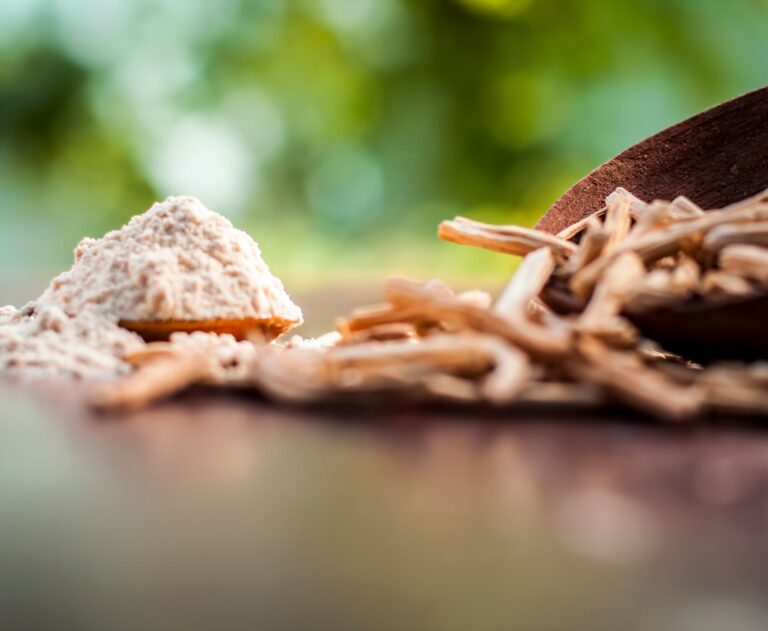
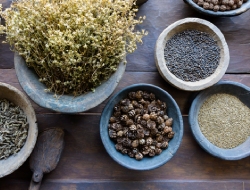
Herbs and foods such as turmeric, cinnamon, black pepper, green tea (not with sugar), dandelion, kelp, beetroot and bitter melon may feature in Ayurvedic dietary or herbal recommendations. However, no single Ayurvedic herb or combination is appropriate for every Candida infection.
Herbal preparations should therefore be selected for the individual rather than using a standard list of supposedly “anti-Candida” remedies.
Importantly, Ayurvedic herbs should not replace appropriate antifungal treatment where a medically diagnosed Candida infection requires it.
Can Yoga and Exercise Help?
Regular physical activity can support general metabolic health, circulation, stress management and overall wellbeing. Yoga may therefore form part of a broader Ayurvedic lifestyle program. Strong physical exercises can also be very beneficial, particularly Squatting and Indian Push-ups (see Yatan Yoga for full details).
Where appropriate, a personalised Ayurvedic program may incorporate yoga, breathing practices or exercise according to the person’s constitution, fitness and overall health.
What Is Invasive Candidiasis?
It is important to distinguish common Candida infections such as oral or vaginal thrush from invasive candidiasis.
Invasive candidiasis occurs when Candida enters the bloodstream or affects internal organs. It is a serious medical condition that occurs primarily in people who are already seriously ill or have particular risk factors, such as prolonged hospitalisation, major surgery, certain intravenous devices or significant immune suppression.
It is not the usual progression of ordinary thrush or presumed digestive “Candida overgrowth.” Suspected invasive candidiasis requires urgent conventional medical treatment.
Recurrent Candida – When Should You Seek Medical Advice?
If Candida infections keep returning, it is worth confirming the diagnosis rather than continuing to self-treat.
Medical assessment may be particularly important when symptoms are severe, persistent, or recurrent; when treatment has not worked as expected; or when there are other health concerns such as diabetes or reduced immunity.
This is also important because several conditions can produce symptoms similar to candidiasis.
Ayurvedic Support for Recurrent Candida
At Yatan Holistic Ayurvedic Centre, we view recurrent Candida-related concerns within the broader picture of the individual’s health, rather than treating Candida as an isolated problem.
Raman Das considers the nature and location of symptoms, along with the individual’s constitution, digestion (Agni), diet, bowel function, lifestyle, and the balance of the doshas.
Where appropriate, an individual Ayurvedic program may include dietary and lifestyle recommendations and personally selected Ayurvedic herbal preparations. Ayurvedic care can complement appropriate medical diagnosis and treatment, where required.
Call 1300 552 260 for a complimentary 10-minute introductory call, or book an Ayurvedic consultation at our Gordon, Sydney clinic or by telehealth.

*Discover holistic healing with a complimentary phone or video consultation from our expert Ayurvedic practitioner. Start your path to better health today!*
Related Posts