















Amenorrhea: Causes of Absent Periods and an Ayurvedic Perspective

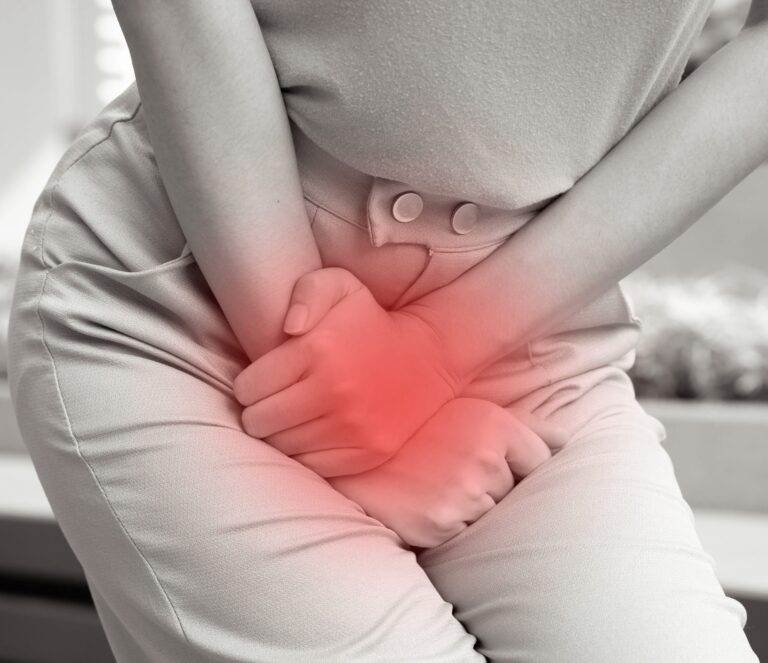
Amenorrhea means the absence of menstrual periods during a stage of life when menstruation would normally be expected.
Sometimes there is a natural explanation. Menstruation normally stops during pregnancy and commonly remains absent for some time during breastfeeding. Periods also cease permanently after menopause.
At other times, however, absent periods can signal that something is affecting reproductive hormones, the ovaries, the thyroid, the pituitary gland, nutritional status, or general health.
Ayurveda considers the person’s constitution, digestion, nutrition, lifestyle, stress levels, sleep and menstrual history alongside the absence of bleeding itself. Medical assessment remains an important first step, since amenorrhea can have many different causes.
Key takeaways
- Absent periods outside pregnancy, breastfeeding or menopause warrant medical assessment.
- The cause matters – PCOS, undernutrition, thyroid disease and stress-related (hypothalamic) amenorrhea all require different management.
- Ayurvedic support (herbs, diet, lifestyle) can complement – but should not replace – appropriate medical investigation.
- There is no fixed timeframe for periods to return; it depends entirely on the underlying cause.
What Is Amenorrhea?
There are two main forms.
Primary Amenorrhea
This occurs when menstruation has not begun by the expected age. Medical assessment is generally recommended if a young woman has not had her first period by around 15 years of age, or if other aspects of puberty appear delayed. Possible causes include hormonal, genetic or anatomical factors, and problems affecting the ovaries, pituitary gland or hypothalamus.
Secondary Amenorrhea
This occurs when someone who previously menstruated stops having periods. As a general guide, seek medical investigation when periods have been absent for:
- more than three months, if cycles were previously regular, or
- around six months, if cycles were previously irregular.
A single late period isn’t necessarily amenorrhea – cycles can vary due to stress, illness, travel, weight changes and many other factors.
What Causes Amenorrhea?
Pregnancy is one of the first possibilities to exclude when periods unexpectedly stop during the reproductive years. Other possible causes include:
- polycystic ovary syndrome (PCOS)
- significant stress
- insufficient food or calorie intake, rapid weight loss or very low body weight
- excessive or intensive exercise
- thyroid disorders
- elevated prolactin
- functional hypothalamic amenorrhea
- primary ovarian insufficiency
- some medications and hormonal contraceptives
- pituitary or hypothalamic disorders
- congenital or structural abnormalities of the reproductive tract
- chronic illness
- perimenopause and menopause
Several factors often occur together. For example, inadequate calorie intake combined with intensive exercise and psychological stress can interfere with signalling between the hypothalamus, pituitary gland and ovaries – known as functional hypothalamic amenorrhea.
PCOS works differently: ovulation may occur infrequently or stop for extended periods due to disturbances in ovarian hormones, androgen activity and, in many people, insulin resistance. This is why identifying the underlying cause matters so much before choosing a management approach.
Symptoms That May Occur Alongside Amenorrhea
Amenorrhea is itself a symptom rather than a disease – other symptoms depend on the underlying cause, and may include:
- acne, or increased facial or body hair
- unexplained weight gain, weight loss or low body weight
- fatigue or reduced libido
- hot flushes or vaginal dryness
- headaches or changes in vision
- nipple discharge unrelated to breastfeeding
- changes in appetite or digestive concerns
- increased thirst or urination
- anxiety or significant psychological stress
These clues can be informative: acne and increased facial hair may accompany raised androgen activity, as seen in PCOS, while hot flushes and vaginal dryness may point to low oestrogen. Prolonged amenorrhea associated with low oestrogen can also affect bone health – one reason persistent absence of periods shouldn’t be ignored.
Can Amenorrhea Affect Fertility?
Amenorrhea can affect fertility when it reflects infrequent or absent ovulation, though this depends on the underlying cause – amenorrhea doesn’t automatically mean pregnancy is impossible. Importantly, ovulation can occur before the first returning period, so contraception may still be needed if pregnancy isn’t desired. Anyone experiencing amenorrhea while trying to conceive should discuss this with an appropriate healthcare professional.
Can Periods Return After Amenorrhea?
In many cases, yes – once the underlying factor is addressed. The timeframe varies considerably: someone affected by temporary stress or inadequate energy intake may see periods resume once those factors improve, while conditions like PCOS, thyroid disorders, elevated prolactin, primary ovarian insufficiency or structural abnormalities require different management altogether. It isn’t appropriate to promise menstruation will return within a set number of weeks or months – understanding the underlying cause always comes first.
When Should Amenorrhea Be Medically Investigated?
Depending on the circumstances, assessment may include a pregnancy test, thyroid function tests, prolactin, FSH, LH, oestradiol, androgen testing where indicated, a pelvic ultrasound, and further investigations based on symptoms and history. Not everyone needs every test – your GP will determine what’s relevant.
Seek medical assessment promptly if amenorrhea is accompanied by persistent headaches, visual changes, significant unexplained weight loss, severe dietary restriction, symptoms of an eating disorder, nipple discharge, a marked increase in facial hair, or any other new or concerning symptom.
How Ayurveda Understands Amenorrhea
In classic Ayurvedic texts, menstruation is generally referred to as Artava, with absence or disturbance discussed through concepts including Anartava, Nashtartava and Artava Kshaya, depending on presentation. Ayurveda doesn’t treat every case of amenorrhea as the same condition – the Ayurvedic practitioner looks at the wider pattern of imbalance to understand why the cycle has stopped functioning.
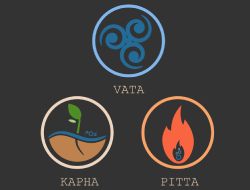
The Role of Vata
Apana Vata has a traditional relationship with downward-moving processes in the pelvis, including menstruation, so disturbed Vata can affect menstrual timing and flow. That said, not every case of amenorrhea is simply a “Vata problem” – Kapha and Pitta patterns are often involved too, particularly where there’s metabolic imbalance, excess heat, inflammation or PCOS-type features.
Nutrition and Tissue Nourishment
Ayurveda also considers whether the tissues are adequately nourished. Poor appetite, restrictive eating, very low body weight, chronic stress, digestive disturbance or excessive physical activity can all affect the body’s available resources. From this perspective, adequate nourishment of Rasa and Rakta Dhatu underpins healthy Artava – a traditional framework with a notable parallel in current research on low energy availability and its effects on reproductive hormone signalling.1
Ayurvedic Support for Amenorrhea
Management should always depend on why menstruation has stopped.
Herbal Support
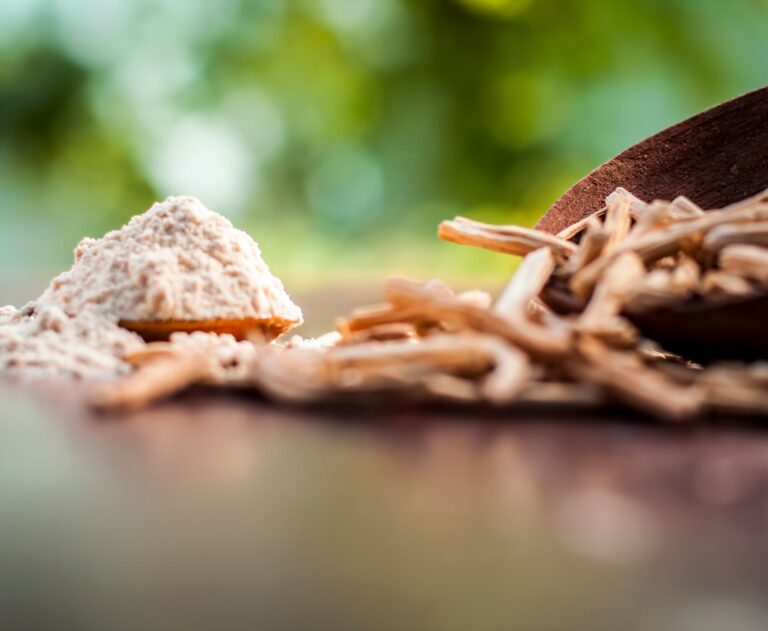
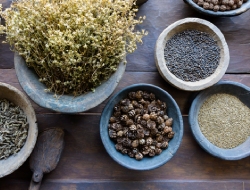
Herbs traditionally used in women’s health include Shatavari, Vidari Kanda and Yashtimadhu (liquorice), among others – selected according to constitution and presentation rather than simply because periods are absent. These herbs aren’t suitable for everyone: the right choice, combination, and dosage depend on factors like PCOS, thyroid function, body weight, digestion, and medications. For this reason, a qualified practitioner should prescribe herbal treatment individually rather than self-selection.
Diet and Nutrition
Nutrition is especially important where amenorrhea follows weight loss, restricted eating, excessive exercise, poor appetite, prolonged illness or inadequate calorie intake – herbs alone are unlikely to help if undernutrition isn’t addressed first. Someone with functional hypothalamic amenorrhea needs a very different nutritional approach from someone with PCOS-related insulin resistance, so dietary advice is tailored to digestion, constitution and the specific presentation rather than applied uniformly.
Yoga and Appropriate Exercise
Yoga can support wellbeing when stress, muscular tension, or excessive physical activity contribute – gentle postures, breathwork, and relaxation are selected to suit the individual. Where intensive exercise or inadequate energy availability is a factor, reducing training load and restoring nutrition may matter more than adding further activity. Yoga should be personalised, not applied as a standard routine intended to “bring back” periods.
Stress, Sleep and Daily Routine
Chronic psychological stress can affect the hypothalamic-pituitary-ovarian axis involved in menstrual regulation. Ayurveda places considerable emphasis on Dinacharya – a regular daily routine – which may include consistent sleep and waking times, adequate rest, regular meals, avoiding inappropriate fasting, reducing excessive training, and incorporating relaxation or meditation. The goal isn’t to forcibly stimulate menstruation, but to support the broader conditions a healthy cycle depends on.
An Individualised Approach to Menstrual Health
Amenorrhea deserves attention whenever it occurs outside pregnancy, breastfeeding or menopause, since absent periods can arise from many different hormonal, nutritional, metabolic, anatomical and lifestyle factors.
At Yatan Holistic Ayurvedic Centre in Sydney, Ayurvedic consultations consider menstrual history alongside digestion, diet, lifestyle, stress, constitution and other health factors. Care may include individually selected herbal preparations, dietary guidance, lifestyle recommendations, and yoga where appropriate, while encouraging conventional medical investigation when required.
If your periods have become persistently absent or markedly irregular, an appropriate medical assessment is the important first step.
Looking for personalised Ayurvedic support for menstrual health?
Book an Ayurvedic consultation at our Gordon, Sydney clinic or by telehealth Australia-wide to discuss your menstrual health, lifestyle and individual needs.
- See research on functional hypothalamic amenorrhea and low energy availability, e.g. Gordon CM, et al., “Functional Hypothalamic Amenorrhea: An Endocrine Society Clinical Practice Guideline,” Journal of Clinical Endocrinology & Metabolism, 2017.
Disclaimer: This article provides general information only and is not a substitute for individual medical advice. If your periods have stopped, please see your GP, gynaecologist or another appropriate medical practitioner for assessment.

*Discover holistic healing with a complimentary phone or video consultation from our expert Ayurvedic practitioner. Start your path to better health today!*
Related Posts