











Ayurvedic Men’s Health Support in Sydney
Trusted by 250+ patients in Australia

4.6/5 (Google Reviews)

Holistic Approach Supporting Long-Term Wellbeing

Personalised Ayurvedic Care

In-Clinic Sydney & Telehealth consultations

30+ years Professional Experience
Supporting Men’s Health at Every Stage of Life
Personalised Ayurvedic care to support energy, sexual wellbeing, prostate health, healthy aging and general vitality as your health needs change over time.
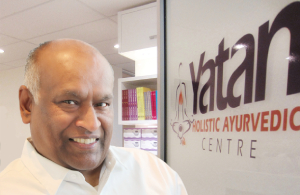
Expert Ayurvedic guidance from Raman Das Mahatyagi — ATMS Fellow with 30+ years of professional experience. Consultations are available at our Gordon clinic in Sydney and by telehealth Australia-wide.
Quick Answer
Ayurveda approaches men’s health through the individual’s constitution (Prakriti), current dosha balance (Vikriti), digestion (Agni), reproductive tissue (Shukra dhatu), lifestyle, age and overall health. Two traditional areas particularly relevant to men are Vajikarana, which focuses on reproductive and sexual wellbeing, and Rasayana, which focuses on rejuvenation, vitality, and healthy ageing. In classical Ayurveda, erectile dysfunction is called Klaibya; reproductive tissue is Shukra dhatu. Support includes Ayurvedic formulations with adaptogenic herbs (e.g., Ashwagandha, Gokshura, Shilajit, Safed Musli), targeted nutrition, and reducing factors that suppress male hormones (chronic stress, poor sleep, alcohol, excess body fat).
Men commonly seek support for concerns relating to low energy, libido, sexual wellbeing, fertility, urinary and prostate wellbeing, hair and healthy ageing. Discreet consultation: 1300 552 260.
Free 10-minute consultation
 1300 552 260
 WhatsApp
  Book online
What is the Ayurvedic Viewpoint on Men’s Health?
Men’s health can change throughout life, particularly with ageing, changes in activity, stress, sleep, diet and the development of medical conditions.
Ayurveda takes a whole-person approach to these changes. Rather than considering a symptom in isolation, an Ayurvedic assessment may consider the individual’s constitution (Prakriti), current dosha balance (Vikriti), digestive function (Agni), tissues (Dhatus), lifestyle, sleep, stress and stage of life.
Two classical Ayurvedic concepts are particularly relevant. Vajikarana is traditionally concerned with reproductive and sexual wellbeing, vitality and Shukra dhatu, while Rasayana describes rejuvenative practices intended to maintain vitality and wellbeing through life.
At Yatan, these traditional principles are used to guide personalised recommendations involving diet, lifestyle, herbs, yoga and other Ayurvedic practices where appropriate. They are complementary to conventional medical assessment and treatment rather than a replacement for them.
Classical Ayurvedic Terminology
How Classical Ayurveda Describes Men’s Health
Ayurveda has had dedicated branches for male virility and rejuvenation for over 2,500 years. Knowing the Sanskrit terms connects today’s male-health concerns to a long-documented tradition.
Sanskrit Name – Vajikarana
Meaning – Virility / sexual health therapy
Modern Connection – One of the 8 classical branches; covers libido, performance, fertility
Sanskrit Name – Rasayana
Meaning – Rejuvenation therapy
Modern Connection – Anti-ageing branch; covers longevity, virility, cognitive support
Sanskrit Name – Shukra dhatu
Meaning – Reproductive tissue
Modern Connection – Sperm + reproductive system; the 7th and most refined of the dhatus
Sanskrit Name – Ojas
Meaning – Vital essence
Modern Connection – The body’s reserve of resilience; depletes under stress, poor sleep, ageing
Sanskrit Name – Vrishya
Meaning – Aphrodisiac category
Modern Connection – Classical herb category for virility
Sanskrit Name – Klaibya
Meaning – Male sexual dysfunction, Erectile dysfunction
Modern Connection – Classical recognition of ED with specific treatment protocols
Sanskrit Name – Daurbalya
Meaning – Loss of strength
Modern Connection – General debility — physical and sexual
Factors That Can Affect Men’s Health
Ageing can influence many aspects of men’s health, but age is only one factor. Energy, libido, sexual function, body composition and general wellbeing can also be influenced by physical health, psychological wellbeing and lifestyle.
Relevant factors may include:
- ongoing stress and work pressure
- anxiety or depression
- inadequate or poor-quality sleep
- smoking
- excessive alcohol consumption
- insufficient physical activity
- overweight or obesity
- an unbalanced diet
- chronic medical conditions
- some medical treatments
- some prescription medicines
- relationship or psychological factors
Changes in Men’s Health Worth Paying Attention To
Men may notice changes in health and wellbeing at different stages of life. These can include:
- lower energy or stamina
- changes in libido or sexual function
- changes in sleep
- changes in muscle mass or body composition
- hair thinning or greying
- changes in urinary frequency or flow
- changes in mood, concentration or motivation
- increasing stiffness or reduced mobility
These symptoms have many possible causes and should not automatically be regarded as normal ageing.
When to See Your GP
Medical assessment is particularly important for:
- persistent or new erectile dysfunction
- difficulty starting urination,
- weak urinary flow or inability to empty the bladder
- pain or burning during urination
- blood in the urine
- persistent pelvic, prostate or testicular pain
- unexplained weight loss
- persistent or severe fatigue
- significant changes in memory, vision or hearing
- persistent or worsening pain
- any other new or concerning symptoms
Important: Cardiovascular Warning
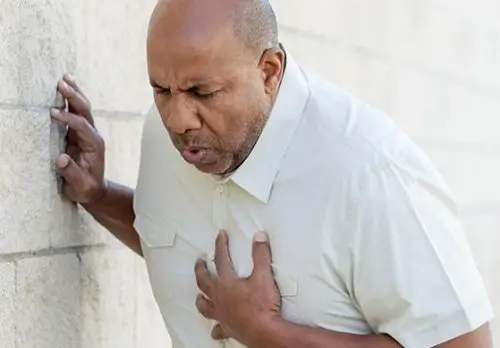
Some men’s health symptoms are early warnings of serious conditions. Contact medical services immediately if you have any of these:
- Chest pain, pressure or tightness, particularly with exertion
- Shortness of breath that’s new or worsening
- Sudden severe headache or vision changes
- Blood in urine or bowel motions
- Sudden onset erectile dysfunction (can indicate cardiovascular disease)
- Suicidal thoughts or severe depression
📞 Emergency: 000 | Healthdirect 24/7 nurse: 1800 022 222
📞 Lifeline (mental health): 13 11 14 | MensLine Australia: 1300 78 99 78
Why this matters for men’s health: ED is often an early warning sign of cardiovascular disease, sometimes by several years. Always get a GP check before assuming ED is ‘just age’. Ayurvedic care complements but never replaces conventional medical assessment for prostate enlargement, suspected cardiovascular issues, or any acute symptoms.
Looking for a personalised Ayurvedic approach to your men’s health concerns?
Talk to Raman Das to learn more.
Free 10-Minute Consultation — Confidential and No Pressure
 1300 552 260
 WhatsApp
  Book online
How Can Ayurveda Support Men’s Health?
Ayurveda takes an individualised approach to men’s wellbeing rather than using the same program for every man.
An Ayurvedic consultation may consider your constitution (Prakriti), current dosha balance (Vikriti), digestion (Agni), sleep, stress, diet, physical activity, reproductive wellbeing and stage of life.
Depending on your individual needs, recommendations may include:
- personalised dietary and lifestyle guidance
- individually selected Ayurvedic herbal preparations
- traditional Vajikarana or Rasayana principles
- yoga, breathing practices and stress-management strategies
- Ayurvedic oil massage or other self-care practices where appropriate
Where symptoms may indicate an underlying medical condition — including suspected low testosterone, persistent erectile dysfunction, fertility difficulties or prostate and urinary symptoms — we encourage appropriate medical assessment alongside Ayurvedic care.
Low Testosterone and Hormonal Health
Testosterone levels can change with age and may also be affected by medical conditions and other factors. Symptoms associated with testosterone deficiency can include reduced libido, erectile difficulties, lower energy, reduced muscle mass and strength, mood changes and reduced bone density.
However, these symptoms are not specific to low testosterone and may have other causes. Testosterone deficiency therefore requires appropriate medical assessment and blood testing rather than diagnosis from symptoms alone.
From an Ayurvedic perspective, a practitioner may consider the broader pattern of vitality, Agni, Shukra dhatu, sleep, stress, diet, body composition and dosha balance when developing an individualised wellbeing program.
Hair, Skin and Healthy Ageing
Changes in the hair and skin commonly occur with age and may also be influenced by genetics, nutrition, stress, hormones, medical conditions and other factors.
Ayurveda traditionally considers the condition of the hair and skin in relation to the doshas, tissue nourishment, digestion and lifestyle. Depending on the individual, recommendations may include dietary and lifestyle guidance, traditional herbal preparations and external oils such as Bhringraj Hair & Scalp Oil.
Persistent, sudden or unexplained hair loss or significant skin changes should be appropriately medically assessed.
Common Reasons Men Seek Our Ayurvedic Support
Men seek Ayurvedic support at Yatan for a wide range of health and wellbeing concerns, including:
- energy and vitality
- libido and sexual wellbeing
- erectile or performance concerns
- reproductive and fertility wellbeing
- urinary and prostate wellbeing
- stress and sleep
- hair and scalp health
- maintaining strength and wellbeing with age
Where symptoms may indicate an underlying medical condition, we encourage appropriate assessment by a GP or specialist.
Traditional Ayurvedic Herbs Used in Men’s Health
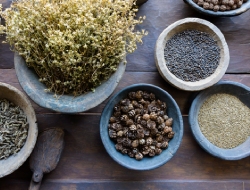
Ayurveda has a long tradition of using herbs within Vajikarana, Rasayana and general wellbeing practices. The following examples are provided as information about traditional Ayurvedic use rather than as recommendations for self-treatment.
At Yatan, herbal preparations are selected individually after consultation according to the person’s constitution, current presentation, age, health history and medications.
Ashwagandha (Withania somnifera) — the foundational adaptogen
The most-studied Ayurvedic herb in modern research. Multiple clinical trials show it reduces serum cortisol and supports testosterone in men with low baseline levels. Also improves muscle strength, recovery, sleep, and the energy-libido picture together.
Gokshura (Tribulus terrestris)
Classical libido and urinary tonic. Used for low libido, erectile function support, prostate health, and urinary flow. Modern research has shown improvements in sexual desire and urinary symptoms in older men.
Shilajit (mineral resin)
Black tar-like substance from Himalayan rocks, rich in fulvic acid and trace minerals. Classical Rasayana — It has traditionally been associated with vitality, strength and rejuvenation.. Particularly useful for men with chronic fatigue, low stamina, or recovering from illness.
Safed Musli (Chlorophytum borivilianum)
Safed Musli is traditionally used within Vajikarana formulations concerned with reproductive vitality and general nourishment.
Kapikachhu (Mucuna pruriens) — Velvet Bean
Kapikachhu, also known as velvet bean, is traditionally used in Ayurvedic Vajikarana preparations. Because it naturally contains levodopa (L-DOPA), its suitability requires particular care in people taking certain medications or living with particular medical conditions.
Caution: interacts with antidepressants and Parkinson’s medications.
Punarnava (Boerhavia diffusa)
Punarnava is traditionally used in Ayurveda in relation to fluid balance and urinary wellbeing. Its inclusion in a formulation depends on the individual’s overall presentation.
Varuna (Crataeva nurvala)
Specific for prostate enlargement and urinary flow problems. Has the longest documented use of any Ayurvedic herb for what we now call BPH. Works alongside conventional alpha-blockers or 5-alpha-reductase inhibitors if you’re on them.
Bhringraj (Eclipta alba)
Bhringraj is traditionally associated with hair and scalp care in Ayurveda and may be used internally in traditional formulations or externally in herbal oils.
Available as Yatan Bhringraj Hair & Scalp Oil.
Important
Ayurvedic herbs are not automatically suitable for everyone. Herbs can have contraindications and may interact with medicines or existing medical conditions. Tell your practitioner about all medicines and supplements you are taking, and do not stop or alter prescribed medication without consulting the prescribing health professional.
Men’s Health Through the Doshas
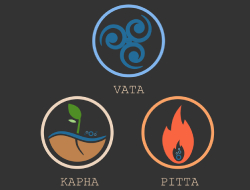
Ayurveda may use Vata, Pitta and Kapha to help understand an individual man’s overall pattern. These traditional categories should not be interpreted as medical predictors of particular diseases.
Vata
- Pattern: Vata is traditionally associated with movement, the nervous system, dryness and variability.
- Common Complaints: Performance anxiety, premature ejaculation, low libido from stress, insomnia, weight loss, joint stiffness
Pitta
- Pattern: Pitta is associated with heat, intensity and transformation.
- Common Complaints: Prostatitis, irritability, work-burnout libido loss, hair loss with greying, hot flushes, acid reflux
Kapha
- Pattern: Kapha is associated with stability, structure, heaviness and nourishment.
- Common Complaints: Poor Metabolic health, Excess weight affecting testosterone, BPH (prostate enlargement), low motivation, sleep apnoea, lower energy
Men’s Health Through Different Stages of Life
Men’s health priorities often change with age, although there is considerable variation between individuals. Ayurvedic recommendations at every stage are based on the individual rather than age alone.
20s–30s
Common priorities may include establishing healthy sleep, diet and exercise habits, managing stress, maintaining mental wellbeing, sexual health and fertility planning.
40s
Some men begin noticing changes in energy, body composition, recovery, sleep or libido. This can be a useful stage of life to review cardiovascular and metabolic health as well as lifestyle habits.
50s
Attention to cardiovascular health, muscle and bone health, metabolic health, sexual wellbeing and appropriate prostate assessment becomes increasingly important.
60s and beyond
Maintaining strength, mobility, cardiovascular health, cognitive wellbeing, social connection and independence becomes increasingly important, alongside appropriate medical screening and management of existing conditions.
Ayurveda and Testosterone Replacement Therapy
Testosterone replacement therapy (TRT) is a medical treatment that may be prescribed for men with clinically confirmed testosterone deficiency. Decisions about whether TRT is appropriate require medical assessment, appropriate blood testing and consideration of the individual’s overall health and fertility goals.
Ayurvedic care has a different role. It may focus on diet, sleep, stress, exercise, digestion and other aspects of general wellbeing, together with individually selected traditional Ayurvedic preparations where appropriate.
These approaches can be combined. Some men do both — TRT prescribed by their endocrinologist, plus Ayurvedic herbs and lifestyle work to support the underlying picture. Decisions about starting, continuing, or stopping TRT are always made with your prescribing doctor.

How Is Ayurveda Different from Conventional Healthcare?
Conventional healthcare plays an essential role in diagnosing and treating medical conditions affecting men, including cardiovascular disease, diabetes, hormonal disorders, prostate disease, fertility problems and persistent sexual dysfunction.
Ayurveda approaches wellbeing from a different perspective. Assessment is individualised and may consider constitution, dosha balance, digestion, diet, sleep, stress, daily routine and stage of life alongside the person’s presenting concerns.
The two approaches do not need to be viewed as alternatives. Ayurvedic care can be used alongside appropriate medical assessment and treatment, and we encourage clients to keep their GP or specialist informed where relevant.
Eating for Male Virility
In classical Ayurveda, Shukra dhatu refers to reproductive tissue, while Ojas is traditionally associated with vitality and resilience. Nourishing the tissues through appropriate food and good digestion is therefore an important part of Ayurvedic wellbeing.
Building foods (for Shukra and Ojas)
- Soaked almonds, walnuts, cashews
- Soaked dates, figs, raisins
- Ghee (1-2 teaspoons daily)
- Whole organic milk (warm, with cardamom)
- Pumpkin and sesame seeds
- Eggs (whole, properly cooked)
- Fresh seasonal fruits — mango, banana, pear
- Whole grains — basmati rice, oats
- Quality fats — olive oil, sesame oil, avocado
- Saffron-honey-milk (small amount, evening)
- Adequate protein from beans, lentils, fish if non-vegetarian
Depleting foods (reduce these)
- Excess alcohol (the single biggest Shukra-depleting factor for most modern men)
- Processed and fast food
- Excess sugar and refined carbs
- Excess coffee and energy drinks
- Smoking and recreational drugs
- Very spicy and very sour foods (aggravate Pitta)
- Cold raw food in large quantities
- Late-night heavy meals
A Daily Routine for Men’s Wellbeing
Regular daily habits can play an important role in maintaining physical and mental wellbeing. Rather than following a rigid schedule, Ayurveda encourages a consistent routine (Dinacharya) adapted to the individual.
The most suitable routine will vary according to your constitution, health, fitness, work schedule and stage of life. An example routine is given below:
Time: 6.00–6.30am
Practice: Wake, warm water with lemon
Why: Aligns with cortisol awakening response; supports elimination
Time: 6.45am
Practice: Strength training (3x/week) or yoga (other days)
Why: Lifting heavy increases testosterone; yoga supports recovery
Time: 7.45am
Practice: Cold-then-warm shower, brief Abhyanga oil massage
Why: Supports circulation and skin; classical anti-ageing
Time: 8.15am
Practice: Protein-rich warm breakfast
Why: Stable blood sugar; testosterone needs cholesterol building blocks
Time: 12.30pm
Practice: Largest meal of day
Why: Digestive fire (Agni) strongest at midday
Time: 3-4pm
Practice: Brief walk outside, Tulsi tea
Why: Sunlight = vitamin D; movement modulates cortisol
Time: 6.30pm
Practice: Light dinner, finished by 7pm if possible
Why: Late eating disrupts sleep + testosterone production
Time: 8.00pm
Practice: Screen-free wind-down, reading, time with partner
Why: Parasympathetic activation; quality time supports relationship + libido
Time: 9.30-10.00pm
Practice: Bed — same time daily
Why: Most testosterone production happens 11pm-3am
How Long Does Ayurvedic Care Take?
There is no standard timeframe for Ayurvedic care because men seek help for very different reasons and recommendations are individualised.
The duration of care may depend on your age, general health, presenting concerns, how long symptoms have been present, lifestyle, medications and whether you are also receiving medical treatment.
Some people use Ayurveda for short-term lifestyle guidance, while others incorporate Ayurvedic practices into longer-term wellbeing and healthy-ageing routines.
Raman Das can discuss an appropriate review schedule after your initial consultation.
Important: Never stop or adjust prescribed cardiovascular, diabetes, or psychiatric medication without your prescribing doctor. Coordinate any reduction with your GP.
How Much Does Ayurvedic Men’s Health Care Cost?
You can begin with a free 10-minute phone or video consultation to discuss your concerns and whether an Ayurvedic consultation may be appropriate.
If you proceed, the initial Ayurvedic consultation is 60 minutes. Follow-up consultations and any individually prepared herbal formulations are recommended according to your needs rather than as a fixed program.
Free 10-Minute Phone/Video Consultation
FREE
Initial Ayurvedic Consultation (60 min)
$139 AUD
Standard Follow-up (30 min)
$81 AUD
Short Follow-up (15 min)
$51 AUD
Bhringraj Hair & Scalp Oil
$33.95 AUD
Mahanarayan Massage Oil (joint/muscle support)
$37.95 AUD
Chyawanprash Herbal Jam (Rasayana)
$67.95 AUD
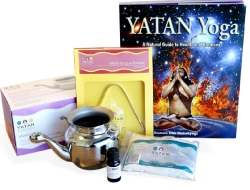
YATAN Yoga + Yoga Therapy books
$130 AUD (bundle)
Customised Vajikarana herbal formulations
Varies by prescription
Prices current as at August 2026.
Your Privacy
Many men come to us with concerns they’ve never discussed with anyone — erectile difficulties, fertility worries, performance anxiety, low desire. Here’s how we protect that:
- All consultations are protected by health practitioner confidentiality
- Telehealth available — no need to visit the clinic if you’d prefer not to
- Plain, unmarked packaging on all herbal products posted to you
- Neutral billing descriptors (no ‘erectile’ or ‘men’s virility’ on card statements)
- Information is only shared with your GP if you explicitly ask us to coordinate
- You can be as direct as you want in consultation — no judgment, no euphemism required
Common Men’s Health Questions
Q: What is Ayurvedic men’s health care?
A: Ayurvedic men’s health care applies traditional Ayurvedic principles to areas such as vitality, healthy ageing, reproductive and sexual wellbeing, diet, digestion, stress and lifestyle. Two relevant classical concepts are Vajikarana, traditionally concerned with reproductive and sexual wellbeing, and Rasayana, concerned with rejuvenation and maintaining vitality. Care is personalised according to the individual’s constitution, current dosha pattern, health history and lifestyle and may include dietary guidance, traditional herbal preparations, yoga and other Ayurvedic practices.
Q: Can Ayurveda help with erectile dysfunction?
A: Persistent erectile dysfunction should first be appropriately medically assessed because it can have cardiovascular, metabolic, hormonal, neurological, medication-related or psychological causes. From an Ayurvedic perspective, sexual wellbeing may be considered in relation to Vajikarana, Shukra dhatu, the doshas, stress, sleep, digestion, diet and overall vitality. Ayurvedic care may be used as a complementary approach alongside appropriate medical treatment, but it should not replace investigation of the underlying cause of persistent erectile dysfunction.
Q: How is Ayurvedic care different from testosterone replacement therapy?
A: Testosterone replacement therapy is a medical treatment for appropriately diagnosed testosterone deficiency and should be managed by a doctor. Ayurvedic care does not replace testosterone. Instead, it takes a broader traditional approach to wellbeing that may include diet, sleep, stress, exercise, digestion and customised Ayurvedic preparations. Men receiving TRT can still discuss complementary Ayurvedic care, but changes to testosterone treatment should always be made with the prescribing doctor.
Q: Can Ayurveda support prostate and urinary wellbeing?
A: Ayurveda traditionally uses a number of herbs and dietary and lifestyle approaches in relation to urinary and male reproductive wellbeing. However, urinary symptoms such as difficulty starting urination, weak flow, frequent urination, pain or blood in the urine can have several causes and require appropriate medical assessment. Ayurvedic care may be considered alongside conventional prostate care once the cause of symptoms has been appropriately investigated.
Q: I’m under 40 but already feeling low energy and libido — is that normal?
A: It’s common but not ‘normal’ in the sense that it should be ignored. Younger men presenting with low energy, low libido, brain fog, and poor sleep usually have one or more of: chronic stress, sleep debt, alcohol overuse, poor diet, low vitamin D, or undiagnosed metabolic issues. Get a blood test (full hormone panel, vitamin D, thyroid, liver function). Then the Ayurvedic approach addresses the foundations — sleep, stress, body composition, dietary patterns — alongside herbs that support testosterone.
Q: What herbs are traditionally used for men’s health in Ayurveda?
A: Ayurvedic traditions include herbs such as Ashwagandha, Gokshura, Shilajit, Safed Musli and Kapikachhu within Vajikarana and Rasayana practices. Other herbs may be selected where urinary, digestive, stress-related or other patterns are present. The choice of herbs depends on the individual and should not be based simply on a particular symptom or diagnosis. At Yatan, herbal preparations are individually selected after consultation.
Q: Does Ayurveda help with male hair loss?
A: Hair loss can have many causes, including genetics, ageing, stress, nutritional factors, hormonal changes and medical conditions. Sudden, patchy or unexplained hair loss should therefore be appropriately assessed. The classical Ayuvedic approach combines internal herbs (eg Bhringraj, Amla, Brahmi) with regular scalp oil massage using Bhringraj Hair & Scalp Oil. We also address digestion and stress, both of which significantly affect hair quality. For established male-pattern baldness driven by genetic DHT sensitivity, results are more modest — managing rather than reversing. Discuss what’s realistic for your specific situation in consultation.
Q: Will Ayurveda interfere with my prescription medications?
A: Some herbs can interact with specific medications — particularly blood thinners, blood pressure drugs, diabetes medications, and antidepressants. Always tell us at the first consultation what you’re taking. We then prescribe accordingly, sometimes adjusting choices, sometimes spacing doses, sometimes coordinating with your GP. Never stop prescribed medication without medical supervision.
Q: How long does Ayurvedic men’s health care take?
A: There is no standard timeframe. Recommendations depend on your individual concerns, general health, age, lifestyle, medications and the duration of any symptoms. Progress is reviewed during follow-up consultations and recommendations may be adjusted accordingly.
Q: Do you offer telehealth?
A: Yes. Yatan offers telehealth consultations Australia-wide. Men’s health consultations work well via video — Raman Das can read your dosha indicators (skin tone, eyes, breathing pattern, voice quality). Customised herbs are posted directly to you. Discretion is taken seriously: packaging is plain, billing descriptors are neutral, and consultations are confidential.
Q: Can Ayurveda be used alongside male fertility care?
A: Vajikarana is the classical Ayurvedic branch concerned with reproductive and sexual wellbeing, and traditional Ayurvedic care may include personalised diet, lifestyle and herbal recommendations. Male fertility difficulties can have many causes, so appropriate medical assessment — which may include semen analysis and other investigations — is important. Ayurvedic care may be used as a complementary approach alongside fertility assessment and treatment where appropriate.
Start With a Free 10-Minute Call
If energy, libido, prostate, hair, or general virility is on your mind, have a free 10-minute call. Confidential, no pressure, no commitment. Raman Das will tell you honestly whether Ayurvedic care suits your situation.
 Suite 28, 924 Pacific Highway, Gordon NSW 2072
  Available Australia-wide & internationally
  Mon–Fri: 9:00am–5:30pm
 Reviewed and updated by Raman Das Mahatyagi, Principal Ayurvedic Practitioner (ATMS Fellow, 2026-27) | Last updated: 5 August 2026