






















Ayurveda and Gut Health: Agni, Ama and Better Digestion
Trusted by 250+ patients in Australia

4.6/5 (Google Reviews)

Holistic Approach Supporting Long-Term Wellbeing

Personalised Ayurvedic Care

In-Clinic Sydney & Telehealth Consultations

30+ years Professional Experience
Quick Answer
In Ayurveda, good gut health depends on agni, your digestive fire. When agni is strong, food is digested fully, and you feel light and energetic after meals. When it’s weak or irregular, Ayurveda says food is only partly digested and leaves ama, a heavy, sticky residue, often noticed as bloating, a coated tongue, sluggishness or irregular bowels. Ayurvedic care for digestion focuses on food, meal timing and daily routine, with herbs where appropriate. At Yatan in Gordon, Sydney, and by telehealth Australia-wide, a first consultation is $139. Ayurvedic care works alongside your GP, so see your doctor first if you have any warning signs listed below.
Book your free 10-minute call
 1300 552 260
 WhatsApp
 Get directions
 Request a call back
What is agni?
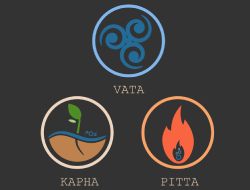
Agni (from the Sanskrit for fire) is Ayurveda’s name for the body’s capacity to digest: not just food, but everything you take in. The main digestive fire, jatharagni, sits in the stomach and small intestine. Ayurveda describes four states of agni:
Balanced (sama agni)
Linked dosha: All three in balance
What people typically notice?
Steady appetite, comfortable after meals, regular bowels, good energy
Irregular (vishama agni)
Linked dosha: Vata
What people typically notice?
Appetite comes and goes, wind and bloating, dry or hard stools, constipation alternating with looser days
Sharp (tikshna agni)
Linked dosha: Pitta
What people typically notice?
Strong hunger, irritable if meals are late, heartburn or reflux, loose stools, feeling hot after food
Slow (manda agni)
Linked dosha: Kapha
What people typically notice?
Low appetite, heavy and sleepy after eating, slow digestion, mucus, sluggish mornings
Not sure which pattern fits you? Take the free dosha test
What is ama?
In Ayurveda, ama is the undigested residue left when agni can’t fully process what you eat. It is described as heavy, sticky and dulling. Ama is a traditional concept rather than something a blood test can measure, but the signs Ayurveda links with it are familiar:
- a thick white or yellow coating on the tongue, especially in the morning
- feeling heavy, bloated or sleepy after meals
- low or dull appetite
- foggy head and low energy
- stools that are sticky, heavy or hard to pass
- bad breath or a dull taste in the mouth
The Ayurvedic approach to ama is to stop adding to it (lighter, warm, well-cooked food and proper gaps between meals) and to rekindle agni (ginger, spices such as cumin and fennel, warm water, regular routine), before anything more intensive.
Eight everyday Ayurvedic habits for digestion
- Make lunch your main meal. Ayurveda considers digestion strongest in the middle of the day.
- Leave three to four hours between meals. Constant snacking gives agni no time to finish.
- Favour warm, cooked food. Soups, stews, dal and cooked vegetables are easier to digest than cold, raw or iced food.
- Sip warm water, not iced drinks, especially with meals.
- Have a little fresh ginger before meals, a thin slice with a pinch of salt and a squeeze of lemon, to wake up the appetite.
- Sit down and eat without screens. Chew well and stop before you are completely full.
- Take a gentle 10 to 15-minute walk after meals.
- Scrape your tongue each morning before brushing, to clear the overnight coating. How to use a tongue scraper
These are general habits. If you have a diagnosed digestive condition, diabetes or reflux, or take regular medication, check changes with your GP.
Digestive concerns people bring to Yatan
People book with Raman Das when they have health concerns including:
- bloating and wind
- reflux and heartburn
- constipation, loose stools, or bowels that swing between the two
- an IBS diagnosis from their GP or gastroenterologist, when they want to add diet and lifestyle support
- feeling heavy, tired or foggy after food
- poor appetite, or a sense that certain foods “don’t agree”
During your consultation Raman Das looks at your digestion through agni and ama, together with your constitution, sleep, stress and routine, because in Ayurveda these all affect each other. Your plan covers what to eat and when, daily routine, and, where appropriate, herbal preparations and yoga or breathing practices.
See your GP first if you notice any of these
Ayurvedic care is not a substitute for medical assessment. See your GP promptly if you have:
- blood in your stool, or black, tarry stools
- unexplained weight loss
- difficulty swallowing, or food sticking
- persistent vomiting
- severe, worsening or night-time abdominal pain
- a change in bowel habit lasting more than a few weeks, especially if you are over 45
- signs of anaemia, such as unusual tiredness and paleness
- a family history of bowel cancer or inflammatory bowel disease
Australians aged 45 to 74 are eligible for the free National Bowel Cancer Screening Program test. Ask your GP or visit health.gov.au.
How a gut-health consultation at Yatan works
- Free 10-minute call (optional): tell Raman Das what’s going on and check that Ayurveda suits it.
- Initial consultation, 60 minutes, $139: in person in Gordon, or by phone or video. A full history, including your GP’s findings, a pulse reading and tongue check, and an assessment of your agni and constitution.
- Advice on: food, meal timing, routine, and, where appropriate, herbs (priced separately).
- Follow-ups from $81 to adjust the plan.
Free introductory call
Length? Yes
Free
Initial Ayurvedic consultation
Length? 60 minutes
$139 AUD
Follow-up consultation
Length? 45 minutes / 30 minutes
$106 AUD / $81 AUD
Short check-in
Length? 15 minutes
$51 AUD
Panchakarma (for deeper digestive reset, after assessment)
Length? Program
From $450 AUD per session
Book a free 10-minute call Call 1300 552 260 Telehealth consultations
Frequently Asked Questions
Q. What is agni in Ayurveda?
A. Agni is Ayurveda’s name for digestive fire: the body’s capacity to digest and transform food. When agni is balanced, you have a steady appetite, feel comfortable after meals and have regular bowels. Ayurveda also describes irregular agni (linked with Vata), sharp agni (Pitta) and slow agni (Kapha), each with typical digestive patterns.
Q. What is ama in Ayurveda?
A. Ama is the heavy, sticky, undigested residue Ayurveda says is left when agni is weak. It is a traditional concept rather than something a blood test measures, but the signs linked with it are familiar: a coated tongue, feeling heavy or bloated after meals, low appetite, foggy head and sticky or sluggish stools.
Q. What are the signs of ama in the body?
A. Ayurveda links ama with a thick white or yellow coating on the tongue, heaviness or sleepiness after meals, bloating, a dull appetite, low energy and brain fog, bad breath or a dull taste in the mouth, and stools that are sticky or hard to pass.
Q. How do you improve digestive fire (agni)?
A. Ayurveda suggests making lunch the main meal, leaving three to four hours between meals, favouring warm cooked food, sipping warm water rather than iced drinks, having a little fresh ginger before meals, eating seated without screens, walking gently after meals and scraping the tongue each morning. Check changes with your GP if you have a diagnosed condition or take regular medication.
Q. How do you reduce ama according to Ayurveda?
A. The Ayurvedic approach is to stop adding to ama with lighter, warm, well-cooked food and proper gaps between meals, and to rekindle agni with ginger, digestive spices such as cumin and fennel, warm water and a regular routine. More intensive programs such as Panchakarma are only considered after a practitioner’s assessment.
Q. Can Ayurveda help with bloating?
A. Bloating is one of the most common reasons people see an Ayurvedic practitioner. Ayurveda usually relates it to irregular agni and looks at what, when and how you eat, along with stress and routine. An Ayurvedic plan is designed to work alongside your GP’s care, so have your doctor check persistent or severe bloating first.
Q. Can I see an Ayurvedic practitioner if I have IBS?
A. Yes. Many people with an IBS diagnosis from their GP or gastroenterologist add Ayurvedic diet and lifestyle support. Keep your doctor involved, continue any prescribed treatment, and tell your practitioner about your diagnosis, tests and medications.
Q. When should I see a doctor about digestive symptoms?
A. See your GP promptly if you notice blood in your stool or black stools, unexplained weight loss, difficulty swallowing, persistent vomiting, severe or night-time abdominal pain, a change in bowel habit lasting more than a few weeks, signs of anaemia, or if you have a family history of bowel cancer or inflammatory bowel disease. Australians aged 45 to 74 are eligible for the free National Bowel Cancer Screening Program test.
Q. How much is an Ayurvedic consultation for digestion?
A. At Yatan Holistic Ayurvedic Centre, an initial Ayurvedic consultation is $139 for about 60 minutes, in person in Gordon, Sydney, or by phone or video anywhere in Australia. Follow-ups are from $81. Herbal preparations, if recommended, are priced separately. A 10-minute introductory call is free.
Q. Is Ayurvedic care a replacement for seeing a doctor?
A. No. Ayurvedic care at Yatan is designed to work alongside your GP and specialists, not replace them. Your practitioner will ask about your diagnoses and medications and will suggest you see your doctor if anything needs medical assessment.
Reviewed and updated by Raman Das Mahatyagi, Principal Ayurvedic Practitioner (ATMS Fellow, 2026-27) | Last updated: 12 November 2026