














Uterine Fibroids: Symptoms, Causes and Ayurvedic Support
Uterine fibroids are non-cancerous growths that develop within or around the uterus. Also known as leiomyomas or myomas, they’re made mainly of smooth muscle and connective tissue and are particularly common during the reproductive years.
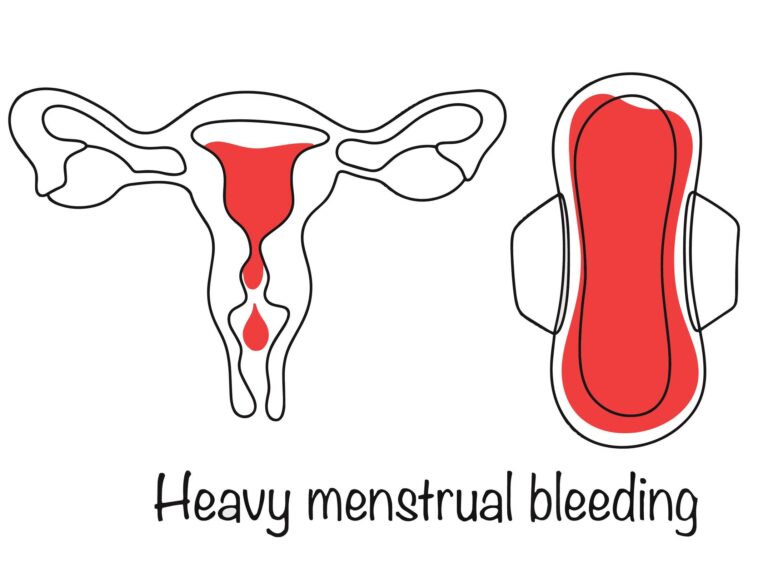
Many women have fibroids without knowing it, since they often cause no symptoms. When symptoms do occur, they can include heavy or prolonged periods, pelvic pressure, abdominal fullness, period pain, bleeding between periods, or urinary symptoms.
Fibroids vary greatly in size, and a woman may have one or several, in different areas of the uterus.
What Are Uterine Fibroids?
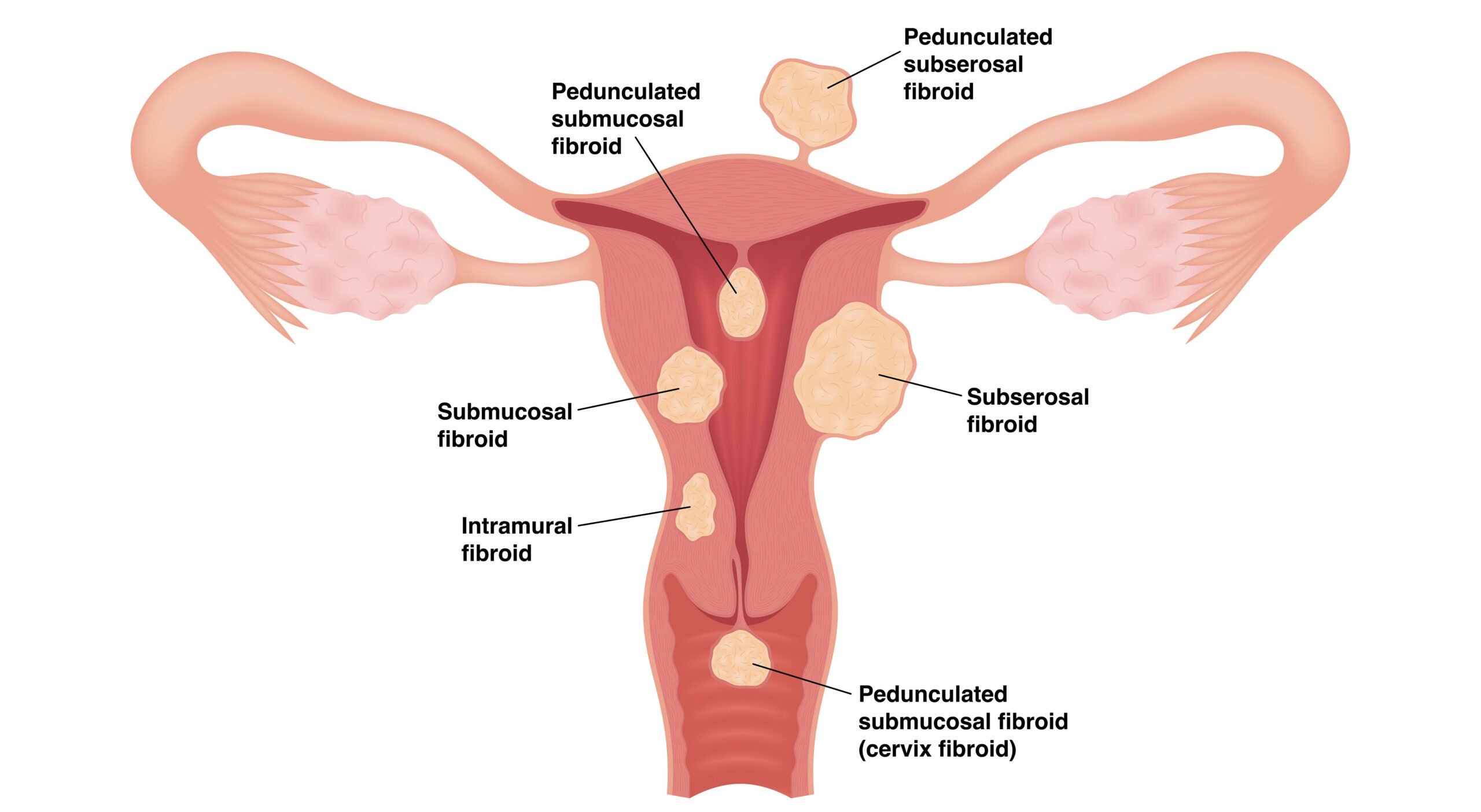
Fibroids are classified by where they develop:
- Intramural — within the muscular uterine wall
- Submucosal — growing toward or into the uterine cavity
- Subserosal — growing toward the outside surface of the uterus
- Pedunculated — attached to the uterus by a stalk
Position often matters as much as size. A small submucosal fibroid can cause heavy bleeding, while a larger subserosal one may just cause pressure or bloating.
Symptoms
Many fibroids are only discovered incidentally, during a pelvic exam or ultrasound for something else. When symptoms appear, they may include:
- heavy or prolonged menstrual bleeding, or bleeding between periods
- menstrual pain or cramping
- pelvic heaviness, pressure or bloating
- lower back discomfort
- frequent urination or bladder pressure
- constipation or bowel pressure
- discomfort during intercourse
Heavy or prolonged bleeding can lead to iron-deficiency anaemia — fatigue, weakness, shortness of breath or dizziness. Depending on size and location, fibroids may also affect fertility or pregnancy, though many women with fibroids conceive and carry without complications.
What Causes Uterine Fibroids?
The exact cause isn’t fully understood, but research points to a mix of hormonal, genetic and cellular factors. Oestrogen and progesterone appear to encourage fibroid growth, which is why fibroids are most common during the reproductive years and often shrink after menopause as hormone levels fall.
Factors associated with higher likelihood include:
- increasing age during the reproductive years
- family history of fibroids
- being overweight or obese
- certain genetic and biological factors
- ethnicity — fibroids occur more frequently, and often earlier, in women of African ancestry
Having a risk factor doesn’t mean fibroids will necessarily develop.
Diagnosis
Heavy bleeding, pelvic pressure or abdominal enlargement should be medically investigated, not assumed to be fibroids. A pelvic or transvaginal ultrasound is typically the first step; MRI, hysteroscopy or other gynaecological investigations may follow if needed. Blood tests can check haemoglobin and iron levels where bleeding has been heavy.
Medical Treatment
Small, symptom-free fibroids may simply be monitored. Where treatment is needed, the right approach depends on symptom severity, bleeding, fibroid size/number/location, age, general health and pregnancy plans. Options range from medication and hormonal treatment to uterine artery embolisation, focused ultrasound, myomectomy (surgical removal of fibroids) or, in select cases, hysterectomy. Medical assessment is especially important when bleeding is heavy, symptoms are worsening, or fertility is a concern.
How Does Ayurveda View Uterine Fibroids?
Ayurveda looks at uterine health as part of a broader constitutional and metabolic picture, rather than treating a fibroid in isolation. There’s no single explanation that fits every woman — instead, fibroid patterns are considered in relation to the three doshas (functional energies) and digestive strength:
- Kapha governs structure, stability and tissue formation. The firm, slow-growing nature of some fibroids is traditionally linked to excess Kapha combined with sluggish metabolism.
- Vata, associated with movement, may be relevant where there’s pelvic pain, cramping or irregular cycles.
- Pitta, associated with heat and transformation, may be relevant where heavy bleeding or inflammation is prominent.
Because these patterns differ between women, Ayurvedic management is individualised rather than a generic “Kapha-reducing” protocol for everyone.
Agni and Metabolism
Ayurvedic assessment also considers Agni — digestive and metabolic capacity. When Agni is weak, Ayurveda describes the risk of Ama: incompletely processed metabolic material accumulating in the body. Supporting healthy Agni and reducing excess Kapha may form part of a broader plan for fibroid-related symptoms.
This is a traditional framework, not a claim that modern medicine has established sluggish metabolism or Ama as causes of fibroids.
Diet and Lifestyle
Dietary advice is given according to the individual’s constitution, digestion and symptoms.
Where Kapha predominance is identified, the emphasis usually shifts toward lighter, freshly prepared meals and away from heavy, processed or very rich food. A balanced diet might include:
- plenty of vegetables, fruit and fibre
- legumes and whole grains, as tolerated
- sufficient protein and fluids
- herbs and spices suited to the individual’s digestion
Women with heavy bleeding should pay particular attention to iron intake and get tested if symptoms of deficiency appear. Diet supports general metabolic and reproductive health — it isn’t a method of dissolving fibroids directly.
Yoga and Movement
Regular movement supports cardiovascular, metabolic and emotional wellbeing, and yoga — gentle postures, breathwork, relaxation — can be part of an individualised plan. It should not be promoted as a way of physically shrinking a fibroid.
Practice may need to be modified where there’s very heavy bleeding, significant pelvic pain, severe anaemia, recent surgery, pregnancy, or a large fibroid causing pressure. Gentle, individualised practice is generally preferable to forcing strong postures when symptoms are active.
Can Ayurveda Shrink Fibroids?
Fibroids can change size naturally — some shrink after menopause — and medical treatment can reduce or remove them. But there currently isn’t sufficient high-quality clinical evidence that Ayurvedic treatment reliably shrinks or eliminates fibroids.
Ayurvedic care is best understood as a complementary approach that supports menstrual, digestive, and general wellbeing alongside appropriate medical monitoring — not a substitute for it. It may suit women with mild or stable symptoms as part of a broader plan; larger or rapidly changing fibroids, severe bleeding or fertility concerns need medical assessment.
When to Seek Medical Advice
See your GP or gynaecologist for:
- unusually heavy or prolonged bleeding, or bleeding between periods
- worsening pelvic pain or pressure
- increasing abdominal swelling
- dizziness, weakness or shortness of breath
- urinary or bowel pressure symptoms
- difficulty conceiving
Seek urgent care for very heavy bleeding, fainting, severe sudden pelvic pain, or signs of significant blood loss. Bleeding after menopause should always be investigated, never assumed to be from an existing fibroid.
A Personalised Approach
Two women can have fibroids of similar size and experience completely different symptoms — one mainly heavy bleeding, another pressure and bloating, another nothing at all. That’s why Ayurvedic care at Yatan Holistic Ayurvedic Centre starts with the individual, not the diagnosis: menstrual pattern, digestion, metabolism, lifestyle and constitution all inform the plan, used alongside conventional medical monitoring rather than in place of it.
Concerned about fibroids or changes in your cycle?
Book an Ayurvedic consultation to discuss personalised support for your menstrual and reproductive wellbeing.

*Discover holistic healing with a complimentary phone or video consultation from our expert Ayurvedic practitioner. Start your path to better health today!*
Related Posts