



Amenorrhea: Causes of Absent Periods and an Ayurvedic Perspective
Amenorrhea means the absence of menstrual periods during a stage of life when menstruation would normally be expected. Sometimes there is a natural explanation. Menstruation normally stops during pregnancy and...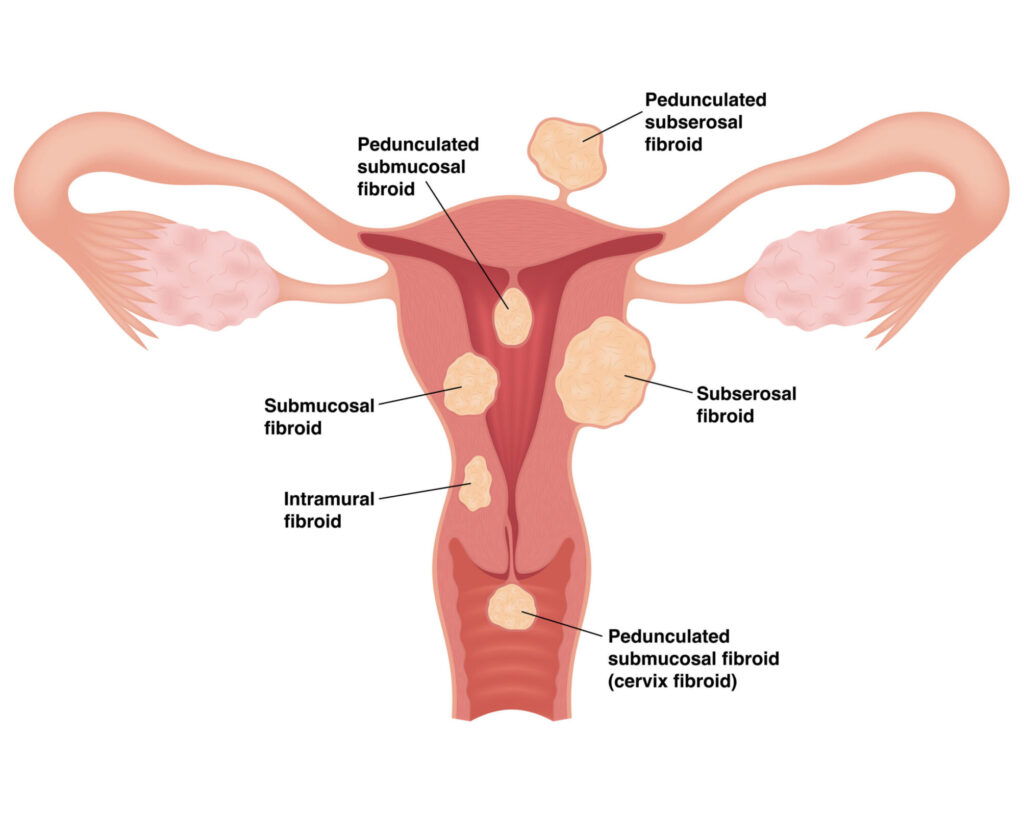
Uterine Fibroids: Symptoms, Causes and Ayurvedic Support
Uterine fibroids are non-cancerous growths that develop within or around the uterus. Also known as leiomyomas or myomas, they’re made mainly of smooth muscle and connective tissue and are particularly...
Spotting Between Periods: Causes, When to Seek Help and Ayurvedic Support
Spotting or vaginal bleeding between periods — known medically as intermenstrual bleeding — can appear as a few spots of blood, pink or brown discharge, or bleeding that resembles a...
PCOS: Symptoms, Causes, Insulin Resistance and an Ayurvedic Perspective
Polycystic ovary syndrome (PCOS) was renamed Polyendocrine Metabolic Ovarian Syndrome (PMOS) in 2026, reflecting what specialists have long understood: this is a whole-body hormonal and metabolic condition, not simply an...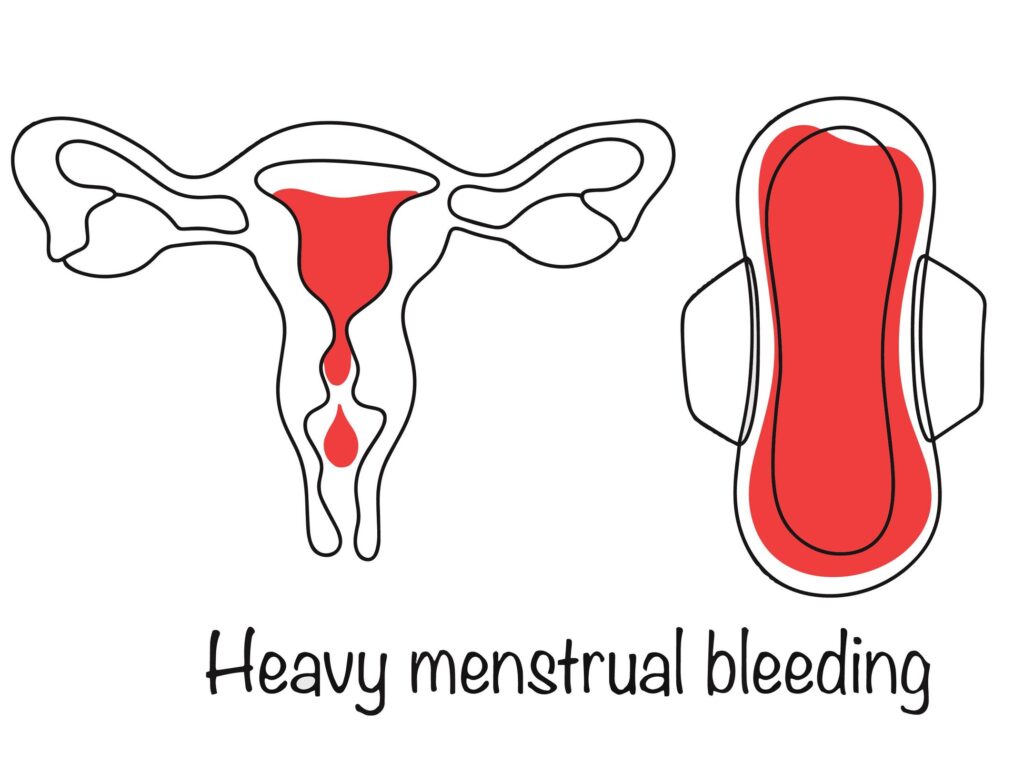
Heavy Menstrual Bleeding (Menorrhagia): Causes and Ayurvedic Support
Heavy menstrual bleeding, traditionally known as menorrhagia, is bleeding that is unusually heavy, prolonged or disruptive to daily life. Some women naturally have heavier periods than others, but a significant...
Breast Pain & Tenderness: Causes and the Ayurvedic Perspective
Breast tenderness or breast pain is common and can occur at different stages of life. It may feel like soreness, aching, heaviness, swelling or increased sensitivity, and can affect one...
Urinary Tract Infections (UTIs), Cystitis & Bladder Symptoms: An Ayurvedic Perspective
Burning, urgency, frequent urination and bladder discomfort are very common. People often assume these symptoms mean a urinary tract infection (UTI), but infection is only one possible cause. What is...
Addressing Incontinence in NZ Women Through Ayurveda: A Holistic Approach
More than 40 percent of New Zealand women experience problems with incontinence, according to recent research. Otago University Professor Jean Hay-Smith, co-author of the study published in The New Zealand...
What is Peri-Menopause? And How is it Different from Menopause?
Today we are going to briefly explain their definitions, and their main differences. There are 3 different stages: 1. Peri-menopause:The easiest way to explain this stage is to look at...