











Vitiligo: Causes, White Patches on the Skin & Ayurvedic Support
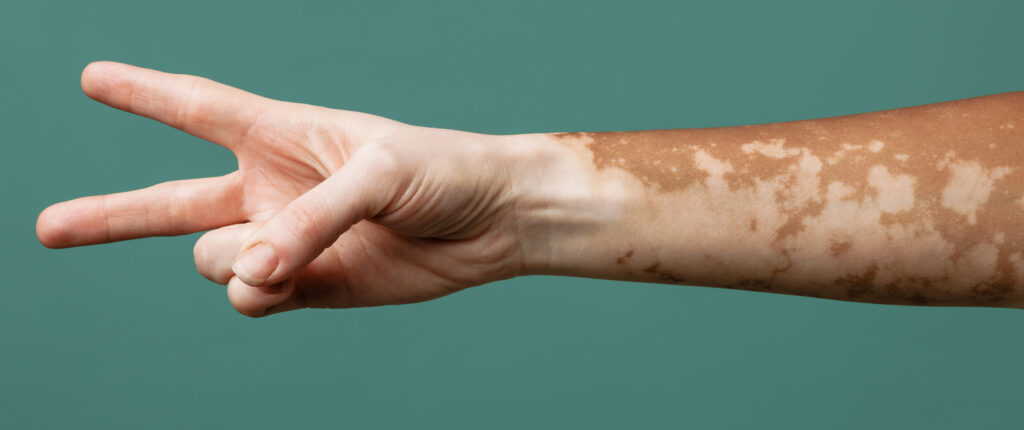
Vitiligo is a chronic skin condition in which areas of skin lose their pigment, creating clearly defined white patches on the skin. It is not contagious and rarely causes physical discomfort, but it can affect confidence and wellbeing, especially when the face, hands or arms are involved. It is now understood mainly as an immune-mediated depigmenting disorder, with genetics, oxidative stress and environmental factors also contributing.
What Is Vitiligo?
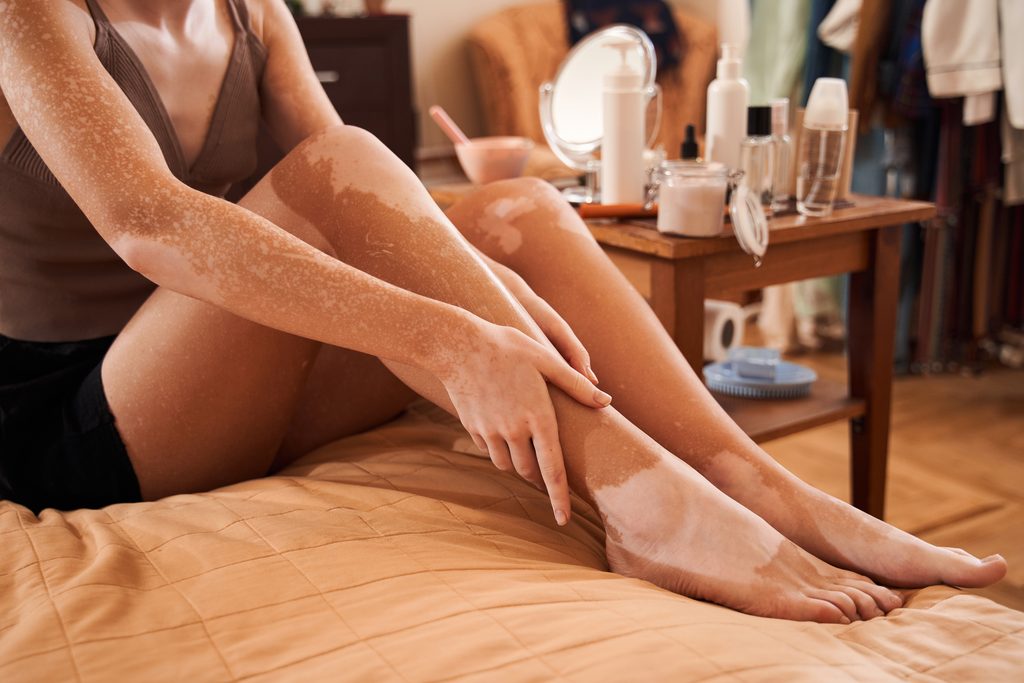
Skin colour comes from melanin, made by cells called melanocytes. In vitiligo, melanocytes in affected areas are damaged or lost, so pale or white patches gradually appear.
Patches can occur anywhere but are common on the face, hands, elbows, knees, feet, armpits and genital area, and on skin exposed to repeated friction or injury. Hair growing from affected skin may also lose its colour.
The older term leucoderma means white or depigmented skin from any cause, so it is broader than vitiligo. Not every white patch is vitiligo.
What Causes Vitiligo?
There is no single cause. The strongest evidence indicates that most non-segmental vitiligo is autoimmune: immune cells mistakenly target and progressively damage melanocytes. Other factors interact with this:
- Genetics: vitiligo can run in families, but having a relative with it does not mean you will develop it.
- Oxidative stress: melanocytes may be especially vulnerable to an imbalance between reactive oxygen species and antioxidant defences.
- Other autoimmune conditions: vitiligo is more common alongside autoimmune thyroid disease, and associations are reported with alopecia areata, type 1 diabetes, rheumatoid arthritis and pernicious anaemia. Most people with vitiligo have no other autoimmune condition, but a doctor may check, often starting with thyroid function.
- Triggers: in susceptible people, major stress, illness, sunburn or repeated skin trauma may precede onset or worsening. Injury can cause new patches at the injured site, known as the Koebner response.
Types of Vitiligo
Non-segmental vitiligo, the most common type, usually affects both sides of the body. Segmental vitiligo affects one area or side, often starts earlier in life, and may spread briefly before stabilising. Acrofacial vitiligo mainly affects the face and the ends of the fingers and toes.
Diagnosis
White patches should be assessed by a GP or dermatologist when they first appear, as fungal infections such as pityriasis versicolor and post-inflammatory hypopigmentation can look similar. A Wood’s lamp can make depigmentation clearer, and a doctor may consider thyroid or other tests.
Conventional Treatment
No single treatment works for everyone, but options have improved. The aims are to stabilise pigment loss, encourage repigmentation and support wellbeing. Options include:
- Topical corticosteroids for limited active areas, or calcineurin inhibitors such as tacrolimus where long-term steroid use is undesirable
- Narrow-band UVB phototherapy for widespread vitiligo, or targeted light or laser for small areas
- Topical JAK inhibitors such as ruxolitinib for suitable people with non-segmental vitiligo (availability varies by country)
- Cell transplantation surgery for selected people whose vitiligo has been stable
Repigmentation takes months and results vary. Camouflage cosmetics can help, and sun protection is essential because depigmented skin burns easily.
Vitiligo in Ayurveda: Shvitra and Kilasa
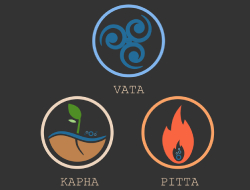
Vitiligo is most often compared with the classical conditions Shvitra (Śvitra) and Kilasa, terms that classical authors use closely but not identically. The Charaka Samhita describes them as arising from disturbance of the three Doshas (Vata, Pitta and Kapha) with involvement of Rakta, Mamsa and Meda Dhatus, broadly blood, muscle and adipose tissue. Deeper tissue involvement was traditionally considered harder to manage.
Bhrajaka Pitta is associated with complexion and metabolic activity in the skin, and Ranjaka Pitta with the colouring of Rakta. Both may be considered in assessment, but vitiligo is understood as an interaction of Dosha disturbance, tissue health, digestion and metabolism, not a deficiency of one Pitta or a disorder of one organ.
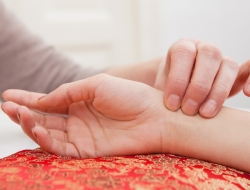
Ayurvedic assessment also focuses on Agni, the capacity to digest and transform food. A practitioner may ask about bloating, irregular bowels, poor appetite, acidity or food intolerances. These do not cause vitiligo, but they shape the individual’s pattern and can guide treatment.
Is Copper Deficiency Responsible?
Copper is needed by tyrosinase, the enzyme essential for melanin production, which has led to theories linking copper deficiency and vitiligo. Research examining trace minerals in people with vitiligo has produced inconsistent findings, so high-dose copper supplements are not an appropriate general treatment, and excess copper is toxic. Nuts, seeds, legumes, grains and shitake mushrooms are all good food sources of copper.
Ayurvedic Treatment Approach
Treatment is individualised, because people with vitiligo differ in constitution, digestion and health history. It may focus on supporting Agni, identifying aggravating foods, balancing dominant Doshas, supporting Rakta and skin health, and improving sleep and stress.
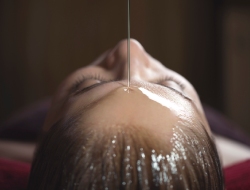
Classical texts describe both Shamana (balancing) and Shodhana (purification) therapies, with internal and external preparations.
Diet and Stress
Ayurveda considers diet important because food influences Agni, Dosha balance and nutrition. Your Ayurvedic practitioner will advise a varied, whole-food diet suited to your constitution.
Stress does not simply cause vitiligo, but it may influence immune activity and oxidative stress in susceptible people. Living with visible vitiligo is also stressful in itself and is linked to anxiety and reduced quality of life. Sleep, exercise, yoga, breathing practices and psychological support are valuable parts of care.
Can Vitiligo Repigment?
Repigmentation is possible but varies greatly. Newer patches, facial areas and areas with pigmented hair respond better than longstanding patches on the fingers and toes, which have few hair follicles to supply pigment cells. Change is gradual and takes many months.
An Integrative Approach to Vitiligo
Vitiligo is increasingly understood as a complex condition involving interactions between immune regulation, genetics, oxidative stress and melanocyte biology.
Ayurveda approaches the same patient from a different perspective, examining Dosha balance, Agni, Rakta, tissue health, diet, lifestyle and individual constitution.
At Yatan Holistic Ayurvedic Centre, we assess treatment individually rather than applying one standard remedy to every case of vitiligo.
If you have vitiligo or unexplained white patches on the skin and would like to explore an Ayurvedic approach alongside appropriate medical care, you can book an Ayurvedic consultation with Yatan Holistic Ayurvedic Centre.

*Discover holistic healing with a complimentary phone or video consultation from our expert Ayurvedic practitioner. Start your path to better health today!*
Related Posts