











Acne: Causes, Hormonal Acne & Ayurvedic Support
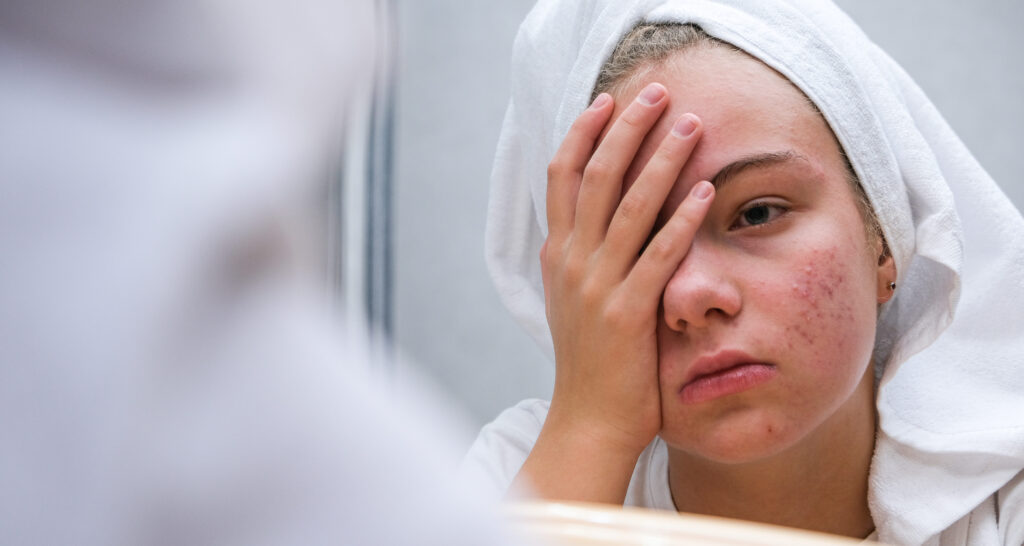
Acne is a common skin condition that can occur at almost any age, though it is most common in adolescence and early adulthood. It typically affects the face, chest, shoulders and upper back, where oil-producing sebaceous glands are more numerous.
Acne develops when hair follicles become blocked with oil (sebum) and dead skin cells. It may appear as blackheads, whiteheads, pimples and pustules, or as deeper nodules and cysts. Severe or persistent acne can lead to pigmentation changes or permanent scarring, so early management matters. Conventional treatment depends on type and severity and may include topical preparations, prescription medicines or antibiotics.
What causes acne?
Acne rarely has a single cause. Contributing factors include increased oil production, blocked follicles, inflammation, bacteria within the follicles and hormonal change.
Rising androgen activity during puberty stimulates oil production, which is why acne is so common in teenagers. In adult women, hormonal fluctuations around the menstrual cycle, pregnancy and other life stages may contribute, as can conditions such as polycystic ovary syndrome (PCOS). Genetics, some medicines and some skin or hair products can also play a part. Research suggests a link between high-glycaemic diets and acne for some people, although diet is only one factor.
The Ayurvedic Perspective
Classical Ayurvedic texts describe acne as Yuvana Pidika (“eruptions of youth”) or Mukhadushika, and classify it among the Kshudra Roga (minor ailments). The Sushruta Samhita compares the lesions to the thorns of the Shalmali tree and attributes them to Kapha, Vata and Rakta (blood tissue). Later commentators also note the involvement of Meda (fat tissue), reflecting the oiliness seen in many cases.
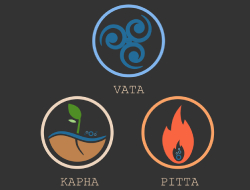
In clinical practice, Ayurvedic practitioners also consider Pitta, particularly when lesions are red, hot, inflamed, or sensitive. Kapha is more prominent with excessive oiliness, congestion or deeper pustular lesions, and Vata when the skin is dry, rough or easily irritated.
Ayurveda also considers Agni (digestive function), bowel regularity, diet, stress, sleep, lifestyle and the individual’s constitution. Rather than treating every case the same way, assessment looks at the pattern of factors present in each person.
Ayurvedic support for acne
The classical approach emphasises avoiding aggravating factors, restoring balance through diet and herbal support, and using topical preparations such as traditional lepa (herbal pastes). Ayurveda places considerable importance on the link between digestion and skin. Depending on your assessment, a program may include:
- individually selected herbal preparations
- dietary recommendations suited to your constitution and symptoms
- support for healthy digestion and regular bowel function
- sleep and stress-management guidance
- traditional topical skin care preparations
Hormonal Acne
Hormonal influences may be considered when acne changes with the menstrual cycle, develops during periods of hormonal change, or appears predominantly around areas such as the jawline and lower face.
From an Ayurvedic perspective, the practitioner considers these hormonal influences alongside the person’s dosha pattern, digestion, menstrual health (where relevant), diet, stress, and lifestyle.
Persistent adult acne or acne accompanied by other symptoms of hormonal disturbance may warrant medical assessment to investigate possible underlying causes.
Diet and Acne
No single acne diet suits everyone. Ayurveda traditionally recommends adjusting the diet according to the person’s constitution and the doshas that appear to be aggravated.
For someone showing strong Pitta characteristics, for example, very hot, spicy or irritating foods may be reduced. Where Kapha characteristics such as excessive oiliness and heaviness predominate, dietary recommendations may focus on lighter foods and eating patterns.
Rather than automatically eliminating foods such as dairy, eggs, or seafood, it is better to consider the individual’s diet, symptoms, and any apparent food-related patterns.
What About Acne Scars?
Acne scars can develop following deeper or prolonged inflammation, particularly with nodular or cystic acne. Preventing and appropriately managing active acne is therefore an important part of reducing the risk of future scarring.
Traditional Ayurvedic skin preparations may support general skin health, but established acne scars may require specific dermatological treatments depending on their type and severity. A dermatologist can advise on scar treatment options when appropriate.
When Should You Seek Medical Advice?
Mild acne can often be managed with appropriate skin care, but medical assessment is advisable when acne is severe, painful, cystic, causing significant scarring or pigmentation, or is not improving.
It is also worth seeking medical advice when sudden or persistent acne occurs together with other symptoms that may suggest an underlying hormonal condition.
Looking for Personalised Ayurvedic Support for Acne?
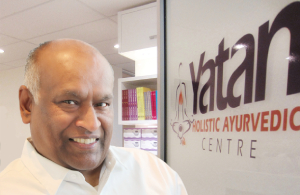
At Yatan Holistic Ayurvedic Centre, Raman Das considers your skin, constitution, digestion, diet, lifestyle and other relevant health factors before recommending an individualised program. Call 1300 552 260 for a complimentary 10-minute introductory call, or book a consultation at our Gordon, Sydney clinic or via telehealth.

*Discover holistic healing with a complimentary phone or video consultation from our expert Ayurvedic practitioner. Start your path to better health today!*
Related Posts