












Jaundice: Causes, Symptoms & the Ayurvedic Perspective
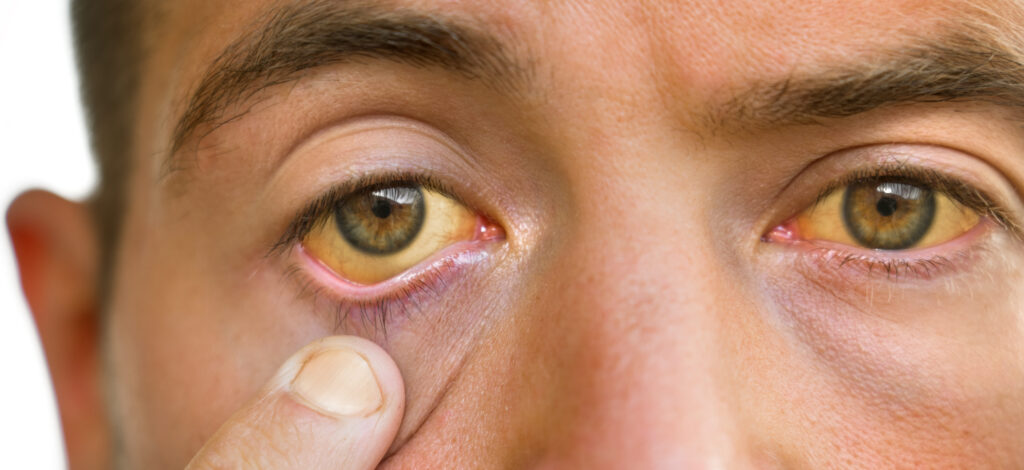
Jaundice is the yellow discolouration of the skin and the whites of the eyes caused by increased bilirubin in the blood.
Jaundice is not a disease in itself. Rather, it is a visible sign that something is affecting the normal production, processing or elimination of bilirubin.
The body naturally produces bilirubin when old red blood cells are broken down. It is carried to the liver, where it is processed and incorporated into bile before eventually being eliminated through the digestive system.
If this process is disrupted, bilirubin can accumulate in the bloodstream and tissues, producing the characteristic yellow colouring associated with jaundice.
What Are the Symptoms of Jaundice?
The most recognisable signs are:
- yellowing of the whites of the eyes
- yellow or yellowish skin
- dark urine
- pale or clay-coloured stools
Depending on the underlying cause, other symptoms may include:
- tiredness or weakness
- poor appetite
- nausea or vomiting
- abdominal discomfort or pain
- itching
- fever
- unexplained weight loss
- digestive disturbances
The specific combination of symptoms can sometimes provide clues about whether the problem originates in the blood, liver, gallbladder, or bile ducts.
What Causes Jaundice?
Jaundice has many possible causes. Broadly, they fall into three groups.
1. Excessive Breakdown of Red Blood Cells
Bilirubin is produced when red blood cells are broken down.
If red blood cells are being destroyed more rapidly than usual – a process known as haemolysis – the amount of bilirubin produced can exceed the liver’s capacity to process it.
This may occur with certain blood disorders, infections, inherited conditions, autoimmune disorders or reactions to some medicines.
2. Problems Within the Liver
Jaundice may also occur when the liver cannot adequately process and excrete bilirubin.
Possible causes include:
- viral hepatitis
- alcohol-related liver disease
- cirrhosis
- some autoimmune liver disorders
- certain medicines or toxins
- genetic liver conditions
- advanced metabolic liver disease
- other conditions affecting liver function
When liver cells become inflamed or damaged, their ability to process bilirubin and produce and transport bile may be impaired.
3. Obstruction of Bile Flow
The liver may function reasonably well, but bile may not flow normally into the intestine.
This can occur when the bile ducts are obstructed by conditions such as:
- gallstones
- inflammation or narrowing of the bile ducts
- pancreatic or biliary disease
- certain tumours or other structural abnormalities
In obstructive jaundice, urine may become particularly dark, while stools can become unusually pale because less bile pigment reaches the intestine.
Jaundice and the Liver
Although jaundice is commonly associated with liver disease, jaundice does not always mean that the liver itself is the primary problem.
The difficulty may occur before bilirubin reaches the liver, within the liver itself, or after bilirubin has been processed and is attempting to leave the liver through the bile ducts.
That is why identifying the underlying cause matters.
A medical assessment may include blood tests measuring bilirubin and liver enzymes, together with ultrasound or other imaging where appropriate.
The Ayurvedic Understanding of Jaundice
In Ayurveda, jaundice is traditionally discussed primarily under the condition known as Kamala.
Classical texts, including the Charaka Samhita describe Kamala in close relationship with Pitta, Rakta Dhatu (the blood tissue) and disorders affecting normal digestion, metabolism and bile.
Ayurveda calls the liver Yakrit and describes an important relationship with Rakta and Pitta.
One particular functional aspect of Pitta known as Ranjaka Pitta is traditionally associated with the liver and spleen and with the colouring and transformation of the blood.
For this reason, the yellow discolouration characteristic of Kamala was understood as reflecting a deeper disturbance of Pitta and Rakta rather than simply being a skin symptom.
Pitta, Agni and Kamala
Pitta governs many transformative processes within the body, while Agni refers more broadly to the body’s capacity to digest, metabolise and transform substances.
When Pitta becomes excessive, or its normal movement is disturbed, Ayurveda describes changes that may affect:
- digestion
- appetite
- bile
- blood
- liver function
- elimination through the bowel and urine
Classical descriptions of Kamala include yellowing of the eyes and skin, weakness, reduced appetite and changes in the colour of urine and stool—features that have obvious similarities with what modern medicine recognises as jaundice.
However, Ayurvedic concepts should not be considered direct equivalents of modern biochemical or pathological processes.
Two Traditional Patterns of Kamala
One particularly interesting aspect of the classical Ayurvedic description is the distinction between different patterns of Kamala.
Koshthashrita Kamala
Koshthashrita refers broadly to a condition centred within the gastrointestinal or visceral system.
Classical descriptions associate this pattern with markedly aggravated Pitta and yellow discolouration affecting the skin, eyes and other tissues.
From a modern perspective, some features can resemble jaundice associated with disturbances in bilirubin metabolism or liver function.
Shakhashrita Kamala
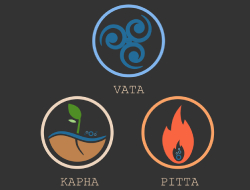
Another classical pattern is Shakhashrita Kamala, in which the normal pathway of Pitta is described as becoming obstructed, particularly through the influence of Kapha and Vata.
One classical feature is unusually pale stool.
This is interesting because modern medicine also recognises pale or clay-coloured stools when bile cannot adequately reach the intestine because its normal flow has been obstructed.
The two medical systems describe the process differently, but the clinical observation itself has been recognised for centuries.
Ayurvedic Management of Jaundice
Because jaundice can arise from many different causes, no single Ayurvedic approach fits everyone.
Traditionally, Ayurvedic management is based on assessment of:
- the underlying cause
- the strength and constitution of the individual
- appetite and digestion
- bowel function
- the degree and nature of Pitta disturbance
- involvement of Vata or Kapha
- the condition of Rakta
- associated symptoms
- whether there appears to be obstruction
Rather than simply trying to reduce the yellow colour, the aim is to understand what has disturbed normal metabolism and the processing and movement of Pitta.
Diet, lifestyle, and herbal medicines may then be selected individually.
An appropriately qualified practitioner may consider Ayurvedic herbs traditionally associated with liver and Pitta support.
Diet and Jaundice
Ayurveda generally favour a relatively light, easily digested diet during conditions involving aggravated Pitta and impaired digestion.
The exact diet should depend on the individual’s appetite, digestive capacity, medical condition and underlying cause of the jaundice, and generally recommend:
- easily digestible meals
- adequate hydration
- avoiding alcohol
- avoiding very heavy meals when digestion is poor
- supporting regular bowel function
- selecting foods according to the individual’s condition
When Should Jaundice Be Investigated?
New jaundice in an adult should always be medically assessed.
Medical evaluation is particularly important when jaundice is accompanied by:
- severe abdominal pain
- fever
- vomiting
- confusion or unusual drowsiness
- rapidly worsening symptoms
- very pale stools
- very dark urine
- unexplained weight loss
- abdominal swelling
- bleeding or easy bruising
Jaundice accompanied by fever, confusion or severe abdominal pain can require urgent medical attention.
Combining Modern Diagnosis With an Ayurvedic Perspective
Jaundice provides a good example of where traditional Ayurveda and modern medical investigation can complement one another.
Modern testing can identify whether bilirubin is elevated and help determine whether the problem originates from increased red blood cell breakdown, liver dysfunction or obstruction of the biliary system.
Ayurveda can then provide an additional perspective by considering the individual’s digestion, constitution, Pitta balance, Agni, Rakta, diet and overall pattern of health.
At Yatan Ayurveda, we can use this broader assessment to develop an individualised Ayurvedic support program alongside appropriate medical investigation and care.
If you notice yellowing of the skin or eyes, seek medical assessment to determine the underlying cause before starting treatment.
Ayurvedic Support for Liver and Digestive Health
At Yatan Holistic Ayurvedic Centre, Ayurvedic consultations consider your symptoms in the context of digestion, diet, lifestyle, constitution and overall health rather than treating jaundice as an isolated symptom.
Where appropriate, we may use personalised dietary, lifestyle, and Ayurvedic herbal recommendations to support digestive and liver health alongside conventional medical care.

*Discover holistic healing with a complimentary phone or video consultation from our expert Ayurvedic practitioner. Start your path to better health today!*
Related Posts