



















Adrenal Fatigue, Chronic Stress & Burnout: What Is Really Happening?

Do you wake up feeling exhausted even after a full night’s sleep? Are you finding it increasingly difficult to cope with everyday pressures, concentrate on tasks or switch off at the end of the day?
These experiences are often called “adrenal fatigue”. It is a popular term, not a medically recognised condition. But the exhaustion that follows prolonged stress is very real, and understanding it is the first step towards recovery.
What do the adrenal glands do?
The adrenal glands are two small glands above the kidneys. They produce:
- Cortisol: regulates energy, blood glucose, inflammation and the stress response.
- Adrenaline and noradrenaline: raise alertness, heart rate and blood flow to the muscles.
- Aldosterone: helps regulate blood pressure and sodium and potassium balance.
- Adrenal androgens: contribute to some sex hormones.
They work with the brain through the hypothalamic-pituitary-adrenal (HPA) axis, which coordinates the body’s response to stress. Normally, hormone activity settles once the challenge passes. When stress is persistent, these systems can stay activated or become dysregulated, affecting sleep, mood, digestion and general wellbeing.
Is adrenal fatigue real?
The theory is that prolonged stress exhausts the adrenal glands until they can no longer make enough hormones. Current medical evidence does not support this, and endocrine societies do not recognise it as a diagnosis.
It should not be confused with adrenal insufficiency (including Addison’s disease), a genuine condition in which the body cannot make enough cortisol. It can cause severe fatigue, weight loss, muscle weakness, low blood pressure, dizziness and, in primary forms, darkening of the skin. It requires medical treatment.
Someone exhausted by chronic stress usually has normal adrenal hormone production. Their symptoms more likely reflect a mix of nervous system strain, poor sleep, psychological demands and metabolic health. This is why persistent fatigue should never be assumed to be “just stress”.
How chronic stress affects the body
Short bursts of stress can sharpen focus and motivation. Problems arise when stress is prolonged and recovery is inadequate. Common effects include:
- Fatigue and poor concentration: tiredness, forgetfulness and low motivation, with simple tasks feeling overwhelming.
- Disturbed sleep: trouble falling or staying asleep, or waking unrefreshed. Poor sleep then reduces resilience, creating a cycle.
- Anxiety and irritability: restlessness, emotional exhaustion and sensitivity to noise or interruptions.
- Digestive symptoms: through the gut-brain axis, stress can contribute to bloating, indigestion, constipation or diarrhoea.
- Appetite and blood glucose changes: some people lose their appetite, others crave sweet foods. Combined with poor sleep and inactivity, this can affect long-term metabolic health.
What about burnout?
Burnout describes exhaustion following prolonged pressure. The World Health Organization defines it as an occupational phenomenon, not a medical condition, resulting from unmanaged chronic workplace stress. It is marked by exhaustion, mental distance or negativity towards work, and reduced effectiveness. Similar exhaustion can arise from caregiving or family demands, though these fall outside the WHO definition.
The risk is pushing on without addressing what is preventing recovery. Rest alone may not help if poor sleep, emotional pressure, poor nutrition or an underlying health problem continues.
The Ayurvedic Perspective on Chronic Stress and Exhaustion
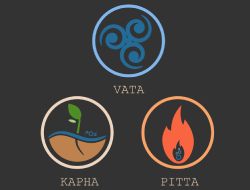
Ayurveda sees body, mind and emotions as interconnected. Stress-related exhaustion is often linked to aggravated Vata dosha, associated with movement and nervous activity. Signs include restlessness, anxiety, disturbed sleep, irregular digestion, muscle tension and difficulty keeping a routine.
Not everyone responds the same way:
- Pitta imbalance: irritability, intensity, disturbed sleep and a tendency to push past one’s limits.
- Kapha imbalance: heaviness, lethargy and low motivation.
This is why Ayurvedic care is individualised, based on a person’s constitution (Prakriti) and their current state of imbalance (Vikriti). Two further concepts are relevant:
- Agni: the “digestive and metabolic fire”, or capacity to digest and assimilate nourishment. Irregular meals and ongoing stress disturb it.
- Ojas: vitality and resilience. Overexertion, poor nourishment and too little rest deplete it.
Although Agni and Ojas are traditional Ayurvedic concepts rather than directly measurable physiological substances, they offer a useful framework for considering the cumulative effects of lifestyle, nourishment and recovery.
What an Ayurvedic approach may include
- Daily routine (Dinacharya): regular sleeping, waking and eating times support healthy sleep-wake rhythms.
- Diet: tailored to the individual. For Vata-type symptoms, this often means warm, freshly cooked meals at regular times. Excess caffeine, skipped meals and restrictive diets tend to worsen fatigue.
- Yoga and breathing: gentle yoga, meditation and slow Pranayama may help reduce perceived stress and encourage relaxation. The aim is to restore balance, not add another demand to a full schedule.
- Massage and restorative therapies: Abhyanga (warm oil massage) and Shirodhara (a gentle stream of warm oil over the forehead) are traditionally used to encourage relaxation.
- Herbal support: chosen according to constitution, symptoms, health conditions and medications. Herbs can interact with medicines, so professional assessment comes first.
Ayurvedic care is complementary. It is not a treatment for adrenal insufficiency or other diagnosed hormonal conditions.
When to see a doctor
Tiredness can also stem from iron deficiency, thyroid disorders, sleep apnoea, medication effects, depression, diabetes and other conditions. See your GP for persistent or unexplained exhaustion, especially with dizziness, significant weight change or muscle weakness.
Severe weakness with vomiting, fainting, confusion or very low blood pressure needs urgent care: call 000 or go to your nearest emergency department. Ayurvedic care should complement medical investigation, never delay it.
Recovery takes more than rest
Recovery is rarely immediate. For some people, modest changes to sleep, diet, activity and routine make a noticeable difference. Others need to change workload, emotional demands or living circumstances. Rather than focusing on “exhausted adrenals”, the aim is to identify what is driving the stress and build a sustainable way to manage it.
Personalised support at Yatan
At Yatan Holistic Ayurvedic Centre in Gordon, Sydney, we consider lifestyle, digestion, sleep, emotional wellbeing and Ayurvedic constitution. With more than three decades of clinical experience, Raman Das Mahatyagi offers personalised consultations on diet, daily routines, yoga and traditional therapies, in clinic or via telehealth.
If ongoing stress is affecting your wellbeing, book a consultation.

*Discover holistic healing with a complimentary phone or video consultation from our expert Ayurvedic practitioner. Start your path to better health today!*
Related Posts