



















Irritable Bowel Syndrome (IBS): Causes, Diet and Ayurvedic Support

What Is IBS?
Irritable bowel syndrome (IBS) is a common digestive disorder marked by recurring abdominal pain and changes in bowel habits, often with bloating and gas. Some people have mostly diarrhoea, some mostly constipation, and many alternate between the two.
IBS is a disorder of gut–brain interaction: the nerves and brain that regulate the gut communicate differently, changing how the intestines move and how sensitive they are. Unlike inflammatory bowel disease (IBD), it does not cause visible damage to the bowel lining, but symptoms can be persistent and disruptive.
In Ayurveda, IBS-like symptoms are often compared with Grahani roga, a traditional digestive disorder involving weakened Agni (digestive fire) and irregular bowel function.
Common Symptoms
- Abdominal pain or cramping, often related to bowel movements
- Bloating, distension and gas
- Diarrhoea, constipation or both
- Urgency or a feeling of incomplete emptying
- Mucus in the stool
- Symptoms triggered by certain meals, stress or poor sleep
- Fatigue
Doctors describe three patterns: IBS-D (diarrhoea), IBS-C (constipation) and IBS-M (mixed).
See a doctor promptly if you have rectal bleeding, unexplained weight loss, anaemia, persistent fever, symptoms that wake you at night, new symptoms after age 50, or a family history of bowel cancer or coeliac disease. These are not typical of IBS. IBS is diagnosed by a doctor after other conditions, such as coeliac disease and IBD, have been considered.
What Causes IBS?
No single cause has been identified. Several factors often work together:
- Altered gut movement and sensitivity. Contractions that move food along may run too fast (diarrhoea) or too slow (constipation). Many people also have visceral hypersensitivity, where normal stretching or gas feels unusually painful.
- Gut microbiome changes. The balance of gut bacteria may contribute to gas and bloating in some people, though no single pattern explains all cases.
- Food triggers. Poorly absorbed, fermentable carbohydrates (FODMAPs), found in onion, garlic, wheat, legumes, some fruits and some dairy, can draw water into the bowel and increase gas in sensitive people. Lactose intolerance can cause similar symptoms and may coexist with IBS.
- Stress and the gut–brain link. Stress, anxiety and poor sleep can alter gut movement and pain sensitivity, while ongoing symptoms can increase stress in turn. IBS is a real physical condition, not “just stress”.
- Previous gut infection. Some people develop post-infectious IBS after gastroenteritis or food poisoning.
The Ayurvedic Perspective: Grahani and Agni
Ayurveda sees digestion as governed by Agni, the transformative power that digests and assimilates food. Grahani refers both to the part of the digestive tract described as the seat of Agni (broadly the small-intestine region) and to the disorder Grahani roga, which arises when Agni is impaired. The Charaka Samhita (Chikitsa Sthana, chapter 15) describes food passing on poorly digested, with irregular stools that may be loose, hard or both.
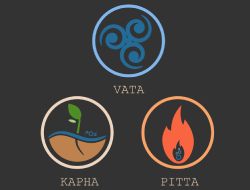
Ayurveda describes four states of Agni. Sama Agni is balanced digestion. The other three are linked to the doshas:
- Vishama Agni (irregular), Vata: variable appetite, gas, bloating, alternating constipation and loose stools.
- Tikshna Agni (sharp), Pitta: strong hunger, acidity, burning sensations, loose stools.
- Manda Agni (sluggish), Kapha: heaviness, slow digestion, low appetite, mucus.
Samana Vata supports digestion in the stomach and small intestine, while Apana Vata governs downward movement and elimination in the colon. When Vata is disturbed, cramping, gas and irregular bowel movements may follow. Ayurveda also describes Ama, incompletely processed material that forms when Agni is weak and is associated with heaviness, mucus and sluggishness.
An Ayurvedic assessment considers your Prakriti (inherent constitution) and your current Vikriti (present imbalance), along with diet, stress, sleep, and lifestyle. These are traditional frameworks, not modern medical diagnoses.
Diet and Lifestyle Support
No single diet suits everyone with IBS. Helpful steps include:
- Eating regular, unhurried, moderate-sized meals
- Keeping a food-and-symptom diary to identify your triggers
- Staying hydrated, sleeping well and exercising regularly
- Adjusting fibre to your bowel pattern: soluble fibre such as psyllium may help, particularly with constipation, while coarse bran can worsen symptoms for some
A short low-FODMAP trial, ideally supervised by a dietitian, can identify problem carbohydrates. Foods are then systematically reintroduced so your diet stays varied and nutritious. No food needs to be avoided by everyone: tolerance depends on portion size, preparation and your own symptoms.
Ayurveda emphasises freshly cooked, easily digested meals, suitable spices and consistent meal times, tailored to your digestive pattern.
Our Ayurvedic Approach at Yatan
We look at IBS through your constitution, current imbalance, digestion and lifestyle. Your plan may include:
- Individualised herbal formulations
- Diet and meal-planning guidance
- Support for regular digestion
- Stress management, yoga, breathing and relaxation practices
Herbs are chosen for the individual, not as one formula for all. Herbs can interact with medicines, so please tell us about everything you take. Where symptoms are persistent or complex, we encourage working alongside your GP, gastroenterologist or dietitian.
How Long Does Improvement Take?
IBS is often long-term and fluctuates, but many people achieve meaningful relief. Some notice changes within weeks of diet and lifestyle adjustments; others need longer to identify triggers and build sustainable routines. The aim is greater digestive comfort, more predictable bowel habits and better quality of life.
Book a Consultation
If you have recurring bloating, abdominal discomfort, constipation or diarrhoea, understanding your digestive pattern is a good first step. At Yatan Holistic Ayurvedic Centre, we offer personalised consultations, herbal guidance, and dietary advice at our Gordon, Sydney clinic or via telehealth across Australia. Call 1300 552 260 to book.
IBS should be medically assessed, especially if symptoms are new, persistent or accompanied by warning signs. Ayurvedic care is complementary and does not replace medical diagnosis or treatment.

*Discover holistic healing with a complimentary phone or video consultation from our expert Ayurvedic practitioner. Start your path to better health today!*
Related Posts