














Gout and High Uric Acid: The Ayurvedic View of Vātarakta
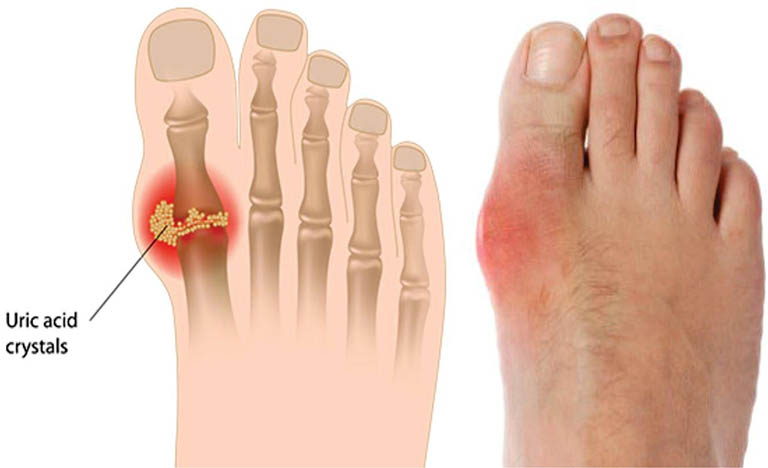
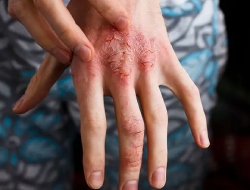
Gout is a painful inflammatory arthritis caused by urate crystals forming in and around the joints. Attacks often start overnight, with intense pain, redness, heat and swelling. The base of the big toe is the classic site, but ankles, knees, wrists and fingers can be affected too.
Ayurveda has described a similar pattern for centuries under the name Vātarakta (also Vātaśoṇita).
Vātarakta isn’t identical to modern gout. It’s a classical framework for understanding gout-like joint conditions through Vāta, Rakta (blood), Pitta, digestion and constitution.
What Causes Gout?
Uric acid (properly called urate in the blood) is made when the body breaks down purines. Normally it dissolves in the blood and is cleared mainly by the kidneys. If production rises or kidney clearance falls, levels climb. This is called hyperuricaemia.
High urate does not automatically mean gout. Many people never develop symptoms. Gout occurs when urate crystallises in a joint and triggers inflammation.
Factors linked to gout include:
- genetics and family history
- reduced kidney function
- excess weight and metabolic syndrome
- insulin resistance
- alcohol
- some medicines, especially certain diuretics
- sugary drinks
- some purine-rich foods
Diet is only part of the picture. Genetics and kidney handling of urate matter a great deal, so gout can’t always be controlled by diet alone.
Fructose, the Liver and Uric Acid
Uric acid does not come only from purines in food. The body’s own metabolism can also increase uric acid production.
One important example is fructose, particularly when consumed rapidly in concentrated forms such as sugar-sweetened soft drinks.
Fructose is largely processed by the liver. When the liver metabolises a large fructose load, it rapidly uses ATP, the cellular energy supply, to convert fructose into fructose-1-phosphate.
This temporary depletion of ATP encourages the breakdown of purine nucleotides, ultimately increasing the formation of uric acid.
In simple terms:
Fructose → rapid liver metabolism → increased ATP use → purine breakdown → increased uric acid
This helps explain why fructose has a particularly close relationship with uric acid. In clinical studies, a large fructose load can increase serum urate within only a few hours, and the American College of Rheumatology recommends limiting high-fructose corn syrup in people with gout.
Fructose, Fatty Liver and Insulin Resistance
Excess fructose may also affect gout by another pathway.
When the liver receives more fructose and energy than it needs, some can be converted into triglycerides through de novo lipogenesis. Over time, excessive energy intake may contribute to fatty liver, metabolic dysfunction and insulin resistance.
When tissues become less responsive to insulin, the pancreas generally produces more insulin to keep blood glucose under control.
Higher insulin levels are relevant to gout because insulin can influence how the kidneys handle uric acid. In insulin-resistant states, renal urate excretion may become less efficient, potentially contributing to higher serum urate.
The relationship can therefore become:
Excess fructose and excess energy
→ liver fat and metabolic dysfunction
→ insulin resistance
→ higher insulin levels
→ reduced uric-acid clearance
→ higher serum urate
This means uric acid can rise through both increased production and reduced elimination.
High blood glucose itself is not the immediate cause of gout. Rather, poor glucose control often forms part of the wider metabolic environment — insulin resistance, excess liver fat and altered kidney handling of urate — that is commonly associated with hyperuricaemia.
Whole fruit should also be distinguished from sweetened drinks. Fruit contains fructose, but it also provides fibre, water, and other nutrients, and is generally eaten much more slowly and at much lower fructose concentrations than soft drinks or concentrated fruit juices.
Purines in food
- Animal purines matter more than plant purines. The big contributors are organ meats, red meat, shellfish, sardines and anchovies, plus beer.
- Purine-rich vegetables (spinach, mushrooms, legumes) don’t appear to raise gout risk in large cohort studies. Dairy appears mildly protective.
- Purine effects are real, but modest. Large cohort data show high meat and seafood intake raising gout risk by roughly 40 to 50%.
Can Stress Trigger a Gout Attack?
A period of intense or prolonged stress may also contribute to gout flares in susceptible people.
Stress activates the hypothalamic-pituitary-adrenal axis and sympathetic nervous system, increasing hormones such as cortisol and adrenaline.
These hormones help the body respond to danger by making additional fuel available. The liver releases more glucose into the bloodstream, while stress hormones can temporarily reduce the ability of insulin to move glucose efficiently into cells.
With repeated or prolonged stress, this can contribute to:
Stress
→ increased cortisol and adrenaline
→ increased glucose release from the liver
→ greater insulin demand
→ reduced insulin sensitivity
→ metabolic strain.
Research supports a relationship between chronic stress, impaired glucose regulation and insulin resistance. In someone already prone to hyperuricaemia, this metabolic environment may also make uric-acid regulation less efficient. However, stress should not be described as directly causing gout through insulin alone.
Periods of severe stress are often accompanied by other potential triggers, including:
- poor sleep
- dehydration
- irregular meals
- increased alcohol consumption
- increased intake of sugary or processed foods
- illness or inflammation
- reduced exercise.
Stress also affects immune and inflammatory signalling. Since a gout flare occurs when the immune system reacts strongly to urate crystals already present in a joint, changes in inflammatory regulation may potentially help explain why a flare sometimes follows an unusually stressful period.
Stress is therefore best regarded as a possible contributing trigger, rather than a single direct cause of gout.
How Gout Develops
Gout can move through several phases:
- Silent high urate: often for years, with no symptoms. This is known as asymptomatic hyperuricaemia.
- Acute attack: sudden, hot, red, severely painful joint. Even the pressure of clothing or a bedsheet can sometimes be unbearable.
- Between attacks: you may feel normal for months or years, though crystals can remain and another attack may occur later.
- Chronic gout: repeated attacks, lumps (tophi) and joint damage
Gout is also associated with kidney disease, high blood pressure and metabolic disorders.
Getting a Diagnosis
Other conditions can mimic gout, and a high blood urate result alone doesn’t confirm it. Doctors may test joint fluid for crystals or use imaging.
A suddenly hot, painful joint, especially with fever, needs prompt medical assessment because joint infection can look similar and is urgent.
Vātarakta in the Classical Texts
The Caraka Saṃhitā (Cikitsā Sthāna, Chapter 29) describes Vātarakta as a disorder where aggravated Vāta and disturbed Rakta Dhātu, the tissue traditionally associated with blood, affect each other. Vāgbhaṭa covers it in the Aṣṭāṅga Hṛdaya (Nidāna Sthāna Ch. 16; Cikitsā Sthāna Ch. 22).
Several classical details will sound familiar to anyone who has had gout:
- It starts in the hands and feet. The texts say it begins in the small joints of the extremities, then spreads.
- It spreads. Caraka compares its movement to mūṣika-viṣa, which spreads through the body from the point of onset.
- Obstruction (āvaraṇa). Disturbed Rakta blocks Vāta’s normal movement. Blocked Vāta then further aggravates Rakta, and this cycle produces pain, swelling, burning, and stiffness.
- Lifestyle causes. Classical causes include excessive salty, sour, or pungent foods, incompatible food combinations, daytime sleep, anger, and a sedentary, overindulgent lifestyle.
- Two depths. The texts describe a superficial form that affects the skin and blood, and a deep form that involves the joints and deeper tissues. The deep form is typically more severe.
The Role of Pitta
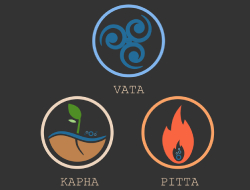
Redness, heat and burning are signs of aggravated Pitta and Rakta. Someone with a hot, red, burning joint therefore presents differently from someone with chronic stiffness, dryness and wandering pain, where Vāta predominates.
Ayurvedic practitioners consider:
- constitution (Prakṛti)
- current Doṣa imbalance
- digestive and metabolic strength (Agni)
- degree of Rakta involvement
- stage and severity
- diet and lifestyle
Ayurvedic Support
The aim isn’t just to lower a lab number. Classical care looks at Vāta, Rakta, Pitta, digestion, elimination, diet, lifestyle and joint health.
Diet and Lifestyle
Food recommendations are selected based on the individual’s digestive capacity and Dosha pattern rather than a universal prohibited-food list.
From the modern perspective, reducing excessive alcohol and sugar-sweetened beverages, maintaining an appropriate weight and following an overall healthy eating pattern can be beneficial for people with gout.
Adequate hydration may also help, particularly if kidney stones are a concern, unless fluid intake has been medically restricted.
Ayurvedic Herbs
Classical Ayurvedic treatment may employ herbs and formulations selected according to the presentation of Vatarakta. Rather than regarding a small number of herbs as universal “gout remedies”, treatment needs to reflect the individual pattern.
Herbs suitable for an acutely hot, burning Pitta-Rakta presentation, for example, may differ considerably from those chosen when Vāta, stiffness, digestive weakness or another imbalance predominates. Always check with your doctor first if you take medication or have kidney, liver or heart disease.
Yoga and movement
During an acute flare, rest the joint and don’t force it into postures. Once the pain and swelling settle, gentle movement, breathing and relaxation can support mobility and help manage stress. Stress-management practices may also be particularly useful where repeated psychological stress appears to accompany gout flares.
Bringing the Two Perspectives Together
Modern medicine explains gout primarily through urate metabolism, crystal deposition and inflammation.
Ayurveda approaches a similar clinical picture through the interaction of Vāta, Rakta, Pitta, Agni and the individual’s constitution and metabolic state.
These are different medical frameworks and should not be treated as scientifically identical.
However, the Ayurvedic perspective offers another way to examine the broader pattern surrounding gout—including digestion, metabolism, diet, stress, constitutional tendencies, and long-term joint health.
At Yatan Holistic Ayurvedic Centre in Sydney, we approach gout and Vatarakta individually rather than through a standardised herbal or dietary formula.
Recommendations are based on the person’s constitution, symptoms, digestion, metabolic health, diet, lifestyle, stress patterns and overall health.
If you experience recurrent joint pain, swelling or suspected gout, appropriate medical diagnosis remains important — particularly before beginning herbal treatment or making substantial changes to prescribed medication.
Disclaimer: This article is general education, not medical advice. A suddenly hot, red, severely painful joint needs prompt medical assessment, particularly with fever or feeling unwell. Don’t stop or change gout or uric-acid-lowering medication without speaking to your doctor.

*Discover holistic healing with a complimentary phone or video consultation from our expert Ayurvedic practitioner. Start your path to better health today!*
Related Posts