






Cellulite: Causes, Treatment Options & the Ayurvedic Perspective
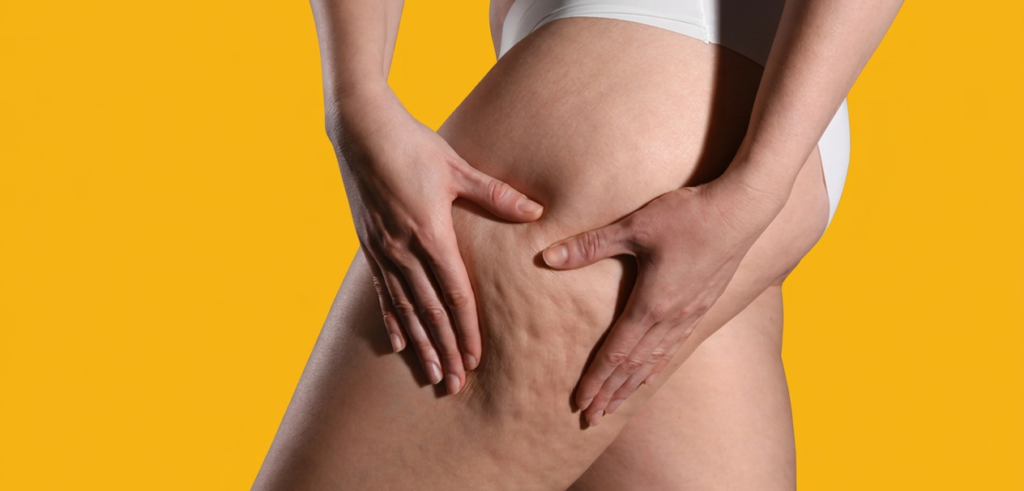
Cellulite is extremely common, particularly in women. It creates the familiar dimpled or uneven appearance, sometimes described as “orange-peel” skin, most commonly around the thighs, buttocks, and hips.
Although cellulite can be a cosmetic concern, it is important to understand that cellulite is not a disease and does not necessarily indicate that a person is overweight or unhealthy. People of many different body shapes and weights can develop it.
Ayurveda takes a broader view of skin and tissue characteristics, considering factors such as constitution, Meda Dhatu (fat tissue), Kapha and Vata, digestion, physical activity, and lifestyle to develop an individual treatment approach.
What Is Cellulite?
Cellulite describes a change in the skin’s surface appearance that creates dimpling, depressions, or an uneven texture.
Beneath the skin are layers of fat and fibrous connective tissue. Fibrous bands connect the skin with deeper tissues. The characteristic appearance of cellulite develops through the interaction between these connective tissue bands, the skin and the underlying fat.
This is why cellulite is not simply another name for excess body fat.
Someone who is relatively slim may have noticeable cellulite, while another person with a higher body weight may have relatively little. Losing weight may make cellulite less noticeable for some people, but it does not necessarily eliminate it.
What Causes Cellulite?
No single cause of cellulite exists. Its development and visibility can be influenced by several factors, including:
- genetics
- sex and hormonal influences
- the structure of connective tissue beneath the skin
- distribution of body fat
- skin thickness and elasticity
- age
- changes in body composition.
Cellulite is considerably more common in women than men. Differences in the way connective tissue and fat are arranged beneath the skin are thought to contribute to this difference.
As skin thins and loses elasticity with age, existing cellulite may become more noticeable.
Does Diet Cause Cellulite?
Diet alone does not cause cellulite, and no single food has been identified as its cause.
Nevertheless, a balanced diet and regular physical activity can support healthy body composition, skin health and general wellbeing. Where excess body fat contributes to the appearance of cellulite, gradual weight management may make it less noticeable for some people.
Extreme diets and so-called “cellulite detoxes” are unnecessary.
Ayurveda approaches diet differently by considering which foods suit the individual’s constitution, digestion, and current dosha pattern.
The Ayurvedic Perspective on Cellulite
Ayurveda does not describe cellulite in exactly the same anatomical terms as modern medicine.
From an Ayurvedic perspective, cellulite may be considered particularly in relation to Kapha and Meda Dhatu, the traditional Ayurvedic concept associated with fat or adipose tissue.
Kapha possesses qualities traditionally described as heavy, slow, stable and unctuous. Where these qualities predominate, an Ayurvedic practitioner may consider diet, physical activity, digestion and metabolism as part of the overall assessment.
Vata may also be relevant, particularly when considering changes in skin and connective tissue tone.
Rather than assuming that everyone with cellulite simply has “too much Kapha,” Ayurveda considers the individual’s constitution (Prakriti) and current dosha balance (Vikriti).
Agni, Kapha and Meda Dhatu
Another important Ayurvedic consideration is Agni, the traditional concept associated with digestive and metabolic function.
Ayurvedic assessment considers how effectively food is digested and how the body’s tissues are nourished. Meda Dhatu forms part of the traditional sequence of the seven Dhatus, or bodily tissues, described in Ayurveda.
Where Kapha and Meda characteristics are prominent, an Ayurvedic program may focus on supporting balanced digestion, appropriate nutrition and regular physical activity rather than simply attempting to “burn away” cellulite.
Ayurvedic Diet and Lifestyle for Cellulite
Where Kapha characteristics predominate, traditional Ayurvedic dietary advice may favour lighter, warming foods while reducing foods considered particularly heavy or difficult for that individual to digest.
Recommendations need to be personalised. A diet appropriate for someone with strong Kapha characteristics may not suit a predominantly Vata or Pitta constitution.
Traditional practice also encourages regular movement when Kapha predominates. Depending on age, fitness and health, this might include:
- walking
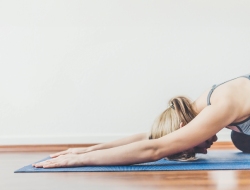
- yoga
- resistance or strength exercise
- other forms of regular physical activity.
Exercise can improve fitness, muscle tone, and body composition, although it should not be promoted as a guaranteed way to eliminate cellulite.
Ayurvedic Massage and Herbal Applications
Traditional Ayurvedic body therapies may also form part of an individual program.
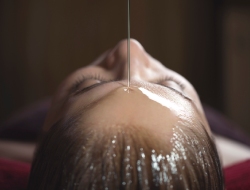
Depending on the person’s constitution and requirements, these may include massage techniques and externally applied herbal preparations traditionally selected according to the doshas involved.
These therapies may support relaxation, circulation, skin conditioning and general wellbeing. Changes in the visible appearance of cellulite vary considerably between individuals, however, and permanent removal should not be promised.
A Personal Experience From My Early Clinical Work
My interest in combining Ayurvedic approaches with other healthcare practices goes back many years.
In the early 1990s, I spent time in Saratov, Russia, where I was involved in work relating to yoga therapy and herbal medicine in collaboration with medical doctors. The aim was to find out how these therapies could complement mainstream cellulite treatment. One of these doctors had a female patient who was very anxious to have cellulite treatment but did not wish to pursue liposuction – the standard surgical procedure.
With the help of a nurse, the patient received daily treatment for a week – a combination of yoga therapy, Ayurvedic herbal pastes applied externally to stimulate lymphatic flow, and Ayurvedic herbal preparations to increase her digestive power and improve liver function. The patient was very pleased with the outcome, experiencing greater flexibility and visible improvements and a reduction in the appearance of the cellulite.
That experience contributed to my continuing interest in applying traditional Ayurvedic principles to body therapies. However, an individual historical experience should not be interpreted as evidence that the same treatment will produce the same result for everyone. Responses to body therapies vary, and modern treatment decisions should be based on the individual’s circumstances and expectations.
What Treatments Are Available for Cellulite?
Many treatments are marketed for cellulite, including creams, massage and mechanical treatments, energy-based procedures and medical cosmetic procedures.
Results vary considerably. Some approaches may temporarily improve the appearance of the skin, while certain medical cosmetic procedures may produce longer-lasting changes. No treatment should be assumed to permanently remove cellulite in everyone.
Liposuction is primarily a procedure for removing localised fat deposits and is not specifically a treatment for cellulite. In some circumstances, removing fat without addressing the underlying connective-tissue structure may not improve the dimpled appearance.
Anyone considering a cosmetic medical procedure should discuss its likely benefits, limitations and risks with an appropriately qualified healthcare professional.
Can Cellulite Be Completely Removed?
This is an important question because advertisements for cellulite products and treatments frequently use terms such as “remove,” “melt” or “get rid of cellulite.”
It is more realistic to talk about improving the appearance of cellulite rather than guaranteeing its elimination.
Cellulite relates to the structure of the skin, connective tissue, and underlying fat, so creams, diets, massage, or exercise cannot be expected to permanently remove it for everyone.
An Ayurvedic approach should similarly focus on realistic goals and the individual’s overall health and wellbeing rather than promising a particular cosmetic result.
Personalised Ayurvedic Support for Cellulite
At Yatan Holistic Ayurvedic Centre, we consider cellulite within the broader context of the individual’s constitution, body composition, digestion, diet, lifestyle, and dosha balance.
Raman Das may recommend a personalised combination of Ayurvedic diet and lifestyle advice, physical activity, traditional body therapies and individually selected herbal preparations where appropriate.
The aim is to provide an individual Ayurvedic approach while maintaining realistic expectations about what can be achieved with cellulite.
Call 1300 552 260 for a complimentary 10-minute introductory call, or book an Ayurvedic consultation at our Gordon, Sydney clinic.
*Discover holistic healing with a complimentary phone or video consultation from our expert Ayurvedic practitioner. Start your path to better health today!*
Related Posts