











Prostatitis, Enlarged Prostate & Prostate Health: An Ayurvedic Perspective
The prostate is a small gland below the bladder that surrounds the upper part of the urethra, the tube that carries urine out of the body.
Prostate problems become more common with age. But BPH, prostatitis and prostate cancer are three different conditions that can cause similar urinary symptoms. The right treatment depends on the cause, so understanding the difference matters.
Common Prostate Problems
Benign Prostatic Hyperplasia (BPH)
BPH is a non-cancerous enlargement of the prostate, increasingly common after 50. As the gland enlarges, it can press on the urethra and affect urine flow.
Typical symptoms:
- slow-starting, weak or interrupted stream
- frequent or urgent urination
- waking at night to urinate
- dribbling afterwards
- feeling the bladder hasn’t fully emptied
Symptom severity doesn’t always match prostate size. A modest enlargement can cause real trouble, while a large prostate may cause little.
Prostatitis
Prostatitis means inflammation of the prostate and can affect younger men too.
Bacterial prostatitis is caused by infection. It can come on suddenly or keep returning.
Chronic prostatitis / chronic pelvic pain syndrome causes ongoing pelvic discomfort even when no infection is found.
Typical symptoms:
- burning or painful urination
- frequent or urgent urination
- pain in the pelvis, groin or lower back
- pain in the perineum (between scrotum and anus)
- discomfort during or after ejaculation
Urinary symptoms with fever or chills need prompt medical assessment. Acute bacterial prostatitis may need antibiotics.
Prostate Cancer
Early prostate cancer often causes no symptoms. When symptoms do appear, they can look just like BPH.
So urinary changes should never be assumed to be “just an enlarged prostate”. Your GP may suggest a PSA blood test, an examination and, if needed, referral to a urologist.
The Ayurvedic View of Urinary Health
Classical Ayurveda doesn’t describe BPH or prostatitis in modern anatomical terms. It understands urinary problems through the function of the urinary system and the pattern of symptoms.
Mutravaha Srotas are the channels that form, carry and eliminate urine. Charaka places their roots in the Basti (bladder and pelvic region) and Vankshana (groin). Sushruta names Basti and Medhra (the external urinary and genital passage).
Apana Vata is the downward-moving Vata, seated in the lower pelvis (Ashtanga Hridaya). It governs urination, bowel movements and other forms of elimination. When its movement is disturbed, Ayurveda expects problems such as poor flow, incomplete emptying or pelvic discomfort.
The classical texts describe two broad groups of urinary disorders:
- Mutrakrichra: difficult or painful urination
- Mutraghata: obstructed or impaired passage of urine
Within Mutraghata, Sushruta describes Ashtheela, a hard, stone-like swelling in the bladder region that obstructs urine flow. Modern Ayurvedic authors often compare it with BPH.
These are not exact equivalents of modern diagnoses. They offer a framework for understanding each person’s pattern.
The Ayurvedic Approach to Prostate Health
Ayurvedic care is individual and doesn’t rest on the diagnosis of “enlarged prostate” alone. A practitioner will usually look at:
- urinary flow, frequency and urgency
- pelvic discomfort
- digestion and bowel habits
- fluid intake and sleep
- constitution (Prakriti) and current imbalance (Vikriti)
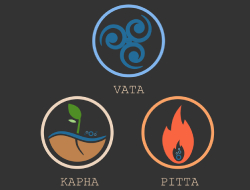
Vata, Pitta and Kapha
Because Apana Vata governs the pelvis, keeping it balanced is often central. Irregular meals, constipation, over-fasting, chronic stress, poor sleep and dry or highly processed food can aggravate Vata.
But not every case is a Vata problem:
- Burning or inflammatory symptoms suggest more Pitta.
- Heaviness, sluggishness or congestion suggest more Kapha.
Treatment may combine diet, lifestyle changes and individually chosen herbal preparations. Some herbs, such as Gokshura and Varuna, are traditionally used for urinary conditions, but the choice depends on the person.
Diet and Lifestyle
There is no single “prostate diet”. The aim is to support digestion, regular bowels, good hydration and a healthy weight.
Helpful general habits:
- plenty of vegetables and whole foods
- regular bowel movements
- steady fluid intake through the day
- a healthy body weight
- regular physical activity
- less alcohol, and avoiding foods that clearly worsen your symptoms
If night-time urination is a problem, try cutting back on fluids close to bedtime.
When to See Your Doctor
Urinary symptoms deserve medical investigation. Don’t dismiss them as part of ageing.
Seek prompt medical attention for:
- inability to pass urine
- fever or chills with painful urination
- blood in the urine
- severe pelvic or lower abdominal pain
- rapidly worsening symptoms
If you have been diagnosed with prostate cancer, Ayurveda should be complementary only, alongside your GP, urologist or oncology team and never in place of recommended treatment.
If you take prostate medication, tell both your doctor and your Ayurvedic practitioner about everything you are using, including herbs.
An Individual Approach
Two men with similar symptoms can have very different causes and constitutions.
At Yatan Ayurveda, care is based on an individual assessment of urinary function, digestion, lifestyle, constitution and overall health, rather than treating the prostate in isolation.
If you have persistent urinary or prostate symptoms, get a medical assessment first. Ayurvedic care can then be considered as part of a broader, individualised approach to supporting urinary and general wellbeing.
*Discover holistic healing with a complimentary phone or video consultation from our expert Ayurvedic practitioner. Start your path to better health today!*
Related Posts