










Shatavari: Ayurvedic Benefits for Women’s Health, Skin & Rejuvenation
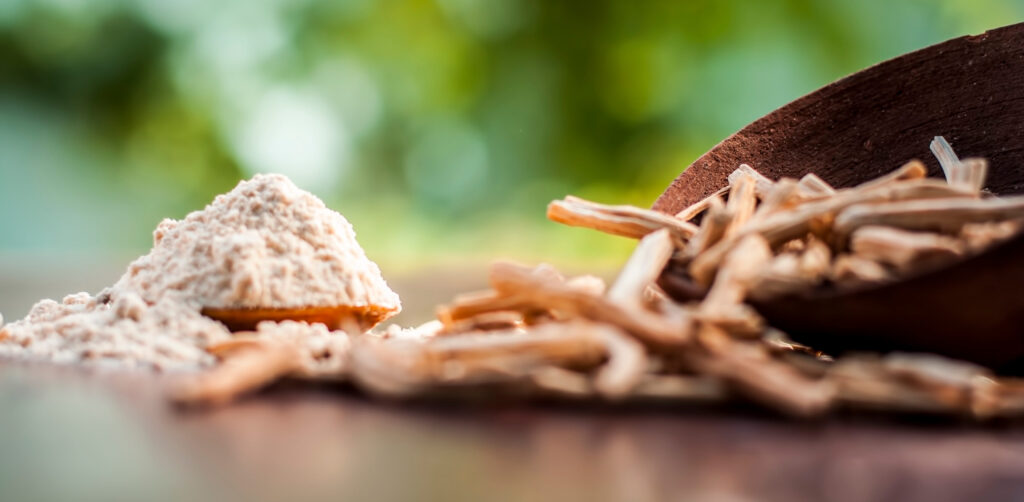
Shatavari (Asparagus racemosus), also known as wild asparagus, is one of the most highly regarded herbs in traditional Ayurvedic medicine. For centuries, it has been valued for its nourishing, cooling, and rejuvenating qualities, particularly in supporting women’s health across different life stages.
In Ayurveda, Shatavari is considered a Rasayana herb — a traditional class of botanical preparations associated with healthy ageing, vitality and the nourishment of bodily tissues. Its uses extend beyond women’s reproductive wellbeing to include digestive comfort, tissue nourishment and skin care.
Today, Shatavari remains an important ingredient in Ayurvedic herbal preparations and massage oils, especially those intended for dry, delicate or mature skin.
What Makes Shatavari Special?
Shatavari belongs to the asparagus family, although it differs from the common asparagus eaten as a vegetable. Its medicinal properties are traditionally associated with its tuberous roots.
According to Ayurvedic principles, Shatavari has a predominantly sweet and bitter taste, a cooling energetic quality and a nourishing, unctuous nature.
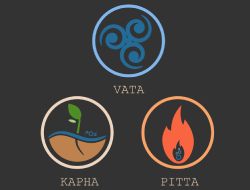
These characteristics make it particularly valued for balancing Vata and Pitta doshas.
- Vata: Shatavari’s nourishing, lubricating qualities are traditionally used to counter dryness, roughness, and depletion.
- Pitta: Its cooling nature is valued where excessive heat, sensitivity or irritation is present.
- Kapha: Because Shatavari is considered heavy and nourishing, its use may require greater care where Kapha is already excessive.
The herb contains several naturally occurring plant compounds, including steroidal saponins known as shatavarins, polysaccharides, flavonoids and mucilage.
These constituents have attracted scientific interest for their potential biological effects, although many of Shatavari’s traditional benefits still require further clinical investigation.
Shatavari and Women’s Health
In classical Ayurveda, Shatavari is particularly associated with Stree Roga, the branch concerned with women’s reproductive health.
It has traditionally been used to support female wellbeing during menstruation, the reproductive years, the transition through menopause and later life.
Hormonal Changes and Menopause
As women approach menopause, declining oestrogen levels can contribute to changes in skin moisture, vaginal tissue, sleep, temperature regulation and emotional wellbeing.
Ayurveda has long valued Shatavari during this transition for its traditional nourishing and cooling qualities.
Some of its natural constituents have demonstrated oestrogen-like activity in laboratory research. Emerging human studies have also investigated Shatavari root extracts for menopausal symptoms, including hot flushes, sleep disturbances and mood changes.
Reproductive Wellbeing
Traditionally, Shatavari has also been included in Ayurvedic formulations intended to support menstrual and reproductive wellbeing.
Its nourishing properties are associated with Shukra Dhatu and Artava, traditional concepts relating to reproductive tissue and female reproductive function.
Shatavari has also historically been used to support lactation following childbirth; however, professional guidance is important during pregnancy and breastfeeding.
These traditional internal uses are distinct from the external application of Shatavari-infused massage oils.
Shatavari for Dry Skin and Facial Rejuvenation
One valued application of Shatavari in Ayurvedic skincare is its traditional use in preparations meant to nourish dry, ageing skin.
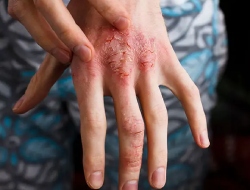
Skin naturally changes as we grow older. Sebum production may decline, while changes in collagen and elastin affect firmness and elasticity. Hormonal changes around menopause can make the skin feel drier, thinner and more sensitive.
In Ayurvedic terms, these changes are commonly associated with an increase in Vata dosha, which becomes more prominent during later life.
Shatavari’s traditional nourishing and lubricating qualities make it a suitable ingredient in oils for Vata-related dryness.
When incorporated into a suitable carrier oil, Shatavari-infused preparations may help:
- Soften rough, dry or flaky skin.
- Reduce moisture loss by supporting the skin’s protective barrier.
- Improve the feeling of suppleness and comfort.
- Soften the appearance of fine lines associated with dryness.
- Provide lubrication for gentle facial and body massage.
The Ayurvedic Tradition of Oil Massage
In Ayurveda, regular oil massage, known as Abhyanga, is an important part of traditional daily self-care.
Oil selection depends on the individual’s constitution, skin condition, and the doshas involved.
For people experiencing Vata-related dryness, warm oil massage is traditionally recommended to encourage softness, comfort and relaxation.
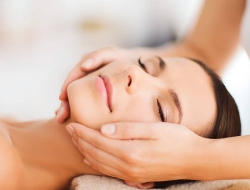
Facial massage may be especially beneficial as part of a gentle skincare routine. Applying oil to slightly damp skin can help retain moisture, while the massage itself provides a calming experience.
The aim isn’t simply to improve appearance, but to make skincare part of a broader routine that supports physical and emotional wellbeing.
YATAN Shatavari Face & Body Oil
At Yatan Holistic Ayurvedic Centre, we offer a traditionally inspired Shatavari Face & Body Oil, formulated with Shatavari and a blend of other Ayurvedic botanicals in a base of black sesame oil.

Black sesame oil is valued in Ayurveda for its rich, nourishing and lubricating qualities. It provides an emollient base that helps soften the skin and reduce the uncomfortable feeling of dryness.
Our formulation combines Shatavari with other traditional ingredients, including Ashwagandha, sandalwood, licorice and selected Ayurvedic herbs.
This oil is especially suited to those seeking extra nourishment for dry or mature skin, including women experiencing changes in skin texture during perimenopause and menopause.
Incorporate it into a regular facial or body massage routine to help maintain softness, smoothness, and skin comfort.
Explore YATAN Shatavari Face & Body Oil
How to Use Shatavari Oil for Face and Body Massage
For facial care, apply a few drops of oil to clean, slightly damp skin. Using gentle upward and outward movements, massage across the cheeks, forehead, jawline and neck, avoiding the eyes.
For body care, apply the oil after bathing or showering while the skin retains some moisture. Massage gently into areas prone to dryness, particularly the arms, legs and décolletage.
The oil may also be used as part of a traditional Abhyanga routine before bathing.
Always perform a patch test before first use, particularly if your skin is sensitive or prone to reactions. Avoid applying oil to broken or infected skin, and discontinue use if irritation develops.
YATAN Shatavari Face & Body Oil is intended for external use only. Anyone who is pregnant, breastfeeding or managing a hormone-sensitive condition should seek appropriate professional advice before using herbal preparations.
Supporting Skin Health from Within
Although topical oils can help maintain moisture and improve skin comfort, Ayurveda also emphasises internal nourishment.
Balanced nutrition, adequate protein and essential fatty acids, regular sleep, hydration, and appropriate stress management all support skin health.
For women experiencing changes around menopause, an individualised Ayurvedic consultation may also consider digestion, dietary habits, lifestyle and general wellbeing.
Shatavari represents Ayurveda’s traditional emphasis on nourishment and rejuvenation, particularly during the changing stages of a woman’s life. Combined with appropriate skincare and healthy daily routines, Shatavari-infused oil offers a gentle way to bring this tradition into everyday self-care.
At Yatan Holistic Ayurvedic Centre, we consider each person’s unique constitution and health needs, providing personalised Ayurvedic guidance alongside traditional skin and body care practices.

*Discover holistic healing with a complimentary phone or video consultation from our expert Ayurvedic practitioner. Start your path to better health today!*
Related Posts