










PCOS: Symptoms, Causes, Insulin Resistance and an Ayurvedic Perspective
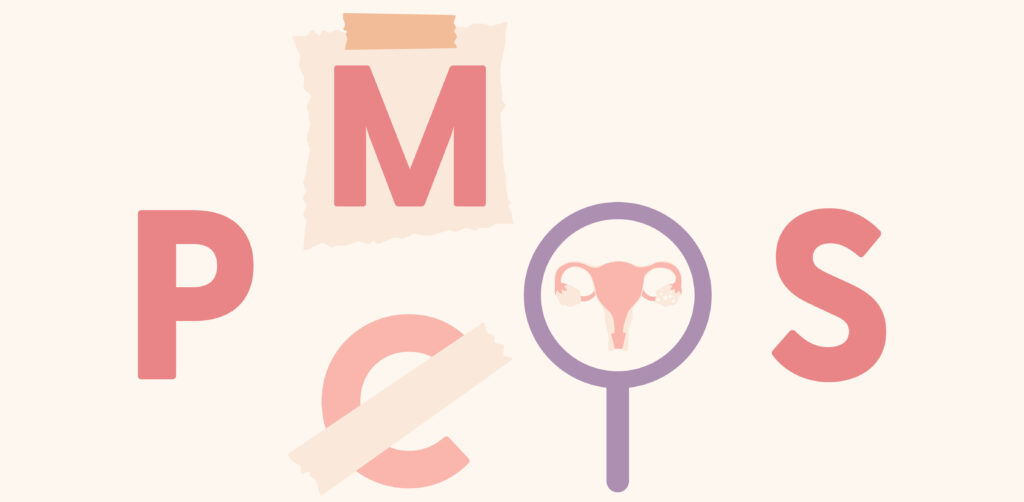
Polycystic ovary syndrome (PCOS) was renamed Polyendocrine Metabolic Ovarian Syndrome (PMOS) in 2026, reflecting what specialists have long understood: this is a whole-body hormonal and metabolic condition, not simply an ovarian one. Polycystic-appearing ovaries aren’t even required for diagnosis.
PMOS affects menstrual cycles, ovulation, fertility, androgen levels and metabolic health — and in many women, insulin resistance sits at the centre of how these features connect.
What is PMOS?
PMOS involves interacting reproductive hormones, androgen activity and metabolism. Genetics influence susceptibility; lifestyle, body composition, sleep and activity levels shape how it presents.
Common features include:
- Irregular, infrequent or absent periods
- Difficulty ovulating or conceiving
- Increased facial or body hair (hirsutism), acne or oily skin, thinning scalp hair
- Higher levels or effects of androgens such as testosterone
- Weight gain or difficulty managing weight
- Insulin resistance and other metabolic abnormalities
- Polycystic-appearing ovaries (in some, not all, women)
No woman needs every feature, and PMOS occurs across all body sizes.
Insulin resistance: the metabolic core of PMOS
Insulin helps glucose move from the bloodstream into cells. When tissues become less responsive to it — insulin resistance — the pancreas compensates by producing more. This means blood glucose and HbA1c can look normal for years while insulin levels are already elevated (compensatory hyperinsulinaemia).
In PMOS, that excess insulin does two things: it stimulates the ovaries to produce more androgens, and it lowers sex hormone-binding globulin (SHBG), which increases how much of that androgen is biologically active. The result is a reinforcing loop:
Lower insulin sensitivity → higher insulin → more androgen activity → irregular ovulation, acne, hirsutism
What drives insulin resistance? It’s a mix of genetics and lifestyle — excess visceral fat, inactivity, poor sleep and diets high in refined carbohydrates and ultra-processed foods all contribute in susceptible individuals. Nutritious carbohydrate foods (vegetables, legumes, fruit, whole grains) are not the problem here; overall dietary pattern and activity level matter more than any single food group.
Weight is a two-way street, not a cause. Increased abdominal fat can worsen insulin resistance, and androgen excess/metabolic dysfunction can in turn favour abdominal fat gain — but PMOS occurs in women of any body size, and it shouldn’t be framed as a condition of being overweight.
Fatty liver (MASLD) is increasingly recognised alongside PMOS. Insulin resistance affects how the liver handles glucose and fat, and women with PMOS have a higher prevalence of fatty liver. The two conditions share risk factors (insulin resistance, abdominal fat, lipid abnormalities) rather than one simply causing the other. Where metabolic risk factors are present, checking liver health alongside glucose and lipids is worthwhile.
How is PMOS diagnosed?
There’s no single test. In adults, diagnosis generally requires at least two of:
- Irregular or absent ovulation (often reflected by irregular periods)
- Clinical or biochemical signs of excess androgen activity (hirsutism, elevated testosterone)
- Polycystic ovarian morphology on ultrasound
If irregular cycles and hyperandrogenism are both already present, ultrasound isn’t always necessary. Blood tests may check androgens and rule out other causes; metabolic assessment may include glucose, HbA1c, an OGTT, or cholesterol/triglycerides. Fasting insulin isn’t used as a routine diagnostic test — its accuracy is limited — so metabolic health is judged from the overall clinical picture instead.
An Ayurvedic perspective
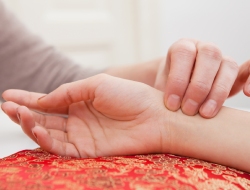
Classical Ayurveda doesn’t describe PMOS as a single named condition, but women’s reproductive health has long been addressed through Stri Roga (women’s health), Artava (menstrual/reproductive function) and Artavavaha Srotas (the channels traditionally linked to reproductive function).
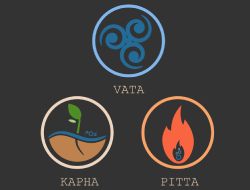
A woman with PMOS may show different combinations of Vata, Pitta and Kapha — it isn’t simply “a Kapha disorder.” Kapha patterns may relate to heaviness or metabolic congestion; Vata to irregular ovulation and menstruation; Pitta according to individual presentation. Assessment also considers Agni (digestive/metabolic fire) and Medas (adipose tissue metabolism) — concepts that complement, but aren’t equivalent to, insulin resistance or hyperandrogenism.
How Ayurveda may support women with PMOS
Care is individualised to constitution, menstrual pattern, metabolic health, digestion, lifestyle and reproductive goals — not applied uniformly to every PMOS diagnosis. This may include:
- Personalised dietary guidance and support for healthy weight management where appropriate
- Regular physical activity, and individualised yoga or breathing practices
- Healthy sleep and daily routines, and stress-management practices
- Support for digestive and metabolic wellbeing
- Individually selected herbs or preparations, chosen for the person — not prescribed as a blanket “PMOS treatment”
Where insulin resistance or other metabolic risk factors are present, diet and exercise matter most: activity improves insulin sensitivity directly, and dietary pattern supports glucose regulation, body composition and cardiovascular health.
Fertility
PMOS is a common cause of ovulatory infertility, but it doesn’t mean a woman can’t conceive — lifestyle changes, medical fertility treatment and other interventions help many women with PMOS become pregnant. Anyone planning pregnancy should discuss reproductive and metabolic health with their GP or a fertility specialist.
Why ongoing monitoring matters
PMOS has implications beyond periods and fertility. Depending on individual risk, ongoing care may involve monitoring blood glucose, cholesterol/triglycerides, blood pressure, weight and body composition, menstrual regularity, and mental/emotional wellbeing. Women with prolonged absence of periods should seek medical advice, since infrequent shedding of the uterine lining raises the risk of endometrial hyperplasia.
An integrated approach
PMOS is complex, and no single approach fits every woman. Modern medical care establishes diagnosis and manages hormonal, metabolic and fertility risk; Ayurvedic care can complement this by addressing diet, lifestyle, constitution and stress alongside it.
At Yatan Holistic Ayurvedic Centre, we build care around the individual, not the diagnosis. Contact us to discuss whether complementary Ayurvedic support is right for you.

*Discover holistic healing with a complimentary phone or video consultation from our expert Ayurvedic practitioner. Start your path to better health today!*
Related Posts