






















Bloating, Indigestion and Digestive Problems: An Ayurvedic Perspective

Indigestion, medically known as dyspepsia, describes discomfort after eating, such as upper abdominal pain, fullness, bloating, belching, or nausea. Heartburn and acid reflux can occur alongside it, but they are not the same condition.
Ayurveda, India’s traditional medicine, places digestion at the centre of health. In Ayurvedic terms, the saying “we are what we eat” becomes “we are what we can digest and absorb.” This article explains how Ayurveda understands bloating and indigestion, what its classical texts say, and when to seek medical advice.
How does digestion work, and why do symptoms arise?
Digestion begins in the mouth and continues in the stomach. It is largely completed in the small intestine, where most nutrients are absorbed. The large intestine then absorbs water and electrolytes, while the gut microbiome ferments certain fibres and produces substances that support the colon lining. Coordinated muscular contractions, called peristalsis, move food along the way.
Because so many organs and processes are involved, symptoms have many possible causes. Common contributors include eating quickly, large meals, constipation, food intolerances, changes in the gut microbiome, altered gut motility and conditions such as irritable bowel syndrome (IBS). Persistent symptoms should not automatically be put down to “poor digestion.”
Agni – The Ayurvedic Understanding of Digestion
One central concept in Ayurveda is Agni, usually translated as “digestive fire”. Agni is the capacity to digest, absorb and transform what we take in.
The Charaka Samhita describes strength, health, complexion, vitality and long life as depending on Agni. When Agni is lost, life is lost, and when it is disturbed, disease follows.
What are the four types of Agni?
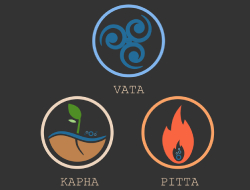
Classical texts such as the Ashtanga Hridaya describe four states of Agni. Each is linked to a dosha, the Ayurvedic term for a fundamental functional tendency in the body:
Sama (balanced fire):
- Ideal, balanced, and predictable metabolism.
- Digested food is assimilated perfectly and at the proper time. Promotes excellent health, clarity, regular elimination, strong immunity, and robust energy.
Vishama (irregular fire, Vata-related):
- Highly irregular, fluctuating, and unpredictable.
- Appetite and digestion alternate without warning (ravenous one day, completely absent the next). Commonly causes abdominal distension, gas, bloating, constipation, and anxiety.
Tikshna (sharp fire, Pitta-related):
- Hyper-metabolism; intense, rapid burning of food.
- Large quantities of food are digested instantly regardless of type. When food runs out, it burns the body’s own tissues, leading to severe hyperacidity, burning sensations in the throat/stomach, inflammation, and irritability if meals are delayed.
Manda (sluggish fire, Kapha-related):
- Hypo-metabolism; dull, slow, and weak transformation.
- The system struggles to digest even small, appropriate quantities of food. It results in a heavy stomach after eating, low appetite, excessive salivation, lethargy, weight gain, and the rapid formation of metabolic toxins (Ama).
These are traditional interpretations. They are considered alongside a person’s constitution, symptoms, diet and lifestyle, and people can show features of more than one pattern.
Why does balanced Agni matter?
In classical Ayurveda, Sama Agni (balanced Agni) is the healthy baseline. The other three states, Vishama, Tikshna and Manda, are described as vikrita, or disturbed, and are understood by comparison with it. Balanced digestion is described as the ability to digest a properly taken meal, in suitable quantity and at the right time, without discomfort or delay.
Ayurveda give balanced digestion several roles:
- Resilience: Strong, steady digestion is considered a sign that the body can cope with everyday stresses. Disturbed Agni is seen as the starting point for many health problems, which is why classical assessment begins with it.
- Nourishment: Complete digestion is said to produce well-formed rasa, the first tissue, which in turn nourishes the other tissues (dhatus) and ultimately ojas, the essence of vitality. Incomplete digestion produces Ama instead.
- Tolerance: Practitioners assess Agni bala, or digestive strength, to decide meal size, herbal dosage and whether more intensive therapies are suitable.
- Direction of care: Much of Ayurvedic digestive care aims to bring Agni back towards balance, which is why people with the same symptom may receive different advice.
Practitioners often look for simple signs that digestion is settling: a regular appetite, comfortable digestion, a light feeling after meals, a clear tongue and regular elimination.
Balanced Agni is best seen as an ideal rather than a permanent state. Digestion shifts with season, age, time of day, diet and emotional state.
What Is Ama?
Ama is the Ayurvedic term for food or digestive products that have not been fully processed because Agni is weak. Classical signs include heaviness, tiredness, reduced appetite, a coated tongue and sticky or irregular stools.
Practitioners use these signs, together with your history, to judge whether your digestion is sluggish, irregular or overactive. This shapes the diet, lifestyle and herbal recommendations chosen for you.
How does Ayurveda describe indigestion?
Classical texts such as the Madhava Nidana describe Ajirna, or indigestion, in several forms:
- Amajirna (Kapha-type): nausea, heaviness and belching of the food just eaten.
- Vidagdhajirna (Pitta-type): sour belching, burning and thirst.
- Vishtabdhajirna (Vata-type): pain, distension and obstruction of wind and stool.
- Rasasheshajirna: lingering heaviness and an aversion to food.
Bloating itself is described as Adhmana, or distension. This is why two people with “bloating” may receive quite different advice. The pattern behind the symptom matters as much as the symptom.
Eating well: classical guidance
The Charaka Samhita offers simple guidance that closely matches modern advice on mindful eating:
- Eat warm, freshly prepared food.
- Eat in suitable quantity, leaving part of the stomach empty.
- Eat only when the previous meal has been digested.
- Eat neither too quickly nor too slowly, without distraction and with attention.
The same text lists eight factors that determine how suitable a meal is, including the nature of the food, how it is prepared and combined, the quantity, the place and time, and the person eating it. This is why no single Ayurvedic diet suits everyone. Advice is adjusted to your constitution, digestive pattern and symptoms, and may involve changes to meal size, timing, food combinations or preparation methods.
What does an Ayurvedic consultation involve?
An Ayurvedic practitioner will usually ask about:
- Appetite and digestion: to see whether your Agni is irregular, sharp or sluggish.
- Bloating, gas and discomfort: to understand when and where symptoms occur.
- Bowel habits and stool characteristics: to identify signs of Ama or irregular elimination.
- Foods that help or aggravate symptoms: to guide dietary adjustments.
- Meal timing and eating habits: to identify patterns that may strain digestion.
- Sleep, stress and lifestyle: because these influence digestion in both Ayurvedic and modern understanding.
Classical assessment may also include observing the tongue and other physical features. These methods complement, rather than replace, conventional medical diagnosis and investigations when needed.
When should I see a doctor?
Occasional bloating or indigestion is common. However, persistent, worsening or unexplained digestive symptoms should be medically assessed.
See your GP promptly if symptoms come with unexplained weight loss, persistent vomiting, difficulty swallowing, blood in the stool, black stools, significant or persistent abdominal pain, anaemia, fever, or a substantial change in bowel habits. Also seek advice if symptoms are new and begin after age 50, wake you at night, or occur with persistent heartburn or a family history of bowel or stomach cancer.
Frequently asked questions
What is Agni in Ayurveda?
Agni is the digestive fire, the body’s capacity to digest, absorb and transform food. Classical texts regard it as the foundation of health.
What does balanced digestion mean in Ayurveda?
In Ayurveda, balanced digestion is called Sama Agni. It describes comfortable digestion, a regular appetite, a light feeling after meals and healthy elimination. Classical texts treat it as the healthy baseline against which other digestive patterns are understood, though it is a traditional concept rather than a medical diagnosis.
Can Ayurveda help with bloating?
Ayurvedic care looks at your individual digestive pattern and may suggest dietary and lifestyle changes, and herbal preparations where appropriate. It is best used alongside appropriate medical assessment, particularly if symptoms are persistent.
Is Ayurvedic herbal medicine safe with my medications?
Herbs can interact with medicines and may not suit everyone. Tell your practitioner and your GP about all medications and supplements, and whether you are pregnant or breastfeeding, before starting any herbal preparation.
Personalised Ayurvedic support for digestive health
At Yatan Holistic Ayurvedic Centre, we assess digestive concerns based on your symptoms, constitution, diet, lifestyle, and digestive pattern. Recommendations may include personalised dietary and lifestyle advice and, where appropriate, individually selected herbal preparations. Ayurvedic care can sit alongside medical investigation and treatment where needed.
Call 1300 552 260 for a complimentary 10-minute introductory call, or book a consultation with Raman Das at our Gordon, Sydney clinic or by telehealth.

*Discover holistic healing with a complimentary phone or video consultation from our expert Ayurvedic practitioner. Start your path to better health today!*
Related Posts