


















Constipation: Causes, Symptoms & Ayurvedic Treatment

Constipation is one of the most common digestive complaints, but it does not simply mean failing to have a bowel movement every day.
Some people naturally open their bowels several times a day, while others may go less frequently. Constipation is more often recognised by hard or dry stools, straining, difficulty passing stool, a feeling of incomplete emptying, or bowel movements occurring less frequently than usual.
When constipation becomes persistent, Ayurveda looks beyond simply moving the bowels. The aim is to understand why normal elimination has become disturbed and to restore healthier digestive and bowel function.
What Causes Constipation?
Constipation can occur at any age and often has multiple contributing factors.
Common causes include:
- Too little dietary fibre
- Inadequate fluid intake
- Lack of physical activity
- Changes in routine or travel
- Frequently ignoring the urge to open the bowels
- Stress and anxiety
- Pregnancy and hormonal changes
- Certain medications, including some pain medicines and iron supplements
- Medical conditions such as hypothyroidism, diabetes or pelvic-floor dysfunction
Constipation may also become more common with age.
The longer stool remains in the colon, the more water can be absorbed from it. This can make the stool progressively harder and more difficult to pass.
Repeated straining may contribute to problems such as haemorrhoids or anal fissures, while severe longstanding constipation can occasionally lead to faecal impaction.
The Ayurvedic View: Vibandha and Apana Vata
Ayurveda places particular importance on regular elimination because digestion does not end when food leaves the stomach.
The digestive process continues throughout the gastrointestinal tract, ultimately separating nutrients from material that must be eliminated from the body.
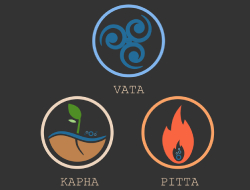
Ayurveda commonly describes constipation as Vibandha, meaning obstruction or difficulty passing stool, and as a disturbance of Vata Dosha.
Apana Vata and Bowel Movement
Apana Vata is particularly important; it is one of the five functional divisions of Vata.
Classical Ayurvedic texts describe Apana Vata as operating predominantly in the lower abdomen and pelvic region. Its important functions include the downward movement and elimination of stool, urine, and reproductive fluids.
The colon, or Pakvashaya, is also described as a principal location of Vata.
When Apana Vata functions normally, elimination occurs naturally and without excessive effort. When it becomes disturbed, bowel movements may become irregular, dry or difficult. Vata is naturally dry, cool and mobile. Too much of it dries out the bowel and makes movement erratic.
This helps explain why constipation is particularly common when someone is:
- Eating predominantly dry foods
- Skipping meals
- Travelling frequently
- Under prolonged stress
- Sleeping irregularly
- Drinking too little fluid
- Ignoring the natural urge to defecate
The Danger of Holding On
The classics warn strongly against suppressing natural urges (Vega Dharana), including the urge to pass stool. The Charaka Samhita lists this among the habits that disturb health. Ayurveda describes Udavarta, an upward or reversed movement of Vata, as a typical result of suppressed urges. It is marked by bloating, gas, abdominal discomfort and difficulty passing stool.
Agni: Digestion Matters Too
Constipation isn’t always a fibre problem. Ayurveda also asks how strong Agni, the digestive and metabolic fire, is. Vagbhata’s Ashtanga Hridaya emphasises that weak digestion lies behind many disorders. Poor Agni can bring bloating, heaviness, gas, poor appetite and irregular bowels.
Incompletely processed material is called Ama. This is a traditional concept and should not be confused with the modern idea of “toxins.”
Good treatment therefore considers both how the bowel moves and how well the person digests.
Why More Fibre Isn’t Always the Answer
Many people do need more vegetables, fruit, legumes, whole grains, nuts and seeds. But piling on dry bran or raw salads can worsen bloating in someone with dry, Vata-type constipation.
Ayurveda considers the form of food as well as the amount. Warm, cooked, moist foods are often better tolerated:
- Soups and stews
- Cooked vegetables
- Stewed fruit
- Well-cooked whole grains with a little healthy fat
Increase fibre gradually, especially if you already have gas or bloating.
Everyday Habits That Help
Drink enough. Needs vary with climate, activity and diet. Aim for comfortable, soft stools rather than a fixed number of glasses.
Add moisture and oil. Ayurveda uses Sneha (unctuousness) to counter Vata’s dryness. Moist foods and suitable oils in the diet may help, depending on the person.
Go when you feel the urge. Delaying weakens the normal defecation reflex. Establishing enough time for an unhurried bowel movement—often after waking or breakfast—can help develop a more regular rhythm.
Keep moving. Regular walking supports gut movement and general metabolic health.
Keep a routine. Regular meals and sleep calm Vata and help the bowel settle into a pattern.
Ayurvedic Treatment for Constipation
No single remedy suits everyone. A practitioner considers:
- Your constitution (Prakriti) and the doshas involved
- Whether stool is dry, hard, sticky or incomplete
- Digestive strength
- Diet, hydration, stress and sleep
- Medications, age and general health
For dry, hard, Vata-type constipation, treatment generally emphasises warmth, moisture and unctuous (Snigdha) qualities, while supporting Apana Vata’s natural downward movement. Herbs and formulations are chosen to suit your digestive pattern rather than used simply as strong laxatives.
Some people may be offered Basti, a medicated enema therapy. Classical authors, including Charaka, give it a central place in treating Vata disorders, and some regard it as half of all treatment. A qualified practitioner should prescribe and administer it, not use it as a home remedy.
Herbal products can interact with medicines and are not always suitable in pregnancy, so tell your practitioner and GP about everything you take.
Do You Need Laxatives?
Occasional constipation often settles with diet, fluids, movement and better bowel habits. Laxatives, herbal or pharmaceutical, have a legitimate place, and they work in different ways: some soften stool, some draw water into the bowel, and some stimulate movement.
Repeated self-treatment without knowing the cause isn’t a good long-term plan.
When to See Your GP
Seek medical advice if constipation is persistent, begins suddenly or changes without explanation, or comes with:
- Blood in the stool or rectal bleeding
- Unexplained weight loss
- Persistent or severe abdominal pain
- Vomiting or fever
- Inability to pass gas
- A major unexplained change in bowel habits, especially new constipation after age 50
These need investigation, not home treatment.
Restoring Healthy Elimination
In Ayurveda, healthy bowel function depends on good Agni, enough hydration and lubrication, suitable food, and the free downward movement of Apana Vata. For many people, correcting everyday habits brings real improvement. If constipation is chronic or keeps returning, a personalised assessment can uncover why elimination isn’t happening normally.
At Yatan Holistic Ayurvedic Centre, we tailor treatment to your digestion, constitution, diet, lifestyle, and the specific pattern of your constipation, rather than relying on one remedy for everyone.

*Discover holistic healing with a complimentary phone or video consultation from our expert Ayurvedic practitioner. Start your path to better health today!*
Related Posts