













Breast Pain & Tenderness: Causes and the Ayurvedic Perspective
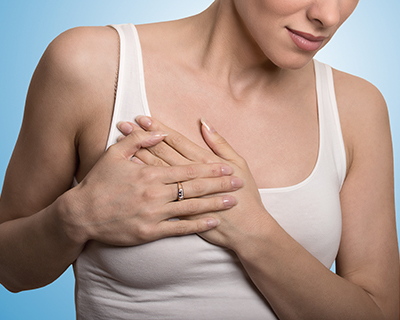
Breast tenderness or breast pain is common and can occur at different stages of life. It may feel like soreness, aching, heaviness, swelling or increased sensitivity, and can affect one or both breasts.
For many women, breast tenderness follows a hormonal pattern and is particularly noticeable in the days leading up to a period. This is known as cyclical breast pain. Although breast pain by itself is not usually a sign of breast cancer, persistent or unexplained pain or other breast changes should always be medically assessed.
What Causes Breast Pain and Tenderness?
Hormonal changes are one of the most common reasons for breast tenderness. Breast tissue responds to hormone fluctuations, particularly during reproductive life.
Breast tenderness may occur:
- during puberty
- before or during menstruation
- during pregnancy, particularly in the early stages
- after childbirth and during breastfeeding
- during perimenopause, when hormone levels can fluctuate.
Breast pain can also be non-cyclical, meaning that it is not related to the menstrual cycle. Possible causes include breast cysts, certain medicines, injury, infection or inflammation. Sometimes pain that feels as though it is coming from the breast actually originates from the muscles, ribs or other structures of the chest wall.
Breast Tenderness Before Your Period
Breast tenderness before a period is particularly common. Hormonal fluctuations during the menstrual cycle can affect breast tissue, causing feelings of fullness, swelling, heaviness, or soreness.
This type of breast discomfort commonly affects both breasts and may be more noticeable in the upper and outer areas. Symptoms usually improve during or shortly after the menstrual period begins.
Keeping track of when breast pain occurs can be useful in determining whether it follows a regular menstrual pattern.
Breast Tenderness During Perimenopause and Menopause
Breast tenderness can occur during perimenopause because levels of oestrogen and progesterone may fluctuate considerably during this transition.
Once menopause is established and hormone levels become more stable, cyclical breast tenderness often becomes less common. However, new or persistent breast pain after menopause should not simply be attributed to hormonal changes and should be discussed with a doctor.
Read more about menopause – Understanding menopause and hormones in women
The Ayurvedic Perspective on Breast Tenderness
From an Ayurvedic perspective, breast tenderness may involve different doshas depending on the nature of the symptoms.
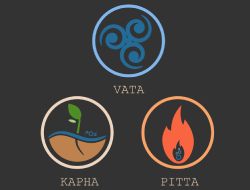
Kapha may be considered where the breasts feel heavy, swollen, congested or full. Pitta may be more prominent when there is heat, inflammation, redness or increased sensitivity. Vata may be considered where pain is variable, sharp or associated with dryness.
Ayurveda also considers the woman’s menstrual pattern, digestion (Agni), diet, bowel habits, stress, sleep and individual constitution when assessing recurring breast discomfort.
This broader assessment helps determine which doshas appear to be involved, rather than assuming all breast tenderness shares the same underlying Ayurvedic pattern.
Diet and Lifestyle
Ayurvedic dietary recommendations are personalised to the individual’s constitution and symptoms.
When Kapha characteristics such as heaviness or congestion predominate, Ayurveda may recommend lighter meals and foods traditionally considered balancing for Kapha. Where Pitta symptoms such as heat or sensitivity are more apparent, dietary recommendations may instead focus on reducing foods and habits considered particularly heating or aggravating.
Regular physical activity, adequate sleep and stress management may also form part of a broader wellbeing program.
Rather than automatically eliminating foods such as dairy or animal products, dietary changes should be based on the individual’s symptoms, nutritional requirements and overall health.
Read more about Ayurveda and Diet – Ayurveda’s concept of the ideal diet
Ayurvedic Support for Breast Tenderness
Ayurvedic care is personalised according to the timing and nature of the breast discomfort, the menstrual or hormonal pattern where relevant, and the individual’s constitution.
Depending on the assessment, recommendations may include:
- personalised dietary and lifestyle changes
- individually selected Ayurvedic herbal preparations
- support for healthy digestion and regular bowel function
- appropriate yoga, relaxation or breathing practices
- traditional Ayurvedic massage or other therapies where suitable.
These approaches are intended to support general wellbeing and complement appropriate medical care, not replace investigation of unexplained breast symptoms.
When Should Breast Pain Be Checked?
Although breast pain alone is not usually associated with breast cancer, it is important not to assume that every breast symptom is hormonal.
See your doctor if you notice a new breast lump, persistent or unexplained pain, nipple discharge, nipple inversion, changes in the shape of a breast, skin dimpling or other unusual changes.
Breastfeeding women should also seek medical advice if breast pain is accompanied by redness, warmth, swelling, fever or feeling unwell, as these may be signs of mastitis or another infection.
Personalised Ayurvedic Support for Women’s Health
At Yatan Holistic Ayurvedic Centre, breast tenderness is considered within the broader picture of a woman’s health, including her menstrual or menopausal stage, digestion, diet, lifestyle, stress and individual Ayurvedic constitution.
Raman Das provides personalised Ayurvedic consultations and may recommend dietary and lifestyle changes, individually selected Ayurvedic preparations and other traditional approaches where appropriate.
Call 1300 552 260 for a complimentary 10-minute introductory call, or book an Ayurvedic consultation at our Gordon, Sydney clinic or by telehealth.

*Discover holistic healing with a complimentary phone or video consultation from our expert Ayurvedic practitioner. Start your path to better health today!*
Related Posts