





















Autoimmune Diseases: Causes, Symptoms & an Ayurvedic Perspective
The immune system protects us from infection. In an autoimmune condition, it mistakenly reacts against the body’s own healthy tissue.
More than 80 autoimmune diseases are recognised, including:
- Rheumatoid arthritis
- Hashimoto’s thyroiditis and Graves’ disease
- Type 1 diabetes
- Multiple sclerosis
- Coeliac disease
- Psoriasis and psoriatic arthritis
- Inflammatory bowel disease
- Lupus and Sjögren’s syndrome
Some affect one organ, while others affect many systems. Their symptoms, triggers and treatment can differ considerably.
What Causes Autoimmune Disease?
There is usually no single cause. Research points to an interaction between:
- Genetic susceptibility
- Hormones
- Immune regulation
- Environmental factors
Possible environmental contributors include certain infections, smoking, some medications, occupational exposures, changes in the gut microbiome, and (in some conditions) obesity. Their importance varies between diseases.
Genes influence susceptibility but do not guarantee the disease. Family members may develop different autoimmune conditions.
This is why it is too simple to blame one food, toxin or stressful event.
Stress and Sleep
Stress does not explain autoimmune disease on its own. However, prolonged stress and poor sleep can affect digestion, hormones and inflammatory signalling. They can also make fatigue and pain harder to manage.
Many people notice flares during stressful periods, although this varies. Stress management and good sleep are not cures, but they are valuable supports.
Common Symptoms
Symptoms depend on the tissue involved. Common ones include:
- Persistent fatigue
- Joint or muscle pain, swelling or stiffness
- Skin rashes
- Digestive disturbance
- Unexplained weight change
- Recurring low-grade fever
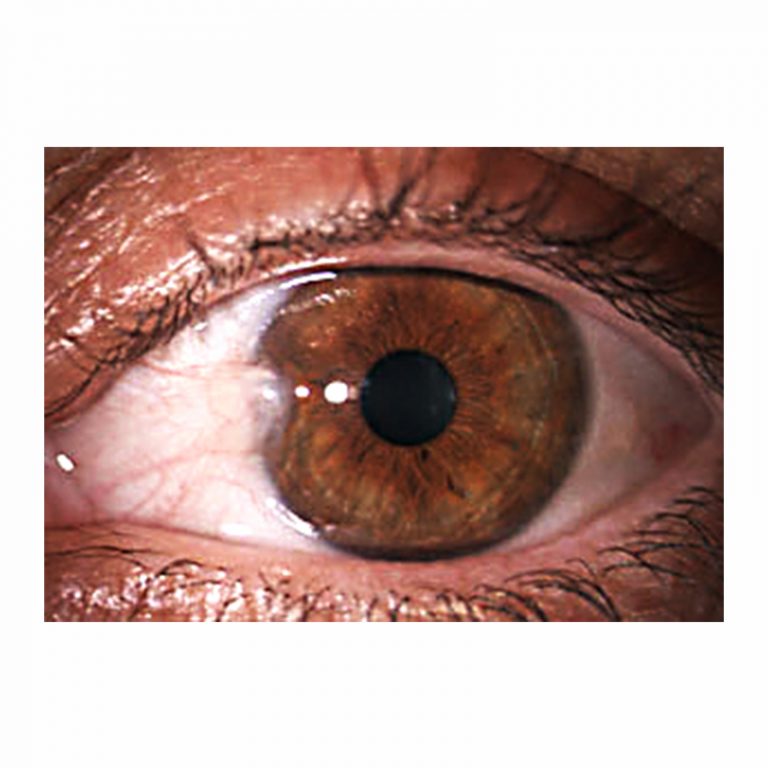
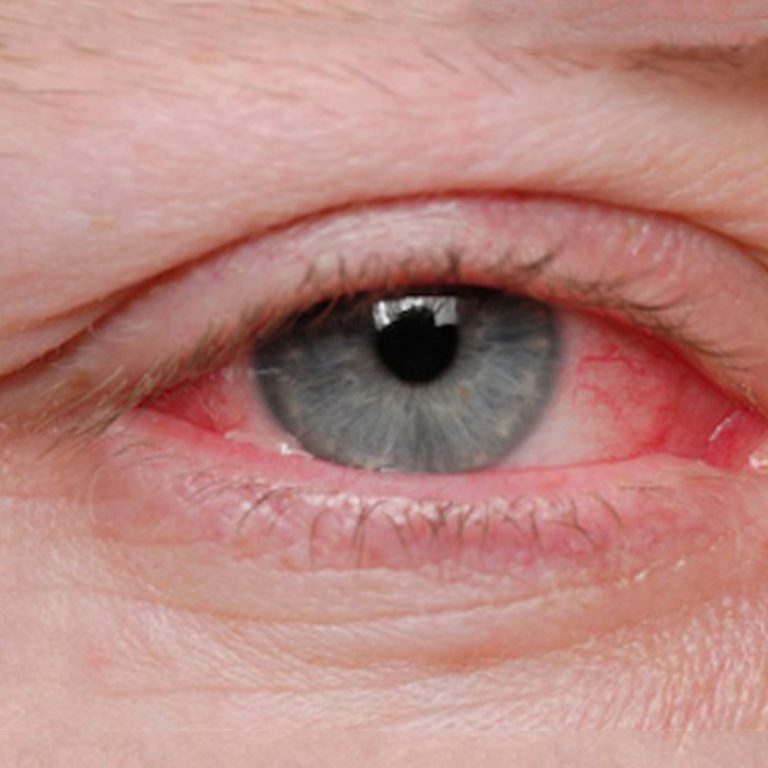
- Dry eyes or mouth
- Numbness or tingling
- Poor concentration
Symptoms often come and go. Active periods are called flares, and quieter periods are called remission. Because these symptoms occur in many other conditions, persistent symptoms need medical assessment rather than self-diagnosis.
Diagnosis and Medical Treatment
No single test detects every autoimmune disease. Your doctor may consider your history, examination, blood tests (including inflammatory markers and autoantibodies), hormone tests, imaging or biopsy. Results need interpreting in context, because an antibody alone does not always mean disease. You may be referred to a rheumatologist, endocrinologist, gastroenterologist, dermatologist or neurologist.
Treatment depends on the condition and may aim to:
- Reduce inflammation and relieve symptoms
- Calm misdirected immune activity
- Prevent permanent organ or tissue damage
- Replace what the body can no longer make (for example, thyroid hormone or insulin)
Options include corticosteroids, disease-modifying medicines, immunosuppressants, biologics and newer targeted therapies. These are not simply “shutting down the immune system”, as many act selectively. Doctors weigh their side effects against the risks of uncontrolled disease.
Never stop or reduce prescribed medication without medical supervision.
The Ayurvedic Perspective
Ayurveda looks at the whole person rather than one organ or pathway. Digestion, metabolism, elimination, constitution, sleep, stress and daily routine are considered together. Two key concepts are Agni and Ama.
Agni: Digestive and Metabolic Capacity
Agni is often translated as “digestive fire”, but it means more than digestion. It is the body’s ability to digest, transform and absorb what it takes in, whether food, experiences or information.
The classical texts place great weight on it. The Charaka Samhita (Chikitsa Sthana, ch. 15) describes Agni as the foundation of strength, health and vitality. The Ashtanga Hridaya (Nidana Sthana, ch. 12) goes further, stating that disturbed Agni is at the root of disease.
Practitioners ask simple questions:
- Is your appetite steady?
- Do you feel bloated or heavy after meals?
- Are bowel movements regular?
- Does your energy crash after eating?
- Do you eat at regular times?
Ama: Incompletely Processed Material
When Agni is weak, Ayurveda describes Ama, meaning poorly digested or incompletely transformed material. The Ashtanga Hridaya (Sutrasthana, ch. 13) describes how it forms and its signs, such as heaviness, sluggish digestion, coated tongue and fatigue.
Ama should not be equated with “toxins”, antibodies or inflammatory molecules. It belongs to Ayurveda’s own model of physiology.
A condition called Amavata, described in the Madhava Nidana, involves Ama combined with aggravated Vata, producing joint pain, swelling, stiffness and heaviness. It is often compared with rheumatoid arthritis, though the match is approximate and not a diagnosis.
When Ama signs are present, classical treatment first supports digestion and elimination before using strongly nourishing therapies.
Dosha and the Individual
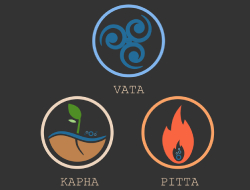
Autoimmune disease is not a single Dosha imbalance. Patterns vary:
- Vata: dryness, pain, poor sleep, symptoms that fluctuate
- Pitta: heat, redness, burning, inflammation
- Kapha: heaviness, swelling, sluggishness, congestion
Many chronic conditions involve more than one Dosha. This is why Ayurvedic care should be individualised, not a standard “immune booster” for everyone.
Should the Immune System Be “Boosted”?
Usually not. In autoimmune disease, immune activity is already misdirected, so making it stronger is not the goal.
A better aim is to support digestion, nutrition, sleep, recovery and resilience while medical treatment controls the disease.
This matters for herbs. Some interact with immunosuppressants, corticosteroids, anticoagulants, thyroid medication or biologics, and some are unsuitable for certain autoimmune conditions. Herbal treatment should always be individualised and coordinated with your doctor.
Food and Digestion
There is no single autoimmune diet. Some conditions require specific measures, such as strict gluten avoidance in coeliac disease. Otherwise, diet should suit your nutritional needs, condition and digestive tolerance.
Ayurveda emphasises how comfortably you digest your food. Depending on the person, this may include:
- Eating at regular times
- Choosing fresh, minimally processed foods
- Reducing foods that repeatedly cause discomfort
- Avoiding overeating
- leave gaps between meals
- Eating slowly and calmly
- Using digestive spices appropriately
- Maintaining adequate protein, fibre and micronutrients
Avoid extreme elimination diets unless clinically justified, as they can cause deficiencies.
The Gut and Immunity
Much of the immune system sits around the intestinal lining, and researchers are studying how the microbiome and gut barrier influence autoimmunity. This is promising, but it does not mean every autoimmune disease begins in the gut or that “healing the gut” cures it.
Ayurveda has long emphasised digestion. Agni and Ama are not equivalent to microbiome science, but both traditions recognise that gut health affects the whole body.
Lifestyle Support
Lifestyle measures help support long-term care.
- Daily rhythm (Dinacharya): The Ashtanga Hridaya (Sutrasthana, ch. 2) outlines a daily routine. Regular waking, eating, activity and sleep times can help when energy and symptoms fluctuate.
- Sleep: The Charaka Samhita (Sutrasthana, ch. 11) lists sleep (Nidra), along with food (Ahara) and balanced living, as one of the three pillars of health. Consistent sleep times support recovery.
- Exercise: Movement supports strength, joints, heart health and mood. During a flare, reduce or modify it.
- Yoga and Pranayama: Gentle practices can ease tension and support mobility. Adapt them to your condition and never push through pain or exhaustion.
- Stress management: Meditation, breathing, time outdoors and relaxation reduce the added load of chronic stress.
Why Treatment Is Individualised
Two people with the same diagnosis can look very different. One may have heat, inflammation and loose bowels. Another may have coldness, constipation, poor appetite and exhaustion. Their Ayurvedic care would not be the same.
A thorough consultation considers constitution and current Dosha pattern, appetite, digestion, bowels, sleep, energy, stress, temperature, skin and joints, hormonal patterns where relevant, current medications and supplements, and medical diagnoses and test results.
Care may then include diet and lifestyle guidance, Yoga therapy and individually selected herbal formulations.
Ayurveda Alongside Medical Care
Autoimmune diseases can be serious and may damage joints, nerves, glands or organs if undertreated. Ayurveda is best used as part of an integrated approach, not instead of medical investigation or treatment.
Get a proper medical diagnosis first. Ayurvedic care can then focus on digestion, diet, routine, sleep, stress, mobility and general wellbeing, alongside your medical team.
At Yatan Ayurveda, we personalise treatment because a diagnosis alone does not tell the whole story. We consider your digestion, constitution, lifestyle and current state before recommending an approach.
If you would like to explore how Ayurveda may support you, book a consultation at Yatan Holistic Ayurvedic Centre in Gordon, Sydney, or arrange a telehealth consultation within Australia.
Important: Autoimmune diseases need medical diagnosis and monitoring. Ayurvedic treatment is not a substitute for necessary medical care. Do not stop or change prescribed medicines without consulting your prescriber.

*Discover holistic healing with a complimentary phone or video consultation from our expert Ayurvedic practitioner. Start your path to better health today!*
Related Posts