

















Lymphoma: Symptoms, Causes & the Ayurvedic Perspective
Lymphoma is a cancer of the lymphatic system, the network that helps balance body fluids and defend against infection. Swollen lymph nodes are common and usually caused by infections, not cancer. Knowing which signs need checking can lead to earlier diagnosis.
Ayurveda offers a traditional perspective on the relationship between the body’s tissues, digestion, circulation and overall balance. While Ayurvedic principles may inform general wellbeing practices, lymphoma requires specialist medical diagnosis and care.
The Lymphatic System
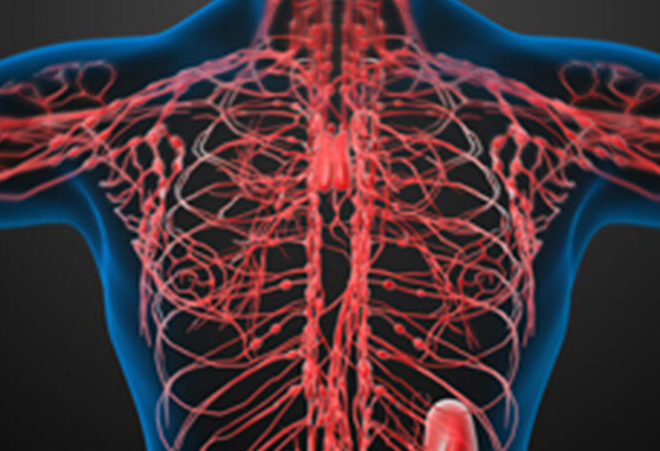
The lymphatic system is a network of vessels, lymph nodes and organs that works closely with the immune and circulatory systems.
Its main functions include:
- Fluid balance: Returning excess fluid from body tissues to the bloodstream.
- Immune defence: Transporting and housing white blood cells that recognise infections and other threats.
- Filtering: Helping identify and respond to microorganisms and abnormal cellular material.
- Fat absorption: Transporting certain dietary fats and fat-soluble vitamins from the small intestine.
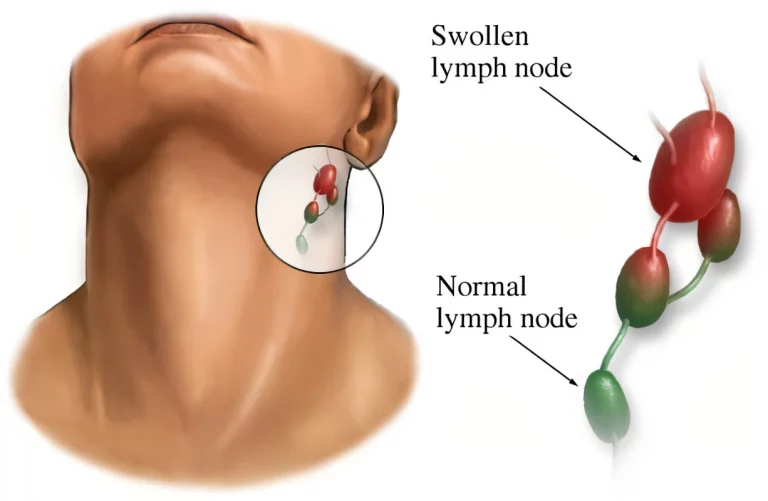
Lymph nodes are small, bean-shaped structures found in the neck, armpits, groin, chest and abdomen. They often swell briefly during infections.
What Is Lymphoma?
Lymphoma begins when lymphocytes (a type of white blood cell) develop genetic changes and multiply abnormally. There are two main groups:
- Hodgkin lymphoma: less common, identified by distinctive Reed–Sternberg cells.
- Non-Hodgkin lymphoma: a large group arising from B cells, T cells or natural killer cells. Some types grow slowly, others quickly.
Lymphoma can affect lymph nodes, the spleen, bone marrow and other organs.
Early Signs and Symptoms of Lymphoma
- Painless swelling in the neck, armpit or groin
- Unexplained weight loss
- Fevers with no obvious infection
- Drenching night sweats
- Persistent tiredness
- Itchy skin with no clear cause
- Abdominal fullness or discomfort
- Ongoing cough, chest discomfort or breathlessness
Fever, drenching night sweats and unexplained weight loss together are called B symptoms, and doctors take them seriously. See your GP if a lump lasts more than a few weeks, keeps growing, or comes with these symptoms. Seek urgent help for sudden or severe breathing difficulty.
What Causes Lymphoma?
Lymphoma develops from abnormal changes in lymphocytes’ genetic material. However, the exact cause is often unknown.
Certain factors may increase risk, including:
- Increasing age, although some lymphomas are more common in younger people
- Particular viral or bacterial infections
- Certain immune deficiencies or autoimmune conditions
- Some forms of prolonged immune suppression
- Family history and certain environmental exposures
How Is Lymphoma Diagnosed and Treated?
Assessment usually involves a history, examination, blood tests and scans (CT or PET). A biopsy is generally needed to confirm lymphoma and identify its type. Blood tests alone cannot rule it out.
Treatment depends on the type, stage and the person’s overall health. Options include chemotherapy, immunotherapy, targeted medicines, radiotherapy, stem cell transplant, or careful monitoring for slow-growing types. Many lymphomas are treatable and some can be cured.
How Does Ayurveda Understand the Lymphatic System?
An Ayurvedic Perspective
Classical Ayurvedic texts predate modern cancer classification. They describe swellings and growths (Granthi and Arbuda), but these terms are not equivalent to lymphoma. The following concepts are best seen as a framework for thinking about general wellbeing:
- Rasa Dhatu: the first of the seven tissues, linked to nourishment and the distribution of fluids. Its functions are sometimes compared, loosely, with plasma and lymph circulation. Ayurveda places considerable emphasis on the proper formation and nourishment of the Dhatus as part of maintaining overall health.
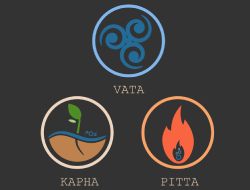
- Kapha: the principle of structure, lubrication and stability. Its imbalance is traditionally associated with heaviness and congestion.
- Agni and Ama: Agni is digestive and metabolic “fire”. Ama describes poorly processed material when Agni is weak. It is a traditional idea, not a medically established toxin.
- Ojas: is associated in classical Ayurveda with vitality, resilience and the sustaining qualities of well-nourished bodily tissues. Although Ojas is sometimes loosely compared with immune strength, it should not be understood as a measurable immune substance or a direct substitute for modern immunology.
Although classical Ayurvedic texts do not describe lymphoma according to modern cancer classifications, these traditional concepts provide a useful framework for discussing the body’s fluid balance, nourishment and general vitality, illustrating Ayurveda’s emphasis on supporting the individual as a whole.
Ayurveda and Yoga as Complementary Wellbeing Approaches
For people undergoing medical treatment or recovering from illness, maintaining physical comfort, adequate nutrition, emotional wellbeing and appropriate activity can be important aspects of supportive care.
Ayurvedic lifestyle principles may provide a framework for general wellbeing, provided they are adapted to the individual’s medical circumstances and do not interfere with prescribed treatment.
These may include:
Balanced nutrition: Regular, nourishing meals suited to appetite, digestive tolerance and nutritional needs. People undergoing cancer treatment may have increased protein or energy requirements, so restrictive diets and fasting are generally inappropriate without medical guidance.
Rest and daily routine: Consistent sleep patterns, suitable activity and adequate recovery time may help support comfort and general wellbeing.
Gentle yoga: Appropriately modified postures, stretching and relaxation practices may assist with mobility, emotional wellbeing and fatigue management, depending on the person’s condition.
Breathing and meditation: Gentle breathing awareness, mindfulness and meditation may help some individuals manage stress and improve relaxation.
Individualised guidance: Any complementary approach should take account of current medications, treatment-related side effects and recommendations from the treating medical team.
Herbal medicines and supplements require particular caution because some can interact with cancer medicines, alter their effectiveness or increase adverse effects. Consider them only after approval from the treating oncology team.
Complementary wellbeing practices should never replace or delay medical cancer treatment.
A Balanced Approach to Health and Wellbeing
Understanding lymphoma begins with recognising its symptoms and obtaining an accurate medical diagnosis.
Ayurveda’s traditional emphasis on nourishment, digestion, daily routine and the relationship between physical and emotional wellbeing can provide a broader perspective on maintaining general health.
However, lymphoma is a complex cancer that requires specialist medical care. Choose complementary practices for their potential to improve comfort and quality of life, with appropriate medical supervision.
Important: This article is for general education and does not provide advice on diagnosing or treating lymphoma. Anyone experiencing unexplained lymph node swelling or other concerning symptoms should consult their GP. People with a lymphoma diagnosis should follow the advice of their haematologist or oncology team.

*Discover holistic healing with a complimentary phone or video consultation from our expert Ayurvedic practitioner. Start your path to better health today!*
Related Posts