


















Conjunctivitis (Pink Eye): Symptoms, Causes, Types and Ayurvedic Perspective
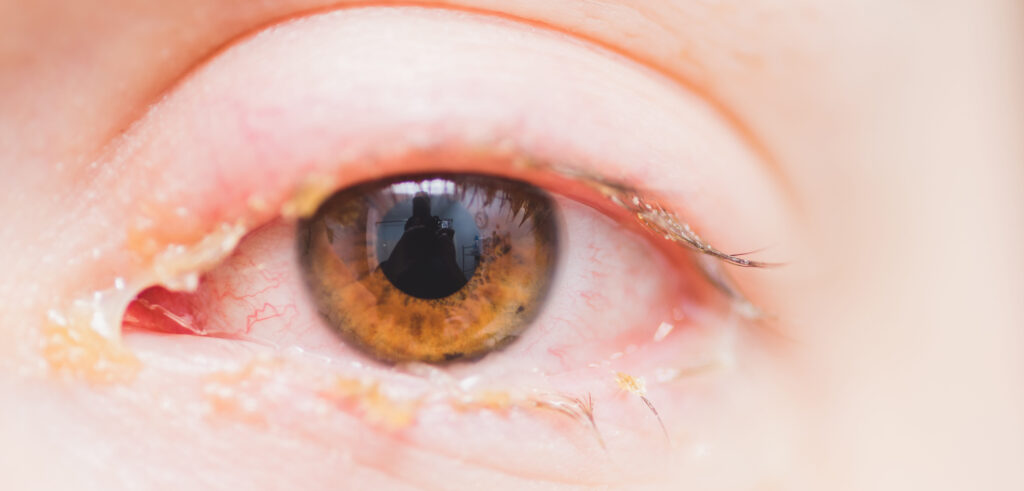
Conjunctivitis, commonly called pink eye, is inflammation of the conjunctiva — the thin, clear membrane covering the white part of the eye and the inside of the eyelids.
It can affect one or both eyes and may cause redness, watering, itching, irritation or discharge. Although many cases are mild, conjunctivitis has several types, and appropriate treatment depends on the underlying cause.
What are the symptoms of conjunctivitis?
Common conjunctivitis symptoms include:
- Red or pink appearance of the eye
- Watery eyes
- Itching or irritation
- A gritty or burning sensation
- Puffy or swollen eyelids
- Clear, white, yellow or green discharge
- Eyelids or eyelashes sticking together, particularly after sleeping
The pattern of symptoms can sometimes provide clues about whether conjunctivitis is viral, bacterial, or allergic, but symptoms alone can’t always identify the cause.
What causes conjunctivitis?
Several different causes of conjunctivitis exist. The most common forms are viral conjunctivitis, bacterial conjunctivitis and allergic conjunctivitis. Irritants such as dust or chemicals can also inflame the conjunctiva.
Viral conjunctivitis
Viral conjunctivitis is commonly associated with viruses that also cause respiratory infections.
It often causes redness, watering, and irritation, and may begin in one eye before affecting the other. Viral conjunctivitis is contagious and can spread through contact with an infected eye, respiratory secretions, or contaminated objects.
Most uncomplicated viral conjunctivitis improves without specific medical treatment.
Bacterial conjunctivitis
Bacterial conjunctivitis is caused by a bacterial infection. It may cause thicker yellow or green discharge, and the eyelids may stick together, particularly after sleep.
Bacterial conjunctivitis can also spread from person to person. Some cases resolve without treatment, while others may require antibiotic eye drops or ointment, as advised by a doctor or pharmacist.
Allergic conjunctivitis
Allergic conjunctivitis occurs when the eyes react to an allergen such as pollen, dust mites, mould or animal dander.
Both eyes are commonly affected. Itching and watering are particularly characteristic, and the person may also experience sneezing, nasal irritation or other hay fever symptoms.
Unlike viral and bacterial conjunctivitis, allergic conjunctivitis is not contagious.
Irritant conjunctivitis
Smoke, dust, chemicals and other environmental irritants can also cause red, watery and uncomfortable eyes.
Removing or avoiding the irritant may help symptoms settle, although chemical exposure to the eye may require urgent medical attention.
Can conjunctivitis keep coming back?
Yes. Recurrent red or irritated eyes should not automatically be assumed to be repeated infections.
Seasonal allergic conjunctivitis, ongoing exposure to an allergen or irritant, dry eye, eyelid conditions and other eye problems can produce recurring symptoms.
If conjunctivitis frequently returns or does not resolve, have a GP, optometrist, or other appropriately qualified healthcare professional assess your eyes to determine the underlying cause.
What is the Ayurvedic perspective on conjunctivitis?
Ayurveda has traditionally considered eye health in relation to the balance of the three doshas — Vata, Pitta and Kapha — together with the person’s constitution, digestion, diet, lifestyle and general health.
Redness, heat and inflammation may traditionally be interpreted as displaying Pitta qualities, while discharge, heaviness or congestion may be considered in relation to Kapha qualities. The Ayurvedic interpretation therefore varies by the individual’s overall presentation, rather than attributing every case of conjunctivitis to a single dosha.
These are traditional Ayurvedic concepts and should not be confused with the recognised medical causes of conjunctivitis, such as viral or bacterial infection, allergy or irritation.
How may Ayurveda support eye health?
If someone has conjunctivitis or unexplained eye redness, the first priority is to identify the likely cause and rule out conditions that require medical treatment.
Once appropriately assessed, an Ayurvedic practitioner may consider the person’s broader health and provide individualised advice on diet, lifestyle, daily routine, and general wellbeing.
Traditional Ayurvedic practice may also consider factors such as Agni (digestive and metabolic function), doshic balance and the person’s overall constitution.
Ayurvedic support should complement appropriate medical or optometric care, not replace it.
What can you do at home for conjunctivitis?
Simple hygiene measures can help relieve discomfort and reduce the spread of infectious conjunctivitis.
- Wash your hands before and after touching your eyes.
- Avoid rubbing your eyes.
- Gently clean discharge from around the eye using a clean pad moistened with warm water.
- Use a separate clean pad for each eye.
- Do not share towels, face washers, pillows or eye makeup.
- Avoid wearing contact lenses while you have an eye infection and seek advice about when to start using them again.
- Discard eye makeup used immediately before or during an eye infection.
Treatment should be based on the cause. Antibiotics do not treat viral or allergic conjunctivitis, while allergic conjunctivitis may require appropriate allergy management.
When should you seek medical attention?
Most uncomplicated conjunctivitis is mild, but not every red eye is conjunctivitis.
Seek prompt medical or optometric attention if you experience:
- Eye pain
- A sudden change in vision or loss of vision
- Significant sensitivity to light
- A large amount of thick or coloured discharge
- Significant swelling
- Symptoms that are worsening or failing to improve
- An eye injury or chemical exposure
People who wear contact lenses should be particularly cautious about a painful or persistently red eye because some corneal infections can be serious.
Supporting Eye Health with Ayurveda
At Yatan Holistic Ayurvedic Centre, Ayurvedic care is personalised according to your constitution, current health and individual presentation.
For recurring eye concerns, Ayurvedic assessment may consider diet, digestion, lifestyle and general wellbeing alongside any appropriate conventional medical or optometric care.
Concerned about recurring eye irritation or your general wellbeing?
Contact Yatan Holistic Ayurvedic Centre to discuss whether complementary Ayurvedic support may be appropriate for you.

*Discover holistic healing with a complimentary phone or video consultation from our expert Ayurvedic practitioner. Start your path to better health today!*
Related Posts