






Spotting Between Periods: Causes, When to Seek Help and Ayurvedic Support

Spotting or vaginal bleeding between periods — known medically as intermenstrual bleeding — can appear as a few spots of blood, pink or brown discharge, or bleeding that resembles a light period.
Occasional spotting can have simple explanations, such as hormonal changes or contraception. But bleeding between periods shouldn’t be assumed to be a hormonal imbalance by default — there are many possible causes, and new, persistent or unexplained bleeding should always be medically assessed first. Once significant underlying causes have been ruled out or treated, Ayurveda can be used as a complementary approach to support menstrual and reproductive wellbeing.
This article is general information, not medical advice. It isn’t a substitute for assessment by your GP or gynaecologist.
What Is Spotting Between Periods?
Spotting is a small amount of vaginal bleeding outside the expected menstrual period. It may:
- occur once or repeatedly, or appear around ovulation
- occur before or after the normal period, or after intercourse
- appear as pink, red or brown discharge
- accompany other changes in the menstrual cycle
- become more noticeable during perimenopause
Keeping a simple record of when it happens, how long it lasts, and any accompanying symptoms is genuinely useful when you speak with your doctor.
What Can Cause It?
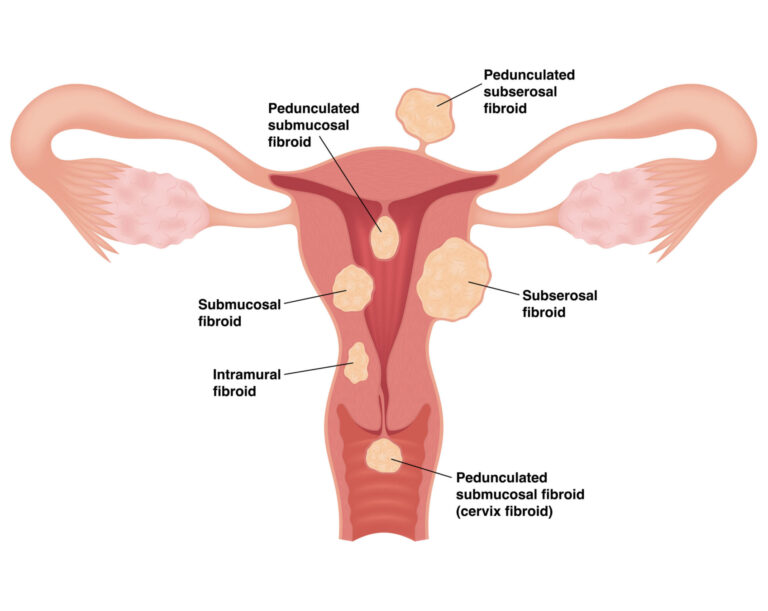
There’s no single cause of intermenstrual bleeding. Common ones include natural hormonal fluctuation, ovulation, starting/stopping/missing hormonal contraception, PCOS, perimenopause, and pregnancy-related bleeding. Structural or gynaecological causes include uterine or cervical polyps, fibroids, endometriosis, and cervical changes. It can also stem from infections (including STIs), trauma or irritation, clotting disorders, certain medicines (such as anticoagulants), or thyroid and other hormonal conditions.
Less commonly, abnormal bleeding can be linked to precancerous changes or cancers of the cervix or endometrium. This is exactly why persistent or unexplained bleeding needs proper investigation rather than being treated as a simple menstrual imbalance.
When Should You See a Doctor?
Talk to your GP about bleeding between periods, especially if it’s new, unexplained, recurrent, or getting heavier. Seek medical assessment promptly if the bleeding:
- occurs repeatedly, or after sexual intercourse
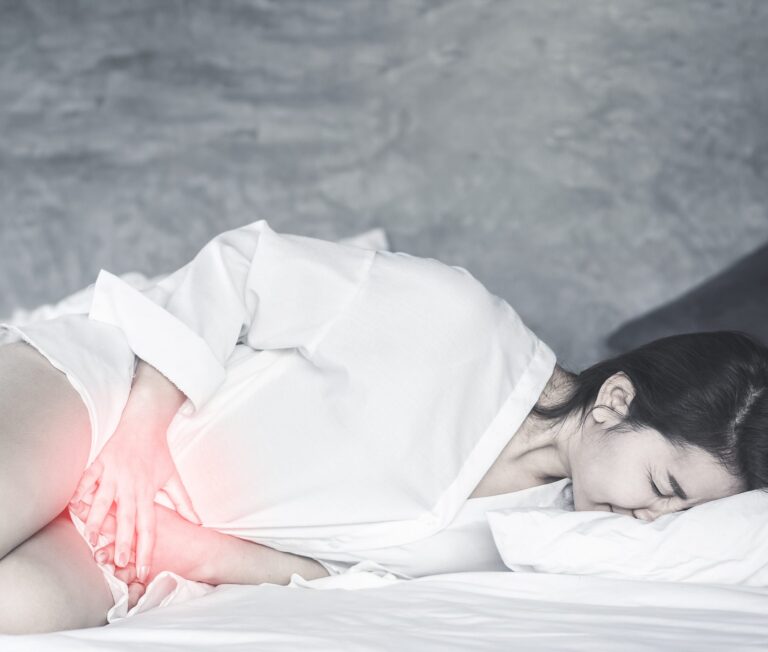
- comes with pelvic/abdominal pain, unusual discharge or fever
- occurs when pregnancy is possible
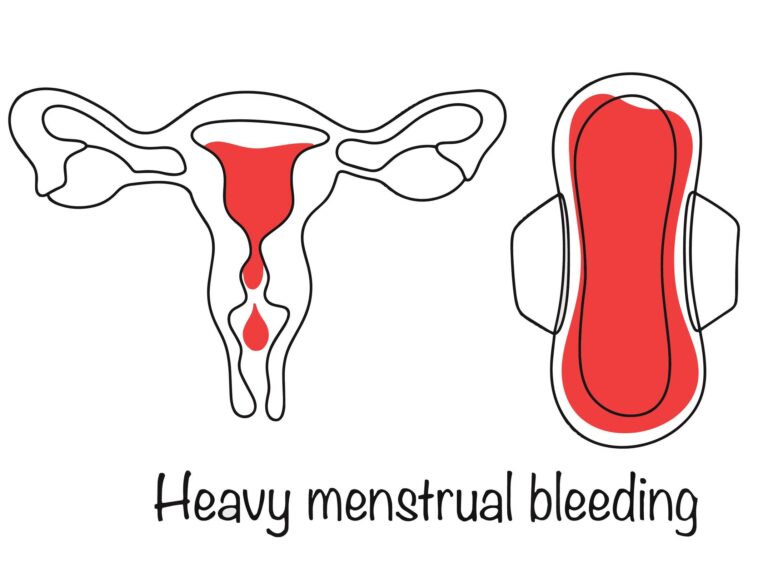
- becomes heavy or prolonged, or causes dizziness, weakness or faintness
- begins after menopause — even a single, light episode should always be checked
If bleeding is very heavy or you feel faint, seek urgent medical attention.
How Is It Investigated?
What’s needed depends on your age, cycle history and symptoms. A doctor will typically ask about the timing and amount of bleeding, your normal cycle, contraception or hormone therapy, medications, the possibility of pregnancy, pain, discharge, and other health changes. Depending on the answers, they may arrange a pregnancy test, blood tests, STI testing, cervical screening or a pelvic ultrasound, with further gynaecological investigation if needed.
The Ayurvedic Understanding of Spotting
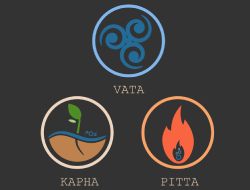
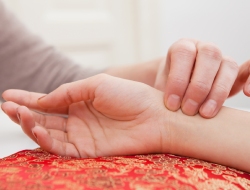
In Ayurveda, menstruation is understood as part of Artava (the reproductive system) and Apana Vata — the downward-moving function of Vata linked to menstruation and elimination. Abnormal bleeding is assessed as part of the person’s overall constitutional pattern rather than treated as one condition with one fix:
- Frequent, bright red or warm bleeding is often associated with aggravated Pitta and Rakta (blood tissue).
- Irregular, unpredictable bleeding with cramping, dryness, anxiety or poor sleep points more toward Vata involvement.
- Irregular bleeding alongside sluggish metabolism, weight changes, or conditions like PCOS may involve Kapha and metabolic factors.
Because of this, an Ayurvedic assessment looks well beyond the bleeding itself — at cycle length and regularity, flow and discomfort, digestion, appetite, sleep, stress, energy, diet, reproductive history, and other constitutional signs — to understand the whole pattern before recommending support.
How Ayurveda may support women with spotting
Diet and digestion. Ayurveda places significant weight on Agni (digestive and metabolic function). Where signs of excess Pitta are present, diet may shift toward nourishing, less-heating foods and away from excess chilli, alcohol or other heat-aggravating triggers — but this isn’t a blanket “Pitta diet” for everyone with spotting; it depends on the individual presentation.
Herbal support. Herbal formulations are traditionally chosen to match the individual’s pattern, constitution and symptoms — never as a substitute for investigating unexplained bleeding. They also need careful review if you’re pregnant, trying to conceive, on hormonal contraception, taking anticoagulants, or being treated for another condition.
Lifestyle and stress. Stress doesn’t explain every episode of abnormal bleeding, but prolonged stress can affect the hormonal systems that regulate the cycle. Supportive measures include regular sleep, consistent meal times, adequate rest, gentle daily movement, and relaxation or breathing practices — aimed at general wellbeing rather than treating an unidentified cause.
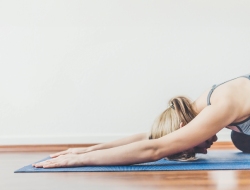
Yoga. Gentle yoga can support general wellbeing and stress management, but during active or unexplained bleeding — especially if heavier or painful — strenuous exercise or intensive practice isn’t appropriate. Once the cause is understood, suitable yoga and breathing practices can be introduced to match your energy and needs.
Spotting, Iron and Nutrition
Repeated or prolonged bleeding can contribute to iron deficiency — it’s rarely the original cause. If spotting or heavier bleeding continues, your doctor may suggest a full blood count and iron studies, particularly if you notice persistent tiredness, weakness, shortness of breath, dizziness or paleness. Ayurvedic nutritional support can complement appropriate medical management where this is needed.
A Combined Approach
This is a good example of where conventional care and Ayurveda play different, complementary roles: medical assessment identifies whether there’s a specific cause requiring treatment, while Ayurvedic assessment looks more broadly at pattern, constitution, digestion, stress and lifestyle to support overall menstrual and reproductive wellbeing.
At Yatan Holistic Ayurvedic Centre, Ayurvedic care is offered as a complementary approach and does not replace appropriate medical investigation of abnormal vaginal bleeding.
Frequently Asked Questions
Is spotting between periods normal? Occasional light spotting can occur, including around ovulation or when starting/changing hormonal contraception. New, recurrent or unexplained bleeding should still be discussed with your doctor.
Why am I bleeding when it isn’t my period? Possible causes range from ovulation and contraception to PCOS, fibroids, polyps, infection, endometriosis, perimenopause or medication effects. The cause can’t be reliably determined from the pattern alone — persistent or unexplained bleeding needs investigation.
Can contraception cause spotting? Yes — breakthrough bleeding is common when starting or changing hormonal contraception, or after missed pills. If it persists or concerns you, speak with your doctor rather than stopping prescribed contraception on your own.
Can stress cause it? Stress can influence the hormonal signalling involved in ovulation and menstruation, but unexplained bleeding shouldn’t be automatically put down to stress, since there are many other possible causes.
Is spotting a sign of pregnancy? Light bleeding can occur in early pregnancy, but spotting alone doesn’t confirm it. Take a pregnancy test if pregnancy is possible, and seek prompt medical assessment if bleeding comes with significant pelvic or abdominal pain — ectopic pregnancy is one possible cause.
Can an STI cause bleeding between periods? Yes, some STIs can cause bleeding between periods or after sex. This needs appropriate medical testing and treatment — Ayurveda shouldn’t replace antibiotics or other required medical care.
Why do I bleed after sex? Possible causes include vaginal dryness, irritation, cervical changes, polyps or infection. Even when the cause is usually minor, it’s worth discussing with a doctor.
Is spotting common during perimenopause? Yes — cycles commonly become less predictable as hormones fluctuate, with periods closer together, further apart, heavier or lighter. Unusual or persistent bleeding should still be assessed rather than assumed to be perimenopause.
What is postmenopausal bleeding? Vaginal bleeding after menopause (generally 12 consecutive months without a period). Even a single episode of light spotting after menopause should always be medically investigated.
Can spotting cause iron deficiency? Very light, occasional spotting is unlikely to cause meaningful iron loss, but frequent, prolonged or heavier bleeding can contribute to iron deficiency or anaemia over time. Persistent fatigue, weakness, dizziness or shortness of breath warrants a chat with your doctor about testing.
Is spotting between periods a sign of cancer? Usually there’s another explanation. This doesn’t mean spotting indicates cancer — it means persistent, recurrent, postcoital or postmenopausal bleeding should be properly investigated so important causes aren’t missed.
Ayurvedic Support for Menstrual Wellbeing
If you’ve already had unusual bleeding medically assessed and would like complementary Ayurvedic support, Yatan Holistic Ayurvedic Centre offers personalised consultations based on your menstrual pattern, constitution, digestion, diet, lifestyle and overall health.
Consultations are available at our Gordon, Sydney clinic and by telehealth Australia-wide.
Book an Ayurvedic consultation to discuss a personalised approach to menstrual and reproductive wellbeing.

*Discover holistic healing with a complimentary phone or video consultation from our expert Ayurvedic practitioner. Start your path to better health today!*
Related Posts