



















Health Instinct: 10 Ways to Reconnect With Your Body’s Inner Signals

Have you ever felt that something in your body was “not quite right” before you could explain why? Perhaps you noticed a subtle change in your digestion, energy, sleep, mood or appetite before any obvious symptoms appeared.
This ability to notice and interpret what is happening inside us could be described as our health instinct.
Modern science uses the term interoception to describe the nervous system’s awareness of internal bodily signals. These include hunger, thirst, heartbeat, breathing, body temperature, muscle tension, digestive sensations and the need for rest.
Ayurveda has long placed similar importance on careful self-observation. Changes in appetite, digestion, sleep, elimination, energy, temperature, mood and other bodily sensations can provide useful clues about how well the body is maintaining balance.
Health instinct does not mean diagnosing yourself or somehow knowing which medicine you need. Rather, it is about learning to listen carefully to your body and recognising when something has changed.
What Is Health Instinct?
Think of health instinct as an internal compass.
Throughout every day, the body sends thousands of signals to the brain. Most occur without conscious thought. Your body tells you when you are hungry, thirsty, tired, cold, overheated or uncomfortable.
Sometimes these signals are subtle.
You may notice that:
- a certain meal leaves you bloated or unusually tired
- your sleep becomes lighter during periods of stress
- your shoulders tighten when you are anxious
- your appetite changes when you are unwell
- your digestion becomes irregular when your routine changes
- you feel unusually fatigued before other symptoms develop.
Becoming more aware of these patterns can help you better understand your own health.
However, bodily sensations do not necessarily reveal their cause. Fatigue, for example, can result from poor sleep, stress, nutritional deficiency, infection, hormonal changes or many other factors.
The important distinction is:
Listen to your body, but do not automatically diagnose it.
Have We Become Disconnected From Our Bodies?
Modern technology has given us extraordinary ways of measuring health.
We can monitor blood pressure, blood glucose, heart rhythm, sleep duration, oxygen saturation and physical activity. Medical imaging and laboratory testing can identify changes that would be impossible to detect through sensation alone.
These technologies are enormously valuable.
But we can also focus so heavily on numbers that we stop paying attention to how we actually feel.
A smartwatch might tell us how many hours we slept, for example, while our own body tells us whether that sleep was restorative.
Both forms of information can be useful.
Good healthcare therefore involves a combination of objective information and subjective experience. A blood test may reveal what is happening physiologically, while your description of symptoms, patterns and changes helps a practitioner understand how those changes are affecting you.
Learning to observe your body more carefully can also help you communicate more clearly during a medical or Ayurvedic consultation.
Ayurveda and the Art of Self-Observation
Ayurveda places considerable importance on knowing your own normal state.
Rather than looking at a symptom in isolation, an Ayurvedic practitioner may ask about digestion, appetite, bowel movements, sleep, energy, temperature, emotional state, stress, daily routine and many other factors.
One important Ayurvedic concept is Agni, often translated as digestive or metabolic capacity.
Changes in hunger, digestion, heaviness, bloating, elimination or energy after eating may suggest that digestion is not functioning as efficiently as usual.
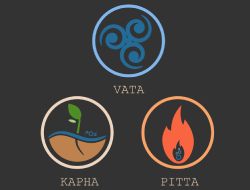
Ayurveda also considers the influence of the three Doshas — Vata, Pitta and Kapha — which describe patterns of physiological function and imbalance.
For example, increased dryness, irregularity and nervous tension may be interpreted differently from excessive heat and irritation, or from heaviness and sluggishness.
This traditional system encourages people to observe their own bodies rather than waiting until discomfort becomes severe.
Instinct in Nature
Instinct is not unique to humans.
Animals demonstrate remarkable instinctive behaviours without being taught how to perform them.
During my time in India, I once witnessed a monkey giving birth. The newborn remained enclosed within the amniotic sac. The mother initially appeared startled, but soon began licking and opening the membrane until the baby was freed.
Nobody taught her what to do.
Many instinctive behaviours are deeply embedded within the nervous system and have developed through evolution because they support survival.
Human beings also have instinctive responses, although our complex thinking can sometimes make it harder to distinguish a genuine bodily signal from anxiety, expectation, or imagination.
For this reason, health awareness works best when it combines observation, calmness and appropriate professional assessment.
10 Ways to Strengthen Your Health Instinct
1. Create Space for Quiet

Modern life keeps the mind constantly occupied.
Phones, computers, television, work, news and social media continually demand our attention. When we direct our attention outward, we easily overlook subtle bodily sensations.
Try creating periods during the day without screens or external stimulation.
Sitting quietly for ten minutes can help you notice how your body actually feels.
2. Practise Meditation
Meditation can help develop awareness without immediately reacting to every thought or sensation.
A simple practice is to sit comfortably and observe your breathing.
When thoughts arise, notice them without judging or following them, then gently return your attention to the breath.
Over time, meditation can help you distinguish between what you are actually experiencing and the stories the mind may create around those sensations.
3. Practise Pranayama

Pranayama refers to traditional yogic breathing practices.
Conscious breathing can increase awareness of the relationship between breathing, posture, nervous-system activity and emotional state.
Even a few minutes of slow, comfortable breathing can help you notice tension or changes in your body that may previously have gone unnoticed.
Learn more advanced Pranayama techniques appropriately, especially if you have cardiovascular, respiratory, or other health conditions.
4. Practise Yoga With Awareness
Yoga is not simply about flexibility.
When practised mindfully, it teaches awareness of movement, breathing, balance, muscular tension and areas of restriction within the body.
Instead of forcing the body into a posture, notice what it’s communicating.
Is one side tighter than the other?
Does your breathing change?
Are you holding unnecessary tension?
These observations can tell you a great deal about your current physical state.
5. Spend Some Time Alone
Constant conversation and interaction can make it difficult to hear your own thoughts and bodily signals.
Occasional periods of solitude give you a chance to check in with yourself.
Ask simple questions:
How is my energy today?
Am I genuinely hungry?
Am I tired or merely mentally restless?
Where am I holding tension?
How has my digestion been?
These small observations gradually build greater self-awareness.
6. Spend Time in Nature
Walking through a park, sitting beneath a tree, gardening, or spending time near the ocean can provide a welcome break from constant stimulation.
Natural environments often encourage slower movement, deeper observation and mental quiet.
You don’t need to go on a long wilderness retreat. Even twenty minutes outdoors can create enough space to notice how you are feeling physically and mentally.

7. Pay Attention to Hunger, Fullness and Digestion
Food provides some of the clearest feedback our bodies give us.
Notice not only what you eat but how you feel afterwards.
Do you feel comfortably satisfied or excessively full?
Energetic or sleepy?
Clear-headed or foggy?
Do certain foods repeatedly cause bloating, reflux or discomfort?
Ayurveda places particular importance on eating according to digestive capacity rather than simply following rigid dietary rules.
Learning to recognise genuine hunger and comfortable fullness is a useful form of health awareness.
8. Observe Your Daily Rhythms
Your body follows biological rhythms throughout the day and night.
Notice when you naturally feel energetic, hungry, mentally alert and tired.
Also notice what disrupts these patterns.
Late meals, irregular sleep, excessive stimulation, travel and prolonged stress can all alter normal rhythms.
A regular daily routine — known in Ayurveda as Dinacharya — can make changes in your normal state easier to recognise.
9. Keep a Simple Body-Awareness Journal

Memory is surprisingly unreliable when it comes to symptoms.
A short journal can help reveal patterns that are difficult to see day by day.
You might record:
- sleep quality
- appetite
- digestion
- bowel movements
- energy
- mood
- exercise
- stress
- unusual symptoms
- foods that repeatedly cause discomfort.
After several weeks, patterns may emerge.
A journal can also provide valuable information to discuss with your GP or healthcare practitioner.
10. Learn the Difference Between Noticing and Interpreting
This may be the most important skill of all.
First notice the sensation:
“My heart is beating faster.”
“My stomach feels tight.”
“I am unusually tired today.”
“My appetite has changed.”
Then pause before deciding what it means.
There may be many possible explanations.
Body awareness gives you information, but not necessarily a diagnosis.
Persistent, severe, unexplained or concerning symptoms should always be appropriately assessed.
Where Does Panchakarma Fit In?
Traditional Ayurvedic practices can also provide periods of increased self-observation.
Panchakarma, for example, is traditionally used in Ayurveda as an individualised cleansing and restorative program.
The simplified routine, diet, treatments, and reduced everyday stimulation may offer an opportunity to pay closer attention to digestion, appetite, sleep, energy, and other bodily signals.
However, Panchakarma is not appropriate for everyone, and an Ayurvedic practitioner should always assess suitability individually.
Listen to Your Body — But Use All the Information Available
Your body is communicating with you continuously.
Learning to recognise those signals does not mean abandoning blood tests, imaging, medical diagnosis or professional advice. These tools can reveal important information that bodily awareness alone cannot provide.
The two approaches can complement one another.
Greater body awareness may help you recognise changes earlier, describe symptoms more accurately and make more conscious decisions about sleep, food, movement, stress and daily routine.
Ayurveda has encouraged this kind of self-observation for thousands of years.
Sometimes one of the simplest steps towards better health is to become quiet enough to notice what your body has been trying to tell you.
At Yatan Holistic Ayurvedic Centre in Sydney, we take the time to understand not only your symptoms but also your digestion, sleep, energy, lifestyle, stress and individual constitution. We offer Ayurvedic consultations in person and by telehealth.
If something about your health feels different, or you’ve noticed recurring patterns you would like to understand more clearly, you are welcome to contact us or book an Ayurvedic consultation.

*Discover holistic healing with a complimentary phone or video consultation from our expert Ayurvedic practitioner. Start your path to better health today!*
Related Posts