
















Diarrhoea in Ayurveda: Causes, Atisara and When to Seek Help

Most people have occasional episodes of diarrhoea that settle within a few days. If it keeps returning or won’t clear, something more is usually happening in the digestive system.
In Ayurveda, diarrhoea is known as Atisara. Rather than treating every episode the same way, Ayurveda looks at digestive strength, stool type, and which dosha is involved.
What Is Diarrhoea?
Diarrhoea means passing three or more loose or watery stools a day, or stools that are clearly looser and more frequent than normal for you. It is usually described as:
- Acute: lasting less than 14 days
- Persistent: 14 to 30 days
- Chronic: more than four weeks
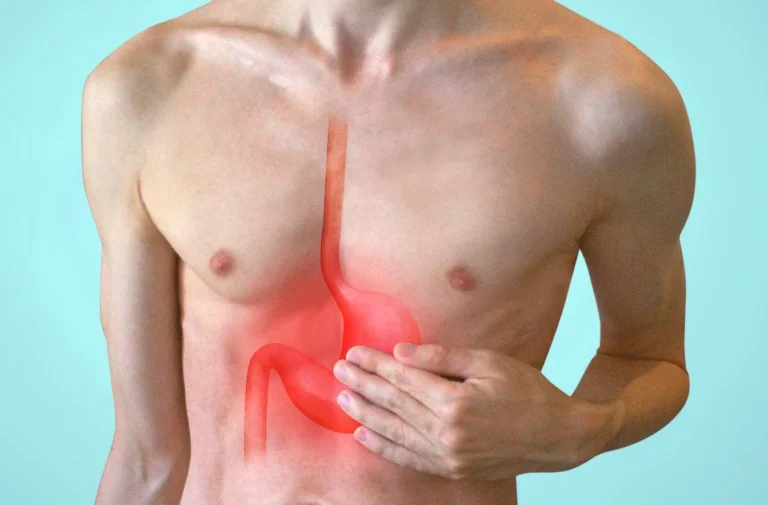
It may come with cramping, urgency, bloating, nausea, fever or fatigue. The main immediate risk is dehydration, as the body loses fluids and electrolytes such as sodium and potassium, especially when vomiting is also present. Young children, older people and those already unwell are affected most quickly.
Common Causes
Most acute episodes are caused by gastroenteritis or a temporary disturbance of the gut:
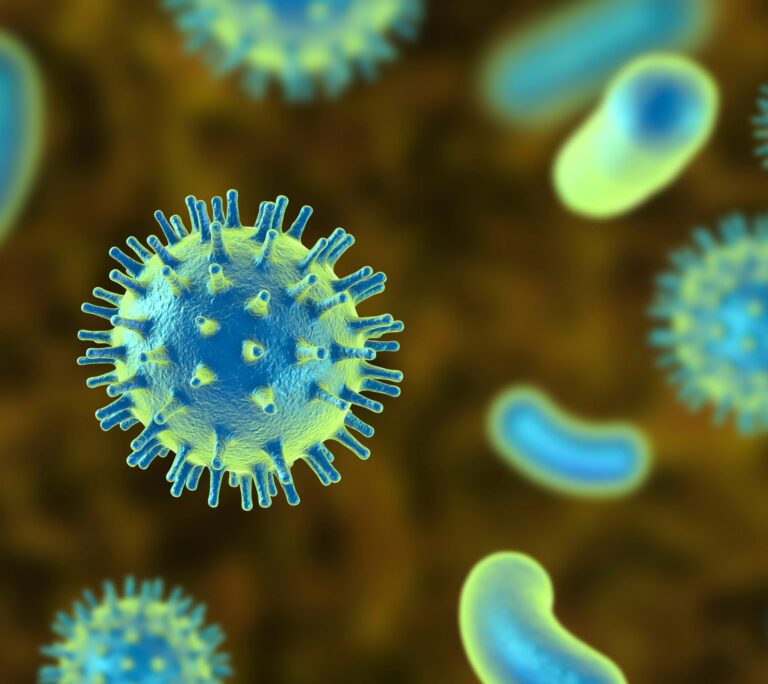
- viral infections
- bacterial food poisoning
- contaminated food or water
- parasites such as Giardia
- sudden dietary change or food intolerance
- some medicines, including antibiotics
- stress
Traveller’s diarrhoea is a familiar example: exposure to unfamiliar organisms, combined with food and water hygiene, explains most cases.
Persistent or chronic diarrhoea needs investigation. Possible causes include irritable bowel syndrome, Crohn’s disease, ulcerative colitis, microscopic colitis, coeliac disease, lactose or fructose intolerance, pancreatic problems, small intestinal bacterial overgrowth, an overactive thyroid and incompletely resolved infections. Lactose digestion can also stay impaired for a while after gastroenteritis, so loose stools may continue after the infection has passed.
The Ayurvedic View of Atisara
The Charaka Samhita devotes a full chapter to Atisara (Chikitsa Sthana 19). Classical texts describe causes such as unsuitable or incompatible food, irregular eating, weak digestion, contaminated water and emotional factors, including grief (Shokaja) and fear (Bhayaja). The central idea remains useful today: not every case of diarrhoea has the same cause or needs the same approach.
Agni is digestive and metabolic capacity. When it weakens, food is not properly processed before it moves through the gut.
Ama is the classical term for incompletely digested material. It is associated with heaviness, a coated tongue, poor appetite, bloating and foul-smelling stools.
Sama and Nirama
Classical Ayurveda distinguishes diarrhoea with Ama (Sama) from diarrhoea without Ama (Nirama). In Sama Atisara, the emphasis is first on light food and supporting digestion rather than binding the bowel too early. This is why Ayurveda asks why the bowel is loose before trying to stop it.
Doshic Patterns
Vata type: stools are small, frequent and often frothy, with cramping, wind, gurgling and variable appetite. Stress, irregular meals, fasting and disrupted routine can aggravate it.
Pitta type: frequent loose stools with urgency, a burning sensation, yellowish or strongly coloured stools, strong odour and thirst.
Kapha type: heavier, sticky stools, often with mucus, along with sluggish digestion, nausea, low appetite and lethargy.
Mixed patterns (Sannipataja) are common, so a practitioner looks at the whole picture rather than a single symptom. Blood in the stool (classically Raktatisara) should never be assumed to be a Pitta symptom. It always needs medical assessment.
Grahani
When loose stools recur and digestive fire remains persistently weak, Ayurveda often describes the pattern as Grahani (Chikitsa Sthana 15) rather than simple Atisara. Grahani centres on the small intestine’s role in digestion and absorption, so it is the classical lens for long-standing digestive disturbance.
Food and Fluids During Acute Diarrhoea
Replacing fluid comes first. Small, frequent sips are easier to tolerate than large amounts at once. When fluid loss is significant, an oral rehydration solution (ORS) replaces water and electrolytes better than water alone.
You do not need to stop eating. As appetite returns, choose simple, well-tolerated, easily digested foods such as rice, congee, bananas, cooked vegetables, soups and broths, or toast. Very rich or greasy meals, large portions and alcohol are best avoided while the gut is unsettled.
Some people become temporarily sensitive to lactose after gastroenteritis, so milk and other lactose-rich foods may prolong loose stools. While dairy products are best avoided at this time, live yoghurt is an exception; live yoghurts contain probiotics that help establish a better bacterial balance in the gut. All spices should be avoided for the time being.
Ayurvedic Support for Recurrent Diarrhoea
When diarrhoea keeps returning, the aim is to understand and support normal digestive function rather than simply suppress the bowel. A consultation considers:
- appetite and digestive strength
- stool frequency, timing and appearance
- food intolerances, bloating and abdominal pain
- stress, emotional triggers and sleep
- previous infections and current medicines
- the dominant doshic pattern
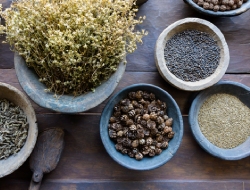
Diet and lifestyle guidance is then personalised. Traditionally used herbs such as Kutaja, Bilva, Musta and Shunthi may be selected, depending on whether the need is to support Agni, address Ama, settle excessive intestinal activity or soothe digestive heat. Support looks very different for someone with occasional stress-related loose stools than for someone with long-standing diarrhoea, mucus or weight loss.
When to Seek Medical Advice
Most uncomplicated episodes resolve within several days. See a doctor promptly if you have:
- blood in the stool, or black stools
- persistent or heavy mucus, or mucus with pain
- high or persistent fever
- severe abdominal pain
- unexplained weight loss
- diarrhoea that wakes you at night
- persistent vomiting
- reduced urination, marked thirst or a dry mouth
- diarrhoea lasting more than a few days, or recurring regularly
Seek earlier review if you have recently taken antibiotics or been in hospital, if you are pregnant or immunocompromised, or if you are over 50 with new bowel changes or have a family history of bowel cancer or inflammatory bowel disease. Infants and young children should be assessed promptly.
Looking Beyond the Symptoms
Diarrhoea is not a disease in itself but a symptom with many possible causes. In a short infection, hydration, rest and time may be all that’s needed. When it becomes recurrent, suppressing the symptom without finding the cause risks missing the underlying problem.
At Yatan Holistic Ayurvedic Centre, we personalise support to your digestive pattern, constitution, diet, and overall health. If you have persistent or recurrent digestive symptoms, an Ayurvedic consultation can help assess the pattern and support your digestion alongside appropriate medical investigation where required.

*Discover holistic healing with a complimentary phone or video consultation from our expert Ayurvedic practitioner. Start your path to better health today!*
Related Posts