






















Understanding Allergies: Conventional Care and an Ayurvedic Perspective
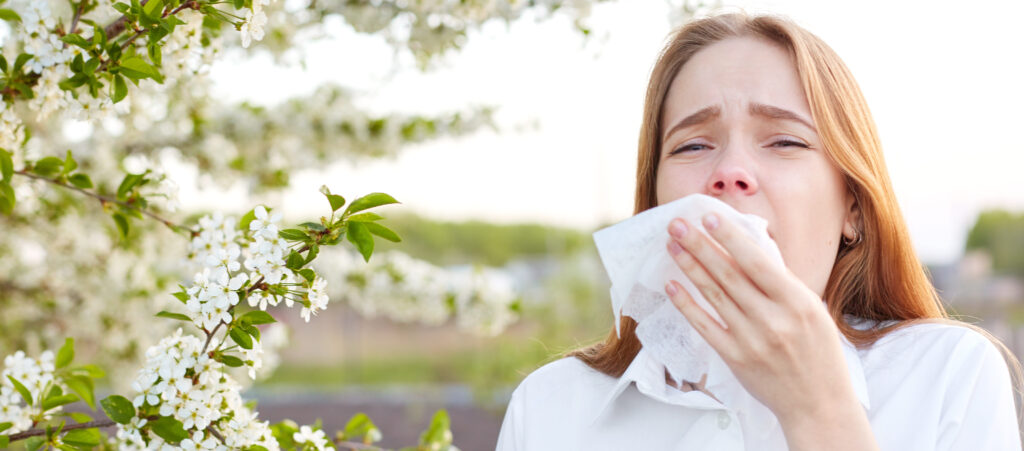
Allergies are extremely common and can range from seasonal sneezing and itchy eyes to food reactions, eczema and, in rare cases, life-threatening anaphylaxis. An allergy occurs when the immune system reacts to a substance that is normally harmless to most people. These substances, known as allergens, may include pollen, dust mites, animal dander, mould spores, foods, insect venom or certain medicines.
For some people, symptoms are occasional and relatively mild. For others, recurring allergies can interfere with sleep, concentration, exercise and everyday quality of life.
Ayurveda views allergies more broadly, considering not only the allergen itself but also digestion, individual constitution, respiratory health, diet, lifestyle, and how a person’s system responds to their environment.
Common Types of Allergies
Different allergens can affect different parts of the body.
Seasonal Allergies (Hay Fever – Allergic Rhinitis)
Allergic rhinitis, commonly called hay fever, can be triggered by grass, tree, or weed pollens, as well as dust mites, mould, and animal allergens.
Common symptoms include:
- sneezing
- runny or blocked nose
- itchy nose or throat
- watery or itchy eyes
- post-nasal drip
- disturbed sleep
Some people with allergic rhinitis also have asthma, and pollen exposure can aggravate respiratory symptoms in susceptible individuals.
Food Allergies:
Food allergy is an immune reaction to a particular food. Common triggers include peanuts, tree nuts, shellfish, fish, eggs, milk, wheat and sesame.
Symptoms may include hives, swelling, gastrointestinal symptoms, coughing, wheezing or difficulty breathing.
Severe food allergy can cause anaphylaxis, which is a medical emergency.
Skin Allergies:
Allergic and hypersensitivity reactions may contribute to conditions such as hives and some forms of dermatitis.
Symptoms can include redness, itching, swelling and irritated skin.
Eczema is more complex and is not simply an allergic reaction, although people with eczema may also have allergies or other atopic conditions.
Dust, Mould and Animal Allergies
Dust mites, pet dander and mould spores can provoke nasal, eye or respiratory symptoms in susceptible people.
In Australia, mould and condensation in homes pose significant health challenges. When inhaled, mould spores can cause severe reactions beyond common allergy symptoms. Prolonged exposure can lead to respiratory problems, including asthma, and chronic sinus infections. Exposure may also trigger fatigue, headaches, and skin rashes for some as the immune system responds to airborne spores. In more severe cases, certain moulds produce mycotoxins that can contribute to critical health conditions and weaken the body’s immune function. Addressing the moisture source and reducing ongoing mould exposure is therefore important rather than relying solely on symptom management.
How Allergies Can Affect Everyday Health
Allergies aren’t just physical. The ongoing nature of allergy symptoms can heavily influence emotional and cognitive functioning. Daily experiences such as waking up with a stuffy nose, frequent sneezing, and itchy eyes can affect mood, focus, and productivity.
Studies have linked chronic allergies to:
- Fatigue and sleep disruption: Congestion and other symptoms can make restful sleep difficult.
- Cognitive issues: Brain fog and decreased concentration are common among those with persistent allergies.
- Mood disturbances: Irritation and frustration from continuous discomfort can lead to anxiety or depression.
Conventional Treatment for Allergies
Treatment depends on the type and severity of the allergy and may include avoiding identified allergens together with medications or specialist treatment.
Antihistamines
Antihistamines reduce the effects of histamine released during an allergic response.
They are commonly used for allergic rhinitis, itchy eyes and hives. Modern non-sedating antihistamines are generally preferred for daytime use because older antihistamines may cause significant drowsiness.
Corticosteroid Nasal Sprays
For persistent allergic rhinitis, corticosteroid nasal sprays are typically used for reducing inflammation, congestion and nasal symptoms under medical guidance.
Saline Nasal Irrigation
Saline sprays or nasal irrigation can help physically remove mucus and airborne particles from the nasal passages and may provide additional relief for people with nasal allergies.
Allergen Immunotherapy
For certain confirmed allergies, an allergy specialist may recommend allergen immunotherapy.
This involves carefully controlled exposure to the relevant allergen over an extended period, usually several years, with the aim of reducing sensitivity and modifying the allergic response.
Anaphylaxis
Anaphylaxis requires immediate treatment with adrenaline (epinephrine).
People diagnosed as being at risk should follow their ASCIA Action Plan and carry their prescribed adrenaline device. If anaphylaxis is suspected, adrenaline should be administered and emergency services contacted immediately.
Ayurvedic treatment should never replace emergency treatment for anaphylaxis.
Understanding Allergies in Ayurveda
Ayurveda does not traditionally classify allergies in exactly the same way as modern immunology.
Instead, treatment is based on the individual’s symptom pattern, constitution (prakriti), current imbalance (vikriti), digestive capacity (agni), and the involvement of the three doshas – Vata, Pitta, and Kapha.
Ayurveda considers weak or disturbed digestion particularly important.
In Ayurvedic theory, impaired agni can lead to the formation of incompletely processed metabolic material known as ama. When combined with an aggravated dosha and exposure to an environmental or dietary trigger, susceptible people may develop recurring symptoms.
Vata-Predominant Allergy Patterns
Vata-related symptoms may tend to be variable or dry and can include:
- repeated sneezing
- dry nasal passages
- dry cough
- dry or irritated skin
- fluctuating symptoms
Pitta-Predominant Patterns
Pitta is associated with heat and inflammatory characteristics.
Symptoms may include:
- redness
- burning
- irritated or inflamed skin
- hot or sensitive eyes
- inflammatory-type reactions
Kapha-Predominant Patterns
Kapha is associated with heaviness, moisture and mucus.
Symptoms may include:
- nasal congestion
- excessive mucus
- sinus heaviness
- sluggishness
- persistent respiratory congestion
The Ayurvedic Approach to Allergy Support
Supporting Digestion
Diet may be adjusted to support agni and reduce foods that appear to aggravate congestion, inflammation or digestive disturbance.
Recommendations vary according to the individual. Ayurveda generally favours freshly prepared, easily digested foods when digestion is weak rather than excessive quantities of highly processed, heavy or incompatible foods.
Food allergy is different from food intolerance. Do not deliberately challenge a medically diagnosed food allergy without appropriate medical supervision.
Nasal Care
Traditional Ayurvedic respiratory care may include appropriate nasal cleansing.
A neti pot uses saline water to rinse the nasal passages and may help remove pollen, dust and excess mucus.
Correct water preparation and hygiene are essential. Perform nasal irrigation using sterile, distilled, previously boiled and cooled, or otherwise appropriately treated water.
Pranayama, Yoga and Stress Management
Stress does not cause all allergies, but it can influence symptom perception, sleep and physiological reactivity.
Gentle yoga, meditation and appropriate pranayama may help regulate stress and support breathing, sleep and general wellbeing.
These practices can complement allergy management but should not replace prescribed asthma or allergy medication.
Ayurvedic Herbs
Ayurvedic herbal remedies for allergies are often employed in meticulously balanced combinations to enhance their benefits. Preparing and administering these herbs and choosing the right anupana (vehicle), such as milk, water, or honey, plays a significant role. Additionally, the timing of consumption and the accompanying diet are essential factors that a skilled Ayurvedic practitioner should guide.
Examples used in traditional practice may include:
- Turmeric (Haridra) — traditionally used where heat and inflammatory characteristics are present.
- Pippali — used to support digestion and Kapha-related respiratory patterns.
- Asafoetida (Hing): Useful in clearing congestion and balancing Vata dosha, which can benefit allergies that involve bloating and digestive issues.
- Ginger (Shunthi) — commonly used to support agni and circulation.
- Tulsi — traditionally used for respiratory and Kapha-related conditions.
- Shatavari — cooling and nourishing and may be selected in appropriate Pitta-predominant presentations.
- Ashwagandha (Withania somnifera): Known for its adaptogenic qualities, ashwagandha bolsters immune function and helps reduce systemic inflammation.
Herbal medicines can interact with prescription medicines and are not automatically appropriate for every person. Professional assessment is therefore preferable to self-prescribing multiple herbs.
A Personalised Approach at Yatan
At Yatan Holistic Ayurvedic Centre, treatment begins with understanding the individual rather than treating every allergy in the same way.
An Ayurvedic consultation may consider:
- the nature and timing of symptoms
- digestive function
- diet and food reactions
- respiratory and sinus health
- sleep and stress
- lifestyle and environmental exposure
- prakriti and current doshic imbalance
Recommendations may include personalised dietary and lifestyle guidance, Ayurvedic herbal formulations and, where appropriate, practices such as yoga, pranayama, nasal care or traditional Ayurvedic therapies.
Ayurvedic care can be used alongside appropriate conventional medical treatment rather than as a substitute for necessary medical investigation or emergency care.
Looking Beyond the Symptoms
Managing allergies often requires more than one strategy.
Identifying genuine allergens, reducing unnecessary exposure, using appropriate medical treatment and paying attention to sleep, digestion, diet and lifestyle can all form part of a comprehensive approach.
Ayurveda adds an individualised perspective by asking why symptoms present differently from one person to another and considering digestion, doshic balance and overall resilience alongside the immediate symptoms.
If recurring allergy symptoms are affecting your quality of life, an individual assessment can help determine which Ayurvedic strategies may be appropriate alongside your existing healthcare.
All information and resources referenced in this article, including herbal preparations, exercise and dietary recommendations, are based on the opinion of the author. All content is intended to inform and encourage the reader to seek professional health advice if you have experienced any conditions or symptoms discussed. No information in this article should be considered a diagnosis or prescription.

*Discover holistic healing with a complimentary phone or video consultation from our expert Ayurvedic practitioner. Start your path to better health today!*
Related Posts