









Flexibility: Why Staying Flexible Matters for Healthy Ageing
Flexibility is not about touching your toes or mastering an advanced yoga pose. It is about whether your joints, muscles and connective tissues let you move comfortably through the range you need: getting out of bed, reaching into a cupboard, putting on shoes, climbing stairs, getting up from the floor.
Some stiffness comes with age, but much of it comes from prolonged sitting, inactivity, old injuries and simply not using our full range of motion. The good news is that regular, appropriate movement helps.
Key takeaways
- Stiffness is common with age but not inevitable. Regular movement helps maintain range of motion.
- Aim for functional flexibility: enough comfortable movement for the things you need and love to do.
- Flexibility works best alongside strength and balance.
- Ayurveda and yoga offer a gentle, individualised approach built on warmth, nourishment and sustainable movement.
What is flexibility, and why does it matter?
Flexibility is the ability of muscles and surrounding tissues to lengthen and allow movement at a joint. Mobility is how well a joint can actively move through its available range. Healthy movement needs both, plus muscle strength, balance, coordination and body awareness.
Someone can be very flexible but unstable, or strong but very stiff. The ideal is a balance of mobility and stability.
When movement is restricted, ordinary tasks take more effort. A stiff ankle changes how we walk, tight hips affect how we bend and sit, and limited shoulder movement makes reaching overhead difficult. Preserving range of motion helps us stay comfortable and independent.
Why do we get stiffer as we age?
Muscles and connective tissues change gradually with age, and joints can become less mobile. Injuries, osteoarthritis and other health conditions also play a part. But lifestyle matters a great deal. Children squat, crawl, climb and sit on the floor all day. Many adults spend hours in a chair, a car or in front of a screen. When we rarely use certain ranges of movement, the body tends to adapt to a smaller range. “Use it or lose it” applies to mobility.
Stiffness isn’t always just tight muscles. It can involve joint changes, pain, inflammation, weakness, protective muscle guarding, neurological conditions or habitual posture. That is why forcing a painful joint deeper into a stretch is not always appropriate.
When to seek assessment. See your doctor if stiffness is worse in the morning and lasts more than about 30 minutes, or comes with joint swelling, fatigue, significant pain, weakness or loss of function. Inflammatory conditions need proper diagnosis.
What does stretching actually do?
Short-term gains in range of motion come largely from increased stretch tolerance: the nervous system allows you to go further. Tissue changes contribute less. With regular practice, the body becomes more comfortable in that larger range.
A stretch should feel like a gentle pull, never pain. The principle is: move to the point of comfortable tension, not into pain.
Safe stretching checklist
- Warm up first with several minutes of light activity such as walking.
- Move slowly into the stretch; don’t bounce.
- Hold for about 20 to 30 seconds.
- Keep breathing.
- Stop if you feel pain, pins and needles or joint pinching.
- If you have an injury or health condition, get individual advice first.
Is more flexibility always better?
No. Beyond a certain point, extra range adds little to daily life. People with naturally hypermobile joints usually benefit more from strength and stability work than from more stretching. If hypermobility comes with pain or frequent sprains, have it assessed.
Flexibility is one part of healthy ageing. Australia’s physical activity guidelines for older adults also recommend muscle-strengthening activity on at least two days a week, plus balance training. Flexibility, strength and balance together help us move with confidence.
Movement and circulation
Muscle contraction and relaxation increase blood flow to active tissues and help return venous blood to the heart. Stretching does not literally “clear” vessels, but regular movement helps counter the effects of prolonged sitting. One exercise session followed by hours in a chair is less useful than moving throughout the day:
- Stand and move regularly when working at a desk.
- Walk daily.
- Take the shoulders and spine through comfortable ranges.
- Change sitting positions often.
- Squat or bend where appropriate.
- Include strength exercises.
What does Ayurveda say about stiffness?
Classical Ayurveda doesn’t treat stiffness as simply “tight muscles”. The texts describe smooth movement in terms of the doshas, the dhatus (tissues) and the joints (sandhi).
Vata and ageing
The Ashtanga Hridaya (Sutrasthana, ch. 1) notes that Vata predominates in the last part of life, as it does in the last part of the day and night. Old age (vriddhavastha) is the Vata-dominant stage of life. Vata’s qualities (gunas) are ruksha (dry), sheeta (cold), laghu (light), khara (rough), sukshma (subtle) and chala (mobile). Dryness, coldness and roughness closely match what many older people describe as stiffness and creaking joints.
Ageing (jara) is classed as a natural condition (svabhavika vyadhi, Sushruta Samhita, Sutrasthana), so the aim is to soften and slow its effects, not to deny it.
Why joints stiffen
Healthy joints depend on asthi (bone) and sandhi, lubricated by Shleshaka Kapha, the sub-type of Kapha seated in the joints. Bone is a principal seat of Vata (Ashtanga Hridaya, Sutrasthana, ch. 12), so aggravated Vata combined with depleted lubricating Kapha is a classical explanation for dryness and loss of ease. Vyana Vata, which governs movement, flexion and extension, is central to joint function.
Sandhigata Vata (Charaka Samhita, Chikitsasthana, ch. 28) is the classical picture closest to degenerative joint disease, with pain, swelling and painful, restricted flexion and extension.
Sneha and sveda: oil and warmth
The classical principle for Vata is snehana (oleation) and swedana (sudation). Charaka describes sveda as relieving stambha (stiffness), gaurava (heaviness) and sheeta (cold). Anyone who has tried to stretch on a cold winter morning understands why: muscles move more easily when warm.
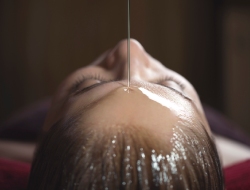
Abhyanga, daily warm oil massage, is praised in the Ashtanga Hridaya (Sutrasthana, ch. 2) as countering ageing, fatigue and Vata. Charaka (Sutrasthana, ch. 5) compares it to oiling a leather strap or cart axle to keep it supple. Warmth and massage can feel very good for tight muscles. Treat it as one part of a program, not a substitute for movement.
In clinic settings, Kerala-style therapies such as kati basti, janu basti and pinda sveda apply these principles to specific areas, and basti (medicated enema) is regarded in the texts as the foremost treatment for Vata. These are prescribed individually. Herbs traditionally used for joints, such as Ashwagandha, Guggulu, Shallaki, Rasna and Nirgundi, should be taken only after consulting a practitioner, especially if you take medication.
Cautions from the texts
Abhyanga is traditionally avoided in Kapha-predominant people, in the presence of ama (undigested, toxic residue), during indigestion and after purification therapies. Stiffness with heaviness, swelling, poor appetite and morning stiffness resembles Amavata (Madhava Nidana), a condition resembling inflammatory arthritis. Classical treatment there begins with langhana, deepana and pachana (lightening and digestive therapies), not heavy oils. It needs proper medical assessment.
Diet and Agni
No food suddenly makes joints flexible. Good nutrition simply supplies what muscles, bones and tissues need. In Ayurveda, diet is chosen based on digestive capacity (Agni), constitution, and current imbalance. For pronounced Vata, this often means:
- Warm, freshly cooked meals, soups and stews
- Cooked vegetables
- Adequate healthy fats, including ghrita (ghee) where suitable
- Sweet, sour and salty tastes, and snigdha (unctuous), ushna (warm) qualities
- Regular mealtimes and good hydration
Someone with inflammatory symptoms or excess Pitta may need a cooler approach, so there is no universal “flexibility diet”.
A note on fasting. Charaka lists six therapeutic approaches (shad upakrama), including langhana (lightening) and brimhana (nourishing). Vata-type stiffness in older adults usually calls for brimhana, not fasting. Older adults need adequate protein and energy to preserve muscle and function, so any fasting should account for age, nutrition, medications and health conditions.
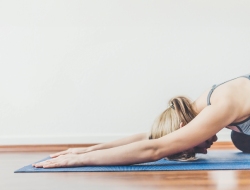
Yoga: adapting practice to the person
A well-designed yoga practice combines stretching, strengthening, balance, coordination, breath awareness and relaxation. Research suggests yoga may support balance, stress management, wellbeing and some musculoskeletal conditions, though evidence varies by condition.
The classical texts describe the same balance of mobility and stability. Patanjali defines asana as sthira-sukham asanam, a posture that is steady and comfortable (Yoga Sutra 2.46), achieved through prayatna-shaithilya, relaxation of effort (2.47). Sthira is stability and sukha is ease and range, which is exactly the mobility-plus-stability principle above. The Hatha Yoga Pradipika (ch. 1) says asana brings steadiness (sthairya), health (arogya) and lightness of the limbs (anga-laghava). On effort, the Ashtanga Hridaya (Sutrasthana, ch. 2) advises exercising only to about half one’s capacity (ardha-shakti), and Charaka (Sutrasthana, ch. 7) lists the benefits of regular vyayama (exercise) as lightness, capacity for work and steadiness.
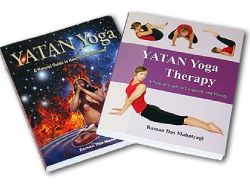
A simple posture done well, within your comfortable range, is worth more than an impressive-looking one forced. Someone with 30 years of practice should not follow the same program as a 70-year-old beginning with arthritis or a hip replacement. At Yatan, Yatan Yoga Therapy adapts the practice to the person rather than asking the person to fit a fixed sequence.
Mind and body: breath and tension
Stress makes us clench the jaw, tighten the shoulders and neck, and breathe shallowly. Yoga links posture with breath and awareness to help release unnecessary tension. Research suggests it may help some people with stress, sleep and mood, although benefits vary.
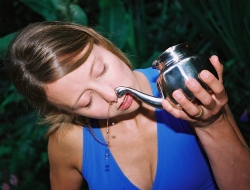
Pranayama builds awareness and control of breathing and can encourage relaxation. Coordinating slow breathing with gentle spinal movement helps you move consciously rather than force. Gentle options such as Nadi Shodhana and Dirgha (full, slow) breathing suit most people. Vigorous practices such as Bhastrika are unsuitable for people with high blood pressure, heart or respiratory conditions, and shouldn’t be prescribed routinely for stiffness.
A simple daily approach
You don’t need a long routine. Consistency beats the occasional intense session. Even five to ten minutes a day builds the habit of using your full range.
- Walk regularly and break up long periods of sitting.
- Gently move major joints through their comfortable range.
- Stretch the areas that tend to tighten.
- Keep up muscle strength and practise balance.
- Include a suitable yoga practice.
- Allow time for recovery and sleep.
Flexibility, independence and healthy ageing
The real value of flexibility is freedom of movement: bending down, turning, reaching overhead, walking comfortably and getting up from the floor. These abilities directly support independence and quality of life. Rather than accepting stiffness as inevitable, we can keep giving the body opportunities to move.
At Yatan Holistic Ayurvedic Centre, assessment and Yatan Yoga Therapy consider age, constitution, joint mobility, strength, previous injuries, pain, digestion, lifestyle, general health and your goals. The aim isn’t maximum flexibility but the most useful combination of mobility, strength, stability and ease for you.
FAQ
Can I regain flexibility at 70?
Yes, most people can improve their comfortable range with regular, gentle practice. Progress is usually gradual, and strength and balance work should accompany it.
How long should I hold a stretch?
About 20 to 30 seconds is a good general guide, to the point of mild tension and never pain.
Is oil massage good for stiff joints?
Warm oil massage (abhyanga) can relax tight muscles and feels nourishing, but evidence for improved flexibility is limited. It’s not suitable in every situation, such as indigestion or suspected inflammatory joint disease, so seek individual advice.
Is yoga safe with arthritis?
Often yes, when adapted to your joints and avoiding extreme or forceful positions. Check with your doctor and work with a qualified yoga therapist.

*Discover holistic healing with a complimentary phone or video consultation from our expert Ayurvedic practitioner. Start your path to better health today!*
Related Posts