











Abhyanga: Why Ayurveda Treats Oil Massage as Daily Self-Care
More Than a Massage
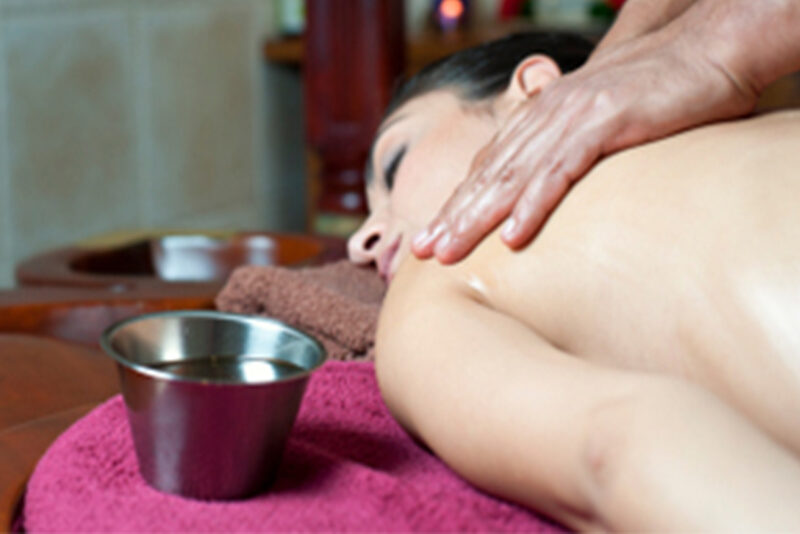
In Sanskrit, the word for oil, sneha, also means love. It is a small clue to how Ayurveda sees oil massage: less as a way to fix a sore muscle and more as a way of nourishing the whole person.
So what makes Ayurvedic massage different? Three things: it is personalised to your constitution, it uses warm, herb-infused oils chosen for their qualities, and it treats the person rather than just the muscle, taking sleep, digestion, stress and lifestyle into account.
For more than two thousand years, classical Ayurvedic texts such as the Charaka Samhita and Sushruta Samhita have recommended oil massage (Abhyanga) as part of a healthy daily routine (Dinacharya). Today it remains one of the best-known Ayurvedic therapies.
The Logic Behind Abhyanga: Opposites Balance
Ayurveda is built on a simple principle: like increases like, and opposites bring balance.
Take Vata, the dosha associated with movement and the nervous system. Its qualities are described as dry, light, cold, rough and mobile. Abhyanga offers the opposite: warm, oily, smooth, heavy and slow. That is the heart of why oil massage is so strongly associated with Vata-balancing care.
Ayurveda also links Vata with the sense of touch (Sparsha), and the skin is its primary seat. Touch that is warm, steady and nourishing is therefore considered especially soothing for a mind and body that feel scattered, anxious or depleted.
A note on traditional concepts. Doshas, Prana, Marma points and Ama are traditional Ayurvedic ideas, not medically established physiological categories. We use them as a framework for individualised care, not as a substitute for medical explanation.
Your Constitution Guides the Treatment
Before a session, an Ayurvedic practitioner may consider your Prakriti (your natural constitution) and your Vikriti (your current state of imbalance). This guides the choice of oil, pressure and technique.
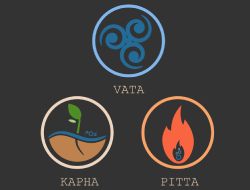
Vata Dosha
Traditional Qualities – Dry, light, cold, mobile
Common signs of imbalance -Restlessness, dry skin, light or interrupted sleep, feeling scattered
Typical massage approach – Warm, grounding oils such as sesame; slow, steady, nourishing strokes
Pitta Dosha
Traditional Qualities – Hot, sharp, intense
Common signs of imbalance -Irritability, feeling overheated, sensitive skin
Typical massage approach – Cooling, soothing oils; gentler, calming techniques
Kapha Dosha
Traditional Qualities – Heavy, cool, stable, oily
Common signs of imbalance – Sluggishness, heaviness, feeling stuck
Typical massage approach – Less oil, or dry powder massage (Udvartana); brisker, more stimulating movements
Most people are a combination of doshas, and your needs shift with the seasons, your age and your lifestyle. In Ayurveda, adapting care to the season (Ritucharya) is part of the practice.
Six Potential Benefits of Abhyanga
1. Calm for the Mind and Nervous System
Warm oil, rhythmic touch and a quiet room can help the body shift out of “go mode.” Massage is generally associated with the relaxation response, including a slower heart rate and a feeling of reduced tension. If you carry stress in your body or struggle to switch off, this is often the first thing people notice. Many also describe a lift in mood afterwards, which fits Ayurveda’s view that body and mind are inseparable.
2. Eased Muscular Tension
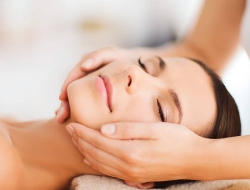
Abhyanga is often described as gentle, but a skilled therapist can vary pressure and technique to work on tight shoulders, neck, back and limbs. Massage therapy more broadly has shown short-term benefits for some musculoskeletal discomfort.
3. A Warm, Soothing Sense of Circulation
Massage temporarily increases blood flow to the skin and soft tissues, which many people experience as pleasant warmth. In Ayurveda, this is linked with reducing feelings of heaviness or stagnation. It is a local tissue response, not a treatment for circulatory conditions.
4. Nourished, Softer Skin
The generous use of warm herbal oil moisturises the skin and can leave it feeling soft and supple, which is especially welcome in colder months or for naturally dry skin. Oils should be chosen with allergies and sensitivities in mind.
5. Winding Down for Better Sleep
In Ayurveda, restless sleep is often connected with aggravated Vata, which is why warm oil massage is traditionally part of a calming evening routine. Many people feel more ready for rest afterwards. Evidence that Abhyanga reliably treats insomnia is limited, so think of it as a relaxing ritual rather than a cure.
6. Comfortable Movement
When soft tissues feel less tight, everyday movement often feels easier. Massage works best alongside stretching, yoga and regular activity rather than in place of them.
Try It at Home: Abhyanga as Daily Self-Care
Traditionally, Abhyanga was not only something done to you. It was something you did for yourself.
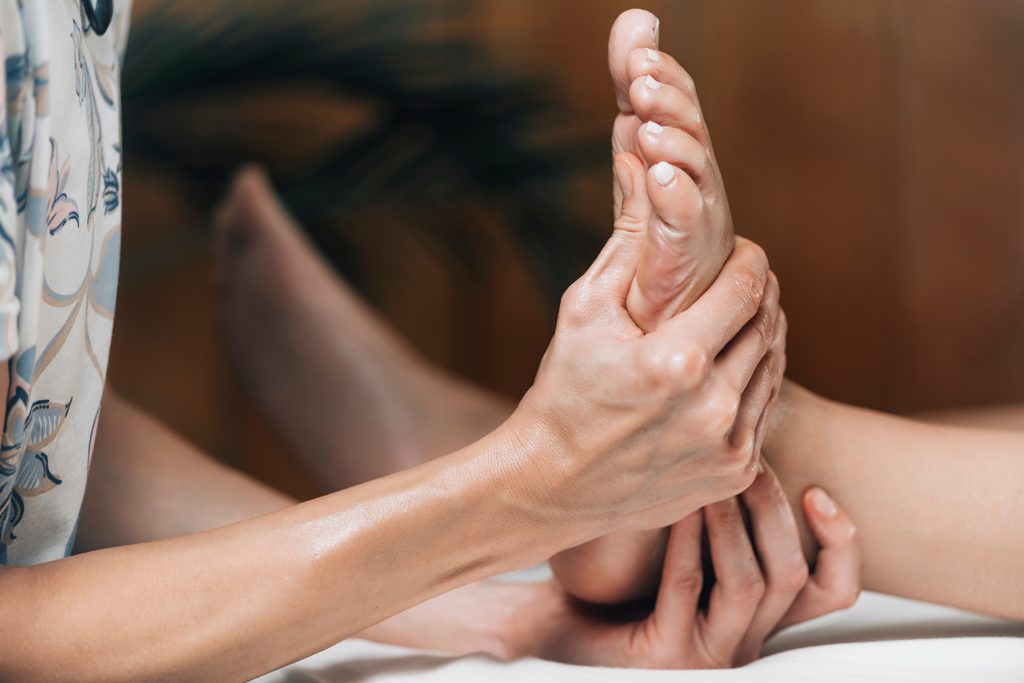
A simple self-massage routine might look like this:
- Gently warm a small amount of suitable oil.
- Use long strokes on the limbs and circular strokes on the joints, always with light to moderate pressure.
- Spend a few extra moments on the feet, hands and scalp, which are traditionally considered nurturing places to focus.
- Rest briefly, then wash off with warm water.
Choose your oil with your constitution and the season in mind, and patch-test a small area first. Take care on slippery floors afterwards. Your practitioner can recommend an oil and routine for you.
Beyond the Basics: Marma and Panchakarma
Marma massage. Classical texts describe 107 Marma points: vital locations where muscles, vessels, joints and other structures meet, and which are also associated with Prana (vital energy). Marma work uses gentle, focused pressure and is sometimes compared with acupressure, though the underlying systems differ.
Panchakarma. In Ayurveda’s traditional purification programme, oil massage (Snehana) and therapeutic warming (Swedana) are purvakarma, the preparatory steps that come before the main cleansing therapies. Ayurveda explains these as softening tissues and preparing the body.
Is Abhyanga Right for You?
Abhyanga may particularly appeal if you feel stressed or run-down, tend towards dry skin or restless sleep, carry tension in your body, or simply want to take time to slow down.
It is not suitable in every situation. Massage may need to be postponed or adapted if you have a fever, acute illness or infection, open wounds, contagious skin conditions, suspected blood clots, or if you have indigestion or feel unwell; Ayurveda traditionally advises against oil massage in these states. Take extra care during pregnancy or if you have circulatory disorders, recent surgery, fractures or a bleeding risk. Always tell your therapist about your medical conditions, medications and allergies.
Frequently Asked Questions
How often should I have Abhyanga? This depends on your needs, the season and your schedule. Your practitioner can suggest a rhythm, and self-massage at home can fill the gaps.
Will I feel oily afterwards? A little, yes. The oil is part of the experience. A warm shower afterwards usually suffices, and many people enjoy keeping a light film of oil on the skin for a while.
Is it the same as a relaxation or remedial massage? Not quite. Abhyanga uses warm herbal oils, rhythmic strokes and a personalised approach rooted in Ayurvedic principles, rather than focusing only on muscles.
Experience Abhyanga at Yatan
At Yatan Holistic Ayurvedic Centre in Gordon, Sydney, we select oils and techniques to suit your constitution and your needs on the day, offering a nurturing treatment grounded in Ayurvedic tradition.
Discover Ayurvedic Abhyanga Massage at our Gordon clinic, and explore our range of traditional Ayurvedic Massage Oils
Ayurvedic massage is a complementary wellbeing therapy and is not a substitute for medical diagnosis or treatment.

*Discover holistic healing with a complimentary phone or video consultation from our expert Ayurvedic practitioner. Start your path to better health today!*
Related Posts