















Burning Feet and Hands: Causes, Symptoms & Ayurvedic Support

A persistent burning sensation in the feet or hands can be uncomfortable and sometimes difficult to explain. The skin may feel hot or burning even when it does not feel unusually warm to the touch. For some people, the sensation occurs together with tingling, pins and needles, numbness or increased sensitivity.
Burning feet at night are particularly common, and some people find their symptoms become much more noticeable when they rest or try to sleep.
From an Ayurvedic perspective, burning sensations naturally suggest involvement of Pitta, which is associated with heat and the fire element. However, Ayurveda does not necessarily view every case in the same way. When burning occurs with tingling, numbness, or other altered sensations, Vata may also play an important role in the pattern.
What Causes Burning Feet and Hands?
Burning sensations in the hands and feet can have many possible causes. One important cause is peripheral neuropathy, which occurs when nerves outside the brain and spinal cord are damaged or don’t function normally.
Diabetes is a common cause of peripheral neuropathy, but burning or tingling sensations may also be associated with:
- vitamin deficiencies, particularly vitamin B12 deficiency
- nerve compression or injury
- thyroid conditions
- excessive alcohol consumption
- certain medications
- some kidney and other systemic conditions
- infections or inflammatory conditions
- circulatory or neurological disorders.
Sometimes a specific cause isn’t immediately apparent, which is why persistent symptoms may require medical investigation rather than being treated as excess body heat.
Why Are Burning Feet Often Worse at Night?
Some people experience relatively mild symptoms during the day but find that their feet become noticeably hot, burning or uncomfortable at night.
This can occur with some forms of peripheral neuropathy. Symptoms may also become more noticeable when there are fewer daytime distractions or when the feet become warmer under bedding.
The timing of symptoms can provide useful information. It is therefore worth noting whether the burning is constant or intermittent, whether it affects both sides equally and whether it is accompanied by numbness, tingling, pain, weakness or changes in the skin.
Burning Feet and Menopause
Some women notice increased sensations of heat during perimenopause and menopause. Hormonal fluctuations can affect temperature regulation and may contribute to hot flushes, night sweats and altered perceptions of heat.
However, persistent burning confined mainly to the feet or hands should not automatically be attributed to menopause. Other possible causes, including neurological and metabolic conditions, may still need consideration.
When Should Burning Feet or Hands Be Investigated?
Occasional sensations of warmth may not be concerning, but persistent, recurring or worsening burning should be discussed with a healthcare professional.
Medical assessment is especially important when burning is accompanied by numbness, reduced sensation, muscle weakness, problems with balance or walking, significant pain, skin changes, or wounds that heal slowly.
People with diabetes should watch for changes in foot sensation because reduced nerve sensation can make injuries harder to detect.
Sudden weakness or numbness, particularly affecting one side of the body or accompanied by difficulty speaking, facial drooping, severe headache or loss of coordination, requires urgent medical attention.
The Ayurvedic Perspective on Burning Feet and Hands
In Ayurveda, Pitta is associated with the qualities of heat, sharpness and transformation. A persistent burning sensation or excessive heat may therefore suggest Pitta involvement.
Other symptoms may help identify the broader Ayurvedic pattern. Where burning is accompanied by heat, redness or inflammation, Pitta may be particularly prominent.
Where there is tingling, pins and needles, numbness, dryness or symptoms that fluctuate or move, Vata may also be involved. Some people may therefore present with a combined Vata-Pitta pattern rather than a straightforward Pitta excess.
Ayurvedic assessment may also consider:
- digestion and Agni
- diet and eating habits
- bowel function
- sleep and stress
- general temperature regulation
- menstrual or menopausal changes where relevant
- the individual’s constitution (Prakriti)
- the current balance of the doshas (Vikriti).
This helps determine an individual approach, rather than assuming everyone experiencing burning feet needs the same Pitta-reducing program.
Diet and Pitta Balance
Where signs of aggravated Pitta are present, Ayurveda traditionally recommends reducing foods and habits considered excessively heating or irritating and favouring a balanced diet appropriate to the individual’s constitution.
Cooling foods may form part of this approach, but simply consuming very cold foods or iced drinks is not necessarily considered the Ayurvedic solution. Ayurveda generally considers both the qualities of food and how well the individual can digest it.
Dietary recommendations should therefore be personalised rather than relying on a standard list of foods for everyone with burning feet.
Ayurvedic Herbs and Treatment Approach
Ayurvedic care for burning hands and feet begins by considering the overall pattern and possible doshas involved.
Depending on the individual assessment, recommendations may include dietary and lifestyle changes, individually selected Ayurvedic herbal preparations and other traditional practices aimed at supporting dosha balance and general wellbeing.
Where menopause or menstrual changes coincide with the symptoms, these may be considered as part of the broader Ayurvedic assessment. However, hormonal changes should not automatically be assumed to cause persistent burning sensations.
Ayurvedic care can be used alongside appropriate medical investigation, particularly when an underlying neurological, metabolic or nutritional cause is suspected.
Can Pranayama Help?
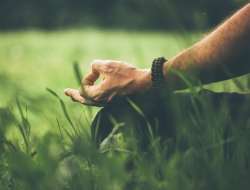
Traditional yoga practices may also be incorporated where appropriate. Sheetali (Shitali) Pranayama, sometimes called the cooling breath, is traditionally used in yoga to create a cooling and calming effect and may be considered where Pitta characteristics predominate.
View pranayama as a supportive wellbeing practice, not a treatment for an underlying neurological or medical cause of burning feet.
For more information on therapeutic yoga practices, see Raman Das Mahatyagi’s book Yatan Yoga Therapy.
Personalised Ayurvedic Support for Burning Feet and Hands
At Yatan Holistic Ayurvedic Centre, we consider burning sensations in the hands and feet within the individual’s overall health. Raman Das assesses the nature of the symptoms, along with digestion, diet, lifestyle, stress, constitutional type, and the balance of Pitta, Vata, and Kapha.
Where appropriate, recommendations may include personalised dietary and lifestyle advice, individually selected Ayurvedic preparations, yoga or breathing practices and other traditional Ayurvedic approaches.
Call 1300 552 260 for a complimentary 10-minute introductory call, or book an Ayurvedic consultation at our Gordon, Sydney clinic or by telehealth.

*Discover holistic healing with a complimentary phone or video consultation from our expert Ayurvedic practitioner. Start your path to better health today!*
Related Posts