










Calming Anxiety and Panic Naturally: Ayurveda and Yoga Practices That Help

Anxiety is a natural response to stress or perceived danger. However, when worry becomes persistent, or panic attacks occur unexpectedly, the experience can be frightening and disruptive to everyday life.
Ayurveda and yoga offer a holistic approach to managing anxiety, focusing on the relationship between the mind, nervous system, breathing, digestion and daily lifestyle.
With personalised Ayurvedic guidance, gentle yoga, pranayama (breathing practices), and meditation, you may be able to build greater emotional stability, improve stress management, and support long-term wellbeing.
Understanding Anxiety and Panic Attacks
Anxiety often shows up as constant worry, restlessness, muscle tension, poor sleep and trouble concentrating.
A panic attack is more sudden. It is a surge of intense fear or discomfort, sometimes without an obvious trigger, that may include:
- A racing heart or chest tightness
- Shortness of breath
- Sweating, trembling or dizziness
- Tingling in the hands and feet
- A feeling of unreality, or fear of losing control
Panic usually peaks within minutes and then settles. Many people begin to fear the next attack, which keeps the cycle going. Learning to meet these sensations with calm rather than alarm is a big part of recovery.
What Causes Anxiety and Panic Attacks?
Anxiety and panic attacks rarely have a single cause. They generally arise from a combination of biological, psychological and environmental factors.
Common contributors include:
- Prolonged emotional stress or traumatic experiences
- Genetic predisposition and heightened sensitivity to stress
- Poor sleep and irregular daily routines
- Excessive caffeine, nicotine or other stimulants
- Certain medications or substance withdrawal
- Hormonal changes and some underlying medical conditions
The Stress Response and Nervous System
During a perceived threat, the sympathetic nervous system activates the body’s fight-or-flight response. Stress hormones increase alertness, heart rate and breathing, preparing the body to respond to danger.
In some people, normal physical sensations such as a racing heartbeat may themselves trigger fear, reinforcing a cycle of anxiety. Learning to recognise these responses, rather than becoming increasingly frightened by them, is an important part of managing panic.
The Ayurvedic View: Calming Vata
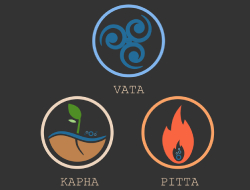
In Ayurveda, anxiety is most often linked to an imbalance of Vata dosha, the principle of movement. Vata governs breath, nerves and the flow of thoughts. When it is disturbed, you might notice:
- Racing thoughts and constant worry
- Restlessness and difficulty relaxing
- Light, broken sleep
- Irregular appetite and digestion
- Heightened sensitivity and nervousness
If anxiety comes with irritability or perfectionism, Pitta may be involved too. Ayurveda also speaks of Rajas (agitation) and Sattva (clarity and calm).
The goal is not to push anxious feelings away. The goal is to bring the system back into balance through nourishing food, regular routines, calming practices, and guidance suited to you.
Yoga and Pranayama for a Settled Mind
For anxiety, yoga works best when it is gentle. Think slow movement, easy breathing, rest and awareness rather than strenuous postures.
1. Ujjayi Pranayama – Encouraging a Calm, Steady Breath
Ujjayi Pranayama is a traditional yogic breathing technique that may help focus attention and encourage slower, more comfortable breathing.
It involves gently narrowing the throat while breathing to produce a soft, ocean-like sound.
How to practise:
- Sit comfortably with the spine relaxed and upright.
- Breathe gently through the nose.
- Slightly narrow the back of the throat to create a soft sound.
- Allow the inhalation and exhalation to remain smooth and unforced.
- Continue briefly while observing the breath and its sound.
The gentle sound provides a point of concentration, helping to redirect attention away from racing thoughts.
Slow, comfortable breathing may support relaxation and influence autonomic nervous system activity. However, Ujjayi should not be regarded as a guaranteed way to stop a panic attack.
During intense anxiety, avoid forceful breathing, breath retention or attempts to take excessively deep breaths. If Ujjayi feels uncomfortable, simply return to natural, gentle breathing.
2. Restorative Yoga and Yoga Nidra
Restorative yoga encourages the release of muscular tension and provides an opportunity for the body to settle.
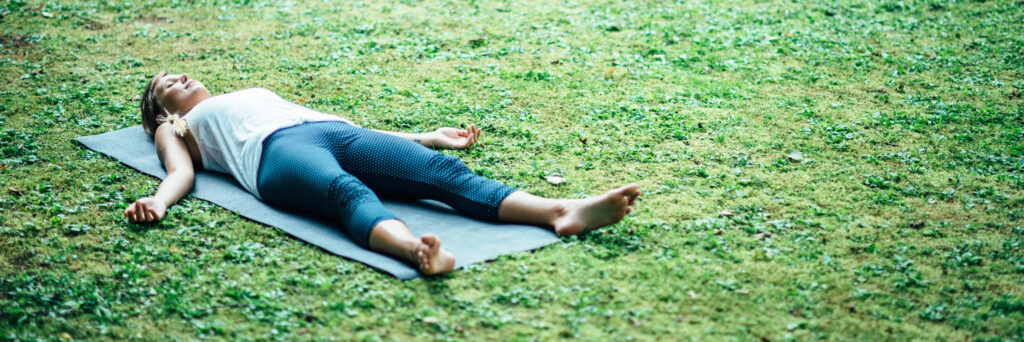
Suitable practices may include:
- Shavasana: A comfortable resting posture encouraging physical and mental relaxation.
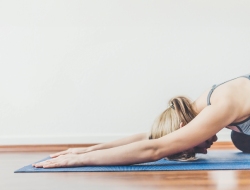
- Balasana: A supported child’s pose that may feel grounding.
- Gentle spinal movements: Helping release accumulated muscular tension.
- Yoga Nidra: Guided relaxation that encourages systematic awareness of the body and mind.
Even 10–20 minutes of gentle practice may provide a useful daily opportunity to unwind.
For people who find stillness uncomfortable or anxiety-provoking, movement-based or eyes-open practices may be preferable.
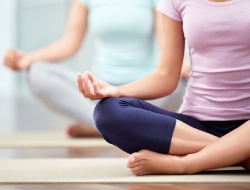
3. Meditation and Mindfulness
Meditation encourages awareness of thoughts without reacting to them immediately.
In Ayurveda and yoga, regular meditation is traditionally associated with cultivating Sattva — a clearer, calmer and more balanced mental state.
Simple techniques include observing natural breathing, silently repeating a mantra or gently bringing attention back to the present moment.
Consistency matters more than long sessions. Beginning with five minutes daily can establish a sustainable practice.
Daily Ayurvedic Habits That Ground Vata
Ayurveda places great value on Dinacharya, a steady daily routine. Predictability is deeply soothing for a restless nervous system.
Warm, Regular Meals
When Vata is high, Ayurveda recommends warm, freshly cooked and easily digested food such as soups, stews and cooked vegetables. Eating at regular times avoids long gaps that can leave you shaky and unsettled.
Go easy on caffeine and other stimulants. In sensitive people they can bring on jitteriness, palpitations and poor sleep.
Caring for Digestion
Ayurveda sees digestion (Agni) and emotional wellbeing as closely connected. Worry can upset the gut, and an unsettled gut can feed worry. Regular meals, good sleep and stress management all help keep digestion steady.
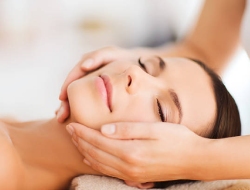
Abhyanga: Warm Oil Massage
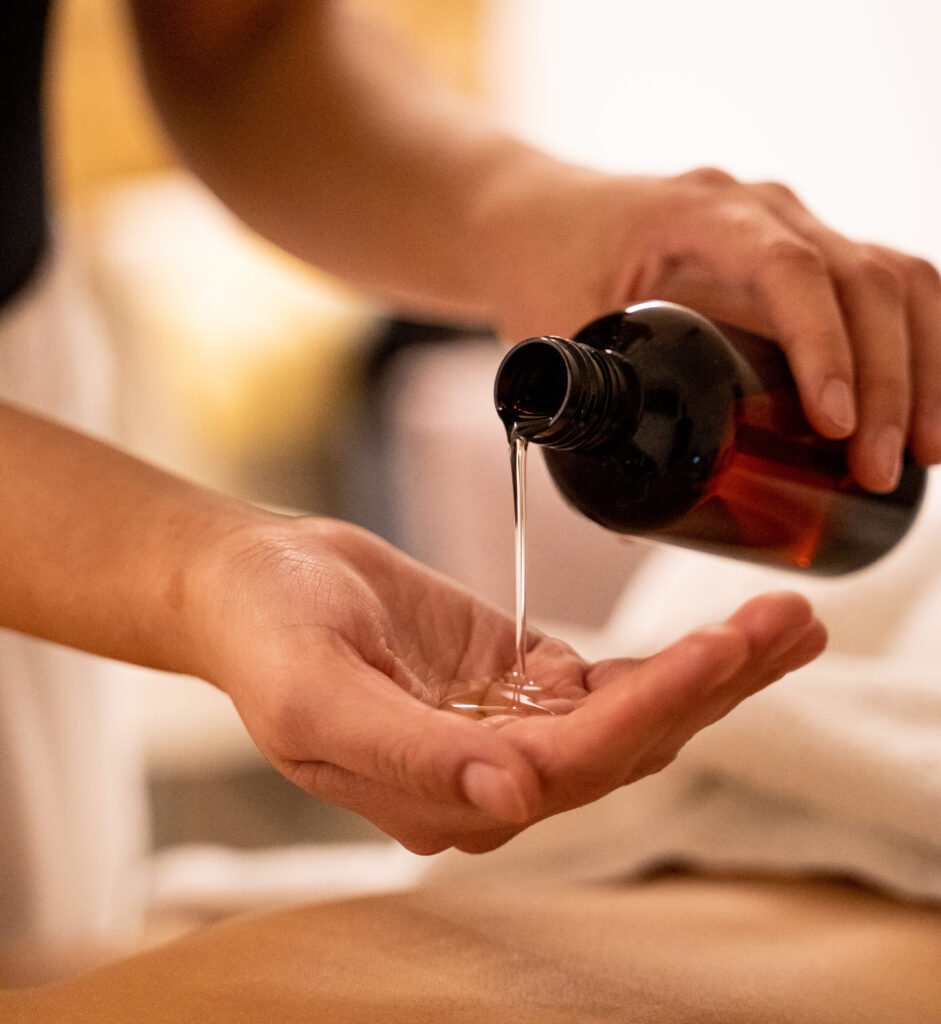
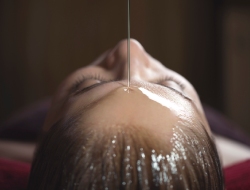
Abhyanga is a traditional remedy for Vata. A gentle self-massage with warm oil, perhaps before a shower, can become a comforting daily ritual that eases tension and signals the body to relax. The best oil depends on your constitution, so ask your practitioner.
Sleep, Movement and Rhythm
- Go to bed and wake up at consistent times.
- Spend time outdoors in natural daylight.
- Walk or move gently each day.
- Wind down with quiet, calming activities in the evening rather than screens or stimulation.
Herbs Traditionally Used for Calm
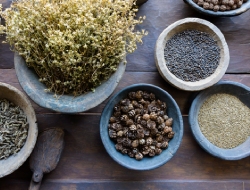
Ayurveda has long used herbs to support the mind and nervous system:
- Ashwagandha: Traditionally used to build resilience to stress.
- Brahmi: Associated with focus and mental clarity.
- Shankhpushpi: Used to promote mental calm.
- Jatamansi: Valued for its soothing qualities.
Herbs are not a one-size-fits-all remedy and are not established treatments for panic disorder. They can also interact with medications, so they should be prescribed by an Ayurvedic practitioner rather than self-prescribed.
Simple Steps During a Panic Attack
If the sensations feel familiar, try these:
- Find support. Sit down or lean against something solid.
- Let your breath settle. Don’t force it. Allow it to slow naturally.
- Ground yourself. Feel your feet on the floor and name a few things you can see.
- Remind yourself it will pass. Panic feels overwhelming, but it does subside.
- Be kind to yourself. Rest afterwards and reach out for support if you need it.
A Personalised Approach at Yatan
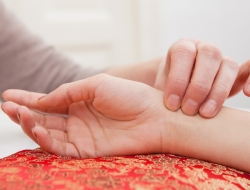
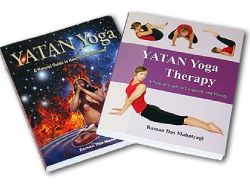
At Yatan Holistic Ayurvedic Centre, we know anxiety looks different for everyone. Our consultations take in your constitution, sleep, digestion, stress patterns and lifestyle. Your plan may include diet and lifestyle guidance, appropriate herbs, yoga therapy, pranayama and meditation.
These approaches are intended to complement, rather than replace, medical or psychological care such as cognitive behavioural therapy (CBT).
Supporting Your Emotional Wellbeing Naturally
Learning to manage anxiety is often a gradual process requiring patience, consistency and appropriate support.
Ayurveda and yoga provide practical ways to cultivate a steadier daily rhythm, develop body awareness and encourage relaxation.
If you would like personalised Ayurvedic and yoga therapy guidance for stress and emotional wellbeing, contact Yatan Holistic Ayurvedic Centre in Sydney on 1300 552 260 or book an Ayurvedic consultation.
Important: Ayurveda and yoga are complementary approaches. If you have new, severe or recurring symptoms, please see a qualified healthcare professional. Chest pain, serious breathing difficulty or other emergency signs need urgent care. In Australia, call 000.

*Discover holistic healing with a complimentary phone or video consultation from our expert Ayurvedic practitioner. Start your path to better health today!*
Related Posts