







Muscle Cramps & Leg Cramps: Causes, Prevention & Ayurvedic Support
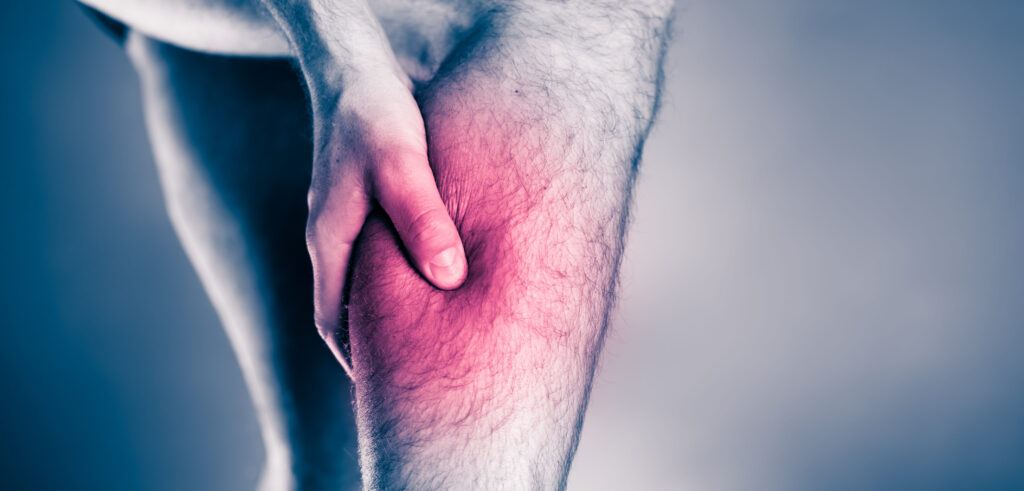
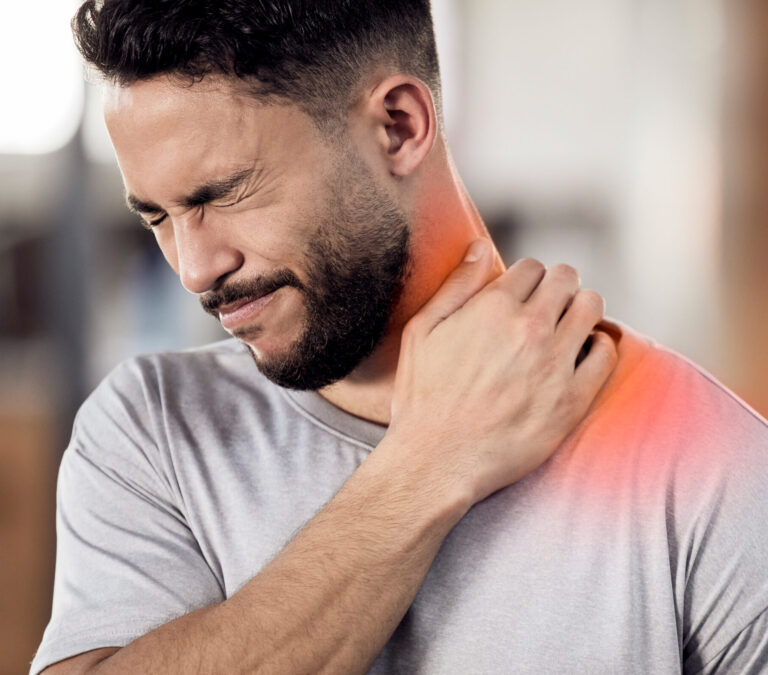
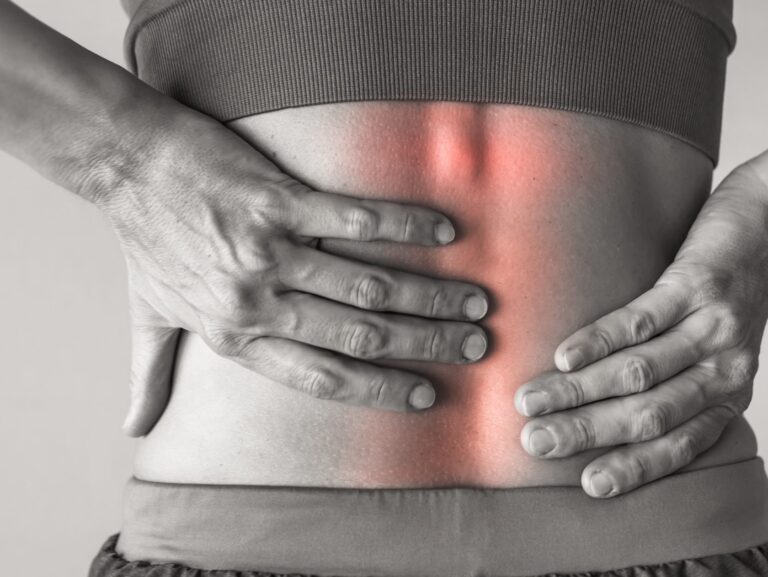
A muscle cramp is a sudden, involuntary tightening of a muscle. It can last only a few seconds or continue for several minutes, and while most cramps are harmless, the pain can be surprisingly intense.
Cramps are particularly common in the calves, feet and thighs, although any skeletal muscle can be affected. They may occur during exercise, after repetitive activity, while sitting or lying in one position for a long time, or suddenly during the night.
An occasional cramp is usually nothing to worry about. However, frequent or unexplained muscle cramps can have many possible causes, so simply taking magnesium without considering why the cramps are occurring may not solve the problem.
What actually causes cramps?
There’s no single cause. Exercise-related cramps were long blamed on dehydration, lost electrolytes or lactic acid. Research now points more strongly to neuromuscular fatigue, where the nerves controlling a tired muscle misfire. Heavy sweating in heat can still contribute, but it isn’t the explanation every time.
Contributing factors fall into three broad groups:
- How the muscle is used: overuse, fatigue, poor conditioning, long periods of sitting or standing, repetitive movement.
- State of the body: pregnancy, ageing and loss of muscle mass, significant fluid loss, low magnesium, potassium or calcium.
- Medical causes: nerve compression or neuropathy, reduced blood supply, kidney, liver, thyroid or metabolic disorders, and certain medications. Diuretics and statins are among those commonly linked to cramps.
Night cramps are especially common in older adults, and often no cause is found.
Is it really magnesium?
Not necessarily. Magnesium matters for nerve and muscle function, and true deficiency can cause symptoms. But having cramps doesn’t mean you’re deficient. A Cochrane review found magnesium unlikely to meaningfully prevent ordinary cramps in older adults, and the evidence for pregnancy-related cramps remains uncertain.
The better question is why the cramps are happening. Supplements should follow that answer, not replace it. If you’re pregnant, check with your doctor or midwife before taking any supplement or herbal product.
When it’s more than a cramp
Not every leg pain is a muscle cramp. Some causes need proper assessment:
- Peripheral artery disease (PAD): narrowed leg arteries can cause cramping in the calf, thigh, or hip while walking that eases with rest.
- Nerve compression in the lower spine: can cause leg pain along with weakness, tingling or numbness.
- Deep vein thrombosis (DVT): a blood clot in the leg can cause pain, swelling, warmth and redness, usually on one side. This is a medical emergency, and the calf should never be massaged.
See a doctor promptly if cramps are frequent, severe or worsening, or come with muscle weakness or wasting, numbness, swelling, changes in skin colour or temperature, cramps brought on by walking, or regular sleep disruption. Seek urgent care for a swollen, warm, painful calf on one side.
Muscle Cramps from an Ayurvedic Perspective
Two people can both get calf cramps for entirely different reasons. One is overtraining. Another has a dry, stiff, chronically tense body. A third has a circulation or nerve problem that needs investigating. Ayurveda starts from this idea: the same symptom can have different patterns behind it.
Vata and movement. Ayurveda associates cramping, twitching and spasm with Vata dosha, which governs movement in the nervous system and muscles. When Vata is aggravated, its dry, cold, erratic qualities can show up as tightness, stiffness and spasm. Interestingly, the classical Vata hours (roughly 2 to 6 a.m.) coincide with when many people get night cramps.
Agni and nourishment. Healthy muscle (Mamsa Dhatu) depends on good digestion and absorption. When Agni, the digestive and metabolic fire, is weak, tissues may be poorly nourished even when the diet looks adequate. So Ayurveda asks not only “what’s missing?” but “is nourishment being digested, absorbed and delivered?” Ayurveda considers structures such as tendons and ligaments (Snayu) alongside muscle.
Depleted or obstructed? Ayurveda distinguishes two broad patterns. In depletion (dhatu-kshaya), tissues are under-nourished, which may follow illness, weight loss, fasting or ageing, with dryness and cramps. In obstruction (srotorodha, or avarana), Vata’s movement is blocked in one area. This fits the muscle that cramps repeatedly while the rest of the body feels fine, where overload, chronic tightness, nerve irritation or poor circulation may be involved. The treatment approach differs for each.
Ayurvedic Treatment for Muscle Cramps
There is no one-size-fits-all remedy. These are common traditional approaches, adapted to the individual.
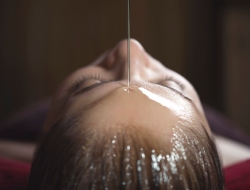
Oil massage (Abhyanga).
Warm oil massage counters Vata’s dry, cold, constricting qualities and eases chronically tense muscles. Herbal oils such as Mahanarayan oil are traditionally used. They are for external use only, so patch test first. Avoid massaging any leg that is hot, swollen, red or tender, and get unexplained leg symptoms assessed before any massage.
Diet, tissue nourishment and routine.
Ayurveda emphasises food you can digest well. The appropriate diet will vary according to constitution, digestive strength, age, activity and any underlying health conditions. For Vata-type dryness and stiffness, that usually means:
- warm, cooked, moderately oily meals (sesame oil, a little ghee)
- regular meal times rather than long gaps or fasting
- fewer cold, dry or raw foods
- regular sleep and a steady daily rhythm
Enough protein, fluids and a varied whole-food diet matter for any pattern, and heavy sweaters may need to replace fluids and electrolytes.
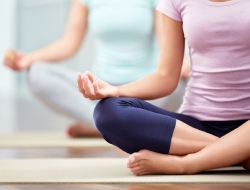
Yoga, stretching and movement
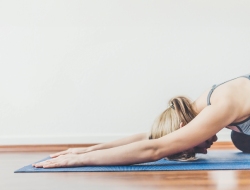
When a simple muscle cramp occurs, gently stretching the affected muscle is often one of the most effective immediate measures.
Gentle, regular movement also helps maintain muscular flexibility and conditioning. Postures such as Pawanmuktasana (wind-relieving pose), Uttanpadasana (raised leg pose), Shalabhasana (locust pose) and Padahastasana (hand-to-foot pose) may be selected according to your flexibility and strength. Take particular care, or avoid them, if you have lower-back problems, sciatica, hamstring strain, arthritis, osteoporosis, or heart conditions.
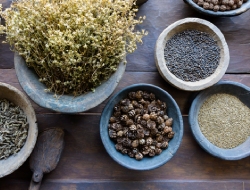
Ayurvedic Herbs.
Herbs such as Ashwagandha, Turmeric, Rasna and Guggulu are traditionally used for strength and nourishment in Vata conditions and muscle support. They should be chosen and dosed by a qualified practitioner, especially if you take medication or are pregnant.
When to get help
If cramps keep returning, an individual assessment can help separate a simple overuse pattern from one involving digestion, tissue nourishment, circulation or nerves. At Yatan Ayurveda, we look at the whole picture, including Vata balance, Agni, lifestyle, activity and constitution, and build a plan from there that may include dietary changes, herbs, Yoga Therapy or oil therapies. Where red-flag symptoms are present, we’ll point you to medical investigation first.

*Discover holistic healing with a complimentary phone or video consultation from our expert Ayurvedic practitioner. Start your path to better health today!*
Related Posts