





















Metabolic Syndrome, Insulin Resistance & Type 2 Diabetes: An Ayurvedic Perspective
Type 2 diabetes rarely appears overnight. In many people, metabolic changes develop quietly for years before blood glucose rises high enough for a diagnosis.
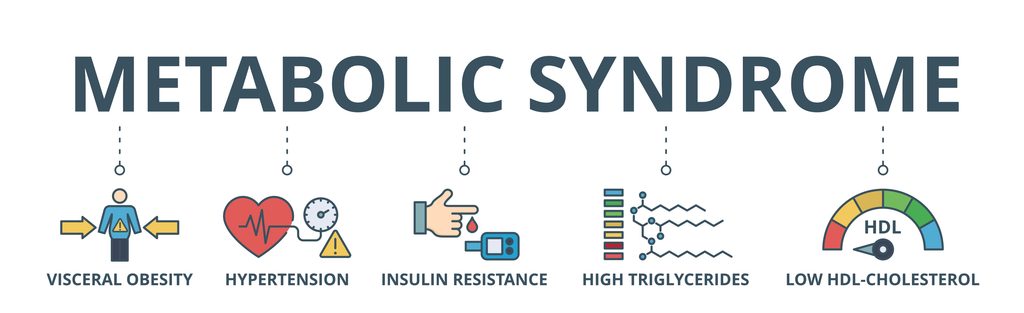
The process commonly begins with insulin resistance. It may progress to prediabetes and often occurs alongside abdominal weight gain, high blood pressure, abnormal cholesterol or triglycerides and fatty liver, a cluster known as metabolic syndrome.
Understanding this progression matters because the earlier you recognise it, the more you can do to reverse it.
Key points
- Insulin resistance means your cells respond less well to insulin, so your pancreas has to produce more insulin.
- Type 2 diabetes develops when the pancreas can no longer keep up with that demand, not simply because someone has eaten too much sugar.
- Fat stored in the wrong places (the liver, muscle, pancreas and around the abdominal organs) is a central driver.
- You can improve most steps early on through food quality, movement, muscle maintenance, sleep, and stress management.
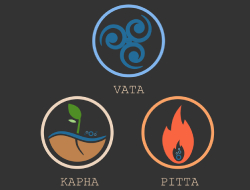
- Ayurveda describes related patterns under Prameha. It can support a lifestyle-based approach alongside medical care.
What is insulin resistance?
Insulin is a hormone made by beta cells in the pancreas. Its main job is to help glucose move from the bloodstream into muscle and other cells, where it is used for energy.
After a carbohydrate-containing meal, digestion releases glucose into the blood and the pancreas releases insulin. Normally, insulin acts like a signal telling cells: “Glucose is available. Take some in and use or store it.”
With insulin resistance, muscle, liver and fat cells respond less well to that signal. The pancreas compensates by producing more insulin, so blood glucose can stay normal for years while insulin levels quietly climb.
How insulin resistance becomes Type 2 diabetes, step by step
Type 2 diabetes usually develops through overlapping stages, often over ten years or more:
- Susceptibility meets a changing environment. Genetics, age, ethnicity and family history determine how much metabolic strain a person can tolerate. Inactivity, poor sleep, chronic stress and loss of muscle then add pressure.
- Surplus energy gets stored as fat. When someone regularly takes in more energy than they use, the excess is stored in fat tissue, whatever form it arrived in. Dietary fat, refined carbohydrates, sugary drinks and alcohol can all contribute. The body tends to burn carbohydrate first, which leaves more fat to be stored, and excess carbohydrate can also be converted into fat in the liver. Energy-dense, highly processed foods make a sustained surplus easy to reach, while inactivity and muscle loss reduce the energy being used. Fat eaten as part of a diet that matches your energy needs, such as olive oil, nuts and oily fish, is not the problem. The driver is the long-term surplus.
- Fat storage overflows. Fat under the skin can only store so much, and that capacity varies from person to person. Once the surplus exceeds what it can safely hold, fat builds up around the abdominal organs (visceral fat) and inside the liver and muscle, and possibly the pancreas. Enlarged, inflamed fat tissue also releases fatty acids and inflammatory signals into the blood.
- Cells stop responding properly to insulin. Fat in and around the liver and muscle interferes with insulin signalling. Muscle becomes less responsive to insulin’s signal to take up glucose after meals, although it can still take up glucose when it contracts, which is one reason physical activity is so useful. The liver becomes less responsive to insulin’s instruction to stop releasing glucose. Yet the liver stays responsive to insulin’s signal to make fat, so liver fat keeps building. This is why abdominal weight gain, high triglycerides, low HDL cholesterol, fatty liver and raised glucose tend to appear together.
- The pancreas compensates. Beta cells produce more insulin to overcome the resistance, so blood glucose usually stays in the normal range and this stage often goes unnoticed. Insulin levels are high, and high insulin is associated with further fat storage, fatty liver and raised blood pressure. How much of this is caused by insulin itself, rather than by the underlying resistance and excess body fat, is still debated.
- Beta cells begin to struggle. Years of high demand, inflammation, rising glucose and possibly fat in the pancreas gradually impair beta-cell function. The rapid first-phase insulin response to a meal is lost first. Glucose rises after eating in everyone, but now it climbs higher and stays elevated for longer because insulin arrives too late to blunt the peak. Fasting glucose may still be normal at this stage, which is why post-meal glucose can be the earliest abnormal sign. As the problem progresses, fasting levels start creeping up too. This is prediabetes.
- Compensation fails. When insulin output can no longer match the level of resistance, glucose rises into the diabetic range. Diagnosis is usually based on a fasting glucose of 7.0 mmol/L (126 mg/dL) or higher, an HbA1c of 6.5% (48 mmol/mol) or higher, or a 2-hour result of 11.1 mmol/L (200 mg/dL) or higher on an oral glucose tolerance test. This is Type 2 diabetes.
- High glucose makes things worse. Persistently high glucose and fatty acids further damage beta cells and deepen insulin resistance, which is why early action matters.
Not everyone follows the same path. Many people with insulin resistance never develop diabetes because their beta cells keep compensating. Others, particularly people of South Asian and East Asian background, tend to develop Type 2 diabetes at lower body weights and younger ages, often with an earlier beta-cell limitation. This fits with step 3: a lower fat storage capacity means overflow can start at a lower body weight.
The reassuring side of this sequence is that most steps can be modified. Reducing liver and pancreatic fat through weight loss, physical activity and better food quality can restore insulin sensitivity and, in some people with early diabetes, improve beta-cell function. Even a short walk after meals can help, because contracting muscle clears glucose from the blood without needing insulin. Results vary, and anyone taking diabetes medication should involve their doctor before making changes.

*Discover holistic healing with a complimentary phone or video consultation from our expert Ayurvedic practitioner. Start your path to better health today!*
Related Posts