












Erectile Dysfunction: Causes, Treatment & the Ayurvedic Perspective
Erectile dysfunction (ED) – difficulty achieving or maintaining an erection firm enough for satisfactory sexual activity is common, especially as men age, but it should never simply be dismissed as an inevitable part of ageing. Its causes range from circulation and metabolic health to hormones, medications, stress and emotional wellbeing, so persistent ED deserves proper assessment rather than a quick fix. Ayurveda takes a similarly broad view: rather than focusing only on the erection itself, traditional assessment considers a man’s overall vitality, digestion, stress, sleep, lifestyle and doshic balance.
What Is Erectile Dysfunction?
An erection depends on a complex interaction between the brain, nerves, hormones, blood vessels and emotional state. ED may involve:
- Difficulty achieving an erection
- Difficulty maintaining one
- Erections not firm enough for intercourse
- Difficulties that occur only in particular situations
Occasional difficulty is common, and not necessarily a medical problem – fatigue, alcohol, stress or anxiety can all temporarily affect performance. When the problem becomes persistent or recurrent, it’s worth investigating the underlying cause. ED is distinct from problems with sexual desire, ejaculation or fertility, though more than one concern can occur together.
Is It Just Ageing?
ED becomes more common with age, but ageing itself does not automatically cause it. What increases is the prevalence of contributing conditions:
- Cardiovascular disease
- Diabetes
- Hormonal change
- Medication use
- Reduced physical activity
A healthy older man can continue to have satisfactory erectile function, so a relatively sudden change should never simply be accepted as “getting older.”
What Causes Erectile Dysfunction?
Rarely is there a single explanation, and physical and psychological causes often overlap.
Circulation and metabolic health
An erection requires adequate blood flow into the penis, so conditions affecting the arteries can contribute, including:
- Atherosclerosis
- High blood pressure
- High cholesterol
- Cardiovascular disease
- Diabetes
- Metabolic syndrome
- Smoking
Because the vessels supplying the penis are relatively small, erectile difficulty can appear before other cardiovascular symptoms do – making persistent ED a useful prompt to have heart and metabolic health checked. Diabetes in particular is strongly linked, since prolonged high blood glucose affects both vessels and nerves.
Being overweight doesn’t cause ED through physical pressure on the reproductive organs. Rather, excess weight is often associated with changes in cardiovascular health, metabolism, hormones and inflammation that can affect erectile function – which is why weight management, physical activity, and reduced smoking and alcohol intake are often genuinely useful levers.
Hormones
- Low testosterone is only one possible factor
- Thyroid disorders, pituitary or other endocrine conditions can also play a role
- Cortisol imbalance may be involved
- Low libido and ED are not the same thing – a man can have erectile difficulty while retaining normal desire
A GP can arrange blood tests where hormonal causes are suspected.
Medications
Some medicines can contribute to ED, including those for:
- High blood pressure
- Depression and other mental health conditions
- Prostate conditions
- Other hormonal or chronic illnesses
Never stop or change medication without discussing it with the prescribing doctor, even if it’s a suspected cause.
Psychological factors
Stress activates physiological responses that interfere with arousal and relaxation, and performance anxiety can create a cycle where one episode of difficulty causes worry about the next. Contributing factors can include:
- Work or financial stress
- Depression or general anxiety
- Relationship difficulties
- Loss of confidence
- Past negative experiences
- Concerns about ageing or body image
These often sit alongside a physical cause rather than instead of one.
Why Discuss It With Your Doctor
Embarrassment prevents many men from raising ED, but it’s an extremely common issue, and occasionally an early sign of cardiovascular or metabolic disease. A GP may review:
- Medical history
- Cardiovascular risk factors
- Blood pressure, glucose and cholesterol
- Current medications
- Hormones
- Psychological or relationship factors
They may also refer you to a urologist or other specialist.
Medical treatment depends on the cause, and may include:
- Managing cardiovascular risk factors, diabetes or hormonal abnormalities
- PDE5 inhibitors such as sildenafil (Viagra) or tadalafil (Cialis) – these help increase blood flow in response to stimulation, aren’t suitable for everyone, and can interact dangerously with nitrate medicines
- Counselling or sex therapy
- Vacuum erection devices
- Injectable medicines
- Penile implants, in selected cases
Seek urgent medical attention for chest pain or an erection lasting more than four hours.
Vajikarana: Ayurveda and Male Sexual Wellbeing
Classical Ayurveda addresses erectile difficulty under the term Klaibya, discussed within Vajikarana – one of the eight traditional branches (Ashtanga Ayurveda) alongside disciplines such as internal medicine and surgery. Foundational texts such as the Charaka Samhita and later compendia like the Ashtanga Hridaya describe Vajikarana as concerned broadly with reproductive vitality, strength, and healthy ageing, not simply the mechanics of an erection.
Central to this understanding is Shukra dhatu, the last and most refined of the seven bodily tissues (dhatus) in Ayurvedic physiology, formed through the sequential transformation of the tissues before it. Shukra is closely linked to Ojas, the subtle essence said to underlie vitality, immunity and resilience. In this framework, sexual function is an expression of a man’s overall tissue health and vital reserve, not an isolated genital concern. Traditional contributors to depleted or poor-quality Shukra include:
- Poor digestion (Agni)
- Chronic stress
- Excessive exertion
- Malnutrition
- Ageing
Classical texts describe Klaibya as arising from causes that are manasika (psychological — fear, grief, anxiety, guilt) as well as sharirika (physical) — anticipating the modern recognition that ED is rarely purely one or the other. Traditional classification also distinguishes congenital or constitutional patterns from those that develop later through lifestyle, disease, or ageing, a distinction that still shapes Ayurvedic assessment today.
Doshas and Erectile Difficulties
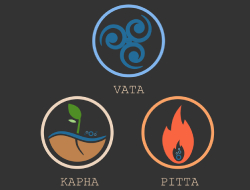
Practitioners also consider which of the three doshas is most disturbed:
- Vata-dominant: worry, nervousness, irregular sleep, performance anxiety → care emphasises regularity, rest, nourishment and calming routines
- Pitta-dominant: irritability, overheating, excessive intensity → care focuses on reducing overstimulation and supporting a cooler, calmer routine
- Kapha-dominant: heaviness, lethargy, metabolic sluggishness → addressed through movement, dietary change and metabolic support
These traditional categories don’t replace medical diagnosis — they’re a lens Ayurveda uses to individualise diet, lifestyle and herbal support.
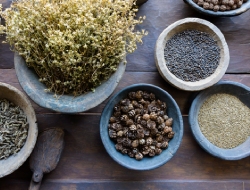
Traditional Herbs for Male Vitality
Several herbs appear repeatedly in classical Vajikarana formulations:
- Ashwagandha (Withania somnifera) — used as a Rasayana (rejuvenative) to support vitality, resilience and healthy stress response
- Gokshura (Tribulus terrestris) — appears in traditional formulations concerned with the urinary and reproductive systems
- Shatavari (Asparagus racemosus) — best known in women’s health, but also features in constitution-specific male formulations
- Shilajit — a mineral-rich substance used in Rasayana therapy, traditionally associated with strength and vitality
A herb’s traditional reputation doesn’t make it automatically right for every man. The underlying pattern, constitution, other health conditions and current medications all need to be considered, since these substances can interact with prescription medicines – which is why professional guidance matters, particularly for men on cardiovascular, diabetes or blood pressure medication.
Diet, Movement and a Personalised Approach
There’s no single Ayurvedic “ED diet.” Recommendations depend on:
- Constitution
- Digestive strength
- Metabolic health
- Other individual factors
Priorities differ substantially between, say, an overweight, sedentary man and a lean man under chronic stress with poor sleep.
Physical activity supports the cardiovascular and metabolic health that underpins erectile function. Yoga can add a further dimension through:
- Posture
- Breathwork
- Pelvic awareness
- Stress management
– selected according to age, constitution and fitness. Men with cardiovascular disease, uncontrolled blood pressure or significant musculoskeletal issues should get medical clearance before strenuous exercise or strong breath-retention practices.
An Ayurvedic consultation aims to identify this individual pattern rather than dispense a generic “male vitality” remedy, and may combine:
- Dietary guidance
- Lifestyle change
- Traditional herbal preparations
- Stress management
- Yoga
- Support for sleep and daily routine
This is used alongside, not instead of, appropriate medical care. Men already taking prescribed ED, cardiovascular, diabetes or blood pressure medicines should never stop or adjust them without consulting their doctor.
Supporting Male Sexual Wellbeing at Yatan Ayurveda
Erectile difficulties are common and nothing to feel embarrassed about. At Yatan Holistic Ayurvedic Centre, consultations are private and individualised. Principal practitioner Raman Das Mahatyagi draws on more than 30 years of experience in Ayurveda and yoga to consider constitution, lifestyle, general health and traditional Ayurvedic patterns, alongside appropriate conventional medical care.
Would you like to discuss whether an Ayurvedic approach may be suitable for you? Book a consultation at our Gordon, Sydney clinic, or arrange a telehealth consultation Australia-wide.
*Discover holistic healing with a complimentary phone or video consultation from our expert Ayurvedic practitioner. Start your path to better health today!*
Related Posts