





Scalp Psoriasis: Symptoms, Causes & Ayurvedic Support
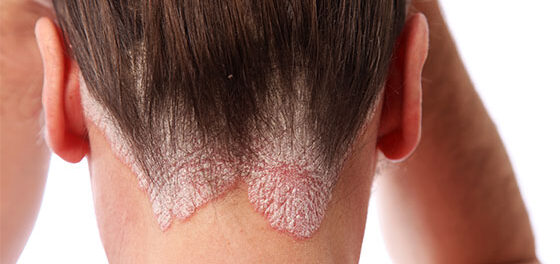
Scalp psoriasis affects the scalp, hairline and sometimes the skin behind the ears, the forehead or the back of the neck. It may be a single small patch or cover most of the scalp. Around half of people with psoriasis have scalp involvement at some point [cite source].
It can look like dandruff, but it is a chronic inflammatory condition. The immune system drives skin cells to multiply far faster than normal, and they build up as thick, scaly patches. Itching, flaking and changes at the hairline can disturb sleep and confidence.
This guide covers the symptoms, triggers, medical treatment and gentle scalp care, and explains how Ayurveda can support conventional treatment.
What does scalp psoriasis look like?
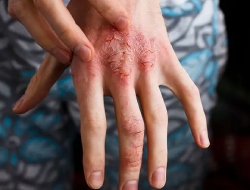
Severity varies widely, but common signs include:
- Well-defined red or inflamed patches (plaques)
- White or silvery scale
- Dry, flaky skin
- Itching, burning or tenderness
- Cracking or bleeding in irritated areas
- Scaling that extends past the hairline
- Temporary hair shedding
Scalp psoriasis vs dandruff: what’s the difference?
Dandruff produces loose flakes, often with an oily or irritated scalp. Psoriasis tends to form sharply defined patches with thicker, drier, silvery scale.
Dandruff is a mild form of seborrhoeic dermatitis, and the two can overlap with psoriasis (sometimes called sebopsoriasis). Scalp ringworm, eczema and lichen planus can also look similar. Don’t assume persistent or severe scaling is psoriasis – ask a GP or dermatologist to examine it.
What causes scalp psoriasis?
Psoriasis is an immune-mediated condition with a strong genetic component. Having the predisposition doesn’t mean symptoms are always present, and the condition typically cycles through flares and quieter periods.
Common triggers include:
- Emotional or physical stress
- Skin injury, irritation or scratching
- Infections, especially streptococcal throat infections
- Cold, dry weather
- Smoking and excessive alcohol
- Excess body weight
- Some medications, including lithium, beta-blockers and antimalarials, and abrupt withdrawal of oral steroids
Triggers differ from person to person. Never stop a prescribed medicine without medical advice.
Does scalp psoriasis cause hair loss?
It doesn’t normally destroy hair follicles, but temporary hair loss is common. It usually results from inflammation, scratching, forcibly removing scale, harsh hair treatments or breakage of dry hair. Hair typically regrows once the scalp settles. Still, persistent or unexplained hair loss should be assessed, as other conditions can cause it.
Conventional treatment
Treatment depends on severity and extent. A doctor may recommend:
- Medicated or coal tar shampoos
- Topical corticosteroids
- Vitamin D-based topicals (such as calcipotriol, often combined with a steroid)
- Salicylic acid preparations to loosen thick scale
- Phototherapy in selected cases (less effective through hair)
- Systemic or biologic medicines for extensive or hard-to-control disease
Because hair gets in the way, scalp treatments usually come as shampoos, solutions, foams or gels rather than creams.
An Ayurvedic Perspective
Ayurveda looks beyond the visible plaque to the whole person: digestion, bowel function, diet, sleep, stress, lifestyle and constitution.
Classical texts, including the Charaka Samhita, Sushruta Samhita and Ashtanga Hridaya, group chronic skin disorders under Kushta. Charaka describes Kushta as involving all three Doshas acting on four tissues (Dushyas): Twak (skin), Rakta (blood), Mamsa (muscle/deeper tissue) and Lasika (lymph/tissue fluid). The texts also give causes (Nidana), including incompatible food combinations (Viruddha Ahara), suppressed natural urges and impaired digestion (Agni).
Psoriasis is not named as such, but practitioners commonly compare it with Ekakushta (dry, scaly patches likened to fish scales) and Kitibha (rough, thickened plaques). For scalp symptoms such as itching, flaking, dryness and hair fall, the texts describe Darunaka, which is usually compared with dandruff or seborrhoeic dermatitis and sometimes with scalp psoriasis. These are traditional frameworks, and the comparisons with psoriasis are modern interpretations rather than exact equivalents.
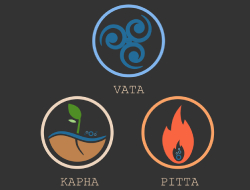
Conditions arise from imbalance of the Doshas affecting the skin, blood and deeper tissues, together with impaired digestion (Agni):
- Pitta: more redness, heat and inflammation
- Kapha: thicker, heavier, persistent plaques
- Vata: dryness, cracking and roughness
Most people show more than one pattern, which is why Ayurveda favours individual assessment over a standard herb or diet. These concepts are distinct from the biomedical explanation above.
At Yatan Holistic Ayurvedic Centre, a practitioner may consider:
- Dietary advice and digestive health
- Individually selected herbs
- Daily routine and stress management
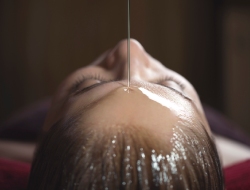
- Ayurvedic oils or external preparations
- Yoga and breathing practices
- Panchakarma in selected cases
Ayurvedic care can be used alongside medical treatment. If you use Ayurvedic products, tell your GP and practitioner about everything you take.
Diet and scalp psoriasis
A diet built around vegetables, fruit, legumes, nuts, seeds, whole foods and healthy fats supports overall metabolic and cardiovascular health, which matters because psoriasis is linked with other inflammatory and metabolic conditions. In Ayurveda, food advice is adjusted to your digestion, constitution and current Dosha pattern. As aggravated Pitta and Kapha are often involved, dietary advice to pacify these may be given.
Other advice may include:
- Weight loss if you are overweight
- Limiting alcohol
- Avoiding gluten only if you have coeliac disease or a confirmed sensitivity
Stress and scalp psoriasis
Stress can trigger flares, and living with visible, itchy skin is stressful in itself:
stress → flare → discomfort and worry → more stress
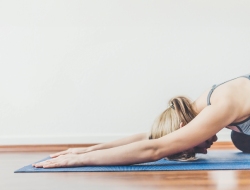
Good sleep, exercise and relaxation help break the cycle. Meditation, yoga and Pranayama can be added according to your needs and capacity.
Caring for a psoriasis-prone scalp
Skin trauma can provoke psoriasis, so gentle care matters. Itching, scratching and irritation feed each other, and thick scale makes treatments harder to apply. To protect the scalp:
- Wash and handle it gently
- Soften thick scale with an oil or scale-loosening product rather than scraping it
- Keep heat from hairdryers and styling tools low
- Choose loose hairstyles and gentle, fragrance-free products
- Postpone colouring, straightening and chemical treatments during a flare
- Keep nails short and use a calming routine to resist scratching
When to see a doctor
Seek medical assessment if:
- You’re unsure whether it’s psoriasis
- The scalp is extensively affected, or psoriasis is spreading to other areas
- Plaques are painful, weeping, crusted or repeatedly bleeding (possible infection)
- Itching disrupts your sleep
- Hair loss is considerable or unexplained
- Treatment has stopped working
- You develop persistent joint pain, swelling or stiffness, which may signal psoriatic arthritis
Seek urgent care for sudden, widespread redness or peeling of the skin.
FAQs
Is scalp psoriasis contagious?
No. You can’t catch it or pass it on.
Can scalp psoriasis be cured?
There’s currently no cure, but it can usually be well controlled, and many people have long symptom-free periods.
Will my hair grow back?
Usually yes. Hair loss is typically temporary once the inflammation settles.
What does Ayurveda call psoriasis?
Psoriasis isn’t named in the classical texts. Practitioners commonly compare it with Ekakushta and Kitibha, within the wider Kushta group of skin disorders.
Personalised support in Sydney
Scalp psoriasis varies from person to person. Modern dermatology is very effective at controlling inflammation and scale, and Ayurveda adds a framework that considers digestion, diet, lifestyle and stress. At Yatan, psoriasis support is personalised rather than based on a standard treatment for every patient.
For a broader discussion of psoriasis, including its different presentations and the Yatan Ayurvedic approach, see our Ayurvedic Treatment for Psoriasis Conditions page.
Consultations are available at our Gordon, Sydney clinic and by telehealth Australia-wide.
*Discover holistic healing with a complimentary phone or video consultation from our expert Ayurvedic practitioner. Start your path to better health today!*
Related Posts