




















Acid Reflux: Causes, Symptoms, Diet & Ayurvedic Support

Acid reflux occurs when stomach contents flow back up into the oesophagus. The result is often heartburn, a burning sensation behind the breastbone, but it can show up in other ways too. Occasional reflux is very common. When it becomes frequent or persistent, it may be diagnosed as gastro-oesophageal reflux disease (GERD).
Many people try to manage it themselves with antacids or proton-pump inhibitors (PPIs). These can play a role in conventional treatment, but persistent reflux should be medically assessed rather than repeatedly self-treated, as contributing factors may need investigation. In this article, we look at the symptoms, causes, risk factors, diet and lifestyle measures, and the Ayurvedic approach to reflux.
Common Symptoms
Reflux affects people differently and varies in intensity. The most commonly reported symptoms are:
- A burning sensation in the chest or oesophagus (heartburn)
- Regurgitation, or a sour or acidic taste in the mouth
- Watery mouth or hypersalivation
- Chronic belching or hiccups after eating
- Hoarseness or a constant need to clear the throat
- Gas, bloating and indigestion
Less common symptoms include nausea, vomiting, wheezing and difficulty swallowing. Unexpected weight loss, vomiting blood and dark or bloody stools are warning signs that need prompt medical attention (see below).
What Causes Acid Reflux?
Reflux happens when the barrier between the stomach and oesophagus fails to keep stomach contents where they belong. Contributing factors include large or late meals, eating quickly or anxiously, certain foods and drinks, being overweight, pregnancy, smoking and hiatus hernia.
It is tempting to think reflux is simply caused by too much stomach acid, but that is often only the tip of the iceberg. A thorough practitioner will ask why the acid is being produced in the first place. Is there a lack of digestive enzymes, and if so, why? Which organ is the problem really starting from? Sometimes reflux is linked to an underlying condition such as fatty liver, gallstones, hormonal imbalance, kidney dysfunction or diabetes, or to metabolic or emotional factors. In this sense, the body can be seen as running in emergency mode, producing extra acid to compensate for something it lacks.
Who is at greater risk?
Anyone can have an episode of reflux after a heavy meal, and this is not a cause for concern. Chronic reflux is more likely if you:
- Are over 40
- Are overweight or obese
- Smoke
- Eat shortly before bedtime
- Are physically inactive
- Drink alcohol heavily
- Take certain medications, such as calcium channel blockers, sedatives, antihistamines, asthma medicines or painkillers
If you tick several of these boxes but have no symptoms yet, acting early can help prevent them from developing.
The Ayurvedic Perspective on Acid Reflux
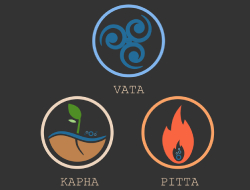
In Ayurveda, reflux is most commonly associated with an aggravation of Pitta, the dosha linked to heat and transformation. This explains the burning, acidity and sour taste. Vata, the dosha governing movement, is often involved as well, and is thought to drive acid upward through the oesophagus. Where bloating, belching, heaviness or sluggish digestion are present, Kapha may also play a part.
Traditionally, the condition falls within the concept of Amlapitta, literally “sour Pitta”. Ayurveda also places great importance on Agni, or digestive fire. Irregular eating, overeating, unsuitable foods, stress and lifestyle habits can all disturb Agni and unsettle the doshas. This is why an Ayurvedic practitioner looks at your whole digestive pattern, constitution, diet and lifestyle rather than acidity alone.
Ayurvedic Support for Acid Reflux
At Yatan, care is personalised to your symptoms, constitution, diet, lifestyle and digestive pattern. The aim is to support balanced digestion and address the imbalances identified during consultation. Recommendations may include individually selected Ayurvedic herbs, changes to meal timing and eating habits, an appropriate diet, and lifestyle or yogic practices where suitable. Where symptoms are persistent or unusual, medical investigation may also be recommended.
Diet for Acid Reflux
There is no single reflux diet that suits everyone. A food that triggers symptoms in one person may cause no trouble in another, so identifying your own pattern is usually more useful than working through a long, restrictive list.
From an Ayurvedic perspective, where Pitta is prominent, meals emphasise cooling, soothing foods and reduce those that are particularly hot, spicy, acidic or irritating for you. Your plan will also consider whether a food aggravates another underlying condition and whether you tolerate it well.
Foods commonly reduced or avoided include soy sauce, citrus fruits, balsamic vinegar, alcohol, beans, pineapple, red meat, pork, seafood, chilli and spicy foods, white bread, fried foods and processed foods.
Foods that generally suit a reflux-friendly diet and are less likely to aggravate the doshas include apple, papaya, pomegranate, watermelon, guava, spinach, asparagus, artichokes, choko, barley, gluten-free grains such as buckwheat, lentils, mung beans, chickpeas, cooked vegetables and white rice.
Practical habits that may also help:
- Eat smaller meals rather than very large ones
- Eat slowly and chew thoroughly
- Avoid lying down soon after eating
- Leave adequate time between your evening meal and bedtime
- Limit the foods and drinks that consistently trigger your symptoms
- Maintain a healthy weight where appropriate
Yoga and Pranayama
Gentle yoga and breathing practices can complement an Ayurvedic program by supporting relaxation, healthy digestion and general wellbeing. Cooling breath practices such as Sitali (Cooling Breath) and Sitkari (Hissing Breath) are traditionally used where Pitta predominates. Some postures, such as Cobra and Locust pose, may also be recommended to support digestion.
Yoga should complement, not replace, appropriate medical care for persistent reflux. Strong abdominal practices or postures that increase pressure on the abdomen may not be suitable while symptoms are active, so any practice should be individually assessed.
What Happens if Reflux Is Left Untreated?
Reflux is better understood as a signal that something in the body is out of balance than as a condition in its own right. Long-standing, untreated GERD can damage the oesophagus and may be associated with complications such as oesophagitis and Barrett’s oesophagus. Chronic digestive disturbance can also affect wider health, which is another reason to look for the root cause early rather than only suppressing symptoms.
When to Seek Medical Advice
Occasional heartburn is common, but frequent or persistent symptoms should be discussed with a doctor. Seek prompt medical advice if reflux is accompanied by:
- Difficulty or pain when swallowing
- Unexplained weight loss
- Persistent vomiting, or vomiting blood
- Dark or bloody stools
- Worsening symptoms
Chest pain should never automatically be assumed to be heartburn. Seek urgent help if it is severe, or comes with shortness of breath, sweating, dizziness or pain spreading to the arm, jaw or back.
Looking for Ayurvedic Support for Acid Reflux?
If you experience recurring acid reflux and would like to explore a personalised Ayurvedic approach, Raman Das can assess your symptoms, digestive pattern, diet, lifestyle and Ayurvedic constitution before recommending an appropriate program.
Call 1300 552 260 for a complimentary 10-minute introductory call, or book an Ayurvedic consultation at Yatan Holistic Ayurvedic Centre in Gordon, Sydney.
Disclaimer: This article is not intended to substitute for medical advice. Please consult a medical practitioner if you require advice or are experiencing any worrisome symptoms.

*Discover holistic healing with a complimentary phone or video consultation from our expert Ayurvedic practitioner. Start your path to better health today!*
Related Posts