

















Good Mucus vs Bad Mucus: Understanding Mucus Through Ayurveda

In brief
- Healthy mucus protects the body. The aim is balance, not elimination.
- Changes in colour, thickness or amount are clues, not diagnoses.
- Ayurveda links mucus with Kapha, but also considers Vata, Pitta and digestion.
Mucus has a poor reputation, especially when we have a blocked nose, persistent phlegm or a productive cough. Yet healthy mucus is essential. It protects our tissues, supports immunity and keeps the body’s surfaces moist.
Problems arise when mucus becomes excessive, thick or hard to clear, or when the mucous membranes become too dry. Ayurveda often relates these changes to Kapha dosha, although Vata, Pitta, digestion and lifestyle can all play a part.
What Is Mucus and Why Do We Need It?
Mucus is a slippery, gel-like secretion made by specialised cells in the mucous membranes. It is mostly water, together with mucins (protective proteins), electrolytes, enzymes and immune substances.
It is found throughout the body:
- Respiratory tract: traps inhaled particles, allergens and microorganisms.
- Digestive tract: lubricates food and shields the stomach and intestinal lining.
- Eyes and mouth: mucins contribute to tears and saliva, keeping surfaces moist and comfortable.
- Urinary and reproductive systems: helps protect delicate tissues and supports their normal functions.
In the airways, tiny hair-like structures called cilia sweep mucus towards the throat, where it is swallowed or cleared. This removes dust, pollutants and microorganisms before they build up.
Healthy mucus is therefore part of the body’s natural defence system, not simply a waste product.
Healthy vs Problematic Mucus
Normal respiratory mucus is clear, thin and slippery, and we barely notice it. It changes when the body responds to infection, allergens, inflammation or irritants.
| What you notice | What it may mean | Worth knowing |
| Clear and thin | Normal. If excessive, often allergies, irritants or an early cold | Healthy mucus moves easily without causing discomfort |
| White or cloudy | Congestion, inflammation, dehydration or infection | Often settles as the illness passes |
| Yellow or green | Immune activity during an infection | Colour alone cannot tell a viral infection from a bacterial one |
| Thick and sticky | Dehydration, dry air, inflammation or poor clearance | Fluids and humidity often help |
| Blood-streaked | Irritated nasal tissue | See a doctor if it persists or if you cough up blood |
Rather than asking whether mucus is “good” or “bad”, it is more useful to ask: is it doing its protective job, or pointing to an underlying disturbance?
What Causes Excess Mucus?
Common causes include colds, influenza and sinusitis; allergies to pollen, dust mites or mould; smoke and air pollution; and chronic inflammatory respiratory conditions.
Postnasal drip, where mucus drains from the nose into the throat, can cause constant throat clearing or coughing. Acid reflux can also irritate the throat and create a mucus-like sensation. A persistent feeling of mucus in the throat does not always mean too much is being produced. Sometimes the real issue is irritation, dryness or heightened sensitivity.
The Ayurvedic Perspective: Kapha and Mucus
Ayurveda links mucus to Kapha, but the two are not the same thing. Kapha is associated with earth and water, and its qualities include heaviness, coolness, softness and moisture. In balance, it supports structure, lubrication, strength and resilience. Mucus reflects some of these qualities, but Kapha is a far broader concept.
Ayurveda also describes Kapha by location. Avalambaka Kapha supports the chest and lungs, and Tarpaka Kapha nourishes the head and sinuses. This helps explain why Kapha imbalance often shows up as chest and sinus congestion. Classical texts describe these patterns under names such as Pratishyaya (rhinitis and colds), Kasa (cough) and Peenasa (chronic sinus complaints).
Excess Kapha
When Kapha is aggravated, Ayurveda traditionally associates it with:
- Excess phlegm and congestion
- Heaviness in the head and body
- Sluggishness and lethargy
- Reduced appetite or a feeling of incomplete digestion
Kapha naturally accumulates in late winter and spring, which is why congestion often rises then. For Sydney readers, this overlaps with hay fever season.
Ayurveda also says weak digestion (Agni) can create Ama, meaning undigested or incompletely processed material that builds up in the body. Ayurveda considers weak digestion and Kapha accumulation together when assessing congestion.
Vata and Pitta
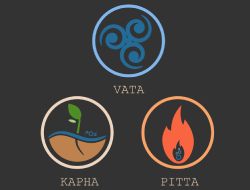
Not every mucus problem is Kapha. Vata is associated with dryness and roughness, so dry nasal passages or thick, hard-to-clear secretions may reflect Vata. Pitta is associated with heat, so burning, irritation and inflammation may point to Pitta.
These patterns help a practitioner individualise advice. They do not replace medical investigation of infections, allergies or other conditions.
Ayurvedic Approaches to Balancing Mucus
Ayurveda aims to support the body’s natural balance rather than just suppress symptoms. The right approach depends on whether the main issue is excess secretion, congestion, inflammation or dryness.
1. Hydration and food
Good hydration keeps mucus thin and easier to clear. Warm water, soups, and caffeine-free herbal teas are gentle on an irritated throat.
Food advice differs by pattern:
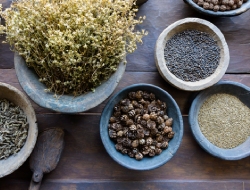
- Kapha-type congestion: light, warm, freshly cooked meals such as vegetable soups, spiced lentil dishes and cooked vegetables. Ginger, black pepper, turmeric, cumin and cardamom are traditionally used to support digestion. Reduce heavy, oily, or very rich foods.
- Vata-type dryness: warm, moist, lightly oily foods, such as soups, stews and cooked grains with a little ghee or oil, rather than strongly drying or stimulating foods.
2. Saline nasal cleansing (Jala Neti)
Jala Neti is a traditional yogic practice of gently rinsing the nasal passages with saline. Done correctly, it can clear secretions, allergens, and irritants, improving nasal comfort.
Safety is essential. Use only distilled or sterile water, or water that has been boiled for at least one minute and cooled. Never use untreated tap water. Use an isotonic saline solution (about 0.9% salt), since plain water or very salty water irritates the nose. Clean and dry your equipment after each use. Avoid neti when your nose is completely blocked, and do not use it on young children without professional guidance.
3. Nasya
Nasya is the classical practice of placing medicated oil in the nostrils. It is traditionally used for dryness, particularly in Vata patterns. Because oils and techniques vary, it should be guided by a practitioner.
4. Gentle yoga and breathing
Gentle movement, diaphragmatic breathing and modified yoga postures can support relaxation and respiratory awareness. Forceful practices such as Kapalabhati and Bhastrika are sometimes recommended for Kapha patterns, but they are unsuitable for people who are pregnant or have high blood pressure, epilepsy, heart or significant respiratory conditions, or have had recent abdominal surgery. Avoid them during acute respiratory distress or infection.
What About Too Little Mucus?
Dry mucous membranes can be just as uncomfortable. Dryness in the nose, mouth, eyes, or throat may cause irritation, crusting, difficulty swallowing, or a persistent sense of congestion. Causes include dehydration, dry air, medications, hormonal changes and some medical conditions.
Ayurveda often interprets this as aggravated Vata or reduced lubricating Kapha qualities. Traditional approaches include adequate fluids, warm cooked foods and nourishing ingredients. Traditionally used herbs such as Shatavari or Vidarikand may be considered after individual assessment. Persistent dryness, especially of the eyes and mouth together, should be medically investigated.
Here are some helpful, holistic tips for balancing out your mucus depending on whether it is in excess or in shortage:
| Balance a mucus excess with… | Balance a mucus lack with… |
|---|---|
| Trikatu | Taro (Colocasia esculenta) |
| Ginger, black pepper, chilli, turmeric, cloves, mustard seed, cardamom | Carrot, beetroot, sweet potato, asparagus |
| Neti pot nasal cleansing | Barley |
| Lemon, lime, onions, pineapple, honey, garlic | Cinnamon |
| Pranayama: Bhastrika, Kapalbhati | Chopchini |
| Yoga: Forward bends, Sun Salutations | Ayurvedic herbs: Shatavari, Vidarikand |
When to Seek Medical Advice
Most short-term changes in mucus come from minor illness or environmental factors. See a doctor if you have:
- Symptoms lasting more than 10 days without improvement, or that worsen after initially improving
- A cough lasting more than three weeks
- A fever that persists
- Significant facial pain, recurrent sinus problems or prolonged congestion
- Wheezing or breathing difficulty
- Repeated blood-stained mucus or unusual discharge
- Unexplained weight loss or ongoing fatigue
Seek advice sooner for infants and young children, and for people with asthma, COPD or a weakened immune system. Severe breathing difficulty or coughing up significant blood needs urgent medical care.
A Personalised Approach at Yatan
At Yatan Holistic Ayurvedic Centre in Sydney, we consider mucus concerns within the context of each person’s constitution, digestion, lifestyle and symptoms. A consultation may explore the influence of Kapha, Vata and Pitta, along with diet, environment and daily habits. Recommendations may include dietary guidance, Ayurvedic herbal preparations, lifestyle changes, yoga therapy and traditional nasal practices, while recognising when conventional medical care is needed.
Mucus is essential for health. The goal is not to eliminate it, but to support its normal function and understand what changes may be telling us about the body.
If you have recurring congestion, excess phlegm or persistent dryness Contact Us and book an Ayurvedic consultation with Raman Das
Disclaimer: This article provides general educational information about mucus and traditional Ayurvedic approaches. It is not intended to diagnose or treat respiratory infections or other medical conditions, nor to replace professional medical advice. Seek medical assessment for persistent, severe or concerning symptoms. Ayurvedic herbs and therapies should be selected with consideration of individual health conditions, medications and contraindications.

*Discover holistic healing with a complimentary phone or video consultation from our expert Ayurvedic practitioner. Start your path to better health today!*
Related Posts