







Panchakarma Detox Program in Sydney – Heal and Bloom
Trusted by 250+ patients in Australia

4.6/5 (Google Reviews)

30+ years of clinical practice

ATMS-recognised practitioner

Telehealth Australia-wide

No obligation, no credit card
Reset your digestion, energy and clarity with a traditional Ayurvedic Panchakarma detox program at Yatan Holistic Ayurvedic Centre in Gordon, on Sydney’s Upper North Shore. Supervised by Raman Das Mahatyagi, principal Ayurvedic practitioner with 30+ years’ clinical experience. Every program begins with a full Ayurvedic consultation and includes your own personalised liver detox diet plan.
Quick Answer
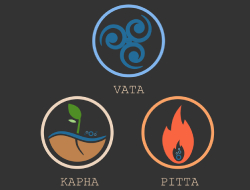
Panchakarma (Sanskrit: “five actions”) is Ayurveda’s classical programme of deep cleansing, purification and rejuvenation – a series of five therapeutic procedures that remove accumulated toxins (ama) and restore balance to the three doshas.
At Yatan Holistic Ayurvedic Centre in Gordon, on Sydney’s Upper North Shore, we offer 5-day and 7-day Panchakarma detox programs with a 3-hour session each day, from $450 per session. Every program begins with an Ayurvedic consultation and includes a personalised liver detox diet plan, abhyanga oil massage, herbal steam (swedana), shirodhara and classical cleansing therapies. Phone 1300 552 260.
Book your free 10-minute call
 1300 552 260
 WhatsApp
  Get directions
 Request a call back
Panchakarma at a Glance
Session length
3 hours per day
Program length
5 days or 7 days (full classical course)
Cost
- $450 per session for programs of 5+ treatments
- $550 per session for 1–4 treatments
Prerequisite
Ayurvedic consultation (required before starting)
Included
Personalised liver detox diet plan, abhyanga massage, swedana herbal steam, shirodhara, classical cleansing therapies
Location
Suite 28, 924 Pacific Highway, Gordon NSW 2072
Best time of year
Seasonal transitions – spring and autumn
Recommended frequency
A full cleanse once a year, or every 4 – 6 months when targeting more specific health concerns
Who can benefit from Panchakarma?
Do you suffer with any of the following?
- Poor digestion
- Constipation and/or diarrhoea
- IBS
- Candida
- Heartburn or reflux
- Nausea or vomiting
- Headaches
- Asthma
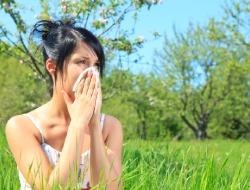
- Hay fever
- Sinus problems
- Poor memory or concentration
- Insomnia
If you answered yes to one or more of these then you can attain great benefit from Ayurveda Panchakarma treatment. Yatan Holistic Ayurvedic Centre provides one of the best treatments of Panchakarma in Sydney.
What Is Panchakarma?
Panchakarma (Sanskrit: pancha = five, karma = actions) is Ayurveda’s premier mind-body healing experience. It is a unique programme of deep cleansing, purification and rejuvenation treatments that aid in body detoxification, strengthening the immune system and restoring balance.
A full Panchakarma unfolds in three stages: Purvakarma (preparation – oleation and sweating), Pradhanakarma (the five main cleansing procedures), and Paschatkarma (post-treatment diet, rest and rebuilding of digestive fire).
The Five Actions of Panchakarma
Sanskrit Name – Purvakarma
English – Preparatory therapies
What It Clears – Mobilizes toxins (Ama) into the digestive tract for elimination.
Sanskrit Name – Vamana
English – Therapeutic emesis
What It Clears – Excess Kapha from stomach and upper respiratory tract
Sanskrit Name – Virechana
English – Purgation
What It Clears – Excess Pitta from liver, gallbladder and small intestine
Sanskrit Name – Basti
English – Medicated enema
What It Clears – Excess Vata from the colon – considered the main site of Vata aggravation
Sanskrit Name – Nasya / Shirovirechana
English – Nasal administration
What It Clears – Congestion and toxins from head, sinuses and brain channels
Who needs it, and why?
Traditionally performed on a seasonal basis, or when feeling unbalanced or unwell – a gentle reset for body and mind.
Who needs Panchakarma and why?
Traditionally Ayurveda Panchakarma is performed on a seasonal basis or when feeling unbalanced or unwell. Although the body has innate detoxification processes, these can be overwhelmed by ongoing poor nutrition, lifestyle choices and stress that weaken agni (digestive fire) and lead to the accumulation of ama (toxins) throughout the body. Panchakarma removes this waste matter gently, taking care not to remove vital substances.
Panchakarma is regarded in Ayurveda as a must for anybody over the age of 40. Nobody would question the need for a comprehensive service plan for their car. After a certain mileage has been reached there is an acknowledged need for regular routine maintenance to ensure continued reliability. This involves replacing old lubricants, and cleaning and greasing components to prevent future breakdowns.
Panchakarma is a very similar process. Another analogy can be found in gardening, where one first weeds, then feeds the soil to rejuvenate it.
What happens during a Panchakarma treatment?
Prior to commencing this treatment, a consultation is required. From this an appropriate treatment plan can be devised, including a detox diet plan to start the detoxification process before the Panchakarma therapy begins.
A complete Panchakarma treatment involves a course of 7 sessions with each session lasting 3 hours, however in some cases fewer sessions are required. The appropriate Ayurvedic diet will be advised also to optimise your results.
1 Preparation process (Purvakarma)
This involves two steps: oleation and sweating. These enable the body to release the toxins and draw them into the digestive tract where the body can then eliminate them via the appropriate detoxification process.
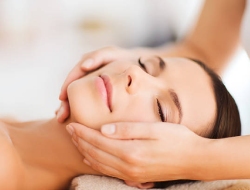
Snehana (oleation) – involving a deeply relaxing Ayurvedic massage using medicated oils based on your constitutional type. This process liquefies the toxins that are trapped within the organs and channels and stimulates circulation.
Swedana (sweating) – in our spa capsule, during which the head is kept cool while the rest of the body is heated to assist in elimination of toxins in a sauna using medicated steam.
2 Detoxification Processes
Some or all of the following processes may be used.
Vamana (emesis) – A medicated decoction is consumed which liquefies the toxic substances in the upper digestive tract. After approximately 20–30 minutes the patient will feel the sensation to expel the accumulated toxins.
Virechana (purgation) – Medicated herbs are ingested and after some hours the sensation to go to the toilet will occur and continues for 4–6 times depending on the intensity of the accumulated toxins. This process detoxifies the lower digestive and upper respiratory tracts and also removes parasites.
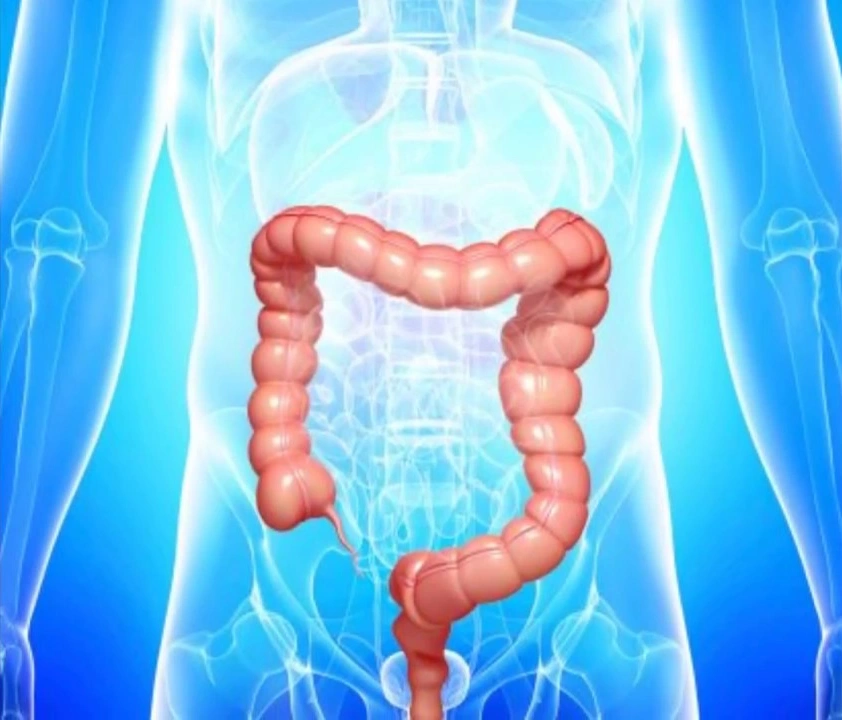
Basti (medicated enema) – Various types of medicated decoctions or medicated oil are introduced into the anus using an enema bag and tube. Several enemas may be carried out over a time period. Depending on the individual’s condition the patient withholds the decoction for a specific period of time. Then the sensation to evacuate the bowels occurs, cleansing the toxins and faecal matter from the large intestine. Beneficial for: Crohn’s disease, Irritable Bowel Syndrome, Candidiasis, Giardia, Diverticulitis and increased nutrient absorption in the large intestine.
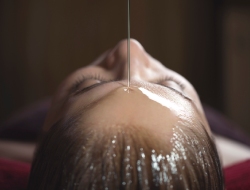
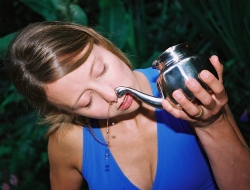
Shirovirechana (head cleansing) – Herbal nasal oils are introduced by drops into the nostril, cleansing the nasal passages, thereby opening the brain channels, eliminating any trapped, congested or toxic mucous or aggravated Kapha. Shirovirechana may also include neti (nasal cleansing), medicated eyewash and shirodhara.
Benefits of Ayurvedic Panchakarma: focused mind, enhanced memory recall and retention, sound sleep, and support for sinusitis, asthma, rhinitis and hay fever.
Matrix Detox
The body’s “Biological Matrix” is the intercellular fluid which contains all the vital nutrients required by cells for health, such as electrolytes that control the function of the neurons and electrical conductivity, vitamins, minerals, enzymes and hormones. Cellular waste products are released back into the matrix for filtering and disposal by the body.
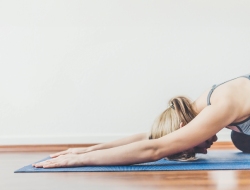
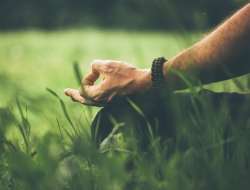
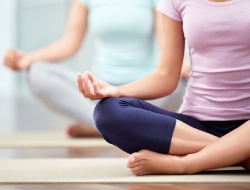
After Panchakarma is completed, yoga practices including pranayama, mudra and bandha are provided to further detoxify the matrix. This assists on an energetic level to provide complete mind-body balance and rejuvenation.
What Your 7-Day Panchakarma Program Looks Like
Every program is personalised after consultation. This is a typical structure.
Stage – Consultation
Typical Timing – Before you start
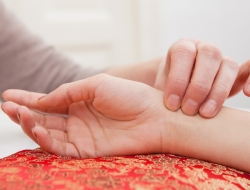
What Happens – Full Ayurvedic assessment – pulse, dosha, digestion, history. Your personalised liver detox diet plan is issued.
Stage – Home preparation
Typical Timing – 3–7 days before
What Happens – Diet simplification and internal oleation at home to begin loosening ama.
Stage – Days 1–2 (Purvakarma)
Typical Timing – 3 hrs/day
What Happens – Snehana (abhyanga oil massage) and swedana (medicated herbal steam) to mobilise toxins into the digestive tract.
Stage – Days 3–5 (Pradhanakarma)
Typical Timing – 3 hrs/day
What Happens – The main cleansing procedures selected for your constitution – virechana, basti, and/or vamana as indicated.
Stage – Days 6–7
Typical Timing – 3 hrs/day
What Happens – Shirovirechana / nasya, neti, medicated eyewash and shirodhara for head and sinus channels.
Stage – Paschatkarma
Typical Timing – Following weeks
What Happens – Post-program diet to rebuild agni, plus pranayama, mudra and bandha practice for matrix detoxification.
Herbs Used in Panchakarma
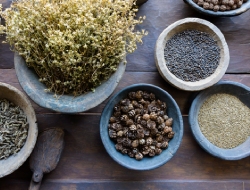
Triphala – the classical three-fruit formula
Amalaki (Emblica officinalis), Bibhitaki (Terminalia bellirica) and Haritaki (Terminalia chebula). Gentle bowel regulation and the foundation of most preparatory protocols.
Manjisthadi Kwath decoction
A classical herbal decoction that supports blood purification, detoxification, and healthy skin.
Dashamoola – the ten-root formula
The principal decoction used in Vata-pacifying basti. Calming to the nervous system and the colon.
Rasnadi Kwath decoction
A traditional decoction that supports joint health, relieves Vata-related discomfort, and promotes mobility.
Trikatu – the three pungents
Ginger (Zingiber officinale), black pepper (Piper nigrum) and long pepper (Piper longum). Rekindles agni (digestive fire) during Paschatkarma.
Sesame oil (Sesamum indicum) – Tila taila
The base oil for most Panchakarma abhyanga and basti preparations, medicated with constitution-specific herbs.
Watch: Panchakarma explained
What benefits will I get from a Panchakarma treatment?
The benefits of Panchakarma extend beyond detoxification to improved mind-body balance, more efficient organ function, improved digestion, deeper, more refreshing sleep and a general feeling of lightness in the body.
You may notice changes on the mental and emotional level also, as stored emotions such as guilt, anger and sadness are released and dissipated, leading to you feeling more calm and contented. Panchakarma works to enliven the body’s self-healing abilities so that deeper, long-lasting rejuvenation can result.
Overall results include:
- Organ and system detoxification
- Rejuvenation of body and mind
- Feelings of lightness within the body
- Sense of balance within the body and mind
- Improved mental and emotional state
- Balancing of the doshas – Vata, Pitta and Kapha
- Weight loss if indicated
- Relief from the toxic overload seen in cases of chronic sickness
- Improved digestive function
- Heightened memory and brain function
- Support for allergic states such as asthma, hay fever and rhinitis
- Improved length and quality of sleep
How Panchakarma Differs From a Commercial “Detox”
Classical Panchakarma
- Prescribed after individual constitutional assessment
- Three stages – preparation, main procedures, post-care
- Practitioner-supervised throughout
- Rebuilds agni (digestive fire) as a core objective
- Targets specific channels and doshas
- 5,000-year-old documented clinical tradition
- Includes post-program diet, yoga and breathwork
Commercial Detox / Juice Cleanse
- One-size-fits-all program sold off the shelf
- Single-phase; no preparation or aftercare
- Usually self-administered
- Often weakens digestion through prolonged restriction
- Generalised “flush” with no diagnostic basis
- Modern commercial wellness product
- Ends when the product runs out
Before & After: Diet Guidance
Preparing for Your Program (Purvakarma)
In the days before your program begins you will follow the personalised detox diet plan issued at your consultation. Typically this means simplifying to warm, freshly cooked, easily digestible meals, reducing caffeine, alcohol, dairy and processed food, and beginning gentle internal oleation. This preparation is what allows the main procedures to work deeply rather than superficially.
After Your Program (Paschatkarma)
After completing Panchakarma, it is crucial to follow a post-treatment diet that supports the cleansing process and maintains the balance achieved. Avoid heavy, processed and greasy foods, as well as cold and raw foods, which can hinder digestion. Instead, opt for freshly cooked, warm, easily digestible meals, incorporating whole grains, seasonal vegetables, soups, herbal teas and light proteins.
Animal proteins such as chicken and other meats are generally discouraged during and immediately after a Panchakarma course, as the diet centres on foods that place no burden on the digestive system. Your practitioner will give you personalised guidance based on your constitution and health status.
Is Panchakarma Safe? Who It Is Not Suitable For
Panchakarma is generally safe and well tolerated when properly prescribed and supervised. However, it is not appropriate for everyone. Panchakarma is generally not recommended if you:
- Are pregnant or breastfeeding
- Have a severe or unstable medical condition
- Are undergoing chemotherapy, radiotherapy or major medical treatment
- Are in a significantly weakened, frail or malnourished state
- Are acutely unwell with fever or infection
- Are under the age of 16 or of advanced age without prior assessment
This is why every program begins with a full Ayurvedic consultation. If Panchakarma is not suitable for you, gentler Ayurvedic options – dietary therapy, herbal support, abhyanga massage or shirodhara – may be recommended instead.
Panchakarma is a traditional complementary therapy and is not a substitute for medical diagnosis or treatment. Always consult your GP about any health condition, and inform both practitioners of all treatments and medications you are using.
Panchakarma Cost – Sydney
Telehealth consultations are the same price as in-clinic consultations. There is no surcharge and no discount.
Free 10-Minute Phone/Video Consultation
Free
Initial Ayurvedic Consultation (60 min)
$139 AUD
Panchakarma session – program of 5+ treatments
$450 AUD per 3-hour session
Panchakarma session – 1 to 4 treatments
$550 AUD per 3-hour session
Standard Follow-up (30 min)
$81 AUD
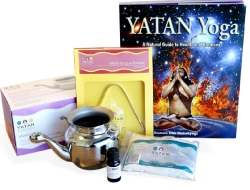
Stainless Steel Neti Pot
$39.95 AUD
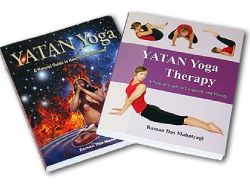
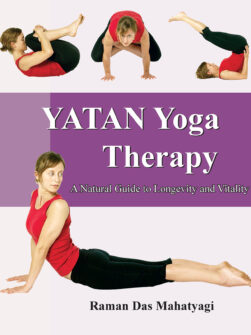
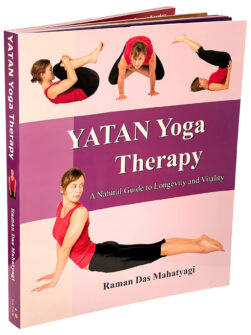
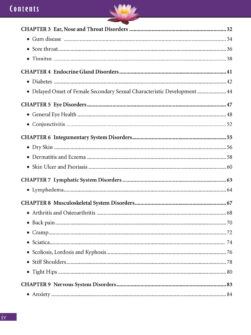
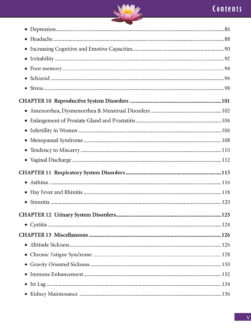
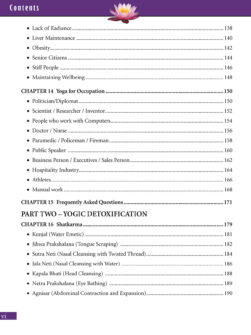
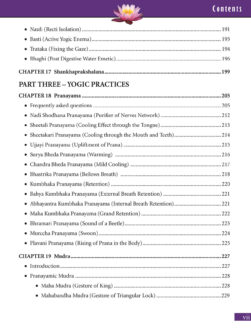
YATAN Yoga Therapy book
$69.95 AUD
Ultimate Lifestyle Kit
$188.30 AUD
Customised herbal formulations
Varies by prescription
Support Your Detox at Home
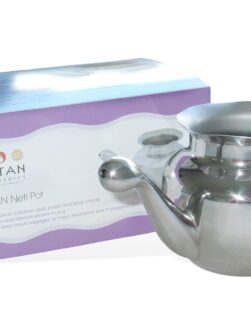
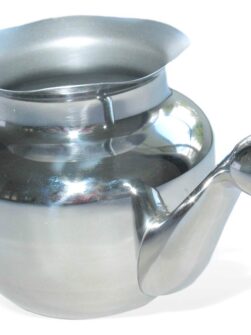
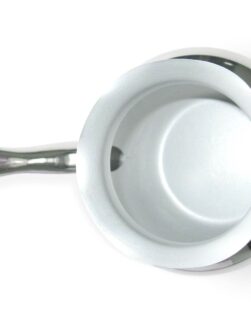
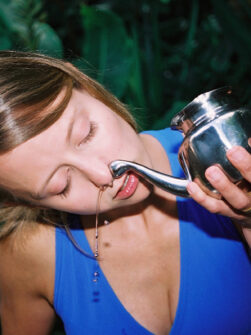
Stainless Steel Neti Pot – $39.95
Used during and after shirovirechana. The simplest way to perform salt water nasal rinsing – dissolves mucous and flushes away allergens and pollutants, encourages nose breathing, and promotes deeper, more relaxed breathing.
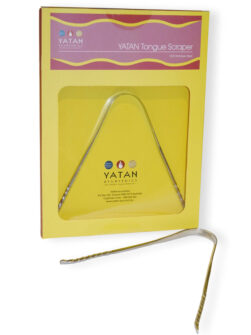
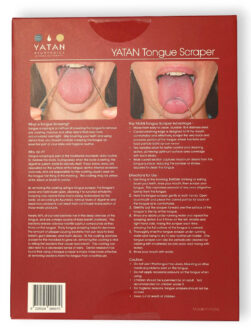
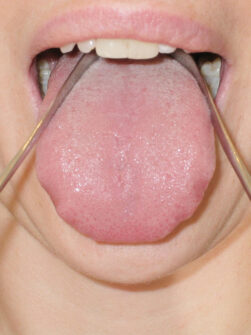
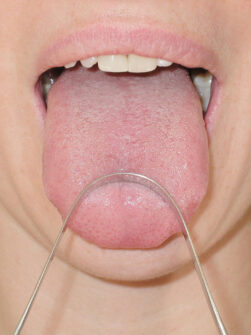
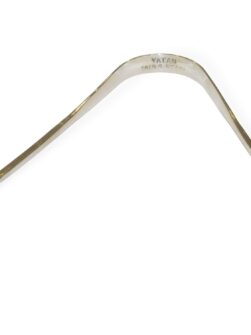
Ayurvedic Tongue Scraper – from $14.95
Daily removal of ama (toxic coating) from the tongue is a core Ayurvedic practice for maintaining the results of your Panchakarma.
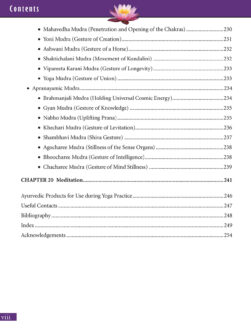
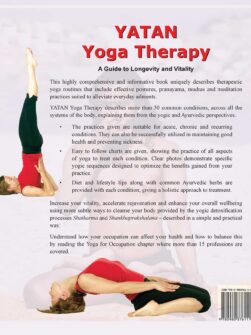
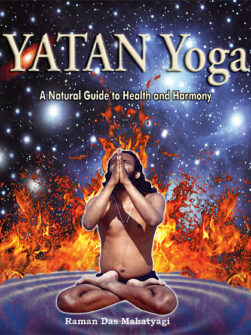
YATAN Yoga Therapy book – $69.95
The pranayama, mudra and bandha practices referenced in the Matrix Detox section, explained in full so you can maintain your results at home.
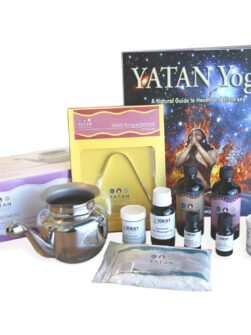
Ultimate Lifestyle Kit – $188.30
Complete daily-routine kit including neti pot, tongue scraper and other Ayurvedic essentials – the practical toolkit for Paschatkarma.
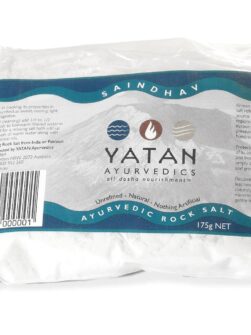
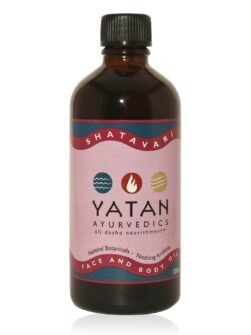
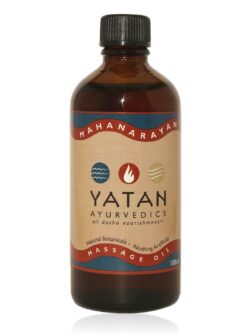
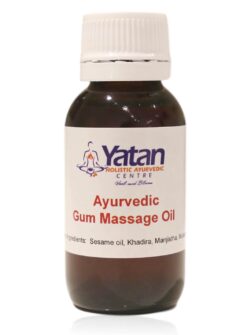
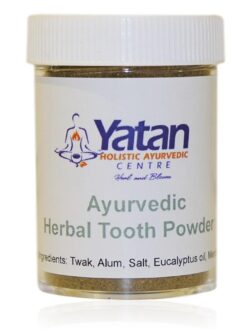
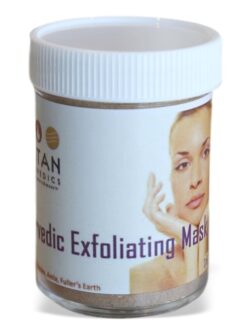
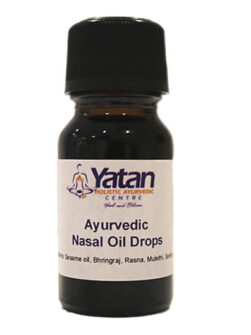
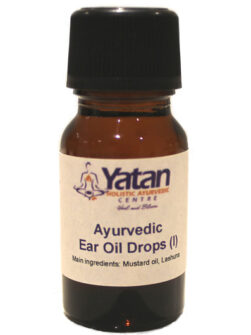
Support Your Detox at Home
Stainless Steel Neti Pot – $39.95
Used during and after shirovirechana. The simplest way to perform salt water nasal rinsing – dissolves mucous and flushes away allergens and pollutants, encourages nose breathing, and promotes deeper, more relaxed breathing.
Ayurvedic Tongue Scraper – from $14.95
Daily removal of ama (toxic coating) from the tongue is a core Ayurvedic practice for maintaining the results of your Panchakarma.
YATAN Yoga Therapy book – $69.95
The pranayama, mudra and bandha practices referenced in the Matrix Detox section, explained in full so you can maintain your results at home.
Ultimate Lifestyle Kit – $188.30
Complete daily-routine kit including neti pot, tongue scraper and other Ayurvedic essentials – the practical toolkit for Paschatkarma.
Panchakarma in Sydney – Why Yatan
Our centre is at Suite 28, 924 Pacific Highway, Gordon NSW 2072 – on Sydney’s Upper North Shore, a short walk from Gordon railway station with parking available. Clients travel to us for Panchakarma from across Sydney including Chatswood, St Ives, Turramurra, Pymble, Hornsby and the Lower North Shore, as well as interstate – one client travelled from Townsville and stayed in Sydney for two weeks to complete a full program.
We offer the complete classical protocol rather than a spa-style approximation: full constitutional assessment, all three stages of treatment, and the post-program yoga and dietary follow-up that determines whether results last.
Meet Your Practitioner – Raman Das Mahatyagi
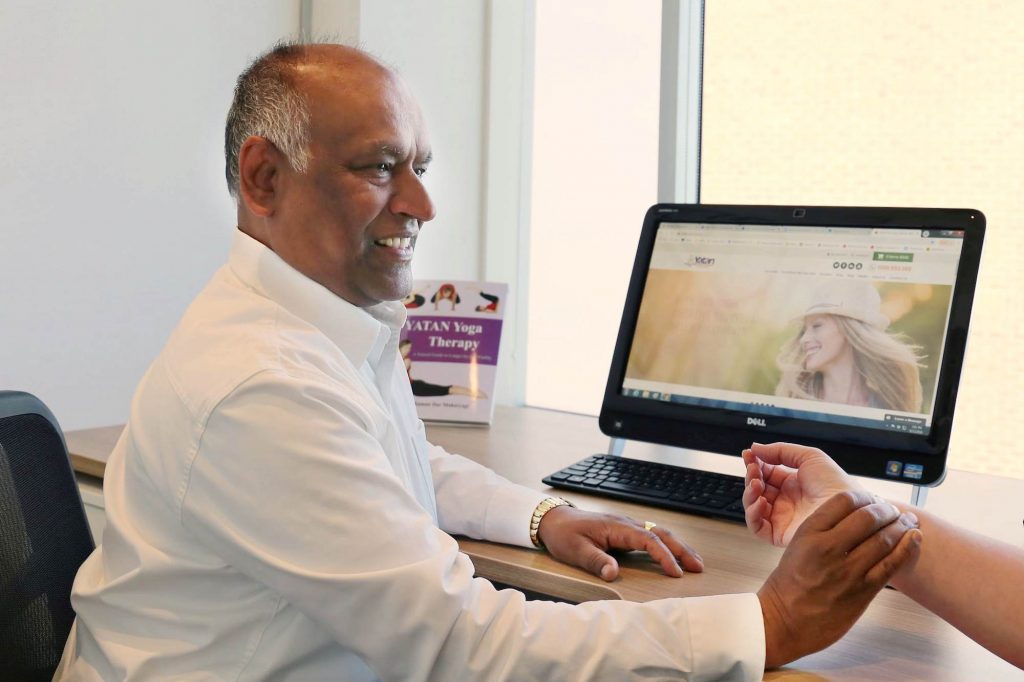
Raman Das is the principal Ayurvedic practitioner at Yatan Holistic Ayurvedic Centre, with 30+ years of clinical experience and a private practice in Sydney since 2000. He is the author of YATAN Yoga and YATAN Yoga Therapy. He personally supervises every Panchakarma program – including the design of your detox diet plan and the pranayama, mudra and bandha practice that follows your treatment.
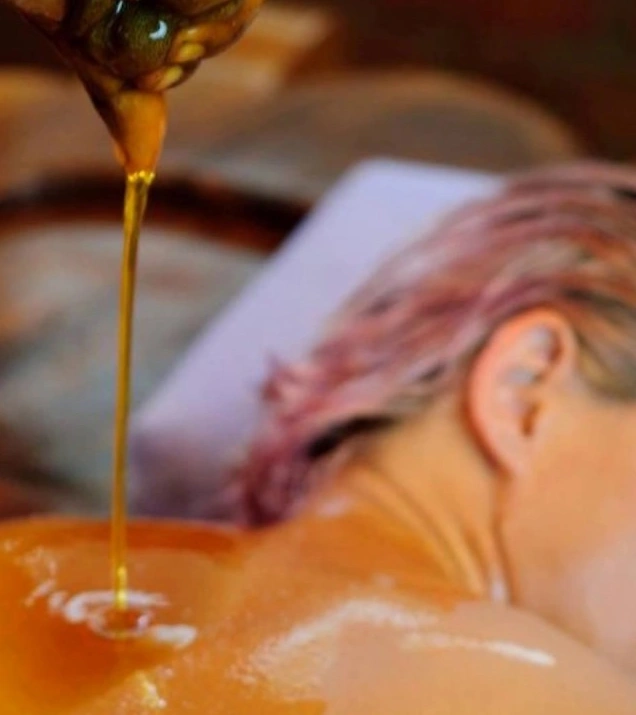
I thank you from my heart for this unique experience of Panchakarma. Thank you for all your dedication and wonderful care during this treatment – you have so much knowledge and wisdom. I have enjoyed every day of Panchakarma and I feel a deep inner contentment with my clean body, and so do my organs! I am also very grateful for all the delicious meals you have created for me.
Andrea S. – Townsville, QLD | Full 7-Day Panchakarma Program
Andrea travelled from Townsville and stayed in Sydney for two weeks to complete a full Panchakarma program.
De-stress and detoxify – book your Panchakarma program today
 1300 552 260
  WhatsApp
  Mon–Fri: 9:00am–5:30pm
  Telehealth consultations available Australia-wide
Frequently Asked Questions
Q: How much does Panchakarma cost in Sydney?
A: At Yatan Ayurveda in Gordon, Sydney, Panchakarma sessions are $450 AUD per 3-hour session for programs of more than four treatments, or $550 AUD per session for one to four treatments. A full program typically runs 5 or 7 days. An initial Ayurvedic consultation ($139) is required before starting, and a free 10-minute phone or video consultation is available first.
Q: Where can I get Panchakarma in Sydney?
A: Yatan Holistic Ayurvedic Centre offers traditional Panchakarma at Suite 28, 924 Pacific Highway, Gordon NSW 2072, on Sydney’s Upper North Shore, a short walk from Gordon station. Clients attend from across Sydney including Chatswood, St Ives, Turramurra, Pymble and Hornsby, as well as interstate. Phone 1300 552 260.
Q: Is Panchakarma safe?
A: Panchakarma is generally safe and well tolerated when prescribed and supervised by a qualified practitioner. It is not recommended during pregnancy or breastfeeding, for people with severe or unstable medical conditions, those undergoing major medical treatment, or anyone in a significantly weakened state. A full consultation determines whether it is suitable for you.
Q: What happens to your body after Panchakarma?
A: Panchakarma is a rejuvenating Ayurvedic therapy that helps remove accumulated toxins and balance the doshas in the body. After completing Panchakarma, individuals often experience improved digestion, increased energy levels, enhanced mental clarity, and a general sense of well-being. The body feels lighter, and there is an overall feeling of rejuvenation and vitality.
Q: Which month is best for Panchakarma?
A: The ideal time varies based on individual constitution and the specific imbalances in the body. Generally the transition periods between seasons – spring and autumn – are considered best, as the body is more receptive to cleansing and rejuvenation during these natural shifts. Consult an experienced Ayurvedic practitioner to determine the most suitable time for your needs.
Q: Does Panchakarma include massage?
A: Yes. Panchakarma typically includes various therapeutic massages as part of the cleansing process. These massages, such as Abhyanga (Ayurvedic oil massage), help loosen and eliminate toxins from the tissues and facilitate their removal from the body. The specific massages used depend on the individual’s doshic imbalance and overall health condition.
Q: What conditions can Panchakarma help with?
A: Panchakarma is known for its detoxifying and rejuvenating effects. It may support a wide range of health concerns including digestive complaints, stress-related issues, fatigue, skin problems, joint discomfort, respiratory conditions and mental imbalances. It aims to bring body and mind back into harmony and promote overall health and wellness.
Q: Can Panchakarma help with all conditions?
A: While Panchakarma offers numerous health benefits and may assist with various conditions, it is not appropriate for every condition or every person. Ayurveda considers each individual’s unique constitution and imbalances, and Panchakarma is tailored to address specific issues. It is most effective as part of a comprehensive Ayurvedic treatment plan prescribed by a qualified practitioner, alongside – not instead of – appropriate medical care.
Q: How long does a typical Panchakarma treatment last?
A: The duration varies based on individual needs and health conditions. A complete Panchakarma treatment can range from 5 to 14 days or longer, depending on the depth of cleansing required and the therapies involved. At Yatan Ayurveda, standard programs run 5 or 7 days with a 3-hour session each day.
Q: Can anyone undergo Panchakarma treatment?
A: Panchakarma is generally safe and beneficial for many individuals, but it may not be suitable for everyone. Pregnant women, individuals with severe medical conditions, those undergoing specific medical treatments, and individuals in weakened states may not be ideal candidates for Panchakarma.
Q: How many times should Panchakarma be done?
A: Panchakarma is traditionally associated with the changing of the seasons. It is typically advised to undergo this therapeutic regimen up to three times a year, synchronising with seasonal transitions, to maintain optimal health and well-being.
Q: What foods should be avoided after Panchakarma?
A: After completing Panchakarma, follow a post-treatment diet that supports the cleansing process and maintains the balance achieved. Avoid heavy, processed and greasy foods, as well as cold and raw foods, which can hinder digestion. Instead, opt for freshly cooked, warm, easily digestible meals incorporating whole grains, seasonal vegetables, soups, herbal teas and lean proteins.
Q: Can I eat chicken or meat during Panchakarma?
A: During Panchakarma a specific dietary regimen forms an essential part of treatment. This diet revolves around easily digestible, pure and nourishing foods that do not burden your digestive system. Animal proteins such as chicken and other meats are generally discouraged during the course. Discuss your dietary needs with your practitioner, who can provide personalised advice based on your constitution and health status.
Q: Do you lose weight after Panchakarma?
A: Weight loss is not the primary focus of Panchakarma, although some individuals may experience weight reduction as a by-product of the detoxification process. Panchakarma aims to balance the doshas and rejuvenate the body, which may result in improved metabolism and better digestion, indirectly aiding weight management.
Q: Does Panchakarma reduce belly fat?
A: Panchakarma is not specifically targeted at reducing belly fat. However, by addressing underlying imbalances and promoting better digestion, it may contribute to a reduction in excess fat over time. For targeted weight management, Ayurveda recommends a combination of Panchakarma, dietary adjustments, regular exercise and lifestyle modifications.
Related Articles
- Panchakarma – Liver Body Detox Diet Plans Programs
- Cleaning Out The Tubes – Ayurvedic Vamana
- Making Friends With Leeches
- The Many Benefits Of Ayurvedic Massage
- Managing Pain With Ayurveda
- Breaking The Sound Barrier – Dealing With Tinnitus
- More Than Skin Deep – The Value Of Massage
- Rejuvenation – Turning Back The Clock (Part 1)
- Rejuvenation – Turning Back The Clock (Part 2)
- Why Am I So Tired? – Understanding Anaemia
- Wrinkles – Not Just On The Outside
- From The Inside Out – A Deeper Look At Psoriasis
- Gut Problems – What Can Your Skin Be Telling you?
- Colon Cleansing – Is It Money Just Down The Drain?
- Ayurvedic Treatment In Preparation For Conception
- How To Rejuvenate The Body
- The Benefits Of Colonic Irrigation
Reviewed by Raman Das Mahatyagi, Principal Ayurvedic Practitioner. | Last updated: 30 July 2026