









Ayurvedic Support for Stress & Everyday Balance in Sydney
Ayurvedic Treatment Of Stress – The Silent Killer of Your Health
Trusted by 250+ patients in Australia

4.6/5 (Google Reviews)

Holistic & Natural Approach

Personalised Ayurvedic Core

Safe Effective & Side-Effect Free

Sydney’s Trusted Ayurvedic Experts
Natural relief from chronic stress, anxiety, panic and burnout — without long-term sedatives or sleeping pills. From Raman Das Mahatyagi (30+ years’ clinical experience), the Yatan approach combines classical Ayurvedic herbs (Ashwagandha, Brahmi, Jatamansi), a Vata-pacifying diet, yoga and pranayama, plus optional Shirodhara oil-flow therapy. In-clinic at Gordon NSW or telehealth Australia-wide.
If You’re in Crisis Right Now
If you are having thoughts of suicide, self-harm, or are in immediate emotional crisis, please contact one of these services right now:
- Lifeline Australia: 13 11 14 (24/7)
- Beyond Blue: 1300 22 4636 (24/7)
- Suicide Call Back Service: 1300 659 467
- Emergency: 000
Ayurvedic care is well suited to chronic, long-term stress patterns and works alongside conventional mental health support. It is not a substitute for emergency crisis care, psychiatric medication you are already prescribed, or psychotherapy when these are needed. Always coordinate with your GP and any mental health professionals you currently see.
Quick Answer
Stress is a disruption of the body’s natural balance, with cortisol and adrenaline elevated by the ‘fight or flight’ response. Chronic stress drives anxiety, insomnia, digestive issues, weight changes, and burnout. Ayurveda calls this pattern Vata aggravation — the wind energy that governs all movement becomes overactive. Anxiety specifically is named Chittodvega (mental agitation) in classical texts, part of the wider Manasika Roga (mental disease) category.
Treatment combines Vata-pacifying foods, classical herbs (Ashwagandha, Brahmi, Jatamansi), daily yoga and pranayama, Shirodhara oil-flow therapy, and the Yatan Neti pot — which clears head toxins and helps relax the adrenal glands. Free 10-min consult: 1300 552 260.
Free 10-minute consultation
 1300 552 260
 WhatsApp
  Book online
What is stress?
Stress is a disruption of the body’s natural balance. It can be brought on by internal or external factors. Cortisol, known as the ‘stress hormone,’ is secreted into the body at higher levels during the body’s ‘fight or flight’ response and is responsible for several stress-related changes in the body. Stress can have a major impact on the body and the mind, giving rise to serious or even deadly illnesses. Therefore, it is extremely important to take stress treatment when required in order to live a healthy life.
What kinds of factors create stress?
Excessive demands or conflicts at work, or in family life, relationships, financial situations, health problems, diet, past life events and environmental factors can all play a part in the build up of stress.
What are the symptoms of stress?
Stress shows up across the body and mind. The most common physical and emotional symptoms include:
- Anxiety and depression
- Panic and confusion
- Low libido
- Fatigue and lack of motivation
- Skin problems
- Premature aging
- Weight loss or gain
- Insomnia
- Muscle tension
- Headaches
- Digestive problems
- Increased heart rate
- Tendency to be more angry or tearful than usual
- Constant neck or back pain
How Stress Lands in Different Parts of the Body
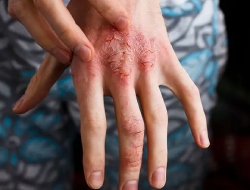
Some typical effects are anxiety and depression, panic, confusion, low libido, fatigue, lack of motivation, skin problems, premature aging, weight loss or gain, insomnia, muscle tension, headaches, and digestive problems. A physical strain such as a leg or foot ailment might result from pressure caused by standing up all day, while an emotional issue could affect the heart or constant worry that could affect the brain, causing anxiety or depression. Tension in a relationship might affect the reproductive organs.
How do we locate our own stress points?
We need to be aware of the danger signs that our bodies give out. Typical examples of symptoms of stress are the inability to sleep well, an increased heart rate, and the tendency to be more angry or tearful than usual. Constant neck or back pain is also a common sign.
Suffering from the effects of too much stress? Call us and find out how our Ayurvedic treatment can help you.
 1300 552 260
 WhatsApp
  Book online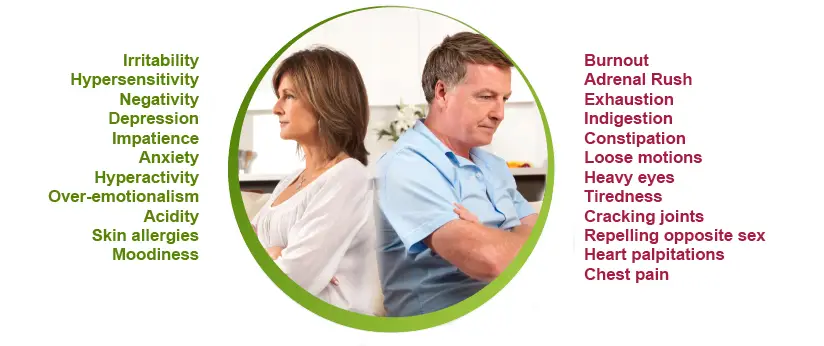
What is the Ayurvedic explanation of stress?
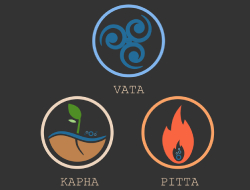
Ayurveda sees stress as a result of Vata aggravation. All body movements are governed by Vata — breathing, circulation, the passage of food, sweating and elimination to name a few. Stress makes demands for more ‘air’ to increase the circulation and energy flow, and the body produces adrenaline and other hormones and neurochemicals to support the body’s physical, chemical, and emotional demands. If this continues for too long vital nutrients become depleted and burnout results.
In classical texts, anxiety specifically is named Chittodvega (literally ‘mental agitation’), part of the broader category Manasika Roga (mental diseases). Chronic stress also depletes Ojas — the body’s vital essence and reserve of resilience — which is why prolonged stress is often felt as exhaustion that sleep alone cannot fix.
How Stress Shows Up in Different Body Types
While stress is primarily a Vata condition in Ayurveda, your dominant dosha shapes how it shows up. Two people in equally stressful situations can present completely differently.
Vata
- Stress Presentation: Anxiety, racing thoughts, insomnia, panic
- Common Pattern: Wakes at 2-4am, mind won’t stop, restless, fearful, light sleep, weight loss
Pitta
- Stress Presentation: Irritability, frustration, anger, perfectionism
- Common Pattern: Burns out from overworking, short fuse, skin breakouts, acid reflux, headaches
Kapha
- Stress Presentation: Withdrawal, depression, lethargy, comfort eating
- Common Pattern: Sleeps more but isn’t refreshed, weight gain, low motivation, social withdrawal
The Three Gunas — Sattva, Rajas, Tamas
Beyond the body doshas, Ayurveda describes three qualities of mind (gunas) that shape how we experience stress. Recognising your current dominant guna helps direct treatment.
Guna: Sattva
Quality: Clarity, calm, balance
Stress Pattern: Healthy mental state, low stress
What helps: Meditation, fresh foods, regular routine, time in nature
Guna: Rajas
Quality: Activity, agitation, restlessness
Stress Pattern: Anxiety, overwork, can’t slow down, scattered focus
What helps: Slow breath work, regular meals, cooling activities, less stimulation
Guna: Tamas
Quality: Heaviness, dullness, inertia
Stress Pattern: Depression, withdrawal, brain fog, fatigue
What helps: Stimulating yoga, light food, sunshine, structured activity

How Ayurveda helps you with stress management
Your body type is of paramount importance in designing a personalised programme.
The primary goal is to pacify Vata. This is accomplished through a programme that incorporates Vata-pacifying foods and Ayurvedic herbal remedies that will repair damage and improve the digestive system.
Yoga exercises and postures (asana), breathing control (pranayama), and meditation are all tools that are useful in breaking the negative stress response cycle. These exercises, coupled with natural remedies, can all work together to provide stress relief without harmful side-effects.
Last but not least, instruction is provided in simple but effective lifestyle changes and day-to-day stress-relieving routines.
The Herbs in Your Anti-Stress Program
Herbs are prescribed individually after a full assessment. Combinations and dosages depend on your dosha pattern, current symptoms, and any medications you already take. Some herbs interact with antidepressants, blood pressure medication, and thyroid drugs — never self-prescribe.
Ashwagandha (Withania somnifera) — the premier stress adaptogen
The most studied Ayurvedic herb in modern research. Multiple clinical trials show it reduces serum cortisol, supports sleep, and improves perceived stress scores. Used for thousands of years for stress, fatigue, insomnia, and the low libido associated with burnout. Typically taken in the evening for sleep support, or twice daily for sustained stress reduction.
Brahmi (Bacopa monnieri) — for the anxious mind
Cognitive support herb with anti-anxiety effects. Useful for people with racing thoughts, difficulty focusing under stress, or stress-driven memory lapses. Modern research has confirmed its effects on stress hormones and mental performance.
Jatamansi (Nardostachys jatamansi) — calming nervine
Sedating without being dependency-forming. Strong support for insomnia caused by stress, racing thoughts at night, and Vata-pattern anxiety. Used in the classical Ayurvedic formula Saraswatarishta.
Tulsi (Ocimum sanctum) — Holy Basil
Adaptogen that helps the body cope with stressors. Modulates cortisol response, supports immune function (often suppressed under chronic stress), and supports respiratory health. Easy to take as a daily tea.
Shankhpushpi (Convolvulus pluricaulis) — mind tonic
Classical Medhya Rasayana (intellect tonic). Calms agitation while supporting clear thinking. Useful for students under exam stress or professionals in high-cognitive-load roles.
Yashtimadhu / Licorice (Glycyrrhiza glabra) — adrenal support
Supports adrenal glands depleted by chronic stress. Useful when stress has progressed to fatigue, low cortisol mornings, or afternoon energy crashes. Caution: not for people with high blood pressure.
Mandukaparni / Gotu Kola (Centella asiatica)
Calms the nervous system while supporting circulation to the brain. Often combined with Brahmi for compound effect on anxiety and cognitive support.
Shirodhara — Continuous Oil Flow Therapy
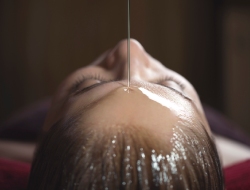
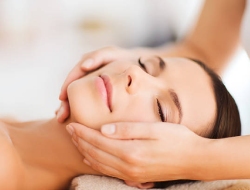
Shirodhara is the classical Ayurvedic therapy where warm medicated oil flows in a continuous stream onto the forehead, specifically over the Ajna chakra (third eye area). Many practitioners recognise it as the most direct intervention available for chronic stress, anxiety and insomnia.
What Shirodhara helps with
- Chronic anxiety and racing thoughts
- Insomnia, particularly with night-time waking
- Mental exhaustion and burnout
- Stress-driven headaches
- Hyperactive nervous system (sympathetic overdrive)
- Recovery from emotional trauma when used alongside other support
What it feels like
Most people enter a deeply relaxed, meditative state within 5–10 minutes. Some fall asleep. The continuous warm oil quietens the mind in a way that meditation alone often cannot match. Effects often build over a series of 3–7 sessions, each session deepening the previous.
Shirodhara is offered as a standalone treatment or as part of a longer Panchakarma program. Discuss with Raman Das whether it suits your current state.
How Ayurvedic Care Compares to Conventional Treatment
Conventional / Western Approach
- First-line treatment: SSRIs, anxiolytics, sleeping pills, CBT
- Pharmaceuticals: Benzodiazepines, beta-blockers, antidepressants
- Side effects risk: Sexual dysfunction, weight gain, sedation, withdrawal
- Speed of effect: Faster initial relief from acute symptoms
- Sleep support: Hypnotics with tolerance buildup
- Body-mind connection: Increasingly recognised; mind-body interventions added
- Body type matching: Not part of treatment
- Best for acute crisis: Immediate medical/psychiatric care
- Best for chronic stress: Sometimes effective; relapse common when meds stop
Ayurvedic Approach
- First-line treatment: Vata-pacifying diet, lifestyle, herbs, yoga
- Pharmaceuticals: Classical herbs — no dependency risk
- Side effects risk: Minimal when properly prescribed
- Speed of effect: Slower build, more durable foundation
- Sleep support: Jatamansi, Ashwagandha, oil massage, Shirodhara
- Body-mind connection: Built into the framework from the start
- Body type matching: Customised by dosha
- Best for acute crisis: Not for acute crisis — see emergency services
- Best for chronic stress: Strong sustainable results
These approaches complement each other. Many patients use Ayurvedic care alongside SSRIs or anxiety medication — building a foundation that, with their prescribing doctor’s involvement, eventually lets them reduce or stop the medication. Never adjust prescribed psychiatric medication without medical supervision.
Eating Patterns for Stress Relief
The general direction is Vata-pacifying — warm, grounding, regular, nourishing. Your personalised plan will be more specific to your dosha and current symptoms.
Foods that calm Vata and support recovery
- Warm cooked vegetables — pumpkin, sweet potato, beetroot, carrots, leafy greens
- Whole grains — basmati rice, oats, quinoa (warm, with ghee)
- Mung dal and lentil soups
- Ghee — small amounts, supports nervous tissue (majja dhatu)
- Warm milk with cardamom and turmeric at night
- Healthy fats — sesame oil, olive oil, soaked almonds, walnuts
- Sweet fruits — bananas, mangoes, soaked dates, sweet apples
- Calming spices — cardamom, cinnamon, fennel, cumin
- Tulsi tea, chamomile tea, oat milk chai
- Regular meal times — eat at the same time daily
Foods that aggravate stress
- Cold raw foods and iced drinks (aggravate Vata)
- Caffeine — coffee, energy drinks (spike cortisol)
- Refined sugar and sweets (blood sugar swings drive anxiety)
- Excess salty, dry foods (chips, crackers)
- Fried and processed foods
- Alcohol (deeply Vata-aggravating despite the initial sedation)
- Spicy foods if Pitta is also aggravated
- Skipped meals and late-night eating
- Stimulants — nicotine, energy supplements
A Daily Routine That Settles the Nervous System
Even small, consistent daily practices reduce baseline stress over weeks. This is a starting structure — your personalised routine will adapt to your situation.
Time: 6.00–7.00am
Practice: Wake before sunrise, drink warm water
Why: Sets Vata-calming rhythm; supports elimination
Time: 7.00am
Practice: Abhyanga — warm sesame oil self-massage
Why: Calms nervous system; warms and grounds Vata
Time: 7.30am
Practice: Yoga + pranayama (Nadi Shodhana, Bhramari)
Why: Activates parasympathetic nervous system
Time: 8.00am
Practice: Warm cooked breakfast
Why: Stabilises blood sugar; warms digestion
Time: 12.30pm
Practice: Largest meal of the day
Why: Aligns with strongest Agni (digestive fire)
Time: 3–4pm
Practice: Tulsi or chamomile tea
Why: Adaptogen support during afternoon dip
Time: 6.30pm
Practice: Light early dinner
Why: Supports digestion before sleep
Time: 9.00pm
Practice: Warm milk with cardamom, screen-free time
Why: Builds Ojas, prepares for sleep
Time: 10.00pm
Practice: In bed
Why: Sleep before 11pm is vital — after that Pitta time activates
How Long Until I Feel Different?
Healing from chronic stress takes time — but small changes accumulate. Approximate timeline:
- First week: Better sleep, fewer middle-of-the-night wakings, calmer evenings (especially with Ashwagandha and routine)
- 2–4 weeks: Reduced background anxiety, more stable mood, improved digestion
- 1–3 months: Reset baseline stress response, energy returns, libido improves, less reactive in day-to-day situations
- 3–6 months: Deeper resilience, ability to handle previously-triggering situations without spiral, restoration of Ojas
- 6+ months: If on prescribed antidepressants or anxiolytics, this is typically when patients begin discussing dose reduction with their GP
Important: Never stop or reduce prescribed psychiatric medication without your prescribing doctor’s involvement. Withdrawal from SSRIs, benzodiazepines, and sleep medication can be serious. Ayurveda runs alongside medical treatment, not instead of it.
Pricing
Cost depends on the depth of treatment. Most patients start with consultations and add products and Shirodhara as recommended.
Free 10-Minute Phone/Video Consultation
FREE
Initial Ayurvedic Consultation (60 min)
$139 AUD
Standard Follow-up (30 min)
$81 AUD
Short Follow-up (15 min)
$51 AUD
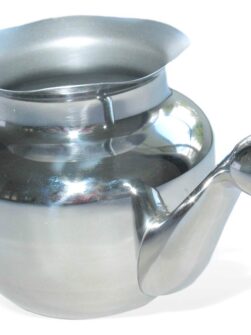
Yatan Stainless Steel Neti Pot
$39.95 AUD
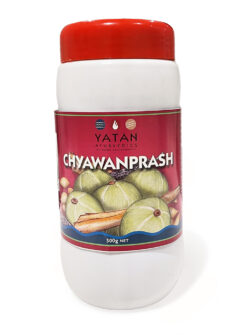
Chyawanprash Herbal Jam
$67.95 AUD
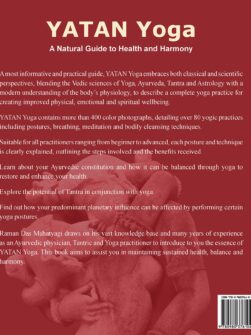
YATAN Yoga book
$69.95 AUD
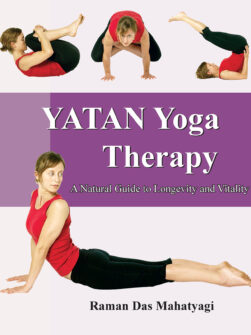
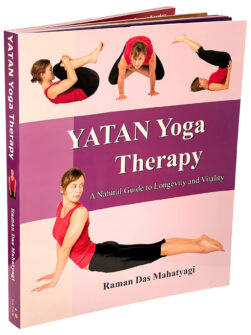
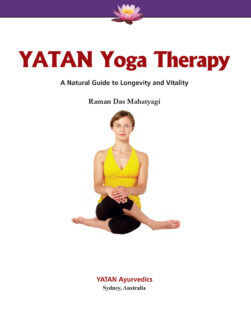
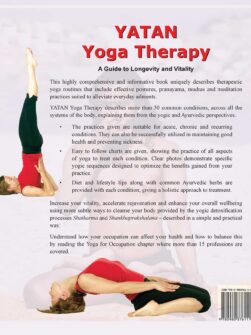
YATAN Yoga Therapy book
$69.95 AUD
Shirodhara session (single)
Quote on consultation
Customised herbal formulations (Ashwagandha, Brahmi etc.)
Varies by prescription
Try Our Ayurvedic Products for Stress Treatment
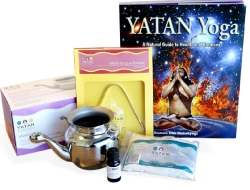
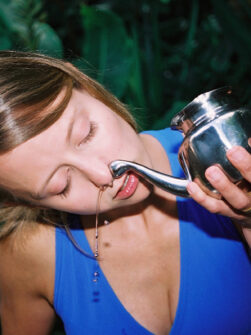
Yatan Stainless Steel Neti Pot — $39.95
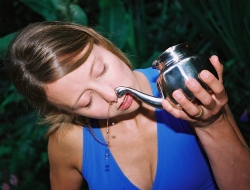
During stress, the body produces more toxins, blocking the head and nasal passage. The Neti Pot is used to clear these toxins and relax the adrenal glands. The clearing of toxins allows for more oxygen to be absorbed into the cells, resulting in a feeling of freshness and calmness for the head. 400ml — rinse both nostrils without refilling.
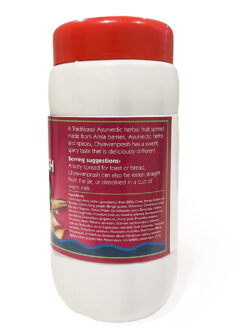
Chyawanprash Herbal Jam — $67.95
Traditional Ayurvedic antioxidant-rich jam made in a base of Amalaki fruit (Indian gooseberry / amla). A rich source of Vitamin C and more than two dozen other Ayurvedic herbs and spices. Boosts the immune system, resulting in increased ability to cope with stress through enhanced energy and vitality.
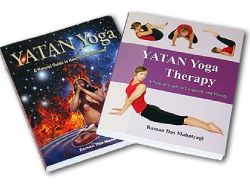
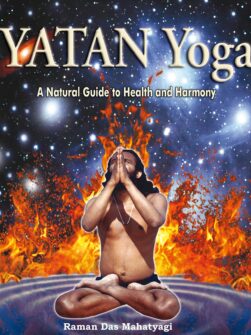
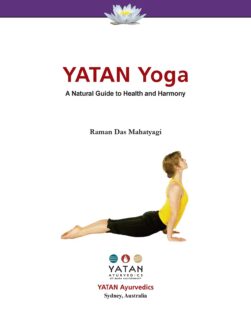
YATAN Yoga — $69.95
The foundational yoga practice book by Raman Das. Includes Vata-pacifying asanas and pranayama specifically helpful for stress, anxiety, and insomnia.
YATAN Yoga Therapy — $69.95
The advanced therapeutic yoga companion. Includes specific protocols for stress-related conditions, burnout recovery, and the integration of yoga with consultation-prescribed Ayurvedic treatment.



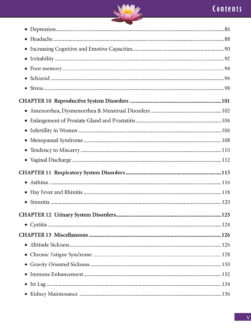
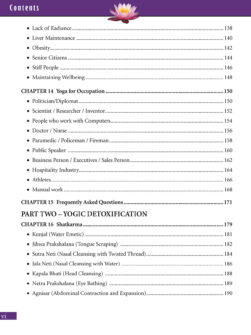
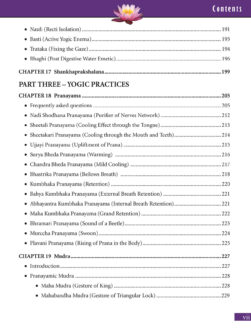
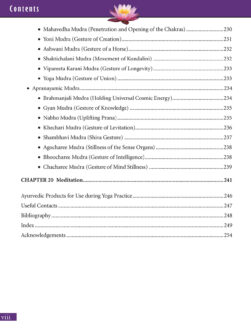
Meet Your Practitioner — Raman Das Mahatyagi
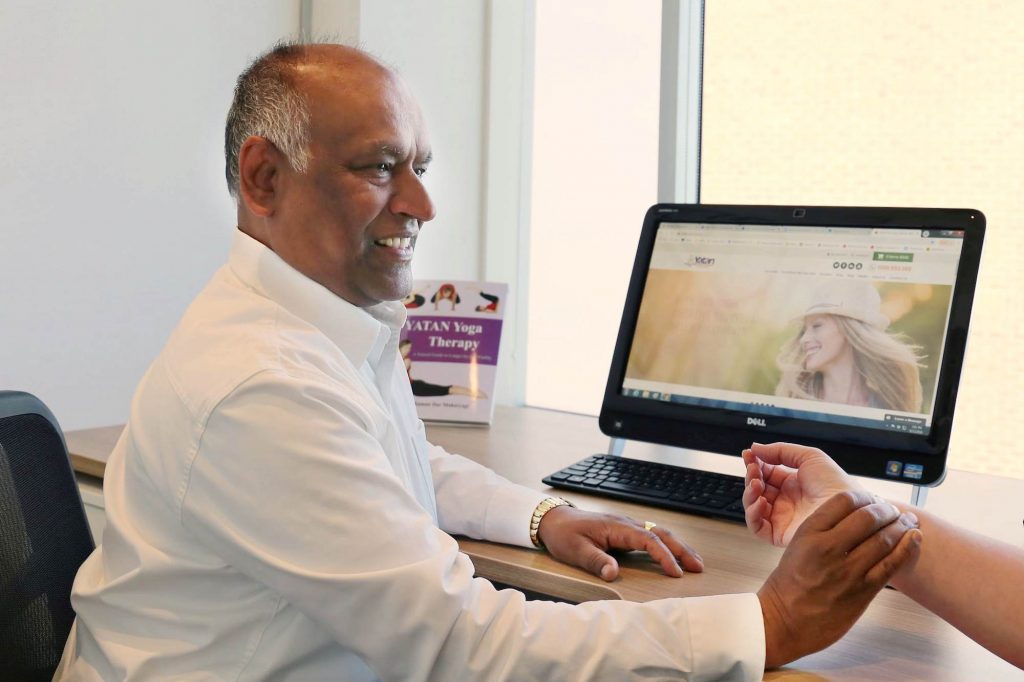
Raman Das is the principal Ayurvedic practitioner at Yatan Holistic Ayurvedic Centre in Sydney. 30+ years of clinical experience, private practice since 2000, author of YATAN Yoga and YATAN Yoga Therapy. His approach to stress treats the body, mind and lifestyle together — pacifying Vata, repairing the digestive system, replenishing Ojas, and integrating breath work and meditation into daily life.
Common Questions About Ayurvedic Stress Treatment
Q: What is stress in Ayurveda?
A: Ayurveda views stress as a result of Vata aggravation. Vata governs all movement in the body — breathing, circulation, the passage of food, sweating, elimination, and nervous activity. Under stress, the body demands more ‘air’ (more Vata) to increase circulation and energy flow, producing adrenaline and other hormones. If sustained, vital nutrients deplete and burnout follows. In classical texts, anxiety specifically is called Chittodvega and is part of the wider Manasika Roga (mental disease) category.
Q: Can Ayurveda replace my anxiety medication?
A: Not on its own decision. Ayurvedic care complements conventional treatment, and many patients reduce or eventually stop psychiatric medication over time. But that reduction must be done with your prescribing doctor’s involvement. Stopping SSRIs, benzodiazepines, or sleep medication suddenly can cause serious withdrawal effects. Use Ayurveda as a foundation, work with your GP on the medication side, and let the team approach support your gradual reduction.
Q: How is Ashwagandha different from a sleeping pill?
A: Ashwagandha is an adaptogen — it modulates the body’s stress response rather than sedating you. It lowers serum cortisol, supports sleep architecture, and builds resilience over weeks of regular use. Unlike sleeping pills, it doesn’t cause grogginess, doesn’t create dependency, and doesn’t lose effect over time. Several clinical trials confirm reduced cortisol and improved sleep quality.
Q: How does a Neti pot help with stress?
A: During stress, the body produces more metabolic toxins (Ama). These accumulate in the head and nasal passages, contributing to headaches, sinus pressure, and what feels like mental fog. The Yatan Neti pot ($39.95) clears these toxins by gentle saltwater rinsing. The practice also stimulates the parasympathetic nervous system through the trigeminal nerve, which helps relax the adrenal glands and quieten the fight-or-flight response. Many patients report feeling calmer immediately after their first use.
Q: What is Shirodhara and is it worth doing?
A: Shirodhara is a continuous flow of warm medicated oil onto the forehead, typically for 30-60 minutes. It is the most direct intervention in Ayurveda for chronic anxiety, insomnia, and nervous system overload. Most people enter a deep meditative state within 5-10 minutes. Effects build over 3-7 sessions. Yes — it is worth doing, particularly if you’ve tried herbs and lifestyle changes without reaching the depth of stillness you need.
Q: Which dosha is most prone to stress?
A: Vata types are most prone to stress in the anxiety, racing-thoughts, insomnia form — because stress IS Vata aggravation. Pitta types experience stress as irritability, anger, perfectionism, and burnout from overworking. Kapha types experience stress as withdrawal, depression, comfort eating, and lethargy. Most people have a primary and secondary dosha pattern, so the presentation often mixes.
Q: Can I do this if I’m already in therapy or counselling?
A: Yes — strongly recommended, actually. Ayurvedic care works on the body-side of stress (cortisol, sleep, nervous system, digestion, energy) while therapy works on the cognitive and emotional side. The two are complementary. Many of our patients report that Ayurvedic foundation work makes their therapy sessions more productive — when the body isn’t in a constant alarm state, the mind is more available for the deeper work.
Q: How long until I notice a difference?
A: Sleep usually improves first — within the first week of starting Ashwagandha and adopting a regular bedtime routine. Background anxiety typically reduces in 2-4 weeks. The full reset of the stress response takes 1-3 months. Deeper resilience and Ojas restoration takes 3-6 months. Healing is not strictly linear — expect some weeks where progress feels obvious and others where it plateaus. That is normal.
Q: Is it safe during pregnancy?
A: Some Ayurvedic herbs (Ashwagandha, Brahmi) need careful dosing in pregnancy. Others (Jatamansi, Tulsi) may not be recommended in early pregnancy. Yoga, pranayama, oil massage, and dietary changes are generally safe with adjustments. Always tell us during your first consultation if you are pregnant or trying to conceive — we’ll build a plan that suits the stage you’re in.
Q: What about stress in children and teenagers?
A: Yes — Ayurvedic care is well suited to children and teenagers, particularly for exam stress, sleep difficulties, and the rising rates of teenage anxiety. Herbs are dosage-adjusted for age. Yoga and breathing practices are taught in age-appropriate forms.
Q: Do you offer telehealth?
A: Yes. Yatan offers telehealth consultations Australia-wide for stress, anxiety, and burnout. Customised herbs are posted directly to you. Video allows the practitioner to read your dosha indicators just as well as in person. For Shirodhara therapy specifically, you’ll need to come to the Sydney clinic — but everything else can be done remotely.
Start With a Free 10-Minute Call
If chronic stress, anxiety or burnout is shaping your daily life, book a free 10-minute call. Raman Das will help you understand whether Ayurvedic care fits your situation, and what a personalised approach would look like.
 Suite 28, 924 Pacific Highway, Gordon NSW 2072
  Available Australia-wide & internationally
  Mon–Fri: 9:00am–5:30pm
 Read More About Stress and Its Treatment
- Stress – Your Ayurvedic Treatment Plan
- Ayurvedic Treatment Of Emotional Stress During Menopause
- Gut Problems – What Can Your Skin Be Telling you?
- Too Much of a Good Thing?
- Anxiety Panic Attack Symptoms Disorder Treatment
- Panic Attack | Depression and Anxiety Disorder Treatment
- Yoga Therapy – Bringing Better Health To All
- Best Acne Treatment | Acne Scar Treatment | Hormonal Acne Treatment
- Are Your Adrenals Exhausted?
- Still Awake? : Try This Yoga For a Better Night’s Sleep
- Hair Pulling Disorder (Pulling Hair Out) | Trichotillomania Treatment
- Scalp Psoriasis | Psoriasis Symptoms Causes | Psoriasis Treatment Diet
- The Art of Observation – Diagnosis without X-rays or Microscopes (Part 2)
- Tackling The Mystery Of Aging
- Low Testosterone Symptoms (Low libido in women) Treatment
- Face Oil Skin Rejuvenation – The Value Of Best Massage in Sydney & Bondi Junction
- Riding the Emotional Roller Coaster?
- Migraine Triggers Symptoms (Causes) Treatment & Relief
- Managing Pain With Ayurveda
Reviewed by Raman Das Mahatyagi, Principal Ayurvedic Practitioner | Last updated: 14 May 2026