








How Can Ayurveda Help You? Conditions Treated at Yatan Sydney
Trusted by 250+ patients in Australia

4.6/5 (Google Reviews)

Holistic & Natural Approach

Personalised Ayurvedic Core

Safe Effective & Side-Effect Free

Sydney’s Trusted Ayurvedic Experts
Ayurveda treats people, not isolated conditions. The same root imbalance can produce eczema, acid reflux, and irritability together — and one well-chosen treatment plan often resolves several issues at once. At Yatan, Raman Das Mahatyagi (30+ years’ clinical experience) treats women’s health, men’s health, children’s health, skin, respiratory, joint, digestive, dental, stress, and weight conditions from the same Sydney clinic. Each condition below links to its full Ayurvedic protocol — herbs, dietary changes, timeline, and treatment cost.
Quick Answer
Ayurveda recognises that disease (Vyadhi) develops through 6 stages, and treatment depends on which stage the condition has reached. Yatan addresses 10 condition categories from the same Sydney clinic: women’s health (menopause, PCOS, menstrual problems), men’s health (testosterone, ED, prostate), children’s ailments (eczema, colic, recurrent colds, hyperactivity), skin (eczema, psoriasis, vitiligo, acne), respiratory (asthma, sinusitis, hayfever), joint health (arthritis, sports injury), stress and mental health (anxiety, insomnia, fatigue), digestive (IBS, constipation, acid reflux, fatty liver), dental and oral hygiene, and weight management.
Each condition below has its own dedicated page with full Ayurvedic protocol — herbs, dietary changes, treatment timeline, and pricing. Free 10-min consult: 1300 552 260.
Free 10-minute consultation
 1300 552 260
 WhatsApp
  Book online
Obstacles in Returning to Health
We all face obstacles throughout life’s journey. These obstacles are not so much problems as opportunities to test our determination, learn new lessons and improve our focus. The pathway to overall good health as provided by Ayurveda is no different. It can be helpful to be aware in advance of some of the distractions that can be encountered along the way.
How Ayurveda Sees Disease Progress
Classical Ayurveda describes disease developing through six stages (Samprapti). Knowing which stage a condition has reached determines treatment depth. This is one of the genuinely unique frameworks Ayurveda contributes that modern medicine doesn’t have an equivalent for.
Stage – Accumulation
Sanskrit Name – Sanchaya
What’s Happening – A dosha begins building up in its home site (Vata in colon, Pitta in small intestine, Kapha in stomach)
Stage – Aggravation
Sanskrit Name – Prakopa
What’s Happening – The dosha intensifies and pressurises its container; vague symptoms begin
Stage – Overflow
Sanskrit Name – Prasara
What’s Happening – The dosha spreads out from its home site into the bloodstream and circulation
Stage – Localisation
Sanskrit Name – Sthana Samshraya
What’s Happening – The dosha settles into a weak tissue or organ; pre-disease symptoms appear
Stage – Manifestation
Sanskrit Name – Vyakti
What’s Happening – The full disease becomes recognisable — this is when most patients seek care
Stage – Differentiation
Sanskrit Name – Bheda
What’s Happening – The condition becomes chronic, with complications and lasting tissue changes
Treatment implication: the earlier you catch a pattern, the simpler the treatment. Stage 1-3 issues respond to dietary changes and minor herbs in weeks. Stage 4-5 cases need 6-12 weeks of consistent work. Stage 6 (chronic, multi-system) cases typically need 3-12 months and a combined approach.
Chronic & Recurrent Problems
Chronic conditions start as an acute case that, when left untreated, go on to cause the development of other imbalances creating a broad symptom picture of the condition. In these cases the treatment needs to attend to the sickness from a range of angles using a blend of techniques. Typically the best progress will be obtained by a treatment plan that includes diet and lifestyle adjustments, yoga therapy and Ayurvedic herbs.
Skin
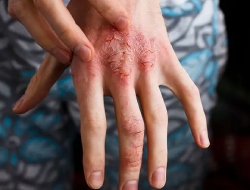
Acne Dermatitis Eczema Psoriasis Dry Skin Vitiligo
Gastrointestinal
Constipation Diarrhoea IBS Crohn’s Disease Ulcer Piles
Respiratory
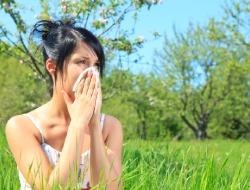
Asthma Hayfever & Rhinitis Sinusitis
Other
Arthritis & Osteoarthritis Alopecia Chronic Fatigue Syndrome Anxiety & Depression Poor Memory Stress Headaches Herpes Virus
Conditions We Help With — Full Index
Every condition below links to a dedicated page with full Ayurvedic protocol — herbs (with Latin botanical names), Sanskrit framework, treatment timeline, cost, and FAQs.



Women’s Health
Many health problems are unique to women.
Women therefore have specific healthcare needs throughout their life cycle. Unfortunately, there exists a wide range of female health issues that are all too commonly regarded as an inevitable fact of life, and many women either suffer unnecessarily or resort to invasive procedures or prescription drugs to relieve their symptoms. Menopausal symptoms are a prime example.
From adolescence to retirement, Ayurveda is well equipped to address these issues in a truly holistic fashion, recognising that most are a result of an unsuitable diet or of unhealthy lifestyle factors. When balance is restored to the system the body is able to effect its own cure, but as imbalances vary greatly between individuals, a careful Ayurvedic assessment is an essential first step.The most common health concerns for which female patients seek treatment at this clinic are:
Menstrual problems / PMS Vaginal dryness during menopause Vaginal discharge PCOS Menopausal symptoms Urinary tract infections Weight gain Incontinence Fluid retention Cold hands and feet
Bloating Burning hands and feet Cramp Infertility Anxiety, stress, depression Constipation / Loose motions Insomnia / Light or disturbed sleep Hair loss Childbirth problems

Men’s Health
Before you reached 30 your body was generating new cells and developing all the time. From 30-40 this process slowed down and your body maintained its level of health. From 40 onwards your body has started to deplete.
Sex hormones play a major role in preserving a man’s youthful feel and good mental and physical health.
Common health problems experienced by men visiting our centre include:
- Sleep disturbances
- Urination problems
- Low libido
- Enlargement of prostate gland and prostatitis
Childhood Ailments
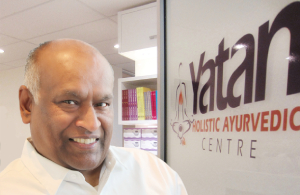
“In my clinic I have found that the Ayurvedic system has been very helpful in the management of common childhood ailments, for example — colic, bed wetting, jaundice, anaemia, constipation, diarrhoea, eczema, dry skin, adenoid problems, blocked nose, anxiety, mental stress, sleep disturbance, hyperactivity, loss of appetite and ADD.” – Raman Das Mahatyagi, Principal Ayurvedic Practitioner

Common childhood problems & symptoms:
Adenoid problems Eczema Colic Bed Wetting Jaundice Anaemia
Constipation Blocked nose, cough/colds Loss of appetite Anxiety and mental stress Hyperactivity / ADD
Multiple conditions? Not sure where to start? Free 10-min call with Raman Das to discuss your situation.
 1300 552 260
 WhatsApp
  Book online
Ears / Nose / Throat
Common problems & symptoms:
Tinnitus Otorrhoea Outer / middle / inner ear infection Ear ache Glue ear Sinusitis Polyps
Adenoid problems Tonsillitis Laryngitis Pharyngitis Hoarseness
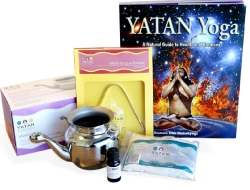
Useful ENT Products
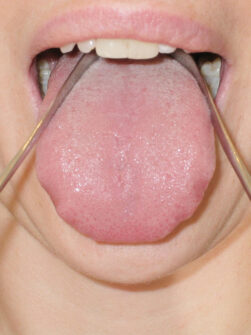
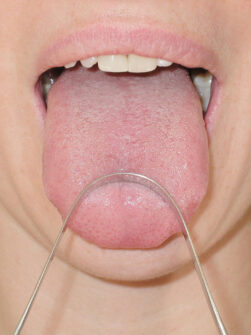
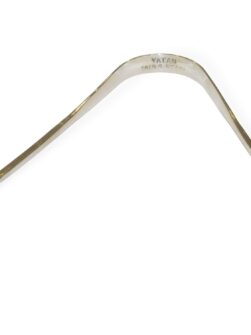
- Yatan Tongue Scraper
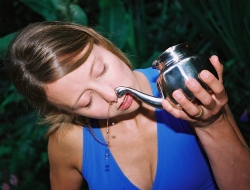
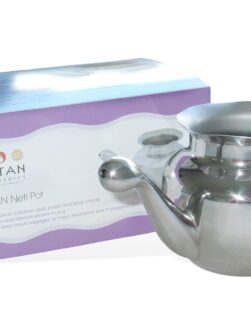
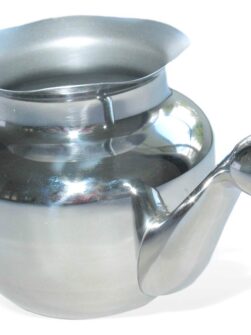
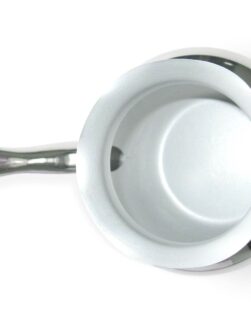
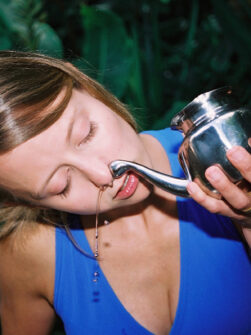
- Stainless Steel Neti Pot
- Ear Oil Drops
- Nasal Oil Drops


Dental Care
Common problems & symptoms:
Bleeding gums / pyorrhoea Halitosis / bad breath Loose teeth Gingivitis
Tooth decay White blotches on teeth Discoloured teeth Sensitive teeth
Useful Dental Products
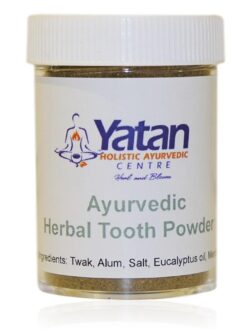
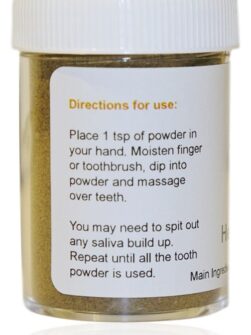
- Ayurvedic Herbal Tooth Powder
- Ayurvedic Herbal Toothpaste
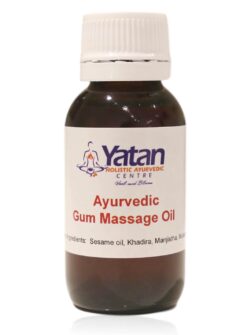
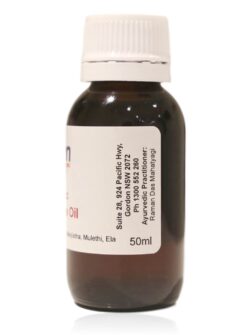
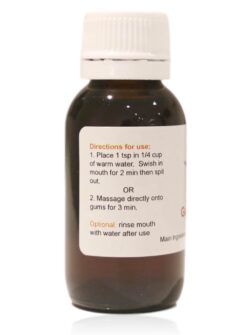
- Gum Massage Oil
- Tongue Scrapers
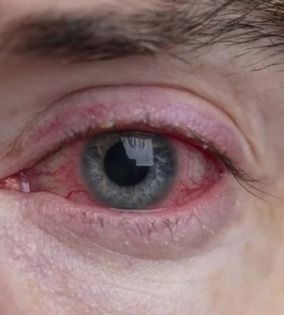
Eye Problems
Common problems & symptoms:
Dry, gritty eyes Red eyes Conjunctivitis Sty Watery eyes
Long / short sightedness Blurry vision Tunnel vision Eye strain
Useful Eye Products
- Eye wash
Read more: Ayurvedic Treatment for Dry Eyes

Sports Injury
Where bone injuries, sports injuries, etc. have occurred, Ayurvedic preparations may help support the body’s natural recovery process and overall wellbeing as part of a holistic approach. For accident and trauma-related injuries, it is important to seek immediate attention from your Medical Doctor or Hospital. In many cases, Ayurveda may act as a complementary approach alongside ongoing medical care provided by your doctor, supporting general health and wellbeing.
Why Several Conditions Often Have One Cause
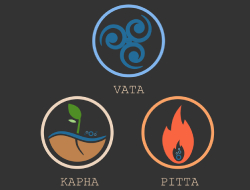
One of the most useful insights from Ayurveda is that what looks like multiple separate conditions is often a single underlying imbalance showing up in different places. Here’s how doshic patterns typically present:
Underlying Pattern – Pitta excess (heat/inflammation)
Conditions That Cluster Together – Eczema + acid reflux + irritability + hot flushes + early greying — all expressions of the same heat. Treat the heat, all improve.
Underlying Pattern – Vata excess (dryness/movement)
Conditions That Cluster Together – Constipation + anxiety + insomnia + dry skin + joint cracking + irregular periods — all dryness. Build moisture and routine, all improve.
Underlying Pattern – Kapha excess (heaviness/stagnation)
Conditions That Cluster Together – Weight gain + sinus congestion + low motivation + slow digestion + cholesterol + sluggish metabolism — all stagnation. Mobilise the system, all improve.
Underlying Pattern – Ama (toxin accumulation)
Conditions That Cluster Together – Coated tongue + brain fog + recurring infections + joint stiffness + body odour — all toxin overflow. Cleanse and rebuild Agni, all improve.
How Classical Categories Map to Modern Diagnoses
One of the most useful insights from Ayurveda is that what looks like multiple separate conditions is often a single underlying imbalance showing up in different places. Here’s how doshic patterns typically present:
Ayurvedic Category – Kushtha (skin diseases)
Modern Equivalent – Dermatology — eczema, psoriasis, vitiligo, acne
ICD-10 Range – L20-L99
Ayurvedic Category – Pranavaha srotas
Modern Equivalent – Respiratory system — asthma, sinusitis, hayfever
ICD-10 Range – J00-J99
Ayurvedic Category – Sandhi-roga
Modern Equivalent – Joint disorders — arthritis, sports injury
ICD-10 Range – M00-M99
Ayurvedic Category – Annavaha srotas
Modern Equivalent – Digestive system — IBS, constipation, acid reflux
ICD-10 Range – K00-K95
Ayurvedic Category – Manasika Roga
Modern Equivalent – Mental health — anxiety, depression, insomnia
ICD-10 Range – F00-F99
Ayurvedic Category – Stri Roga
Modern Equivalent – Women’s health — menopause, PCOS, menstrual
ICD-10 Range – N70-N99
Ayurvedic Category – Vajikarana / Klaibya
Modern Equivalent – Men’s health — ED, prostate, testosterone
ICD-10 Range – E29, F52, N40
Ayurvedic Category – Kaumarabhritya / Balaroga
Modern Equivalent – Pediatric — childhood ailments
ICD-10 Range – P00-P96, age-specific
Ayurvedic Category – Mukha Roga / Danta Roga
Modern Equivalent – Dental and oral
ICD-10 Range – K00-K14
Ayurvedic Category – Sthaulya / Medoroga
Modern Equivalent – Weight management
ICD-10 Range – E66
Looking for a Specific Condition?
If your condition isn’t in the major clusters above, the Ailments Glossary covers 100+ specific conditions individually — from acid reflux to vitiligo. Each entry includes Ayurvedic perspective, contributing factors, and treatment approach.
Common Questions About Ayurvedic Treatment
Q: What conditions can Ayurveda help with?
A: Yatan’s Sydney clinic regularly treats conditions in 10 main categories: women’s health (menopause, PCOS, menstrual problems), men’s health (testosterone, ED, prostate, hair loss), childhood ailments (eczema, colic, recurrent colds, bed wetting, hyperactivity), skin (eczema, psoriasis, vitiligo, acne), respiratory (asthma, sinusitis, hayfever), joint health (arthritis, sports injury), stress and mental health (anxiety, insomnia, fatigue), digestive (IBS, constipation, acid reflux, fatty liver), dental and oral hygiene, and weight management. Ayurveda also supports chronic and recurrent conditions where conventional medicine has fewer options.
Q: How does Ayurveda decide what condition to treat first?
A: Ayurveda doesn’t look at conditions in isolation. The initial consultation assesses your dosha (constitution), current imbalances (Vikriti), digestive fire (Agni), accumulated toxins (Ama), and the stage of disease development. Multiple conditions are often expressions of the same underlying imbalance — for example, a single Pitta aggravation can produce eczema, acid reflux, and irritability together. Treatment usually addresses the root pattern, which often resolves several conditions at once.
Q: Can Ayurveda treat chronic conditions Western medicine couldn’t fix?
A: For some patients, yes — particularly conditions tied to chronic stress, digestion, hormonal imbalance, or constitutional tendencies. Patients regularly come to Yatan after long courses of conventional treatment for recurrent sinusitis, eczema, IBS, anxiety, sleep problems, or low energy that haven’t fully resolved. Ayurveda works on the underlying pattern rather than just suppressing symptoms. For acute disease, structural problems, or anything requiring surgery or emergency care, conventional medicine remains the first stop.
Q: Is Ayurveda safe to use alongside my current medications?
A: Generally yes, but always tell us at the first consultation what you’re taking. Some herbs interact with specific medications — particularly blood thinners, blood pressure medications, diabetes drugs, and antidepressants. We then adjust prescriptions, dosages, or spacing accordingly, sometimes coordinating with your GP. Never stop or reduce prescribed medication without medical supervision.
Q: How long do I need to see results from Ayurvedic treatment?
A: Varies by condition. Acute issues (recent colds, sleep problems, mild digestive complaints) often improve in 1-3 weeks. Chronic conditions (eczema, sinusitis, joint pain, hormonal issues) typically take 6-12 weeks for noticeable shifts and 3-6 months for stable resolution. Constitutional patterns (long-standing weakness, recurrent illness) need 6-12 months. Children typically respond faster than adults — their tissues are more responsive.
Q: What’s the difference between an acute and chronic condition in Ayurveda?
A: Acute conditions are recent imbalances confined to one area or system — recent cold, sudden headache, fresh sprain. Chronic conditions, in classical Ayurveda, are imbalances that have moved through multiple stages (Samprapti) and now affect several tissues. The longer a problem has existed, the deeper the treatment needs to go. Chronic cases typically need a blend of dietary changes, lifestyle adjustments, yoga therapy, and herbal preparations — not just one approach.
Q: Do I need to come in person or can this be done over telehealth?
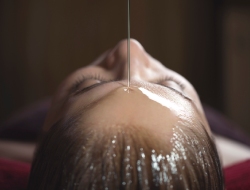
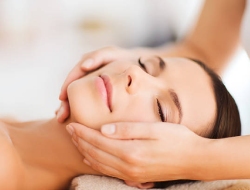
A: Most conditions can be addressed via telehealth. Pulse diagnosis is replaced by detailed questioning, observation via video (skin tone, eyes, breathing, voice), and ongoing feedback. Personalised herbal preparations are posted directly to you. The exceptions are: Panchakarma detox (requires in-clinic for the cleansing therapies), Ayurvedic massage, and Shirodhara — these need the Sydney clinic. Telehealth is available Australia-wide and internationally.
Q: Are Ayurvedic remedies the same as the herbs I see in health-food stores?
A: No. Health-food store products are mass-manufactured general formulas. At Yatan, herbal preparations are dispensed based on your specific dosha, current imbalances, age, and medications you’re taking. Same condition in two patients gets different prescriptions. Quality matters too — practitioner-grade Ayurvedic herbs are tested for heavy metals and contaminants in ways supermarket products often aren’t.
Q: What happens at a Yatan Ayurvedic consultation?
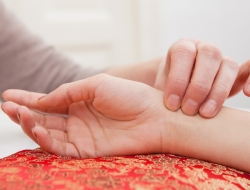
A: The initial 60-minute consultation includes detailed history (medical, lifestyle, diet, sleep, stress, family), pulse diagnosis (Nadi Pariksha), tongue diagnosis, eye examination, and physiological assessment. Raman Das identifies your dosha pattern, current imbalances, and the priority direction for treatment. You leave with a personalised plan covering herbal medicine, dietary adjustments, daily routine, and any specific therapies that apply. Follow-ups (30 min or 15 min) refine the plan based on what’s working.
Q: Do you treat the whole family or just individual conditions?
A: Both. Many patients come for one condition initially and then bring family members over time — Yatan is a multi-generational practice. Family pricing isn’t separate, but the same practitioner seeing related people means consistency across the household (shared diet patterns, shared stress sources, shared environmental factors). Childhood, adult, men’s, women’s, and elder care all run from the same clinic.
Ready to Discuss Your Condition?
If you’ve found a condition above (or several), book a free 10-minute call with Raman Das. He’ll listen, ask the right questions, and tell you honestly whether Ayurvedic care suits your situation.
 Suite 28, 924 Pacific Highway, Gordon NSW 2072
  Available Australia-wide & internationally
  Mon–Fri: 9:00am–5:30pm
 Reviewed by Raman Das Mahatyagi, Principal Ayurvedic Practitioner (ATMS Fellow 2026-27) | Last updated: 14 May 2026