










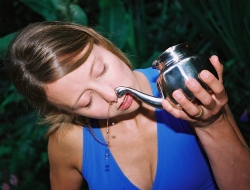









Ayurvedic Support for Oral and Dental Health in Sydney
Trusted by 250+ patients in Australia

4.6/5 (Google Reviews)

Holistic Approach Supporting Long-Term Wellbeing

Personalised Ayurvedic Care

In-Clinic Sydney & Telehealth Consultations

30+ years Professional Experience
Support Better Oral Health with Ayurveda
Traditional Ayurvedic care to support everyday oral hygiene, healthy gums and overall oral wellbeing.
Expert Ayurvedic guidance from Raman Das Mahatyagi — ATMS Fellow with 30+ years of professional experience. Consultations are available at our Gordon clinic in Sydney and by telehealth Australia-wide.
Quick Answer
Ayurvedic dental care is the natural approach to oral hygiene used in classical Ayurveda for over 2,500 years. It treats teeth and gums as part of the wider body, with the mouth understood as the seat of Kapha dosha and directly linked to digestion. Classical texts call oral diseases Mukha Roga, tooth diseases Danta Roga, and tooth decay Krimi Danta. Daily practice includes oil pulling (Gandusha / Kavala), tongue scraping, herbal tooth powder, gum massage with Ayurvedic oils, and rock salt rinses. Common products: Yatan Dental Care Kit ($56.80), Ayurvedic Gum Massage Oil ($21.95), Stainless Steel Tongue Scraper ($14.95), and Herbal Tooth Powder ($29.95). Free 10-min consult: 1300 552 260.
Free 10-minute consultation
 1300 552 260
 WhatsApp
  Book online
How Can Ayurveda Support Oral & Dental Health
Good oral health involves more than responding to problems when they arise. Alongside regular dental check-ups, Ayurveda offers traditional practices that can form part of a person’s everyday oral-care routine.
When it comes to general oral health, Ayurveda offers an all-natural approach, focusing on:
- Daily cleaning and oral hygiene
- Tongue scraping
- Oil pulling (Gandusha and Kavala)
- Herbal tooth powders
- Gentle gum massage
- Dietary and lifestyle guidance
- Individualised recommendations based on dosha and Agni
- Ayurvedic herbal preparations
Ayurveda traditionally considers the teeth, gums and mouth in relation to the health of the individual as a whole. Particular attention is given to Agni (digestive capacity), diet, lifestyle and the balance of Vata, Pitta and Kapha.
At the Yatan Centre, these traditional principles are used to develop an oral-care routine suited to the individual’s constitution and needs. Ayurvedic oral care is complementary to, rather than a replacement for, professional dental diagnosis and treatment.
Common Oral and Dental Health Concerns
People may seek Ayurvedic support for a range of oral health concerns, often alongside their regular dental care. At Yatan Centre, we consider these concerns from a traditional Ayurvedic perspective, including the individual’s dosha balance, digestion (Agni), diet, and lifestyle.
- Bleeding gums
- Discoloured or stained teeth
- Gingivitis (gum disease)
- Halitosis (bad breath)
- Loose, weak/wobbly teeth
- Plaque and bacterial build-up
- Sensitive teeth
- Receding gums
Dental Health Week: A Winter Check-in for Your Teeth
Early August is Dental Health Week in Australia, a good annual prompt to look at your daily routine rather than only thinking about teeth when something hurts. It is also the time of year when sensitive teeth complain most: breathing cold air on a morning walk or sipping cold water can send that sharp jolt through a tooth, the condition classical texts call Danta Harsha. From a traditional Ayurvedic perspective, winter is associated with increased Vata — characterised by qualities such as coldness and dryness. Sensitivity, dryness and changes affecting the gums may therefore be interpreted through a Vata pattern. Simple seasonal measures may include choosing warm rather than very cold drinks, breathing through the nose outdoors where possible, and incorporating gentle Ayurvedic oral-care practices.
If a single tooth becomes newly or increasingly sensitive, have your dentist rule out causes such as decay, a crack, worn enamel or an exposed root. Where sensitivity is more general or long-standing, an Ayurvedic practitioner may also consider the individual’s Vata balance, diet and daily routine.
How Classical Ayurveda Describes Oral Conditions
Classical Ayurvedic texts such as Charaka Samhita, Sushruta Samhita, and Ashtanga Hridaya contain detailed descriptions of conditions affecting the mouth, teeth, gums and tongue. Some traditional terms can be broadly related to oral conditions recognised today, although Ayurvedic classifications should not be regarded as identical to modern dental diagnoses.
Mukha Roga
Traditional meaning: Disorders of the mouth
Broad modern correspondence: Oral disorders generally
Danta Roga
Traditional meaning: Disorders affecting the teeth
Broad modern correspondence: Dental disorders generally
Danta Sharkara
Traditional meaning: Deposits or hardened material associated with the teeth
Broad modern correspondence: Dental calculus or tartar
Krimi Danta
Traditional description: A condition of deterioration affecting a tooth
Broad modern correspondence: Sometimes discussed in relation to dental caries or tooth decay
Putigandha
Traditional meaning: Unpleasant or putrid odour from the mouth
Broad modern correspondence: Halitosis or bad breath
Sheetada
Traditional description: A condition involving the gums, including bleeding and deterioration
Broad modern correspondence: Certain symptoms associated with gum disease
Danta Harsha
Traditional description: Tooth sensitivity or discomfort triggered by particular sensations
Broad modern correspondence: Sensitive teeth
Understanding Oral/Dental Patterns Through the Doshas
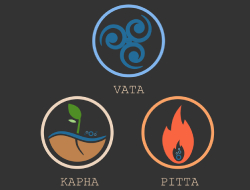
In traditional Ayurveda, different patterns affecting the mouth, teeth and gums may be interpreted according to the qualities of Vata, Pitta and Kapha. These are traditional Ayurvedic concepts and should not be confused with a modern dental diagnosis..
Kapha — Heaviness, Coating and Moisture
Individuals of the Kapha dosha will generally have stronger teeth and enamel, as the mouth is the seat of the Kapha dosha. When Kapha is excessive, traditional Ayurveda may associate it with qualities such as heaviness, increased salivation, tongue coating and puffiness or swelling around the gums. Hormonal and metabolic disorders, which are quite commonplace for Kapha, can also directly affect the mouth and gums.
Pitta — Heat and Inflammation
Those of the Pitta dosha are more prone to developing tooth problems and gum disease. In traditional Ayurvedic assessment, oral patterns involving heat, redness, burning sensations or inflammation may therefore be considered in relation to Pitta. An imbalanced Pitta dosha will almost always signal a digestive condition, which in turn may also result in bad breath and other oral-digestive symptoms.
Vata — Dryness and Sensitivity
Finally, according to Ayurveda, Vata dosha is highly prone to dental problems, particularly receding gums, tooth weakness, pain and sensitivity. Vata-related dental problems will usually appear in most seniors and older people, as this dosha increases with age. As Vata directly rules the nervous system, such an individual may suffer from deep nerve pain in the gums, even if they have had their teeth removed.
To have your dosha properly assessed, consult an Ayurvedic practitioner.
Quick Dosha-Dental Pattern Reference
The same information in scan-friendly form for quick reference:
Kapha
Traditional qualities: Heavy, moist, stable
Possible oral pattern: Increased salivation, heavier coating, puffiness or congestion
Traditional emphasis: Cleansing practices, tongue scraping and individualised dietary guidance
Pitta
Traditional qualities: Hot, sharp, intense
Possible oral pattern: Heat, redness, burning or irritation, digestion-driven halitosis
Traditional emphasis: Cooling and soothing herbs, digestion support
Vata
Traditional qualities: Dry, cold, mobile
Possible oral pattern: Dryness and sensitivity, particularly where Vata is prominent, increases with age
Traditional emphasis: Gentle and nourishing oral-care practices, including appropriate oils
Concerned about bleeding gums, sensitive teeth, or persistant bad breath? Discover how traditional Ayurvedic oral-care practises may complement appropriate dental care.
Call Now for Free 10 Minute Consultation
 1300 552 260
 WhatsApp
  Book online
How Ayurveda Supports Oral Hygiene and Dental Health
Ayurveda uses a range of traditional practices to support everyday oral hygiene and wellbeing. Recommendations vary according to the individual’s constitution, oral condition, diet and general health.
Gum Problems
Gentle gum massage with traditionally prepared Ayurvedic oils may form part of a daily oral-care routine. Herbal powders and oils may also be selected according to the individual’s Ayurvedic constitution and needs. Persistent bleeding, swelling, recession or loose teeth should always be assessed by a dentist.
Tooth Decay and Staining
Herbal tooth powders are traditionally used in Ayurveda as part of daily tooth cleaning, while oil pulling may be incorporated as an additional oral-hygiene practice. Diet and eating habits may also be considered. Existing tooth decay or cavities require professional dental assessment and should not be treated with Ayurvedic oral care alone.
Tooth and Gum Care with Age
As we age, changes in the teeth and gums can become more noticeable. Ayurveda traditionally places particular emphasis on Vata during later life. Individualised oral care may include herbal tooth powders, oils, gentle gum massage and dietary and lifestyle guidance alongside regular dental care.
Mouth and Breath
Ayurvedic oral-care practices for maintaining a clean mouth and fresh breath may include tongue scraping, oil pulling, herbal preparations and warm saline rinses. Ayurveda also traditionally considers digestion, diet and Agni when assessing persistent oral complaints. Pain, ulcers, infection or persistent changes in the mouth should be professionally assessed.
Tongue Care
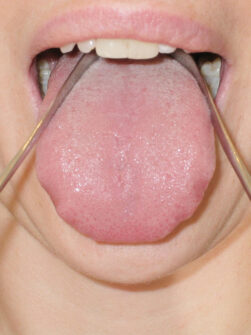
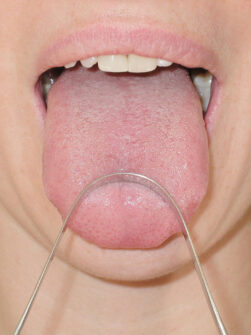
Tongue scraping (Jihwa Prakshalana) is a traditional Ayurvedic daily practice used to remove accumulated coating from the surface of the tongue and maintain oral cleanliness. An appropriate health professional should assess persistent white patches, unusual coatings, pain, or other changes to the tongue.
We advise you to start caring for your teeth and gums as soon as possible. For personalised advice on your oral care concerns, consult Raman Das today!
When Dental Problems Need Urgent Care
Some dental symptoms need a dentist or doctor promptly, beyond a healthy daily oral routine. See a dentist urgently, or an emergency department after hours, if you have: facial or jaw swelling, especially with fever (a spreading dental infection can become serious quickly); severe toothache that keeps you awake or does not respond to pain relief; a knocked-out or broken adult tooth (a knocked-out tooth can sometimes be saved if you act within the hour); bleeding from the mouth that will not stop; or difficulty swallowing or opening your mouth. Ayurvedic care is for daily hygiene, prevention and chronic gum and mouth problems, never a substitute for urgent dental treatment.
Oil Pulling (Gandusha and Kavala)
Oil pulling is one of Ayurveda’s oldest practices. The Sanskrit names are Gandusha (filling the mouth with oil and holding it without movement) and Kavala (swishing a smaller amount around the mouth). Both are described in detail in classical texts including Charaka Samhita.
Traditional uses and potential benefits
- Used traditionally as part of daily Ayurvedic oral hygiene
- May help reduce plaque when used alongside regular brushing and interdental cleaning
- May help maintain gum and oral cleanliness
- May help with breath freshness
How to do it
- Use 1 tablespoon of organic sesame or coconut oil, or preferably Yatan Ayurvedic Gum Massage Oil
- Best done first thing in the morning on an empty stomach
- Swish gently for 10–20 minutes (start with 5 minutes)
- Spit the oil into a paper towel and place it in the bin. Do not swallow, and do not spit into the sink
- Rinse mouth with warm water
Sesame oil is widely used in traditional Ayurvedic practice and is generally regarded as warming, while coconut oil has cooler qualities from an Ayurvedic perspective. Traditionally prepared herbal oils may also be used according to individual Ayurvedic needs.
Traditional Ayurvedic Herbs Used for Oral Care
Ayurveda has a long tradition of using herbs and plant preparations for oral care. The following examples explain their traditional Ayurvedic use in relation to dental and oral health and are provided for general educational information.
Where herbal preparations are recommended at Yatan, suitability is considered based on the individual’s constitution, current dosha balance, digestion, general health, medications, and other relevant factors.
Babool / Acacia (Acacia arabica)
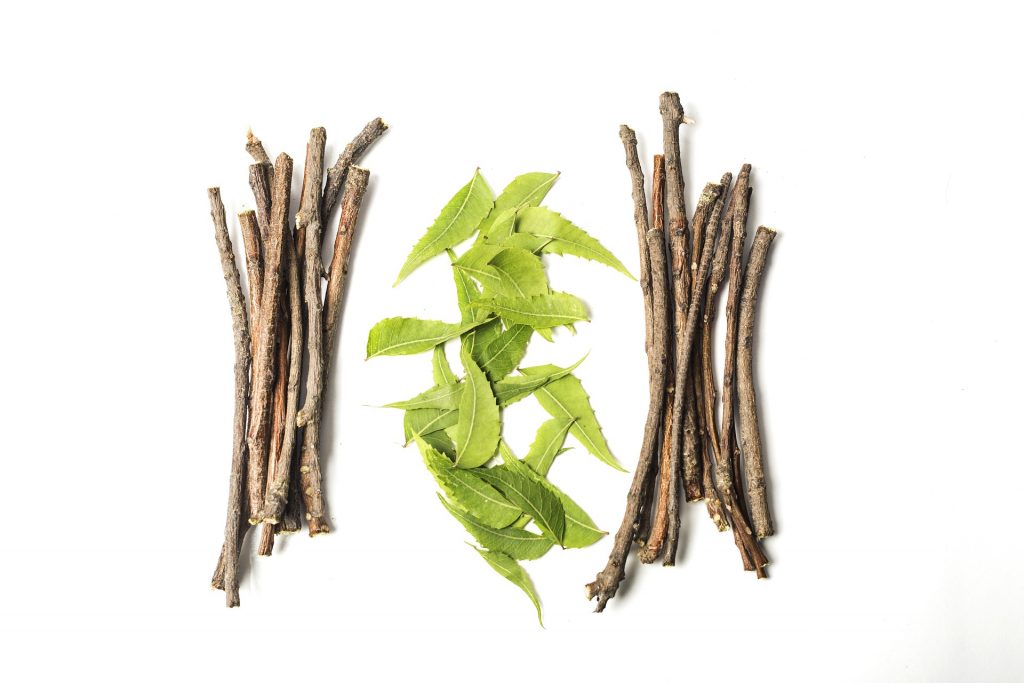
Babool bark has traditionally been used in Ayurvedic oral hygiene, including in datun or traditional chewing sticks. Its astringent qualities have led to its inclusion in preparations concerned with the gums and general oral cleanliness.
Triphala — Three Fruits
Triphala combines Amalaki, Bibhitaki and Haritaki. It has traditionally been incorporated into Ayurvedic oral-care preparations and rinses and is valued particularly for its astringent qualities.
Yashtimadhu / Licorice (Glycyrrhiza glabra)
Yashtimadhu is traditionally regarded as cooling and soothing and may be included in Ayurvedic formulations where Pitta qualities such as heat or irritation are prominent.
Lavanga / Clove (Syzygium aromaticum)
Clove has a long history of use in oral care. Eugenol, a naturally occurring constituent of clove oil, has also historically been used in dentistry. Do not apply concentrated clove essential oil indiscriminately to the mouth or gums.
Manjistha (Rubia cordifolia)
Traditionally regarded in Ayurveda as a Pitta-balancing and blood-supporting herb and included in some preparations concerned with skin, gums and general tissue health.
Haridra / Turmeric (Curcuma longa)
Turmeric is widely used in Ayurveda and is included in some traditional preparations concerned with oral and gum care. Its suitability and method of use depend on the formulation and the individual.
Daily Ayurvedic Oral Care Routine
Incorporating Ayurveda Into a Daily Oral-Care Routine
You can incorporate Ayurvedic oral-care practices alongside established dental hygiene. They do not need to replace the oral-care routine recommended by your dentist.
Morning:
1
Practice: Drink a cup of warm water on waking
Time: 1 min
Traditional purpose: used to support the morning digestive routine and Agni
2
Practice: Brush with Ayurvedic herbal tooth powder
Time: 2 min
Traditional purpose: Used for daily tooth cleaning as part of traditional Ayurvedic oral care
3
Practice: Tongue scraping with stainless steel scraper
Time: 30 sec
Traditional purpose: Removes accumulated tongue coating, and supports daily oral cleanliness
4
Practice: After breakfast, rinse your mouth with water, then do oil pulling (Gandusha) with sesame/coconut or herbal Ayurvedic Gum oil.
Time: 5–20 min
Traditional purpose: May help gum health and reduce plaque
Evening:
1
Practice: Brush teeth with Ayurvedic herbal tooth powder
Time: 2 min
Traditional purpose: Used for daily tooth cleaning as part of traditional Ayurvedic oral care
2
Practice: Gum massage with Ayurvedic gum oil (3x per week)
Time: 2 min
Traditional purpose: A nourishing oral-care practice for gum health.
Optional warm saline rinse:
1
Practice: Rinse with warm water + rock salt
Time: 30 sec
What it does: Used as a simple cleansing rinse for the mouth
Yatan Ayurvedic Dental Health Products
Yatan Ayurvedic Dental Care Kit
Price: $56.80 AUD
For: Complete Ayurvedic daily oral-care routine
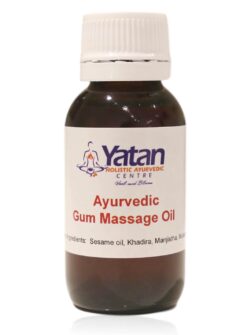
Yatan Ayurvedic Gum Massage Oil 50ml
Price: $21.95 AUD
For: Traditional Ayurvedic gum massage and daily oral care
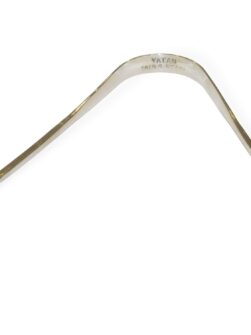
Yatan Stainless Steel Tongue Scraper
Price: $14.95 AUD
For: Daily tongue cleaning and removal of tongue coating
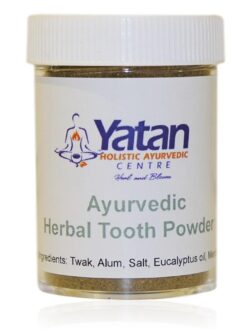
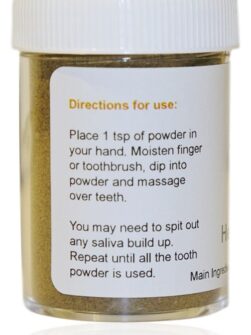
Yatan Ayurvedic Herbal Tooth Powder
Price: $29.95 AUD
For: Traditional Ayurvedic daily tooth cleaning






How Does Ayurveda Differ from Western Dentistry?
Modern dentistry and Ayurveda approach oral health from different perspectives and can often be used alongside one another.
Dentistry should always be your first point of care for dental pain, infection, tooth decay, damaged teeth, gum disease requiring clinical treatment, or procedures such as fillings, root canal treatment, extractions and surgery. Regular dental examinations are also important for identifying problems that may not yet be causing symptoms.
Ayurveda offers a complementary approach focused particularly on daily oral hygiene, diet, lifestyle and traditional self-care practices. Rather than concentrating only on the teeth and gums, Ayurveda traditionally considers oral health in the wider context of the individual’s constitution (dosha), digestion (Agni), diet and general wellbeing.
At Yatan Centre, Ayurvedic oral-care recommendations are personalised according to the individual’s needs and constitution. They may include traditional practices such as tongue cleaning, herbal tooth powders, oil pulling and gentle gum massage, together with dietary and lifestyle guidance.
Side-by-Side Comparison:
Western Dentistry
- Diagnoses dental and gum disease
- Treats decay, infection and structural dental problems
- Uses procedures such as fillings, root canal treatment and extractions where required
- Provides professional cleaning and periodontal treatment
- Uses local anaesthetic and appropriate medicines when required
- Regular dental examinations help identify disease early
- Standard oral hygiene generally includes brushing with fluoride toothpaste and cleaning between the teeth
Ayurvedic Dental Care
- Considers oral care from a traditional whole-person perspective
- Focuses on daily hygiene and supportive oral-care routines
- Uses traditional practices such as herbal powders, oils and tongue cleaning
- May incorporate gentle gum massage and traditional herbal preparations
- Traditionally uses herbs and oils selected according to individual needs
- Traditionally considers digestion (Agni), diet and dosha balance
- Routines may include tongue scraping, oil pulling, herbal tooth powder and gum massage
A Complementary Approach
Ayurvedic oral care is not a replacement for professional dental treatment. We encourage patients to continue regular dental examinations and seek prompt dental care for pain, infection, decay or structural problems.
Ayurveda can instead be used alongside dentistry as a personalised approach to daily oral hygiene and general oral wellbeing, incorporating traditional Ayurvedic practices, diet and lifestyle.
How Much Does Ayurvedic Oral Care Cost?
The cost depends on the type of Ayurvedic oral care that is right for you. You may simply need suitable oral-care products and a daily routine, while more individualised guidance may involve a consultation with Raman Das.
Free 10-Minute Phone/Video Consultation
FREE
Initial Ayurvedic Consultation (60 min)
$139 AUD
Standard Follow-up (30 min)
$81 AUD
Short Follow-up (15 min)
$51 AUD
Yatan Ayurvedic Dental Care Kit (starter bundle)
$56.80
Yatan Ayurvedic Gum Massage Oil 50ml
$21.95
Yatan Stainless Steel Tongue Scraper
$14.95
Yatan Ayurvedic Herbal Tooth Powder
$29.95
Customised herbal preparations (if prescribed)
Varies
Prices current as at August 2026.

Meet Your Practitioner — Raman Das Mahatyagi
Raman Das is the principal Ayurvedic practitioner at Yatan Holistic Ayurvedic Centre in Sydney. 30+ years of professional experience, private practice since 2000, author of YATAN Yoga and YATAN Yoga Therapy. His approach to oral care considers the traditional Ayurvedic relationship between digestion, dosha, diet, lifestyle and oral wellbeing, alongside appropriate professional dental care.
Frequently Asked Questions
Q: What is Ayurvedic dental care?
A: Ayurvedic dental care is the natural oral hygiene approach used in classical Ayurveda for over 2,500 years. It treats teeth and gums as part of the whole body — the mouth is the seat of Kapha dosha, and oral health is directly linked to digestion. Classical texts call oral diseases Mukha Roga and tooth diseases Danta Roga. Practice includes oil pulling (Gandusha), tongue scraping, herbal tooth powders, gum massage with medicated oils, and rock salt rinses.
Q: Can Ayurvedic dental care replace going to the dentist?
A: No. Western dentistry remains your first stop for severe pain, infections that need antibiotics, fillings, root canals, extractions, and any surgical procedure. Ayurvedic care can complement dentistry through traditional daily oral-hygiene practices and by considering diet, digestion, and lifestyle from an Ayurvedic perspective. Best practice is to combine both.
Q: Why are my teeth more sensitive in winter?
A: Cold air and cold drinks are the classic triggers for sensitive teeth, so winter naturally makes things worse. The sharp jolt happens when cold reaches the dentine, usually through worn enamel or gum recession exposing the tooth root. Classical Ayurveda names this Danta Harsha and links it to Vata, the dosha of cold and dryness that rises in winter and with age, which is why sensitivity, receding gums and tooth weakness so often travel together. What helps: warm drinks over cold ones, breathing through the nose outdoors, gentle herbal tooth powder and regular gum massage with warm Ayurvedic oil to support healthy gums. You can incorporate Ayurvedic oral-care practices into your routine, but a dentist should assess new or worsening sensitivity— especially if it involves one tooth.
Q: Is oil pulling actually effective?
A: Oil pulling is a traditional Ayurvedic oral-care practice. Some research suggests that it may provide additional benefits for plaque, mild gingivitis and oral cleanliness when used alongside established dental hygiene, although the evidence remains limited. It does not replace brushing or flossing — it adds to them. Use organic sesame or coconut oil or Ayurvedic Gum Oil, swish for 5 -20 minutes, spit out (never swallow), then rinse your mouth with warm water.
Q: Will Ayurvedic tooth powder damage my enamel?
A: The effect of any tooth powder or toothpaste on enamel depends partly on its formulation and abrasiveness. Yatan Ayurvedic Herbal Tooth Powder uses finely prepared plant-based ingredients for daily oral cleaning. Avoid coarse or gritty homemade powders, and if you have enamel erosion, significant sensitivity or other dental concerns, ask your dentist what type of cleaning product is appropriate for you.
Q: How is bad breath (halitosis) treated in Ayurveda?
A: In Ayurveda, digestion and Agni are also considered when assessing persistent bad breath. From a modern dental perspective, persistent halitosis can have many causes, such as plaque, gum disease, tooth decay, dry mouth or infection, although conditions including reflux and sinus or throat problems can sometimes contribute – so you should also discuss ongoing bad breath with a dentist or health professional. Halitosis (Putigandha in Sanskrit) is treated by addressing both the mouth and the digestive system. In the mouth: daily tongue scraping, oil pulling, and herbal rinses. In digestion: identifying whether the cause is incomplete digestion (Ama formation), constipation, GERD, or a Pitta imbalance — and treating that root.
Q: How do Vata, Pitta and Kapha relate to oral health?
A: Kapha is the seat of the mouth — these individuals usually have stronger teeth but are prone to pH imbalance, white tongue coating, gum swelling, and hypersalivation. Pitta types tend toward inflammation, burning, infections, and decay — often linked to digestive issues. Vata types (especially older adults, since Vata increases with age) are prone to receding gums, sensitivity, weakness, and deep nerve pain in the gums. An Ayurvedic practitioner considers the individual’s overall pattern rather than assuming that a particular dosha causes a particular dental condition.
Q: Why does Ayurveda consider digestion when looking at oral health?
A: Because chewing is the first step of digestion. The mouth’s job is to break food down so the stomach and intestines can process it. If chewing is compromised (weak teeth, missing teeth, pain), the entire digestive cascade weakens — leading to undigested food, toxin formation (Ama), and recurring health issues. Digestive imbalances (especially Pitta) also show up directly in the mouth as bad breath, ulcers, and inflammation. The two systems are inseparable.
Q: Do you offer telehealth consultations for oral-care concerns?
A: Yes. Yatan offers telehealth consultations Australia-wide. Photographs of the affected area help with assessment. We post customised herbal preparations and dental products directly to you. For severe pain, infections, or anything requiring physical dental work, see a dentist first — telehealth Ayurveda complements but doesn’t replace clinical dental examination.
Start With a Free 10-Minute Call
Looking for a more holistic approach to daily oral care? Book a free 10-minute call with Raman Das to learn how traditional Ayurvedic oral-care practices may complement your existing dental routine.
 Suite 28, 924 Pacific Highway, Gordon NSW 2072
  Available Australia-wide & internationally
  Mon–Fri: 9:00am–5:30pm
 More Dental Care Resources
- Discoloured (Yellow & Stained) Teeth: Natural Teeth Whitening
- Tooth Decay in Children Treatment
- Oil Pulling — Trend or Treatment
- Gum (Periodontal) Disease and Loose Teeth Treatment
- Gingivitis Symptoms & Treatment
Reviewed and updated by Raman Das Mahatyagi, Principal Ayurvedic Practitioner (ATMS Fellow, 2026-27) | Last updated: 6 August 2026