






















Ayurvedic Weight Loss Program in Sydney
Trusted by 250+ patients in Australia

4.6/5 (Google Reviews)

Holistic Approach Supporting Long-Term Wellbeing

Personalised Ayurvedic Care

In-Clinic Sydney & Telehealth Consultations

30+ years Professional Experience
A Personalised Ayurvedic Approach to Weight Management
A structured 9-month program combining personalised Ayurvedic guidance, nutrition, lifestyle and YATAN Yoga to support healthy and sustainable weight management.
Expert Ayurvedic guidance from Raman Das Mahatyagi — ATMS Fellow with 30+ years of professional experience. Consultations are available at our Gordon clinic in Sydney and by telehealth Australia-wide.
Quick Answer
The YATAN Ayurvedic Weight Loss Program is a personalised 9-month program designed to support healthy, sustainable weight management rather than short-term dieting.
Ayurveda considers weight in relation to your individual constitution (Prakriti), current dosha balance (Vikriti), digestion (Agni), lifestyle, eating patterns, activity and overall wellbeing.
The program progresses through three stages, with dietary guidance, lifestyle changes and an individually tailored YATAN Yoga program adjusted as you progress. Ayurvedic herbal preparations may also be recommended following individual assessment. The aim is to help you establish healthier habits and a more sustainable approach to managing your weight over the longer term.
Free 10-minute consultation
 1300 552 260
 WhatsApp
  Book online
Understanding Weight from a Broader Perspective
Body weight can be influenced by many factors, including diet, physical activity, sleep, stress, age, hormones, medications, genetics and underlying health conditions. Modern food production and the overconsumption of ultra-processed foods also contribute to the rising prevalence of obesity. Left unaddressed, metabolic syndrome and insulin resistance can follow.
Ayurveda views these factors through an individualised framework that also considers constitution (Prakriti), current dosha balance (Vikriti), digestion (Agni), daily routine, and eating patterns.
Rather than applying the same diet or exercise plan to everyone, the YATAN program develops an approach around the individual.
If excess weight is associated with a medical condition, medication, or metabolic disorder, appropriate medical assessment should be part of overall care.

What Is the Ayurvedic Approach to Weight Management?
In classical Ayurveda, excess body weight is discussed under concepts including Sthaulya and Medoroga, with Medas dhatu referring to the body’s fat or adipose tissue.
Ayurvedic assessment also considers Agni (digestive and metabolic function), Ama (a traditional concept associated with incomplete digestion), the doshas and the individual’s daily habits.
At Yatan, these traditional principles are used to develop a personalised program that may include:
- Individual dietary and meal-timing guidance
- Practical changes to eating and lifestyle habits
- A personalised YATAN Yoga and movement program
- Support for establishing regular daily routines
- Consideration of sleep, stress and activity
- Individually selected Ayurvedic herbal preparations where appropriate
- Regular consultations to review and adapt the program
The aim is not simply to follow a restrictive diet, but to develop an approach that can realistically become part of everyday life.
Why Spring Is Traditionally Associated with Lightening the Diet
In Ayurveda, late winter and spring are traditionally associated with Kapha. As the seasons change, Ayurvedic dietary and lifestyle practices often become lighter and more active.
For this reason, spring has traditionally been considered a suitable time for introducing lighter foods, increasing movement and reviewing habits that may have become more sedentary during winter.
However, you do not need to wait for a particular season. The YATAN program can begin at any time of year, with recommendations adapted to the season and your individual needs.
Your Ayurvedic Body Type and Weight Management
Ayurveda recognises that people differ considerably in body structure, appetite, digestion, energy levels and their response to diet and lifestyle.
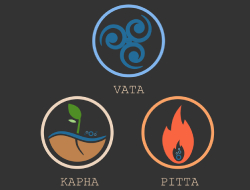
These differences are traditionally understood through the doshas — Vata, Pitta and Kapha. Your meal plan, herbs, and yoga sequences are built around this pattern.
Kapha
Kapha-dominant individuals are traditionally described as having a stronger or more solid build.
Where fat sits: Even distribution, hips, thighs, chest, arms. Soft, smooth, holds water
What drives it: Slow metabolism, sweet/heavy/cold foods, daytime sleep, low activity
What helps: Warm spices (Trikatu, ginger), morning movement, lighter dinner, no snacking
Pitta
Pitta-dominant individuals are traditionally associated with a moderate build and strong appetite.
Where fat sits: Middle (belly, love handles). Firmer build, may have visceral fat
What drives it: Stress, irregular meals, fried/spicy foods, late eating, alcohol
What helps: Cooling bitter greens, regular meal timing, stress reduction, moderate cardio
Vata
Vata-dominant individuals are traditionally associated with a lighter or more variable build.
Where fat sits: Less common pattern. When present, sits around belly with thin limbs
What drives it: Erratic eating, skipping meals, sugar cravings from anxiety, late nights
What helps: Warm grounding foods, regular meal times, daily routine, calming yoga
What Can the Program Support?
The program is designed to help you develop a more personalised and sustainable approach to weight management.
Depending on your individual needs, the program may help you work towards:
- Healthier eating patterns
- More consistent meal timing
- Greater awareness of hunger and eating habits
- Regular physical activity
- Improved strength and flexibility through yoga
- More sustainable daily routines
- Better understanding of your Ayurvedic constitution
- Long-term strategies for maintaining healthy habits
Tried diet after diet without lasting results? Find out if the 9-month YATAN plan fits your body type.
Call Now for Free 10 Minute Consultation
 1300 552 260
 WhatsApp
  Book online
Our 9-Month YATAN Weight Loss Program
The YATAN Weight Loss Program runs for nine months, giving you time to introduce changes gradually and adjust them as you progress.
Throughout the program, you will have a series of Ayurvedic consultations with Raman Das. Your dietary, lifestyle and yoga recommendations are personalised and reviewed as the program progresses.
The program is divided into three stages.
Months 1-3 — Opening the Channels
The first 3 months of the program are focused on opening the body’s communication pathways through nerves, organs, connective tissue, and muscle. We will do this through holistic detoxification, a special exercise program, dietary advice, and Yoga practice.
We will use this time to loosen the body’s fat stores, open the channels for whole-body health communication, increase flexibility in the organs, nerves, muscles, and joints, and improve the connections between organ systems that may have been impacted by muscular and nerve stiffness/stagnation.
Months 3-6 — Building Strength and Movement
The next 3 months of the Weight Loss Program will focus on using open communication pathways to shape the body and help you feel stronger and healthier. We will do this through attuning your special exercise and diet program to your body’s needs.
The second part of the program focuses on shaping and slimming the body using our special “Cut & Paste” yoga program, designed to tone and strengthen different parts of the body while overall fat decreases.
Months 6-9 — Supporting Long-Term Habits
The final stage focuses on consolidating the dietary, lifestyle and movement practices developed during the program.
Recommendations are reviewed and adjusted to help you establish habits that are practical and sustainable beyond the nine-month program.
The emphasis gradually moves from making changes to learning how to maintain them independently.

What Happens in Each Phase
Phase 1
Months: 1–3
Focus: Open the channels
What you’ll work on: Holistic detox, dietary changes, opening exercise, base yoga routine
Phase 2
Months: 3–6
Focus: Build strength and movement
What you’ll work on: Yatan “Cut & Paste” Yoga for fat reduction, strength and flexibility, refined dietary guidance, targeted fat-shifting
Phase 3
Months: 6–9
Focus: Establish sustainable habits
What you’ll work on: Long-term diet, sustainable yoga, integration, results lock in
Ayurvedic Herbs and Your Program
Ayurvedic herbal preparations may form part of the program where appropriate. Some examples of classical herbs are given below. Your personalised Ayurvedic formulation is prepared after consultation rather than prescribing a standard weight-loss form
Traditional Ayurvedic herbs that may be considered include Guggulu, Methi, Punarnava, Haridra and others, depending on the individual’s constitution and needs.
In Ayurvedic tradition, these herbs have different qualities and applications relating to concepts such as Agni, digestion, elimination, Kapha and Medas dhatu.
Important: Tell your practitioner about any medicines, supplements or diagnosed medical conditions before using Ayurvedic herbal preparations. Do not stop or change prescribed medication without consulting the prescribing health professional.
Guggulu (Commiphora mukul) — the classical lipid resin
Traditionally used in Ayurveda for conditions that today would be called dyslipidaemia and metabolic syndrome. Modern studies show it modulates lipid metabolism.
Vrikshamla / Garcinia (Garcinia indica)
Contains hydroxycitric acid. Traditionally used in South India for appetite regulation and lipid balance. The Western ‘Garcinia cambogia’ supplements are a relative of this herb.
Methi / Fenugreek (Trigonella foenum-graecum)
Supports insulin sensitivity and slows carb absorption. Useful for the weight-gain-with-cravings pattern often linked to insulin resistance.
Punarnava (Boerhavia diffusa)
Means ‘renews the body’. Supports kidney function and helps reduce water retention. Useful when weight is accompanied by puffiness, swelling, or sluggish elimination.
Haridra (Curcuma longa) — turmeric
Anti-inflammatory. Chronic low-grade inflammation is now understood to drive insulin resistance and abdominal weight gain. Turmeric is a daily kitchen staple in the program.
Free 10-minute consultation
More Than a Standard Diet Plan
The YATAN program does not rely on a single calorie target or standard meal plan for everyone.
Instead, recommendations are personalised according to factors such as:
- Ayurvedic constitution and current dosha balance
- Eating habits and food preferences
- Digestion and appetite
- Daily routine
- Physical activity and fitness
- Sleep and stress
- Age and general health
- Personal goals
Dietary guidance is combined with yoga, movement and lifestyle recommendations and reviewed throughout the nine-month program.
Calorie awareness can still be useful in weight management. The YATAN approach simply places it within a broader, individualised framework rather than treating calorie counting as the only consideration.
Ayurvedic Eating Principles for Weight Management
Dietary advice is personalised, but some general principles commonly used in Ayurveda include:
Foods and habits that may be encouraged
- Warm freshly cooked meals (a Kapha-pacifying base)
- Vegetables — leafy greens, bitter gourd, asparagus, beetroot, pumpkin
- Spices — turmeric, ginger, black pepper, cumin, coriander, fennel
- Light grains — millet, barley, quinoa, brown basmati
- Pulses — mung dal, red lentils, chickpeas
- Honey (raw, unheated, in small amounts in the morning)
- Herbal teas — ginger, fennel, cumin-coriander-fennel (CCF)
- Making the main meal earlier in the day where practical when Agni is strongest
- Regular meal times
- Adequate hydration
- Eating mindfully and without rushing
Foods and habits that may be moderated
- Cold drinks and iced water (extinguish Agni)
- Refined sugar, sweets, soft drinks
- Fried foods and deep-fried snacks
- Processed and packaged foods
- Excess wheat (white bread, pastries)
- Late-night meals after 8 pm
- Snacking between meals (interrupts Agni)
- Alcohol — particularly beer (Kapha) and spirits
- Foods that do not suit your digestion or constitution
Your individual recommendations may differ according to your health, constitution, food preferences and dietary requirements.
What the Program Costs
Pricing is structured so you can pay weekly or save with upfront payment.
Free 10-Minute Phone/Video Consultation
FREE
Weekly payment plan
$214.49 per week
Monthly equivalent
Approx. $929 per month
Full 9-month program (weekly)
Approx. $8,365 AUD
Full 9-month program — paid upfront
17% discount applied
What’s included
- Regular Ayurvedic consultations throughout the program
- Personalised dietary guidance
- Personalised YATAN Yoga program
- Lifestyle recommendations
- Ongoing review and adjustment
Ayurvedic herbal preparations, where recommended, are an additional cost based on your individual prescription.
Call 1300 552 260 for the full program breakdown or begin with a free 10-minute phone/video consultation.
Prices current as at August 2026.

Meet Your Practitioner — Raman Das Mahatyagi
Raman Das is the principal Ayurvedic practitioner at Yatan Holistic Ayurvedic Centre in Sydney. 30+ years of clinical experience, private practice since 2000, author of YATAN Yoga and YATAN Yoga Therapy. The YATAN Cut & Paste Yoga System used within the program is his personalised approach to selecting and combining yoga practices according to the individual’s constitution, physical needs and goals, refined over decades of clinical practice with Australian patients.
Common Questions About the Program
Q: Is the Ayurvedic Weight Loss Program suitable for everyone?
A: Not necessarily. The program is personalised and suitability depends on your health, medications, dietary needs and individual circumstances. If you have diabetes, cardiovascular disease, an eating disorder, significant kidney or liver disease, are pregnant or breastfeeding, have recently undergone surgery, or have another significant medical condition, appropriate medical advice may be required before or alongside participation.
Q: How much weight can I expect to lose in 9 months?
A: There is no single amount that applies to everyone. Weight change depends on many factors, including starting weight, diet, physical activity, age, health, medications and how consistently lifestyle changes can be maintained. The program focuses on gradual, sustainable changes rather than promising a particular number of kilograms or rate of weight loss.
Q: Is there a best time of year to start?
A: You can start in any season, and the program adapts to whichever one you begin in. That said, classical Ayurveda regards late winter and spring as the ideal window. This is Kapha season, when the cold, damp weather causes Kapha, the dosha responsible for slow metabolism and fat accumulation, to build up, and the warming turn into spring is when it naturally begins to soften and move. Starting then means the program works with the season, not against it. An August or September start also maps well onto the calendar: the opening detox phase runs through spring, the shaping phase runs over summer, and stabilisation completes before the next winter. If you are reading this in a different season, don’t wait months for the perfect start date; starting now with a plan adjusted to the current season beats postponing every time.
Q: What is the Yatan ‘Cut and Paste’ yoga system?
A: It is Raman Das’s own yoga method, refined from his 30+ years of clinical practice. The premise is that certain asana sequences (postures), held and combined in specific ways, can dissolve and shift fat from one part of the body and redistribute the body’s tone more evenly. It is taught individually based on your dosha and where your weight pattern sits. You’ll learn it during phase 2 (months 3-6).
Q: Do I have to give up foods I enjoy?
A: Not necessarily. The program works around your dietary likes and preferences, not against them. Ayurveda treats the cause of weight gain – slow digestion, weak elimination, dosha imbalance – so the diet focuses on timing, combinations, and what to add as much as what to reduce. Most patients find they crave the offending foods less once more nourishing foods are eaten and digestion is rebalanced.
Q: Can the program be done by telehealth from outside Sydney?
A: Yes. Yatan offers telehealth consultations Australia-wide. We post customised herbs directly to you. The yoga program is taught via video sessions. For best results, we recommend at least one in-person assessment if possible, but the entire 9 months can be done remotely if needed.
Q: How much does the program cost in total?
A: $214.49 per week, paid weekly across the 9 months. If you pay the full program upfront, you receive a 17% discount. Herbs are an additional cost based on your individual prescription. Call 1300 552 260 for the full breakdown and an exact quote based on your starting consultation.
Q: Will I be prescribed appetite suppressants or weight-loss drugs?
A: No. The program uses customised diet, lifestyle, yoga, and classical Ayurvedic herbs only. You won’t be prescribed any pharmaceutical appetite suppressants, fat blockers, or weight-loss drugs. If you’re currently on prescription weight-loss medication, tell us during your first consultation. Do not stop or alter prescribed medication without discussing it with your prescribing practitioner.
Q: What happens after the 9-month program ends?
A: The aim of the final stage is to help you integrate what you have learned into everyday life. Some people may choose periodic Ayurvedic consultations afterwards for ongoing review, seasonal guidance or adjustment of their diet, yoga and lifestyle practices. Most patients continue with optional periodic check-ins (every 3 or 6 months) and seasonal Panchakarma cleansing if appropriate. The program is built to make you self-sufficient by month 9 — you’ll know your dosha, your meal patterns, your yoga routine, and how to read your body’s signals. Recurring weight gain becomes far less likely once these patterns are in place.
Q: Can Ayurveda help with insulin resistance and metabolic syndrome?
A: The program helps address patterns that drive insulin resistance and metabolic syndrome : accumulated metabolic waste (Ama), low Agni, Kapha-Medas imbalance, diet and lifestyle. Herbs like Methi (fenugreek), Guggulu, and Haridra (turmeric) have been studied for their effects on glucose and lipid metabolism. Always continue any prescribed medication for diabetes or hypertension under your GP’s care – Ayurvedic care runs alongside, not instead of, medical treatment.
Q: What if I miss a consultation or fall off the plan?
A: Real life happens. The program is built around adjustment — if you miss a phase, slip during travel, or have a stressful month, we adjust the plan rather than restart. You can reschedule consultation times as needed. The key is to not disappear entirely; even a short check-in is enough to keep you on track.
Ready for a More Personalised Approach to Weight Management?
Talk to Raman Das about whether the 9-month YATAN Ayurvedic Weight Loss Program may be suitable for you. Free 10-Minute Consultation — No Pressure or Obligation
 Suite 28, 924 Pacific Highway, Gordon NSW 2072
  Available Australia-wide & internationally
  Mon–Fri: 9:00am–5:30pm
 Read more about Ayurveda and Weight Loss
- Yatan Best Weight Loss Programs & Diet Plans
- Best Weight Loss (Control) Exercise Programs & Diet Plan
- Best Weight Loss Exercise Programs and Diet Plans in Australia
- Packing On The Pounds — The Global Obesity Epidemic
- Diabetes Symptoms (Type 1 & Type 2) Treatment and Diet
- When Just Counting Sheep Isn’t Enough
- Don’t Shoot the Messenger — Dealing with Cholesterol
Reviewed and updated by Raman Das Mahatyagi, Principal Ayurvedic Practitioner (ATMS Fellow, 2026-27) | Last updated: 8 August 2026