







Ayurvedic Treatment for Sports Injury in Sydney
Trusted by 250+ patients in Australia

4.6/5 (Google Reviews)

Holistic & Natural Approach

Personalised Ayurvedic Care

Supporting Long-Term Wellbeing

Sydney’s Trusted Ayurvedic Experts
Recover from sports injuries naturally — from acute strains to lingering post-injury pain — without long-term reliance on painkillers. Under the care of Raman Das Mahatyagi, principal Ayurvedic practitioner with 30+ years’ clinical experience. Yatan’s approach combines pulse-based dosha assessment, Mahanarayan oil therapy, rehabilitation yoga and pranayama. Best used alongside Western medicine — not as a replacement for acute care. In-clinic at Gordon NSW or telehealth Australia-wide.
Quick Answer
Sports injuries — sprains, strains, tears, fractures, dislocations and overuse conditions — occur from external trauma or constitutional weakness. They affect athletes and active people of every age.
In Ayurveda, traumatic injuries are known as Abhighataja Vrana (Sandhi Mocha = joint dislocation, Bhagna = fracture). Ayurvedic recovery focuses on the AFTER-CARE phase: tissue regeneration, muscle strengthening, pain reduction and prevention of re-injury — using Mahanarayan oil, classical herbs (Arjuna, Ashwagandha, Shallaki), Marma point therapy, rehabilitation yoga and pranayama. For acute injuries, see your GP or sports medicine doctor FIRST. Ayurveda then supports long-term healing.
Free 10-minute consultation
 1300 552 260
 WhatsApp
  Book online
What Is the Ayurvedic Viewpoint on Sports Injury?
A sports injury can occur at any time and to any kind of person regardless of their age, gender, and cultural background. There are usually two reasons as to why such an injury may occur:
Accidental injury
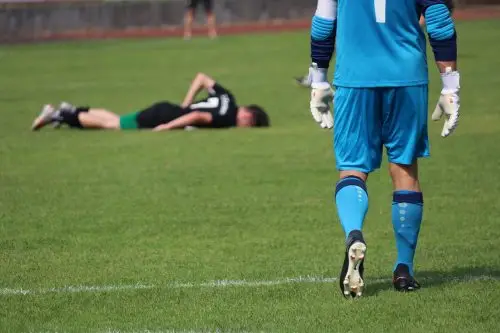
These are the injuries that occur entirely by accident — a wrong step, a lack of focus on your movement, and being injured by a co-athlete are all examples of an accidental sports injury. These injuries do not imply that anything is wrong with you; they are simply a result of an external trauma or, even, bad luck.
Organic weakness
These types of sports injuries are due to an internal condition that renders the body weak. You may have a weak skeletal or muscular system, low tolerance or physical energy, or compromised joints and ligaments. This cause of injury should always be looked into by a medical professional, and a prevention plan for further injury must be put into place.
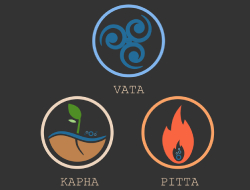
Ayurveda also categorises people into body types, known as doshas, which provide some further explanation for the root cause of the injury, its symptoms, severity, and the treatment options that are most suitable.
Dosha and Sports Injury
In Sanskrit classical texts, traumatic injuries are called Abhighataja Vrana — wounds caused by external impact. Joint dislocations are Sandhi Mocha, fractures are Bhagna. Vital recovery zones are Marma points — clinically important pressure points on the body.
Based on the Ayurvedic viewpoint, certain doshas are more prone to injury than others.
Kapha Dosha
The Kapha dosha will generally be the most tolerant to physical trauma. This is due to the abundance of collagen Kapha individuals have in their system. This fatty substance (shleshaka kapha) covers the bones and ligaments as a shield or ‘cushion’ by means of protecting them from damage. Kapha body types, however, are also prone to infections and a sluggish metabolism, so the injury must still be treated and cared for, even if it does not seem severe.
Pitta Dosha
The Pitta dosha is quite prone to physical injury. Pain will usually be muscular, experienced as sharp and burning. The Pitta individual is also highly prone to digestive disturbances due to increased fire (agni) — you might ask, what does this have to do with sports injury? Well, healthy joints and all of the tissues that support their physiology rely on an adequate supply of nutrients; a healthy ‘fire’ and digestive system ensures the joints are being efficiently ‘fed’ and nourished. Surprisingly, most joint problems develop as the result of an impaired digestive tract.
Vata Dosha
Finally, the Vata dosha is very prone to physical trauma and injury. Bones and joints are actually considered a site of Vata within the body; this means they are also prone to Vata imbalances. This body type is, moreover, known for developing arthritis and weak ligaments. Vata individuals can also be quite nervous, as the nervous system is deeply connected to the joints. Those of the Vata dosha generally cannot tolerate much pain, which is often ‘bone-deep’ and felt all over the body.
To have your dosha assessed, you will need to consult an Ayurvedic practitioner. Doshas do not relate to our body type alone, but are also internal. Oftentimes, more than one internal dosha is affected.
Sports Injury Susceptibility by Dosha
Your presentation depends on which dosha is most aggravated. Identifying the dominant pattern is what makes Ayurvedic treatment effective:
Vata
Injury Susceptibility: Highest
Pain Pattern: Bone-deep, all over body, hard to tolerate
Key Vulnerability: Weak ligaments, arthritis risk, nervous system links
Pitta
Injury Susceptibility: Moderate
Pain Pattern: Sharp, burning, muscular
Key Vulnerability: Joint nutrition tied to digestion (agni)
Kapha
Injury Susceptibility: Lowest
Pain Pattern: Less acute pain, may downplay injury
Key Vulnerability: Slow healing, infection risk, sluggish metabolism
When to Seek Out Treatment
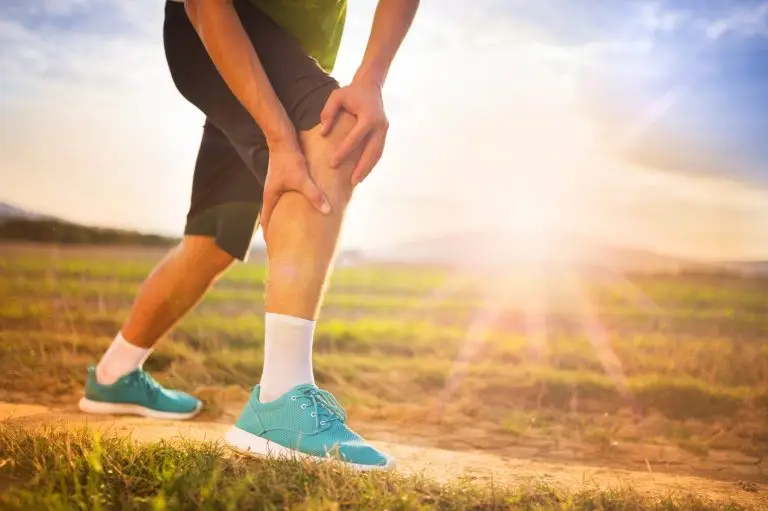
A physical injury of any severity must always be addressed by a medical professional first.
Symptoms that you should report immediately and that should be treated as warning signs of serious injury include:
- Any kind of localised pain
- Localised warmth, tenderness or sensitivity
- Intense bruising
- Swelling and/or redness
- Inability to move or keep your balance
- Numbness or tingling in the affected area or elsewhere
- A visibly deformed joint (this may imply dislocation)
- Any symptom that persists or worsens after a week of the injury
Once you have consulted a medical professional and received a diagnosis of your problem, you can very well choose how you would like to treat your injury. At the Yatan Centre, we highly advise you to make use of the Western allopathic medicine system first, especially if the condition is acute and pain is involved.
Ayurveda is a great holistic option for long-term symptoms of a sports injury that has not fully healed. It will help heal the affected area over time, support bone regrowth, strengthen the muscles, and gradually bring you on the path to full recovery.
Late Winter: Peak Season for Sports Injuries
If you play winter sport, this is the riskiest stretch of the year. Cold muscles, tendons and ligaments are stiffer and less elastic, which is why hamstring and calf strains spike in cold weather, and by August a long season of accumulated load meets tired bodies pushing toward finals. In Ayurvedic terms, winter is peak Vata season, and Vata governs exactly the tissues that fail in sports injuries: joints, ligaments and the nervous system’s control of movement. What helps right now: warm up longer than feels necessary before training or games, keep muscles covered and warm between efforts, use warm Mahanarayan oil massage after sessions rather than only when something hurts, and take niggles seriously before finals rather than playing through them. And if you are planning a return to running or training this spring, start rebuilding gradually now; the overuse injuries we see every October belong to people who went from the couch to full pace in a fortnight.
Common Sports Injuries Treated with Ayurveda
Yatan Ayurveda supports recovery from a wide range of sports injuries — primarily in the long-term healing phase after initial medical care:
Joint Injuries
- Knee injuries (ACL/MCL tears, meniscus damage) — ICD-10 S83
- Shoulder injuries (rotator cuff tears, dislocation) — ICD-10 S43
- Ankle sprains (ligament strain or tear) — ICD-10 S93
- Wrist and hand injuries — ICD-10 S60-S69
- Hip injuries and labral tears — ICD-10 S73
Muscle & Tendon Injuries
- Hamstring strain — ICD-10 S76.3
- Calf strain (gastrocnemius/soleus) — ICD-10 S86
- Quadriceps strain — ICD-10 S76
- Tennis elbow / Golfer’s elbow — ICD-10 M77
- Achilles tendinitis — ICD-10 M76.6
- Plantar fasciitis — ICD-10 M72.2
Overuse & Chronic Conditions
- IT band syndrome
- Shin splints (medial tibial stress syndrome)
- Stress fractures (post acute care)
- Cumulative joint wear in masters athletes
- Chronic post-surgical recovery (knee, shoulder, hip replacements)
Recovering from an injury that won’t fully heal? Discover how Ayurvedic care speeds long-term recovery — from Sydney’s Raman Das.
Call Now for Free 10 Minute Consultation
 1300 552 260
 WhatsApp
  Book online
Western Medicine vs Ayurveda
Western Medicine
- Best for – Acute injuries, diagnosis, surgery, emergency
- Tools used – Imaging (X-ray, MRI), surgery, NSAIDs, physio
- Pain approach – Suppresses pain with NSAIDs/opioids
- Tissue healing – Surgical repair, physical therapy
- Diagnosis lens – Anatomy, imaging-based pathology
- Recovery time – Standard protocols, fixed timelines
- Re-injury risk – Can be high if root cause unaddressed
- Side effects – NSAID gut/kidney issues, surgery risk
- When to choose – First, especially for acute injury
Ayurveda
- Best for – Long-term recovery, chronic pain, prevention
- Tools used – Pulse diagnosis, herbs, oils, yoga, diet
- Pain approach – No painkillers — trains body to heal itself
- Tissue healing – Tissue regeneration via Mahanarayan oil + herbs
- Diagnosis lens – Dosha assessment + constitutional analysis
- Recovery time – Patient-specific, slower initial, more durable
- Re-injury risk – Lower — addresses underlying weakness
- Side effects – Minimal when properly prescribed
- When to choose – After acute care for sustained recovery
Best practice: Use both. Western medicine excels at acute care and diagnosis. Ayurveda excels at long-term recovery, tissue regeneration, and preventing re-injury. They complement each other beautifully.
What Is the Ayurvedic Treatment for Sports Injuries?
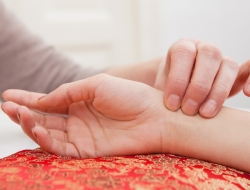
At our Yatan Centre, you can expect to be treated like a unique individual and system. You will initially be assessed via pulse reading and your dosha will be identified. If you have any official doctor’s statement, prescription, blood work results or X-rays, you should bring those along with you.
You will then be prescribed one or more of the following:
- A herbal paste, which can be applied topically, or a herbal decoction (or both)
- Anti-inflammatory dietary recommendations (like turmeric milk)
- Yoga therapy for rehabilitation purposes
- Pranayama for blood circulation, muscular strengthening, and speeding up your recovery
You will NOT be prescribed painkillers or other pain relief medication. Ayurveda treats the individual as unique. As a holistic science, it addresses not only the localised injury, but the entire system, as well. It does not offer temporary relief, as would painkillers, but trains the body to heal itself over time. Treatment is natural and generally very well tolerated when prescribed and monitored by a qualified practitioner, but you would have to be just a little bit patient until the results kick in.
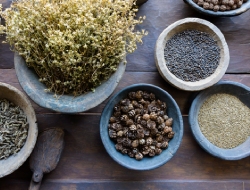
Ayurvedic Herbs for Sports Injury Recovery
Never self-prescribe Ayurvedic herbs after a sports injury. Combinations and dosage must match your dosha pattern, injury type, and any current medications. Always consult a qualified practitioner.
Arjuna (Terminalia arjuna) — Bone & Cardiovascular Tonic
Classical Ayurvedic herb specifically named for bone healing (Bhagna). Strengthens bones, ligaments and tendons. Particularly useful after fractures or stress injuries.
Ashwagandha (Withania somnifera) — Recovery Adaptogen
The premier rejuvenative (rasayana) for muscle recovery, strength building, and recovery from fatigue. Modern research validates its effects on muscle mass and strength. Used internally as powder or capsule.
Shallaki (Boswellia serrata) — Joint Anti-Inflammatory
Frankincense — proven anti-inflammatory for joint and ligament conditions. Used internally and in topical preparations. Particularly valuable for ACL/meniscus recovery and chronic joint inflammation.
Guggulu (Commiphora mukul) — Tissue Repair Resin
Used in classical formulations like Yogaraj Guggulu and Kaishore Guggulu — supports tissue repair, reduces inflammation, and clears ama (metabolic waste) from joints.
Haridra (Curcuma longa) — Turmeric
Powerful anti-inflammatory. Used internally with warm milk (turmeric milk) and externally in herbal pastes (lepa).
Nirgundi (Vitex negundo) — Muscle & Joint Pain Herb
Classical Ayurvedic herb specifically for joint and muscle pain. Used topically in oils and internally as decoction.
Bala (Sida cordifolia) — Strength-Giving Herb
Literally translates as ‘strength.’ Used in classical Bala oil for muscle weakness, post-injury rehabilitation, and recovery from athletic overtraining.
Free 10-minute consultation
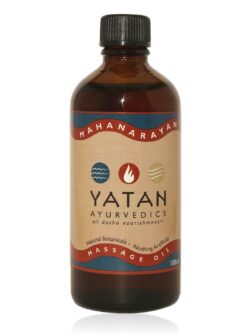
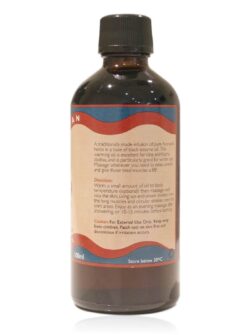
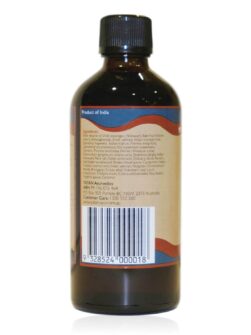
Mahanarayan Massage Oil — Premier Sports Recovery Oil
Mahanarayan Oil is Ayurveda’s premier massage oil for Vata-related musculoskeletal conditions — making it ideal for sports injury recovery. Its warming, penetrating nature helps to:
- Relax tight, overworked muscles
- Reduce stiffness in stiff or recovering joints
- Improve circulation to injured tissues, accelerating healing
- Restore tone and vitality after intense training
- Reduce muscle fatigue and prevent over-use injuries
- Support the deeper tissues (asthi, majja) per classical Ayurveda
How to Use:
- Warm the oil slightly (do not boil)
- Apply liberally to affected area or full body
- Massage gently for 5-15 minutes
- Allow 20-30 minutes for absorption, then warm shower
- Apply daily during active recovery phases
Mahanarayan Massage Oil 100ml — $37.95 AUD
Rehabilitation Yoga for Sports Injury Recovery
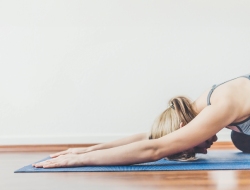
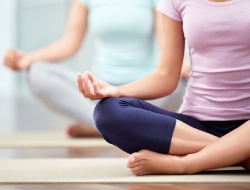
Yoga therapy is one of the four pillars of Ayurvedic sports injury treatment. It’s not only about flexibility — it’s about retraining the body for safe movement, building functional strength, and improving circulation to healing tissues.
Principles of Rehabilitation Yoga
- Warm up the body thoroughly before any stretching
- Build muscle around the injured joint for stability
- Improve flexibility and range of motion gradually
- Use pranayama (breath work) to deliver oxygen to healing tissues
- Never force a position — work to your edge, not past it
- Practice consistently — daily 15-20 minutes beats once-weekly hour
Recommended Pranayama for Recovery
- Ujjayi (Ocean Breath): Calms nervous system, useful when in pain
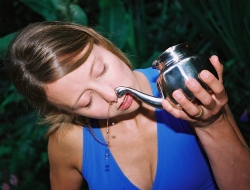
- Nadi Shodhana (Alternate Nostril): Balances nervous system, reduces stress around injury
- Deep Belly Breathing: Increases oxygen and circulation throughout body
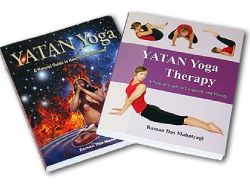
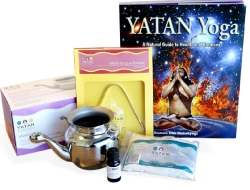
The YATAN Yoga Therapy book — $69.95 AUD — covers rehabilitation sequences in detail.
Ayurvedic Sports Injury Recovery Timeline
Ayurvedic recovery is about durable healing, not quick suppression. Realistic timelines:
Typical Recovery Phases
Mild injuries (Grade 1 sprains, minor strains)
Substantial improvement in 4-8 weeks with daily oil massage, herbs, and rehab yoga
Moderate injuries (Grade 2, persistent pain)
3-6 months for full functional recovery
Severe injuries (post-surgical, complete tears)
6-12 months in supportive Ayurvedic care alongside conventional rehab
Old chronic injuries
6-12 months for substantial recovery — these often respond surprisingly well
Maintenance phase
Ongoing Mahanarayan oil massage 2-3x weekly + yoga + diet — prevents re-injury and supports peak performance
Free 10-minute consultation
Patience is part of the treatment. Painkillers offer instant relief but mask underlying issues. Ayurveda takes time but heals the tissue properly, dramatically reducing re-injury risk.
How Much Does Ayurvedic Sports Injury Treatment Cost?
Cost depends on injury severity and treatment duration. After your free 10-minute consultation, Raman Das will recommend a personalised plan with a clear cost estimate.
Free 10-Minute Phone/Video Consultation
FREE
Initial Ayurvedic Consultation (60 min)
$139 AUD
Standard Follow-up (30 min)
$81 AUD
Short Follow-up (15 min)
$51 AUD
Mahanarayan Massage Oil 100ml
$37.95 AUD
YATAN Yoga Therapy book
$69.95 AUD
YATAN Yoga Book Bundle
$130.00 AUD
Customised herbal formulations
Varies by prescription
Prices current as at August 2026.
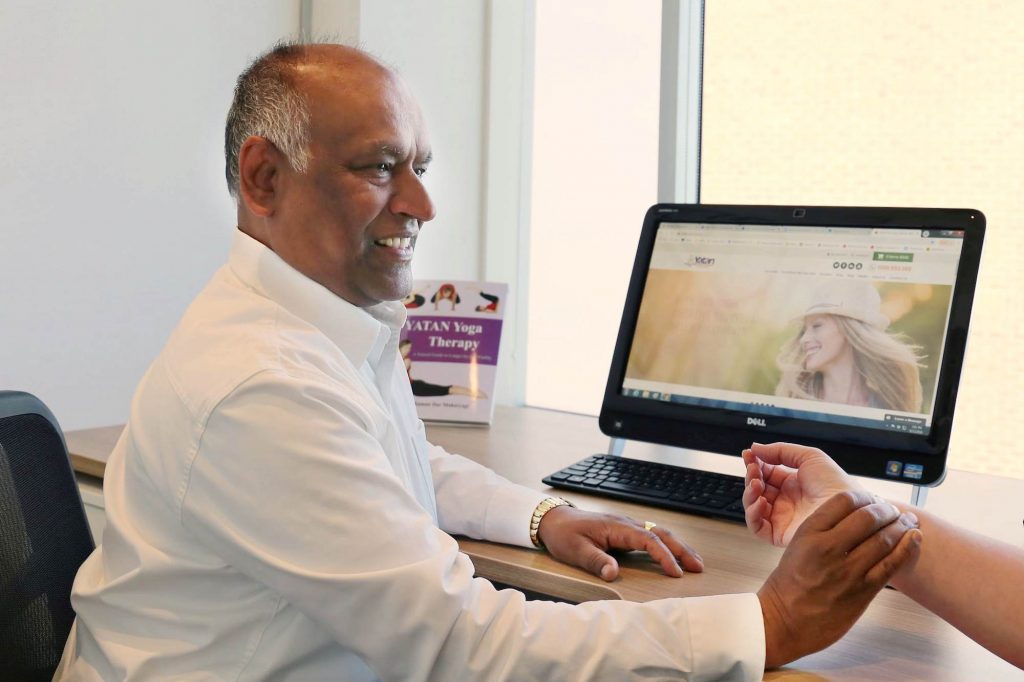
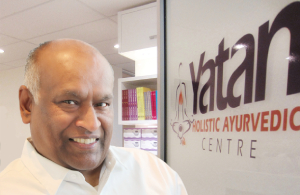
Meet Your Practitioner — Raman Das Mahatyagi
Raman Das is the principal Ayurvedic practitioner at Yatan Holistic Ayurvedic Centre, with 30+ years of clinical experience and a private practice in Sydney since 2000. Author of YATAN Yoga and YATAN Yoga Therapy. His clinical approach to sports injury combines pulse-based dosha assessment, traditional Ayurvedic herbs and oils, and rehabilitation yoga — helping Australian athletes and active people recover fully without long-term painkiller dependence.
Frequently Asked Questions
Q: What is a sports injury in Ayurveda?
A: In Ayurveda, sports injuries are classified under Abhighataja Vrana (traumatic wound) and include conditions like Sandhi Mocha (joint dislocation) and Bhagna (fracture). Sports injuries are understood through two lenses: external trauma (Abhighata) and underlying constitutional weakness (the dosha pattern that made the body more susceptible). Treatment uses Marma point therapy, warm medicated oils, herbal pastes, and rehabilitation yoga — alongside conventional medicine.
Q: Should I use Ayurveda or Western medicine for a sports injury?
A: Both. For an acute sports injury with significant pain, swelling or suspected fracture, see a medical professional first — Western medicine is excellent for diagnosis (X-ray, MRI), immediate stabilisation, and acute pain control. Ayurveda is excellent for the LONG-TERM recovery phase: regrowing bone, strengthening muscles, reducing chronic pain, and preventing re-injury. We highly advise using Western allopathic medicine first when the condition is acute, then incorporating Ayurveda for sustained recovery.
Q: Why are muscle and joint injuries more common in cold weather?
A: Cold tissue is stiff tissue. In low temperatures, muscles, tendons and ligaments lose elasticity, blood flow to the limbs is reduced, and reaction times slow slightly, so the same movement that is safe in warm conditions can strain or tear cold tissue. That is why hamstring and calf injuries spike in winter sport. In Ayurvedic terms, winter aggravates Vata, the dosha governing joints, ligaments and movement control, making these tissues drier and more brittle. Prevention: warm up thoroughly and gradually before every session, stay warm between efforts, do regular warm oil massage (Mahanarayan oil suits most people) to keep tissues supple, and address small niggles early instead of playing through them. If an injury does happen, get it assessed by a medical professional first, then use Ayurvedic care for the recovery phase.
Q: How does dosha affect sports injury risk?
A: Vata individuals are most prone to sports injury because bones and joints are a site of Vata — they often develop weak ligaments and ‘bone-deep’ pain. Pitta types are quite prone to muscular injuries with sharp, burning pain — and joint problems often link to their digestive fire (agni). Kapha types are most tolerant to physical trauma due to abundant shleshaka kapha (cushion-like collagen around joints), but still need treatment as they are prone to slow healing and infection.
Q: What is the best Ayurvedic oil for sports injury recovery?
A: Mahanarayan Oil ($37.95) is Ayurveda’s premier oil for sports recovery and Vata-related musculoskeletal conditions. Its warming, penetrating nature reduces stiffness, improves circulation, and supports muscle and joint healing. It can be applied locally to the affected area or used for full-body massage. Other useful oils include Ksheerabala (for nervous system support) and Dhanwantharam (for deep tissue work).
Q: Will Ayurveda prescribe me painkillers for my injury?
A: No. At Yatan Ayurveda, you will not be prescribed painkillers or pain relief medication. The Ayurvedic approach trains the body to heal itself rather than offering temporary symptom suppression. We use herbal pastes, anti-inflammatory diet (such as turmeric milk), yoga therapy for rehabilitation, and pranayama for circulation and recovery. If you need acute pain relief during the early stages, work with your GP — and use Ayurveda alongside for healing the underlying tissue.
Q: How long does Ayurvedic sports injury treatment take to work?
A: Patience is required — Ayurveda focuses on the body healing itself rather than masking symptoms. Mild injuries often improve in 4-8 weeks of consistent treatment. Moderate injuries with lingering pain or stiffness typically resolve in 3-6 months. Chronic post-injury conditions (old injuries that never fully healed) may take 6-12 months for substantial recovery. The trade-off is durability: properly healed tissue is less likely to re-injure than NSAID-managed tissue.
Q: What yoga is best for sports injury recovery?
A: Gentle, therapeutic yoga focused on the affected area is best. The Yatan Yoga Therapy book ($69.95) covers rehabilitation sequences. Specific principles: warm up the body before stretching, focus on improving range of motion gradually, build muscle around the joint for stabilisation, and use pranayama (breath work) to increase oxygen and circulation to healing tissues. Avoid forced stretches, deep backbends, or high-impact movements during recovery. Always work with an experienced yoga therapist.
Q: Can I use Ayurveda for old, unhealed sports injuries?
A: Yes — this is one of Ayurveda’s strongest applications. Old injuries that never fully healed often respond very well to Ayurvedic treatment. Common scenarios include lingering knee pain after ACL surgery, chronic shoulder weakness after dislocation, persistent ankle instability, or muscle scarring causing reduced mobility. Treatment combines Mahanarayan oil massage, customised herbs (Ashwagandha for strength, Shallaki for joints), yoga therapy, and dietary support for tissue regeneration.
Q: Do you offer telehealth consultations for sports injury?
A: Yes. Yatan Ayurveda offers telehealth consultations Australia-wide and internationally for sports injury recovery. Customised herbal preparations and Mahanarayan oil are posted directly to you. Video consultations allow Raman Das to assess mobility, observe affected areas, and review any imaging (X-rays, MRI) you’ve had done. Bring along your doctor’s diagnosis, prescriptions, blood work, and imaging results when possible.
Book your free 10-minute consultation
Discover how Ayurvedic care can speed your sports injury recovery and prevent re-injury — without painkillers or long-term medication.
 Suite 28, 924 Pacific Highway, Gordon NSW 2072
  Available Australia-wide & internationally
  Mon–Fri: 9:00am–5:30pm
 More Sports Injury Resources
For more information on managing sports injuries with Ayurveda:
Reviewed and updated by Raman Das Mahatyagi, Principal Ayurvedic Practitioner (ATMS Fellow, 2026-27) | Last updated: 8 August 2026