

















Ayurvedic Support for Sinusitis in Sydney
Trusted by 250+ patients in Australia

4.6/5 (Google Reviews)

Holistic & Natural Approach

Personalised Ayurvedic Care

Supporting Long-Term Wellbeing

Experienced Ayurvedic Care in Sydney
Breathe More Comfortably with Ayurvedic Support
Personalised Ayurvedic care to support sinus and respiratory wellbeing, with an approach tailored to your individual needs.
Expert Ayurvedic guidance from Raman Das Mahatyagi — ATMS Fellow with 30+ years of professional experience. Consultations are available at our Gordon clinic in Sydney and by telehealth Australia-wide.
Quick Answer
Sinusitis is inflammation of the tissues lining the sinuses and may cause nasal congestion, facial pressure or discomfort, reduced sense of smell, headache and nasal discharge. Acute sinusitis commonly follows a viral respiratory infection, while persistent or recurrent symptoms may have a range of contributing factors.
From an Ayurvedic perspective, sinus-related symptoms may be understood in relation to Pinasa or Dushta Pratishyaya, with the individual pattern considered according to Vata, Pitta and Kapha.
Ayurvedic care may include traditional practices such as Jala Neti and Nasya, together with personalised dietary and lifestyle guidance and, where appropriate, Ayurvedic herbal preparations.
Free 10-minute consultation
 1300 552 260
 WhatsApp
  Book online
What Is Sinusitis?
Sinusitis is inflammation of the tissues lining the paranasal sinuses — the air-filled spaces within the bones of the face. Swelling can interfere with normal sinus drainage and may contribute to congestion, facial pressure, nasal discharge and other symptoms.
Sinus symptoms may be short-lived, recurrent or persistent, and their causes and contributing factors can vary between individuals.
What Factors Can Contribute to Sinusitis?
The sinuses normally produce mucus that traps particles and keeps the nasal passages moist. When the tissues lining the nose and sinuses become inflamed or swollen, normal drainage may be affected.
Acute sinusitis often develops following a viral respiratory infection. Persistent or recurrent sinus symptoms can have a range of contributing factors, including allergies, nasal polyps or other structural factors, environmental irritants and, in some cases, infection.
Factors that may contribute include:
- Viral or bacterial infection (acute sinusitis)
- Allergies — hayfever, dust mites, pet dander (chronic sinusitis)
- Fungal infections (in immunocompromised individuals)
- Structural abnormalities — deviated septum, nasal polyps
- Ostium (sinus opening) blockage
- Smoking (active or passive)
- Overuse of decongestant nasal sprays (rebound congestion)
- Cold or dry climate exposure
- Air pollution and irritants
- Compromised immune system
Late Winter to Spring: A Challenging Time for Sinus Symptoms
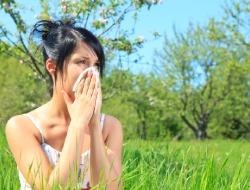
Late winter and spring can be particularly challenging for people who experience recurring nasal congestion or sinus symptoms. Respiratory infections are common during the colder months, while increasing exposure to pollen during spring may aggravate nasal and sinus symptoms in people with allergies.
If your symptoms tend to return at the same time each year, this seasonal pattern can be considered as part of your Ayurvedic assessment. Depending on your individual needs, your practitioner may discuss Jala Neti, diet, lifestyle and other traditional Ayurvedic approaches as part of your seasonal wellbeing routine.
Persistent, severe or worsening sinus symptoms should also be medically assessed to determine whether allergies, infection or structural factors may be involved.

Symptoms of Sinus Infection (Sinusitis)
Sinusitis symptoms vary by type and severity. The most common include:
Common Symptoms
- Nasal congestion or blockage
- Thick yellow or green nasal discharge
- Facial pain, pressure or tenderness — particularly around the forehead, cheeks, eyes, and nose
- Sinus headaches (often worse when bending forward or lying down)
- Reduced sense of smell and taste
- Post-nasal drip
- Cough (especially at night)
- Sore throat from postnasal drip
- Bad breath (halitosis)
- Ear fullness or pressure
- Fatigue and low-grade fever (acute cases)
- Tooth pain (upper teeth)
Acute vs Chronic Sinusitis
Acute Sinusitis
- Duration – Up to 4 weeks
- Common cause – Viral or bacterial infection
- Onset – Sudden, often after a cold
- Pain level – Often severe
- Discharge – Thick yellow/green
- Fever – Common in bacterial cases
- Ayurvedic name – Pratishyaya / Pinasa
- ICD-10 code – J01
Chronic Sinusitis
- Duration – 12+ weeks (recurring)
- Common cause – Allergies, structural issues, immune problems
- Onset – Gradual, persistent
- Pain level – Mild to moderate, ongoing
- Discharge – Variable, often thinner
- Fever – Uncommon
- Ayurvedic name – Dushta Pratishyaya
- ICD-10 code – J32

How Can Sinusitis Affect You?
Sinusitis can present differently from person to person. Some people experience nasal dryness, while others develop congestion or nasal discharge. Facial pressure, reduced sense of smell, headache, post-nasal drip, cough, throat irritation and fatigue may also occur.
Persistent or recurrent symptoms can affect sleep, concentration and day-to-day comfort. Symptoms that are severe, worsening or continuing for an extended period should be medically assessed.
When Sinusitis Needs Urgent Medical Attention
Sinusitis is usually not dangerous, but in some cases it can lead to serious complications. See your GP or attend an emergency department if you experience:
- Severe headache that doesn’t respond to pain relief
- High fever (above 38.5°C / 101°F) lasting more than 3 days
- Swelling, redness or pain around the eyes
- Vision changes (blurred or double vision)
- Confusion, neck stiffness or sensitivity to light
- Symptoms that worsen despite treatment, or last longer than 12 weeks
Ayurvedic care is best used for chronic and preventive management. Acute bacterial sinusitis with severe symptoms may require medical treatment (sometimes antibiotics) – If you are receiving medical treatment, tell your GP and Ayurvedic practitioner about all medicines, herbs and supplements you are using.
Support Sinus & Nasal Wellbeing Naturally — Discover personalised Ayurvedic care with Sydney Ayurvedic practitioner Raman Das Mahatyagi.
Call Now for Free 10 Minute Consultation
 1300 552 260
 WhatsApp
 What Is the Ayurvedic Perspective on Sinusitis?
Ayurveda traditionally describes nasal and sinus-related disorders using concepts including Pratishyaya, Pinasa and Dushta Pratishyaya. Assessment considers the person’s symptoms together with their constitution, current dosha pattern, digestion, diet, lifestyle and environmental influences.
From an Ayurvedic perspective, Kapha is commonly associated with heaviness, congestion and excess mucus, while Vata may be associated with dryness and sensitivity to cold or wind. Pitta may be considered where heat, burning or irritation is prominent.
These are traditional Ayurvedic concepts and are not intended to replace medical diagnosis. A personalised Ayurvedic consultation considers which patterns appear most relevant to the individual and how diet, lifestyle and traditional Ayurvedic practices may be adapted accordingly.
Sinus Symptoms from an Ayurvedic Dosha Perspective
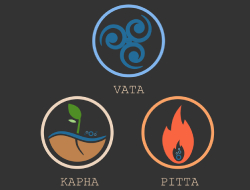
In Ayurvedic practice, sinus symptoms may be considered according to the qualities of Vata, Pitta and Kapha. More than one dosha may be involved.
Vata
Triggered By: Cold drafts, dry air, wind exposure
Symptom Pattern: May include dryness, crusting, sensitivity to cold or wind and variable congestion.
Pitta
Triggered By: Dietary or airborne irritants, hot/spicy foods
Symptom Pattern: May include sensations of heat, burning or irritation and more inflammatory-type symptoms.
Kapha
Triggered By: Dampness, rich/heavy/cold foods, dairy
Symptom Pattern: May include heavier congestion, thicker mucus and a feeling of heaviness or sluggishness.
What May an Ayurvedic Approach to Sinus Health Include?
Ayurvedic care to support sinus and respiratory health takes an individualised approach and may consider your dosha pattern, digestion, diet, daily routine, seasonal influences and other lifestyle factors. The focus is on supporting the immune system and improving digestion and elimination.
Depending on your individual needs, your Ayurvedic care may include:
- Personalised dietary and lifestyle guidance
- Customised Ayurvedic herbal preparations
- Jala Neti nasal cleansing
- Nasya, where appropriate
- Yoga and breathing practices
- Guidance according to your individual Vata, Pitta and Kapha pattern
The approach varies from person to person and is adapted according to your symptoms, constitution and overall health.
Book a 10-minute free consultation with us, and we can provide further guidance and create a tailor-made alternative support for sinusitis.
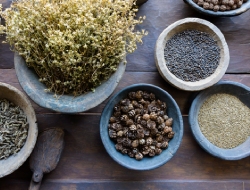
Ayurvedic Herbs Traditionally Used for Respiratory Wellbeing
Ayurveda uses a wide range of herbs and classical formulations according to the individual’s constitution and dosha pattern for respiratory health. Some examples are given below. The choice of herbs, combinations and dosage depends on the person’s constitution, dosha pattern and other individual factors. Ayurvedic herbs should not be self-prescribed, particularly if you are taking medications or have other health conditions.
Tulsi (Ocimum sanctum) — Holy Basil
Traditionally used in Ayurveda in preparations associated with respiratory wellbeing and Kapha balance.
Pippali (Piper longum) — Long Pepper
A warming Ayurvedic herb traditionally associated with Agni, Kapha balance and respiratory health. A key ingredient in many classical formulations.
Trikatu — Three-Pepper Formula
Classical Ayurvedic combination of black pepper, long pepper and ginger. Powerful mucolytic and digestive aid. Especially useful for Kapha-dominant congestion with thick mucus.
Sitopaladi Churna
A classical Ayurvedic formulation traditionally used in relation to respiratory wellbeing. Combines bamboo silica, cardamom, cinnamon, pippali and sugar. Mixed with honey or warm water.
Sunthi / Ginger (Zingiber officinale)
A warming herb traditionally used in Ayurveda to support digestion and balance Kapha and Vata. Used in warm teas and as fresh juice with honey.
Haridra (Curcuma longa) — Turmeric
Widely used in traditional Ayurveda and incorporated into dietary and herbal preparations according to the individual’s needs. Often combined with honey and warm milk.
Traditional Ayurvedic Self-Care for Sinus Health
If you’re struggling with sinusitis symptoms, the following practices may be incorporated into your self-care routine, depending on your individual symptoms and dosha pattern. Your journey to reducing congestion discomfort can commence right at home:
Take Warm Herbal Tea
Warm herbal teas can be a soothing addition to your daily routine, especially in colder weather or when you’re experiencing nasal congestion. Ginger tea is traditionally used in Ayurveda for its warming qualities and is commonly associated with supporting Agni and balancing Kapha and Vata.
Steam Therapy
Gentle steam inhalation may help moisturise the nasal passages and provide temporary comfort when you are feeling congested. Avoid excessively hot steam, which can cause burns or irritation.
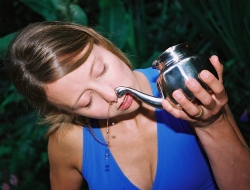
Neti Kriya
Rooted in Ayurvedic healing techniques, Neti Kriya gently cleanses the nasal passages using a Neti Pot. It may help rinse away excess mucus, pollen, dust and other particles and can be incorporated into a nasal-care routine where appropriate.
Incorporating Spices in Your Diet
Ayurveda traditionally uses warming spices such as ginger, turmeric and black pepper as part of a balanced diet. The choice of spices can be adapted according to your individual constitution, digestion and dosha pattern.
Ayurvedic Diet and Sinus Health
From an Ayurvedic perspective, diet is personalised according to constitution, digestion, symptoms and the doshas involved.
For a Kapha-dominant pattern, Ayurveda traditionally favours lighter, warm, freshly prepared foods and warming spices, while reducing foods considered particularly heavy, cold or difficult to digest.
Foods such as dairy, sweets, fried foods, wheat or bananas may be reduced in some Ayurvedic dietary plans, but they are not universal sinus triggers. Individual tolerance and nutritional needs should always be considered.
The goal is to reduce Kapha-aggravating and inflammation-triggering foods (Pitta-aggravating) while strengthening digestion (Agni).
Foods to Include
- Warm, freshly cooked meals
- Anti-inflammatory spices — turmeric, ginger, black pepper, cumin, cardamom, cinnamon
- Light grains — basmati rice, quinoa, barley, millet
- Honey (raw, unheated) — with warm water in morning
- Tulsi tea, ginger tea, fennel tea
- Cooked leafy greens — spinach, silverbeet, kale
- Mung dal and light soups
- Warm water throughout the day
- Pomegranate, papaya, sweet apples (cooked)
Foods to Reduce (based on Dosha imbalance)
- Dairy products — milk, yoghurt, cheese, ice cream (most mucus-forming)
- Cold foods and drinks (especially iced water and chilled juices)
- Refined sugar and sweets
- Wheat (in chronic cases — often a sinus trigger)
- Bananas (mucus-forming for many people)
- Fried, oily, heavy foods
- Processed foods with additives
- Excess salt and pickled foods
- Alcohol and caffeine (in chronic cases)
Jala Neti — Traditional Daily Nasal Cleansing
Jala Neti (Sanskrit: jala = water, neti = nasal cleansing) is one of the six classical purification techniques (Shatkarma) in yoga performed using a mild saline solution. Nasal saline irrigation is also commonly used as a self-care measure for nasal and sinus symptoms.
Jala Neti may help wash away excess mucus, dust, pollen and other particles from the nasal passages and can be incorporated into an individual nasal-care routine where appropriate.
Correct preparation and hygiene are important. Always use distilled or sterile water, or water that has been boiled and allowed to cool to a safe lukewarm temperature. Clean the Neti pot and allow it to dry after use.
Frequency of use depends on the individual. If nasal irrigation causes significant discomfort, bleeding or worsening symptoms, discontinue use and seek appropriate advice.
How to Practice
- Fill a clean Neti pot with lukewarm sterile (boiled /filtered) water and Ayurvedic rock salt (¼ teaspoon per 200ml)
- Lean forward over a sink, head tilted to one side
- Place spout in upper nostril; breathe through your mouth
- Water flows in through upper nostril, out through lower
- Repeat on the other side
- Always blow nose gently afterwards to clear remaining water
- Practice daily, especially in the morning, for chronic sinusitis
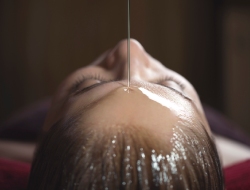
Nasya — Traditional Ayurvedic Nasal Oil Therapy
Nasya (Sanskrit: nasya = of the nose) is the classical Ayurvedic practice involving the application of specifically selected oils or other preparations through the nasal passages. Within Ayurveda, different Nasya preparations may be selected according to the individual’s constitution, symptoms and dosha pattern. Oil-based preparations may also be used traditionally where dryness of the nasal passages is a consideration.
Nasya is not appropriate in every situation. The type of preparation, timing and method of use should be determined according to individual circumstances and practitioner guidance.
How Nasya Helps Sinusitis
- Lubricates dry, irritated nasal membranes (excellent for Vata-type sinusitis)
- Delivers medicinal herbs directly to the sinus mucosa
- May help reduce chronic dryness, crusting and minor bleeding
- Often combined with Jala Neti — first cleanse, then nourish
Important: Nasya should always be prescribed by a qualified Ayurvedic practitioner. The specific oil or decoction used depends on your dosha pattern and current symptoms.
Using Ayurvedic Care Alongside Conventional Healthcare
Ayurvedic care can complement conventional healthcare for people experiencing sinus and nasal symptoms. Each approach has a different framework, and the type of care that may be appropriate depends on your symptoms, their duration and possible underlying causes.
The Ayurvedic Approach
Ayurveda takes an individualised approach, considering your constitution and current balance of Vata, Pitta and Kapha, together with factors such as digestion, diet, lifestyle and seasonal influences.
Depending on your individual needs, Ayurvedic care may include:
- Assessment of your individual dosha pattern
- Personalised dietary and lifestyle guidance
- Traditional Ayurvedic herbs or formulations where appropriate
- Jala Neti as a traditional nasal-cleansing practice
- Nasya where appropriate
- Yoga, breathing practices and other lifestyle recommendations
The aim is to develop an Ayurvedic care plan suited to the individual’s overall pattern rather than using the same approach for everyone.
When Conventional Medical Care Is Important
Sinus symptoms can have many different causes, including viral or bacterial infections, allergies, nasal polyps and structural problems affecting sinus drainage. Medical assessment can help identify these factors and determine whether specific treatment is required.
Depending on the diagnosis and individual circumstances, conventional care may include saline nasal irrigation, medicines for symptom management, treatment of allergies or infection, or specialist assessment for persistent or structural problems.
Seek medical advice if symptoms are severe, worsening, persistent or recurrent, or if you develop symptoms such as significant facial swelling, severe headache, high fever, vision changes or other concerning symptoms.
Combining Ayurvedic and Medical Care
If you are receiving medical treatment, tell your GP and Ayurvedic practitioner about all medicines, herbs and supplements you are using. This helps ensure that your care is appropriately coordinated and allows potential interactions or contraindications to be considered.
Ayurvedic care should not be used as a substitute for necessary medical assessment or treatment.
How Long Does Ayurvedic Care for Sinusitis Take?
Treatment duration depends on whether your sinusitis is acute or chronic, and how long it has been present. There is no standard timeframe because sinus symptoms and their contributing factors vary considerably from person to person.
An Ayurvedic practitioner will consider factors such as how long the symptoms have been present, whether they are occasional or recurring, your individual dosha pattern, diet, lifestyle and overall health.
Your care plan and follow-up schedule can then be adjusted according to your individual response and needs.
How Much Does Ayurvedic Sinusitis Treatment Cost?
Cost depends on whether your sinusitis is acute or chronic, and the products you choose. After your free 10-minute consultation, Raman Das will recommend a personalised plan with a clear cost estimate.
Free 10-Minute Phone/Video Consultation
FREE
Initial Ayurvedic Consultation (60 min)
$139 AUD
Standard Follow-up (30 min)
$81 AUD
Short Follow-up (15 min)
$51 AUD
Yatan Stainless Steel Neti Pot
$39.95 AUD
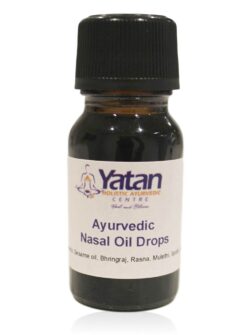
Yatan Neti Pot Kit (pot + salt + nasal drops)
$57.75 AUD
Ayurvedic Rock Salt (for Neti pot)
$13.95 AUD
Premium Lifestyle Kit
$117.50 AUD
Customised herbal formulations
Varies by prescription
Prices current as at August 2026.
Yatan Products for Nasal Cleansing & Ayurvedic Self-Care
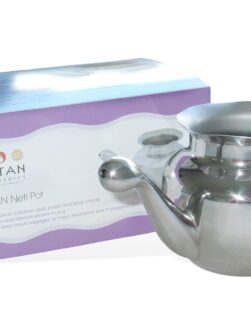
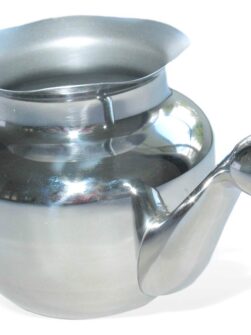
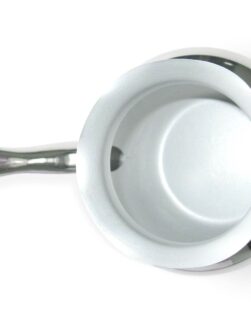
Stainless Steel Neti Pot — $39.95
Designed for the traditional practice of Jala Neti using a correctly prepared saline solution. The Neti pot provides a simple way to rinse the nasal passages as part of a regular nasal-care routine.
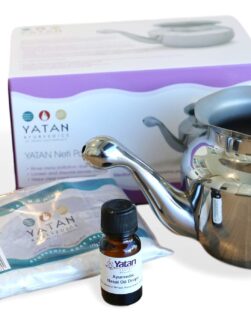
Yatan Neti Pot Kit — $57.75
A convenient kit for incorporating traditional Jala Neti into your daily routine. Includes:
- Stainless Steel Neti Pot
- Ayurvedic Rock Salt for preparing the saline solution
- Nasal Drops for use as directed
Always follow the instructions supplied with the products and use appropriate water-safety and hygiene practices.
Premium Lifestyle Kit — $117.50
Complete daily-routine kit including neti pot, tongue scraper, and other Ayurvedic essentials.
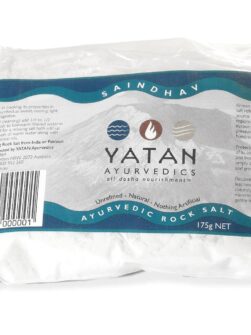
Ayurvedic Rock Salt — $13.95
Natural Himalayan rock salt for preparing a saline solution for Jala Neti. Designed for convenient use with your Neti Pot as part of a traditional nasal-cleansing routine.

Watch our video on using the Yatan Neti Pot

Meet Your Practitioner — Raman Das Mahatyagi
Raman Das is the principal Ayurvedic practitioner at Yatan Holistic Ayurvedic Centre, with 30+ years of professional experience and a private practice in Sydney since 2000. Author of YATAN Yoga and YATAN Yoga Therapy. His Ayurvedic approach considers the individual’s dosha pattern, diet and lifestyle and may incorporate traditional practices such as Jala Neti, Nasya and personalised Ayurvedic herbal formulations.
Frequently Asked Questions
Q: What is sinusitis in Ayurveda?
A: In Ayurveda, sinusitis is known as Pinasa. The chronic form is called Dushta Pratishyaya — ‘vitiated rhinitis’ — and is recognised in classical Ayurvedic texts as one of the most stubborn respiratory conditions. It is understood as a Kapha-dominant imbalance, often with Vata and Pitta involvement, treated through Jala Neti, Nasya, personalised herbs, and dosha-specific diet.
Q: Can Ayurveda help people with chronic or recurring sinus symptoms?
A: Ayurvedic care may be used as a complementary approach for people experiencing recurring sinus or nasal symptoms. Treatment is personalised according to the individual’s constitution, dosha pattern, diet, lifestyle and other relevant factors. Because chronic sinusitis can have different causes, including allergies and structural problems, persistent or recurrent symptoms should also be medically assessed where appropriate.
Q: How do I tell if my blocked nose is a cold, hay fever or sinusitis?
A: A cold usually builds over a day or two, comes with a sore throat and general unwellness, and clears within about a week to ten days. Hay fever starts quickly with exposure to pollen or dust; itches (eyes, nose, throat), runs clear and watery, and lasts as long as the exposure does. Sinusitis feels deeper: facial pressure or pain around the cheeks, forehead, and eyes; thick discharge; reduced smell; and headaches that worsen when you bend forward, either following a cold (acute) or grumbling on for months (chronic). The three also feed each other, since a cold or untreated hay fever can inflame the sinus openings and tip over into sinusitis. If facial pain and thick discharge persist beyond ten days, or symptoms keep returning, it is worth a proper assessment. See your GP to rule out an infection that needs medical treatment, and an Ayurvedic assessment can identify the dosha pattern behind recurring episodes.
Q: How does the Neti pot help with sinusitis?
A: A Neti pot performs Jala Neti — gentle saltwater nasal rinsing. It flushes away allergens, pollutants and excess mucus from the nasal passages, which can help reduces nasal congestion, post nasal drop and encourage nose-breathing. The Yatan Stainless Steel Neti Pot ($39.95) is designed specifically for this practice.
Q: What is Nasya therapy?
A: Nasya is the classical Ayurvedic practice involving the application of specifically selected oils or other preparations through the nasal passages. It lubricates dry membranes (especially helpful for Vata-type sinusitis) and delivers herbs directly to the nasal tissues. Always prescribed by a qualified practitioner — the specific oil depends on your dosha pattern.
Q: Which foods should I avoid if I have sinusitis?
A: Ayurveda generally advises avoiding dairy (milk, yoghurt, cheese, ice cream — most mucus-forming), cold foods and drinks, refined sugar, wheat (in chronic cases), bananas, fried and oily foods, processed foods with additives, and, in chronic cases, alcohol and excess caffeine. These may be reduced in some Ayurvedic dietary plans depending on the individual’s pattern. The goal is to reduce Kapha-aggravating and inflammation-triggering foods (Pitta-aggravating) while strengthening digestion (Agni).
Q: What’s the difference between acute and chronic sinusitis?
A: Acute sinusitis (Ayurvedic: Pratishyaya, ICD-10: J01) lasts up to 4 weeks, usually triggered by viral or bacterial infection following a cold. Chronic sinusitis (Ayurvedic: Dushta Pratishyaya, ICD-10: J32) lasts 12+ weeks or recurs frequently, typically caused by allergies, structural issues or immune problems.
Q: Can I do Jala Neti every day?
A: Yes — for chronic sinusitis sufferers, daily Jala Neti is recommended (typically once in the morning). It is a safe, gentle practice when done correctly with sterile lukewarm water and proper Ayurvedic rock salt. People without sinusitis often do it 2-3 times per week as a preventive practice.
Q: Do you offer telehealth consultations for sinusitis?
A: Yes. Yatan Ayurveda offers telehealth consultations Australia-wide and internationally for sinusitis. Customised herbal preparations and Neti pot products are posted directly to you. The video consultation works well for sinus conditions as the practitioner can observe symptoms through camera and ask about dosha indicators.
Book your free 10-minute consultation
If you suffer from sinusitis (sinus infection symptoms), then call us now and find out how our Ayurvedic treatment can help you. Early treatment of allergic sinusitis may prevent secondary bacterial sinus infections.
 Suite 28, 924 Pacific Highway, Gordon NSW 2072
  Available Australia-wide & internationally
  Mon–Fri: 9:00am–5:30pm
 More Sinusitis Resources
For more sinusitis information, please visit our other blog posts:
Reviewed and updated by Raman Das Mahatyagi, Principal Ayurvedic Practitioner (ATMS Fellow, 2026-27) | Last updated: 8 August 2026