










Ayurvedic Support for Menopause & Perimenopause in Sydney
Personalised Ayurvedic care to support health and wellbeing through the natural transition of perimenopause and menopause.
Trusted by 250+ women in Australia

4.6/5 (Google Reviews)

Holistic & Natural Approach

Personalised Ayurvedic Care

Supporting Long-Term Wellbeing

Experienced Ayurvedic Care in Sydney
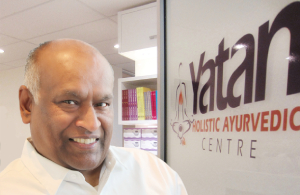
Personalised Ayurvedic care from Raman Das Mahatyagi — ATMS Fellow with more than 30 years of professional experience. Consultations are available at our Gordon clinic in Sydney and by telehealth Australia-wide.
Quick Answer
Menopause is a natural stage of life, reached after 12 consecutive months without a menstrual period. Perimenopause is the transition leading up to menopause, during which changing hormone levels can cause symptoms such as hot flushes, sleep disturbance, mood changes, irregular periods and vaginal dryness.
In Ayurveda, menopause is known as Rajonivritti and is traditionally understood in relation to the doshas, particularly the transition towards the Vata stage of life. Ayurvedic care may include personalised dietary and lifestyle guidance, traditional herbal preparations, yoga and other supportive practices according to the individual woman’s constitution and needs.
Ayurvedic support is available at our Gordon clinic in Sydney and by telehealth Australia-wide.
Free 10-minute consultation
 1300 552 260
 WhatsApp
  Book online
What is Menopause?
Menopause is a natural stage of life when menstrual periods permanently stop as ovarian hormone production changes. Menopause is reached after 12 consecutive months without a menstrual period, where there is no other medical explanation.
The transition period, typically from age 45–55, is a time of hormonal change known as perimenopause. During this time, hormone levels, including oestrogen and progesterone, fluctuate, and menstrual cycles may become irregular.
Lifestyle measures such as nutritious food, regular physical activity, adequate sleep, and stress management can support general health during this stage of life. Medical treatments, including menopausal hormone therapy (MHT/HRT), may also be appropriate for some women and can be discussed with a GP or other suitably qualified healthcare professional.
Ayurveda offers a different traditional framework for understanding this life transition and may be used as a complementary approach.
What are the Signs of Menopause?
Symptoms vary widely between women and across the three phases of the transition. Some women experience few symptoms, while others can be significantly affected in everyday life.
One symptom that often surprises women — particularly in perimenopause — is heavier, not lighter, periods. Flooding (very heavy bleeding that soaks through protection within an hour or less) is a recognised perimenopause symptom driven by fluctuating oestrogen levels and can lead to iron-deficiency anaemia. If you experience heavy periods alongside fatigue, breathlessness, dizziness, or pallor, low iron should always be investigated alongside your hormonal picture.
Common Perimenopause Symptoms
(typically 40–45)
- Irregular, heavy/flooding or lighter periods
- Iron-deficiency anaemia
- Hot flushes and night sweats (vasomotor symptoms)
- Mood swings, irritability, anxiety
- Sleep disturbance, insomnia
- Brain fog, memory lapses
- Breast tenderness
- Fatigue and low energy
Common Menopause Symptoms
(typically 45–55)
- Cessation of menstruation (12+ consecutive months)
- Hot flushes and night sweats (often peak in this phase)
- Vaginal dryness and discomfort during intimacy
- Loss of libido
- Joint pain and stiffness
- Weight gain (especially abdominal)
- Skin dryness, thinning hair
- Heart palpitations
- Urinary urgency, recurring UTIs
Postmenopause Symptoms
(after 55)
- Continued vaginal dryness and urinary symptoms
- Bone density loss (osteoporosis risk)
- Cardiovascular changes
- Changes in cholesterol and metabolism
Looking for Support Through Menopause?
Find out how personalised Ayurvedic care may support your health and wellbeing through perimenopause and menopause.
Call Now for Free 10 Minute Consultation
What About Menopausal Hormone Therapy (MHT/HRT)?
Menopausal hormone therapy (MHT), also commonly known as hormone replacement therapy (HRT), is a conventional medical treatment used to help manage some symptoms of menopause. It generally involves the use of oestrogen, with a progestogen also required for many women who have a uterus.
MHT can be effective for symptoms such as hot flushes and night sweats and may provide other benefits for some women. However, whether it is appropriate depends on factors including your symptoms, age, medical history and individual risk factors. Discuss the potential benefits and risks with your GP or another suitably qualified healthcare professional.
How Does the Ayurvedic Approach Differ?
Ayurveda approaches menopause from a different perspective. Rather than viewing menopause itself as a disease or focusing specifically on replacing declining hormones, Ayurveda regards Rajonivritti as a natural life transition and considers the woman’s overall pattern of health and wellbeing.
An Ayurvedic assessment may consider:
- Dosha balance — particularly the increasing influence of Vata during this stage of life
- Agni — the traditional Ayurvedic concept of digestive and metabolic capacity
- Ama — a traditional concept describing material considered to arise when digestion and metabolic processes are incomplete or impaired
- Diet and nutrition — considered according to constitution, digestion and current needs
- Sleep, stress and daily routine — important aspects of maintaining balance in the Ayurvedic approach
- Rasayana — traditional rejuvenative practices used in Ayurveda to support health and wellbeing through different stages of life
Depending on the individual, Ayurvedic care may include personalised dietary and lifestyle guidance, traditional herbal preparations, yoga and breathing practices, and other Ayurvedic therapies.
Can Ayurveda Be Used Alongside HRT?
Yes, Ayurvedic care may be used as a complementary approach by women who are also receiving conventional medical care, including MHT/HRT. Tell your Ayurvedic practitioner about any medicines or hormone therapies you are taking so they can be considered when developing your Ayurvedic plan.
If you are currently using MHT/HRT, do not stop or change your prescribed treatment without first discussing this with your medical practitioner. Similarly, if you are considering MHT/HRT, your GP can help you assess its potential benefits and risks based on your individual circumstances.
The aim of Ayurvedic care at Yatan is not to replace appropriate medical care, but to provide an individualised traditional approach to supporting health and wellbeing through perimenopause and menopause.
The Ayurvedic Perspective on Menopause (Rajonivritti)
In Ayurveda, menopause is known as Rajonivritti, meaning the cessation of menstruation. It is regarded as a natural life transition rather than a disease.
The Three Life Stages in Ayurveda
- Childhood — Kapha-dominant (growth and development)
- Adulthood — Pitta-dominant (activity, transformation and productivity)
- Mid-life onwards — Vata-dominant (movement, change, drying and gradual aging)
Vata and the Menopausal Transition
Within Ayurveda, Apana Vayu is the aspect of Vata traditionally associated with downward movement and reproductive functions, including menstruation. As menstruation naturally comes to an end, an Ayurvedic assessment may consider changes in Vata alongside the woman’s constitution, lifestyle, digestion, sleep and emotional wellbeing.
Agni and Ama
Ama is the residue of incomplete digestion. When Agni (digestive fire) is weak in the years leading up to menopause, ama accumulates in the body’s channels (srotas)
From an Ayurvedic perspective, the transition through menopause occurs as Vata becomes increasingly influential. Ayurvedic practitioners use this framework when considering individual patterns such as dryness, changes in sleep, emotional variability, and other changes experienced during this stage of life.
Ayurvedic practitioners also consider a woman’s individual constitution (Prakriti) and current doshic state (Vikriti), as menopause does not present the same way for every woman.
Menopause and the Colder Months — An Ayurvedic Perspective
Some women find that concerns such as dry skin, joint discomfort, sleep disturbance or changes in mood feel more noticeable during colder weather.
In Ayurveda, cold, dry and windy qualities are associated with Vata. Traditional Vata-balancing practices during the colder months may include maintaining a regular daily routine, favouring warm cooked meals, keeping the body warm and practising gentle warm-oil self-massage (Abhyanga) where appropriate.
These practices can form part of a broader personalised Ayurvedic wellbeing plan during perimenopause and menopause.
Menopause and the Doshas
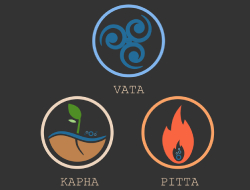
Ayurveda recognises that women can experience menopause differently. An Ayurvedic practitioner may consider whether Vata, Pitta or Kapha qualities are particularly prominent when developing an individualised wellbeing plan.
Vata Pattern
Traditionally associated with qualities such as dryness, irregularity and increased sensitivity. A Vata-dominant presentation may include concerns such as dry skin, vaginal dryness, variable sleep, restlessness, anxiety or irregular menstrual cycles during perimenopause.
Pitta Pattern
Traditionally associated with heat and intensity. A Pitta-dominant presentation may include feeling particularly hot, increased sweating, irritability or heavier menstrual flow during perimenopause, skin rashes, and acid reflux symptoms
Kapha Pattern
Traditionally associated with heaviness, stability and fluidity. A Kapha-dominant presentation may include feelings of heaviness, weight gain, sluggish metabolism, fluid retention
How Can Ayurvedic Care Support You During Menopause?
Ayurvedic care takes an individualised approach to health and wellbeing during perimenopause and menopause. Rather than using the same program for every woman, an Ayurvedic assessment considers factors such as constitution, current dosha pattern, digestion, diet, sleep, stress, daily routine and stage of the menopausal transition.
Depending on your individual needs, your Ayurvedic care may include dietary and lifestyle guidance, personalised herbal preparations, yoga and breathing practices, and traditional Ayurvedic therapies.
The aim is to support overall health, comfort and wellbeing while helping you establish sustainable routines for this important stage of life. Ayurvedic care can also be used alongside conventional medical care where appropriate.
The 5 Pillars of Yatan Menopause Care
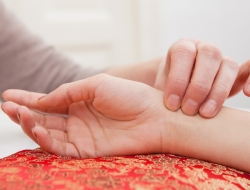
Every patient receives a personalised plan after a full Ayurvedic assessment (pulse, tongue, eye, breath, skin, palm, aura). Treatment usually includes the following five pillars:
1 Personalised Ayurvedic Herbal Preparations
Custom blends prepared in-clinic by Raman Das, drawing on classical formulations for Rajonivritti and adapted to your specific dosha pattern.
2 Ayurvedic Diet for Menopause
Dietary guidance may be personalised according to your digestion, constitution, current dosha pattern, lifestyle and stage of menopause, with an emphasis on supporting general health and nutritional wellbeing.
3 Lifestyle & Daily Routine (Dinacharya)
A consistent daily rhythm — wake time, meal timing, oil self-massage, evening wind-down — is one of the most powerful tools to calm aggravated Vata.
4 Yoga & Pranayama for Menopause Wellbeing
Restorative asanas, gentle inversions, and breathing techniques like Nadi Shodhana (alternate-nostril breathing) and Sheetali (cooling breath) reduce hot flushes, anxiety, and insomnia.
5 Panchakarma & Rejuvenation
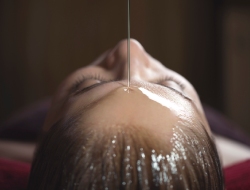
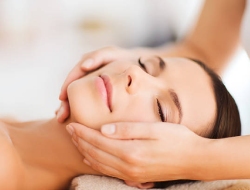
Where appropriate, traditional therapies such as Panchakarma, Ayurvedic massage or Shirodhara may form part of an individualised Ayurvedic program. In Ayurveda, these practices are traditionally used as part of cleansing, rejuvenation and wellbeing routines.
Free 10-minute consultation
With World Menopause Day coming up on 18 October 2026, spring is a timely moment to take stock of your symptoms and put a personalised plan in place.
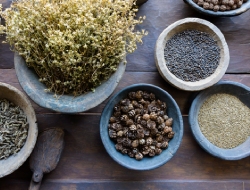
Ayurvedic Herbs Traditionally Used in Women’s Health
Ayurveda has a long tradition of using herbs as part of individualised care for women at different stages of life. Some examples are given below. The choice of herbs, combinations and quantities depends on the individual’s constitution, dosha pattern and broader health circumstances. Ayurvedic herbs should not be self-prescribed, particularly if you are taking medications or have other health conditions.
Shatavari (Asparagus racemosus) — The Female Tonic
Shatavari is one of the best-known herbs traditionally used in Ayurveda for women’s health. It is regarded as a nourishing and rejuvenating (Rasayana) herb and is traditionally associated with supporting the female reproductive system.
Ashwagandha (Withania somnifera) — Adaptogen for Stress
Ashwagandha is traditionally classified as a strengthening and rejuvenating Ayurvedic herb. It may be considered where Vata qualities, stress or depletion are prominent in the individual’s Ayurvedic assessment.
Brahmi (Bacopa monnieri) — For the Mind
Brahmi has a long history of traditional Ayurvedic use in formulations associated with the mind, nervous system and emotional wellbeing.
Ashoka (Saraca indica) — Reproductive Support
Ashoka is traditionally used in Ayurveda in relation to women’s reproductive and menstrual health and may be considered in individualised formulations during the perimenopausal years.
Yashtimadhu (Glycyrrhiza glabra)
Yashtimadhu, or licorice root, is traditionally regarded in Ayurveda as nourishing and soothing and may be incorporated into personalised formulations where appropriate.
Menopause Diet: An Ayurvedic Approach
There is no single diet that is right for every woman during menopause. In Ayurveda, dietary recommendations are personalised according to your constitution (Prakriti), current dosha balance (Vikriti), digestion (Agni), menopausal symptoms, lifestyle and any existing health conditions.
As a general principle, a varied, nutrient-rich diet can support overall health and wellbeing through perimenopause and menopause. Depending on your individual needs, the following foods may be considered.
Foods to Include
- Whole grains — oats, brown rice, quinoa and barley provide fibre and important nutrients.
- Healthy fats — nuts, seeds and appropriate amounts of oils or ghee can form part of a balanced diet. In Ayurveda, nourishing fats are traditionally used as part of a Vata-balancing diet.
- Plant foods containing phytoestrogens — flaxseed, sesame seeds, chickpeas and lentils contain naturally occurring plant compounds known as phytoestrogens.
- Calcium-rich foods — dairy products, where suitable, as well as tahini, sesame seeds and calcium-rich leafy vegetables can contribute to calcium intake, which is particularly important for bone health after menopause.
- Iron-containing foods — lentils, chickpeas, pumpkin seeds, leafy green vegetables and other iron-containing foods can help maintain adequate dietary iron intake.
- Vitamin C-rich foods — capsicum, citrus fruits, tomatoes and amla (Indian gooseberry) can be included with plant-based sources of iron, as vitamin C helps the body absorb non-haem iron.
- Plenty of vegetables and fruit — aim for a varied selection to provide fibre, vitamins, minerals and other beneficial plant compounds.
- Herbs and spices — Ayurveda commonly incorporates spices such as turmeric, ginger, cumin, coriander, fennel, cinnamon and cardamom according to the individual’s digestion and dosha pattern.
- Adequate fluids — water and suitable herbal teas can help maintain hydration.
Adjusting the Diet According to the Doshas
Ayurvedic dietary advice may also be adapted according to the qualities that are most prominent for the individual.
For Vata-dominant patterns, Ayurveda traditionally favours warm, cooked and nourishing foods, regular meals and adequate healthy fats.
For Pitta-dominant patterns, particularly where sensations of heat are prominent, cooling foods and herbs such as cucumber, coriander, fennel and mint may be preferred, while very hot and spicy foods may be reduced.
For Kapha-dominant patterns, lighter meals, plenty of vegetables and appropriate warming spices may be recommended, while excessively heavy or rich foods may be limited.
Foods and Drinks to Consider Reducing
Rather than universally avoiding particular foods, it can be helpful to notice whether certain foods or drinks make your individual symptoms more noticeable. These may include:
- Caffeine, particularly if you experience sleep disturbance or find that it affects hot flushes
- Alcohol, especially if it appears to worsen flushing, sleep or night-time symptoms
- Highly processed foods and excessive added sugar
- Very spicy or fried foods, particularly where heat or digestive discomfort is prominent
- Large amounts of cold or raw food where these are difficult to digest or, from an Ayurvedic perspective, Vata is prominent
Personalising Your Menopause Diet
Your nutritional needs can change during perimenopause and menopause, and an Ayurvedic diet should not simply be based on a list of “good” and “bad” foods. At Yatan, dietary recommendations are personalised after considering your constitution, digestion, current symptoms, lifestyle and overall health.
The Yatan 24-Week Menopause Program
Our 24-week program is designed for women who would like a structured, personalised approach to supporting their health and wellbeing through perimenopause or menopause.
Developed around the YATAN approach, the program brings together Ayurvedic consultations, personalised herbal preparations, dietary and lifestyle guidance, yoga therapy and ongoing practitioner support.
What’s Included
- Initial 60-minute Ayurvedic consultation
- Fortnightly follow-up consultations
- Customised herbal preparations (posted to you)
- Personalised dietary plan
- Yoga therapy program tailored to your symptoms
- Optional Shirodhara and Panchakarma therapies
- Ongoing email/WhatsApp support throughout the 24 weeks
Meet Your Practitioner — Raman Das Mahatyagi
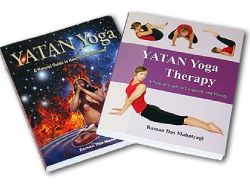
Raman Das Mahatyagi is the Principal Ayurvedic Practitioner at Yatan Holistic Ayurvedic Centre and an ATMS Fellow (2026–27), with more than 30 years of professional experience and a private practice in Sydney since 2000. He is the author of YATAN Yoga and YATAN Yoga Therapy and provides personalised Ayurvedic care to women seeking support for their health and wellbeing through perimenopause, menopause and later life.
What Our Clients Say
“15 years ago, I consulted him for a skin rash issue. Around 10 years ago, I also visited Dr Ramandass for symptoms related to menopause. I followed the suggested care and felt supported through the process. Dr Ramandass is perceived to focus on understanding the underlying concerns of patients.” – S.S

How Much Does Treatment Cost?
Free 10-Minute Phone/Video Consultation
FREE
Initial Ayurvedic Consultation (60 min)
$139 AUD
Standard Follow-up (30 min)
$81 AUD
Short Follow-up (15 min)
$51 AUD
Customised herbal formulations
Varies by prescription
24-Week Menopause Program
Contact for current pricing
Yatan Products for Self-Care & Wellbeing
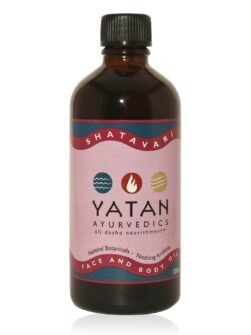
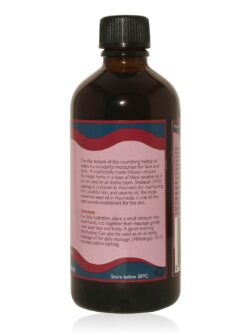
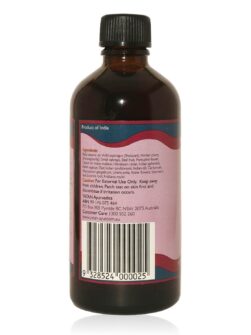
Shatavari Face & Body Oil
A nourishing Ayurvedic face and body oil made with Shatavari, a herb traditionally associated in Ayurveda with women’s wellbeing and rejuvenation. Its smooth texture makes it suitable for regular massage and moisturising as part of an Ayurvedic self-care routine.
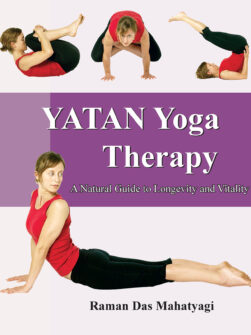
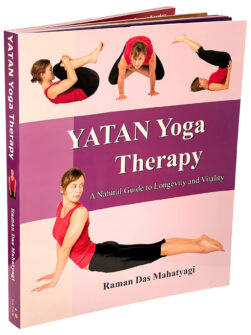
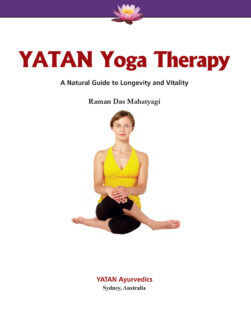
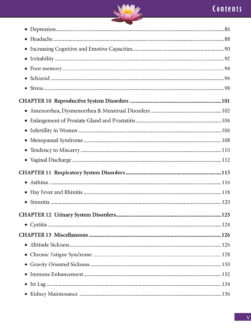
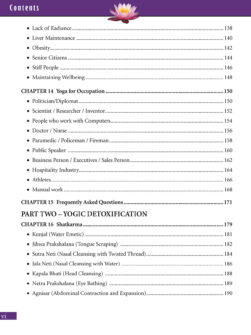
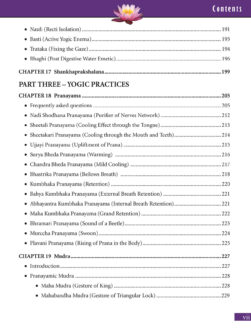
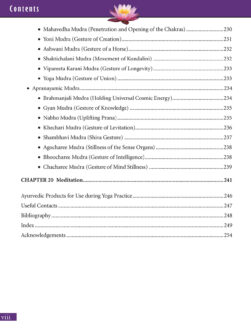
YATAN Yoga Therapy Book
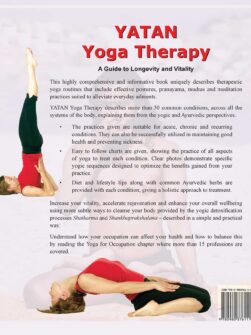
YATAN Yoga Therapy explores an individualised approach to yoga based on a person’s constitution, symptoms and imbalances. It includes yoga postures, breathing practices and other techniques that can be incorporated into a broader wellbeing routine.
Frequently Asked Questions
Q: At what age does menopause usually start in Australia?
A: The average age of menopause in Australia is 51, with most women experiencing it between 45 and 55. Perimenopause symptoms typically begin in the early-to-mid 40s and can last 4–10 years before menopause is reached.
Q: Can Ayurvedic care be used instead of HRT?
A: Ayurvedic care and menopausal hormone therapy (MHT/HRT) are different approaches. Whether HRT is appropriate is an individual medical decision to discuss with your GP or other suitably qualified healthcare professional. Ayurvedic care may be used as a complementary approach to support general health and wellbeing during menopause, including by women who are using HRT. Always tell your Ayurvedic practitioner about medicines and hormone therapies you are taking, and do not stop or change prescribed treatment without discussing it with your medical practitioner.
Q: Can Ayurveda support women experiencing heavy periods during perimenopause?
A: Changes in menstrual flow can occur during perimenopause, but unusually heavy, prolonged or unexpected bleeding should be medically assessed because there can be causes other than menopause. Heavy or flooding periods are a recognised perimenopause symptom driven by fluctuating oestrogen, and in Ayurveda they usually point to a Pitta pattern. Treatment focuses on cooling and regulating herbs such as Ashoka and Shatavari, an iron-supporting diet with vitamin C to improve absorption, and rest during the heaviest days. Because flooding can cause iron-deficiency anaemia, we also recommend having your iron levels checked with your GP. Any sudden or severe change in bleeding should always be reviewed by a doctor first.
Q: How long should I follow an Ayurvedic menopause program?
A: There is no single timeframe that applies to everyone. Menopause experiences vary considerably, and Ayurvedic care is personalised according to the individual’s constitution, symptoms, lifestyle and broader health circumstances. Your practitioner can review your progress during follow-up consultations and adjust your Ayurvedic plan where appropriate.
Q: Is Ayurvedic care suitable during perimenopause?
A: Ayurvedic dietary, lifestyle, customised herbal preparations and self-care practices can be adapted to the individual. Your practitioner should know about any medical conditions, medicines, supplements, or hormone therapies you are using so they can be considered when developing your Ayurvedic plan.
Q: Do you offer telehealth consultations for menopause?
A: Yes. Our Telehealth Consultations are available Australia-wide and internationally, with herbs posted directly to you.
Q: How much does treatment cost?
A: Initial consultation is $139 AUD (60 min). Standard follow-up is $81 (30 min). Customised herbal preparations are an additional cost based on your prescription. The 24-week Menopause Program is priced separately — contact us for current pricing. Prices current as at August 2026.
Q: What’s the difference between menopause and perimenopause?
A: Perimenopause is the transition leading up to menopause (irregular cycles, hot flushes, mood changes), often lasting 4–10 years. Menopause is officially diagnosed after 12 consecutive months without a period. Postmenopause is everything after.
Q: Which Ayurvedic herbs are traditionally used for women’s health?
A: Herbs such as Shatavari, Ashwagandha, Brahmi and Ashoka have a long history of traditional Ayurvedic use in women’s health and wellbeing. There is no single “best” herb for menopause, as Ayurvedic formulations are prepared according to the individual’s constitution, dosha pattern and broader health circumstances.
Q: What is Rajonivritti in Ayurveda?
A: Rajonivritti is the Sanskrit term used in Ayurveda for the cessation of menstruation. Ayurveda regards this as a natural life transition rather than a disease and traditionally considers factors such as Vata, the other doshas, Agni, diet, lifestyle and the woman’s individual constitution when providing supportive care during this stage of life.
Book your free 10-minute consultation
Discover how personalised Ayurvedic care may support your health and wellbeing through perimenopause and menopause.
Speak with Raman Das Mahatyagi about your individual needs and whether the Yatan approach may be suitable for you.
 Suite 28, 924 Pacific Highway, Gordon NSW 2072
  Available Australia-wide & internationally
 Reviewed and updated by Raman Das Mahatyagi, Principal Ayurvedic Practitioner (ATMS Fellow, 2026-27) | Last updated: 5 August 2026