

















Ayurvedic Support for Asthma & Respiratory Health in Sydney
Trusted by 250+ patients in Australia

4.6/5 (Google Reviews)

Holistic Health Approach

Personalised Ayurvedic Care

30+ Years Professional Experience

In-Clinic Sydney & Telehealth Consultations
For people living with asthma and ongoing respiratory concerns, Yatan offers personalised Ayurvedic consultations with Raman Das Mahatyagi, principal Ayurvedic practitioner with 30+ years’ clinical experience. The consultation takes a whole-person approach, considering factors such as digestion, diet, lifestyle and general wellbeing alongside respiratory health. Available in-clinic at Gordon NSW or via telehealth Australia-wide.
Quick Answer
Asthma is a chronic lung condition in which the airways become inflamed and narrow, sometimes with increased mucus, leading to wheezing, breathlessness, chest tightness and coughing.
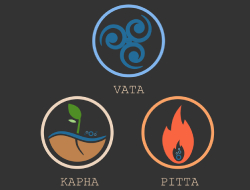
In Ayurveda it is known as Tamaka Shvasa and is understood as a respiratory imbalance that begins in the digestive system — low Pitta + excess Kapha aggravating Vata in the Pranavaha srotas (respiratory channels). Ayurvedic supportive treatment targets gut, liver and lungs simultaneously using personalised herbs, pranayama breath therapy, diet and lifestyle modifications.
Free 10-minute consultation
 1300 552 260
 WhatsApp
  Book online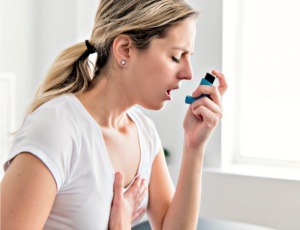
What Is Asthma?
Asthma is a chronic respiratory condition involving inflammation and narrowing of the airways. Symptoms can vary considerably between individuals and may include wheezing, shortness of breath, chest tightness and coughing.
During an asthma flare or attack, the muscles around the airways can tighten while inflammation and mucus may further restrict airflow.
Asthma requires appropriate medical diagnosis and management. Some people also choose complementary approaches, such as Ayurveda, to support their general respiratory health, diet, lifestyle and wellbeing alongside conventional medical care.
What Factors Can Contribute to Asthma Symptoms?
Asthma triggers vary considerably from person to person. Common triggers may include:
- Pollen, including grass, tree and weed pollen
- Dust mites and household dust
- Animal fur and dander
- Tobacco smoke
- Hot, cold or humid air
- Exercise
- Workplace irritants such as chemicals, flour or wood dust
- Respiratory infections
- Strong odours, perfumes and cleaning products
- Stress and emotional factors
Understanding your individual triggers is an important part of conventional asthma management. From an Ayurvedic perspective, a consultation may also explore diet, digestion, daily routine, environmental factors and individual constitution as part of a broader assessment of health and wellbeing.
Late Winter to Spring: The Highest-Risk Stretch for Asthma in Sydney
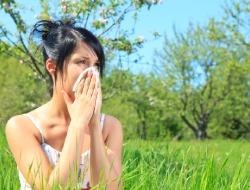
If your asthma has been harder to manage lately, the calendar is against you twice over. Right now, cold air and the tail end of winter colds and flu are still classic triggers. And from late August, Sydney’s grass and tree pollen season begins, the most dangerous period of the year for allergic asthma. Spring also brings thunderstorm asthma: on hot, windy days with high grass pollen, storm downdrafts can rupture pollen grains into fragments small enough to bypass the nose and reach deep into the airways, triggering sudden severe attacks, sometimes in people who have only ever had hay fever. What helps right now: keep taking your preventer exactly as prescribed and see your GP for a review before spring if it has been a while, make sure your reliever is in date and with you, start daily Neti practice now to keep the nasal passages clearing allergens before pollen counts climb, reduce Kapha-forming foods as the season turns, and on high-pollen storm days stay indoors with windows closed before and during the storm. If you have both hay fever and asthma, or hay fever with wheeze, take the pollen season seriously and speak with your GP about an asthma action plan.
What Are the Signs and Symptoms of Asthma?
Common symptoms include:
Primary Symptoms
- Wheezing — a whistling sound while breathing
- Shortness of breath
- Chest tightness
- Persistent coughing — often worse at night, early morning or after exercise
- Increased mucus production in some people
Severe Asthma Warning Signs
- Rapid worsening of breathlessness
- Inability to speak in full sentences
- Lips or fingertips turning blue (cyanosis)
- No improvement after reliever inhaler use
- Confusion or drowsiness
When to Seek Emergency Medical Care
Asthma can be life-threatening. Seek urgent medical assistance and call Triple Zero (000) if severe breathing difficulties develop, particularly where symptoms do not respond to the person’s prescribed reliever medication or asthma action plan.
Ayurvedic consultations are not intended for the treatment of an acute asthma attack or medical emergency.

What Are the Health Effects of Chronic & Acute Asthma?
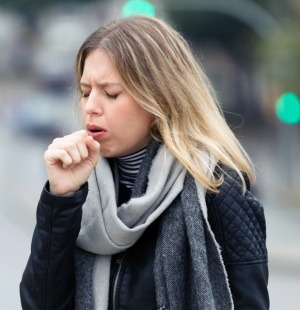
Asthma can be a lifelong condition affecting the respiratory system. In some sufferers, the effects come and go, while in others the asthma attacks are recurrent and severe, leading to chronic asthma. While difficulty with breathing is the common factor, the illness can affect many other systems. Sufferers become highly intolerant to a range of environmental and dietary triggers. The digestive system is frequently compromised, and bloating is a likely symptom, as is a tendency to long-term sinus problems. Tiredness, lack of motivation and negativity are all common.
How Does Ayurveda Understand Asthma and Respiratory Health?
In Ayurveda, asthma is known as Tamaka Shvasa — one of five classical types of Shvasa Roga (breathing disorders). It is understood as a disturbance in the Pranavaha srotas (the respiratory channels).
Ayurveda considers respiratory health within the context of the whole person rather than looking at the lungs in isolation. Traditional assessment considers the balance of Vata, Pitta, and Kapha, along with digestion (Agni), diet, daily routine, sleep, stress, and environmental influences. Ayurveda sees asthma as beginning not in the lungs, but in the digestive system. Pitta is low, and excess Kapha aggravates Vata. The Vata and Kapha doshas need pacification.
Major contributors include a lack of routine in daily life and poor eating habits. Typically, the diet can contain too many cold foods and drinks, excess carbohydrates, and foods that are heavy and sticky.
The Yatan Approach to Respiratory Wellbeing and Asthma
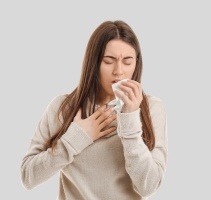
At Yatan, we pay particular attention to the relationship between digestion, liver function, and respiratory wellbeing. The relevance of these factors varies between individuals, which is why the Ayurvedic approach is personalised rather than based on a single standard program.
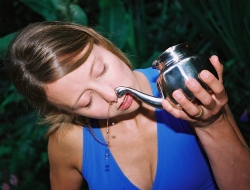
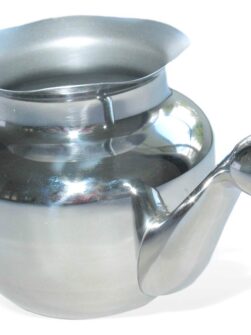
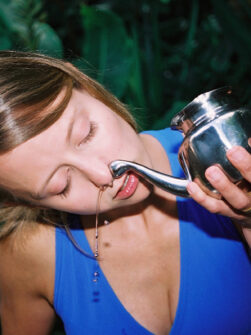
Dietary advice focuses as much on what to avoid as on what to consume. Lifestyle routines are introduced to balance circadian rhythms. Breathing exercises (Pranayama) and gentle yoga help to relax and widen the airways. The neti pot is used to clear the nasal passages of mucus, and flush away allergens.
The objective is to support general respiratory health and overall well-being while considering broader factors that may be relevant to the individual. Together, these approaches work holistically, bringing meaningful and lasting improvements to your overall well-being.
Ayurvedic care can be used alongside conventional asthma management. Do not stop or alter prescribed asthma medication without discussing this with your doctor.
Looking for complementary support for asthma? Explore personalised Ayurvedic care for respiratory health with Raman Das Mahatyagi.
Call Now for Free 10 Minute Consultation
Herbs Traditionally Used in Ayurveda for Respiratory Health
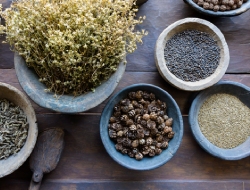
Ayurveda has a long tradition of using herbs as part of an individualised approach to health and wellbeing. The herbs below are examples of plants traditionally discussed in Ayurveda in relation to respiratory health and are provided here for general educational information.
Herbal preparations are not prescribed solely on the basis of a condition such as asthma. Where appropriate, an Ayurvedic practitioner considers the person’s constitution, current dosha balance, digestion, health history, medications and other individual factors before determining whether any herbal preparation is suitable.
At Yatan, any practitioner-dispensed Ayurvedic preparation is individually selected following consultation.
Vasaka (Adhatoda vasica) — The Classical Asthma Herb
Traditionally recognised in Ayurveda for its association with respiratory health and Kapha balance.
Tulsi (Ocimum sanctum) — Holy Basil
Traditionally used in Ayurveda to support general respiratory wellbeing and balance Kapha and Vata.
Pippali (Piper longum) — Long Pepper
Traditionally valued for supporting Agni (digestive capacity) and used in classical Ayurveda in formulations associated with respiratory wellbeing.
Sitopaladi Churna — Classical Formula
A classical Ayurvedic herbal formulation traditionally described in Ayurvedic texts in relation to respiratory and digestive balance. Its suitability depends on the individual’s constitution and health circumstances.
Yashtimadhu (Glycyrrhiza glabra) — Licorice Root
Traditionally used in Ayurveda for its soothing qualities and in formulations concerned with the throat and respiratory system.
Haridra (Curcuma longa) — Turmeric
A widely used Ayurvedic herb and culinary spice, traditionally associated with balancing Kapha and supporting general wellbeing.
Ginger (Zingiber officinale)
Traditionally used to support Agni and digestion and commonly incorporated into Ayurvedic approaches to Kapha balance.
Free 10-minute consultation
Ayurvedic vs Western Approach to Asthma
Ayurvedic Approach
- Traditionally used in Ayurveda for asthma as a systemic imbalance (gut-liver-lung axis)
- Investigates digestion, dosha, diet, lifestyle, stress
- Personalised herbs (eg.Vasaka, Tulsi, Pippali) for your dosha
- Pranayama (breath therapy) retrains breathing patterns
- Diet, Neti pot, yoga form core daily practice
Western Medical Approach
- Primarily treats airway inflammation and bronchospasm
- Focuses on lung function tests (spirometry, peak flow)
- Standard inhalers — short-acting (Ventolin), long-acting, corticosteroid
- Reliever and preventer inhaler regimen
- Manages symptoms; lifelong inhaler use common
- Medication-centred; environmental trigger avoidance
Note: Ayurvedic care can be used alongside conventional treatment. Never stop your prescribed inhalers without your GP’s supervision. Always inform both your GP and your Ayurvedic practitioner of all medications you are taking.
Preventing Asthma Attacks
Asthma can be a challenging condition, but by identifying and avoiding triggers, you can prevent asthma attacks. Pairing these preventative measures with a nutritious, well-balanced meal that focuses on pacifying any dosha imbalance can also help in management. Here are some strategies you can adopt to mitigate the risk of an asthma attack:
Ensure that you’re not exposed to passive smoking. Ask friends or family members not to smoke in your presence or in areas where you frequently spend time. When indoors, using an air purifier can help reduce the amount of allergens and irritants in the air.
While pets bring joy, they can also be a source of asthma triggers. Their fur, dander, or even the dead skin they shed can exacerbate symptoms. If you have pets, ensure they’re regularly groomed and consider keeping them out of certain areas, like your bedroom.
Harsh chemicals present in many household cleaning products, detergents, and soaps can irritate your airways. Opt for natural or hypoallergenic products whenever possible.
If you suffer from seasonal allergies, they can aggravate your asthma symptoms. Be proactive in managing these allergies, whether through natural remedies, or avoiding outdoor activities during high pollen counts.
Processed and packaged foods often contain artificial additives and preservatives that can be triggering. Focus on fresh, whole foods and consider consulting an Ayurvedic practitioner for dietary guidance tailored to your dosha.
If you are looking for supportive Ayurvedic care for asthma in Australia, please call on 1300 552 260.
When to Seek Medical Help
Asthma symptoms can sometimes worsen quickly. Seek urgent medical assistance if you experience severe or rapidly worsening shortness of breath, difficulty speaking, unusual drowsiness or confusion, blue lips, or symptoms that do not respond according to your asthma action plan.
Call Triple Zero (000) for a severe asthma attack or breathing emergency.
Free 10-minute consultation
Ayurveda, Diet & Respiratory Health
Diet is an important part of the traditional Ayurvedic approach.
Rather than recommending the same diet to everyone with asthma, Ayurveda considers the individual’s constitution, digestive capacity, current dosha balance, season and lifestyle.
Dietary advice may focus on
- Freshly prepared meals
- Warm and easily digested foods where appropriate
- A variety of cooked vegetables
- Appropriate wholegrains and legumes
- Suitable culinary herbs and spices
- Regular meal times
- Adequate hydration
- Reducing foods that appear to be personally difficult to digest
Foods to Avoid or Reduce
- Cold foods and drinks (aggravates Kapha and Vata)
- Dairy products — especially milk, yoghurt, cheese (mucus-forming)
- Heavy, sticky, oily foods (deep-fried, fast food)
- Refined sugar and processed foods
- Cold-pressed juices straight from the fridge
- Bananas, citrus and sour fruits in winter or during flares
- Iced water and chilled drinks
Ayurvedic dietary recommendations are individualised. Foods should not be eliminated unnecessarily, particularly where nutritional requirements or other medical conditions need to be considered.
Yoga & Pranayama for Respiratory Wellbeing
Gentle yoga and breathing practices have traditionally formed part of the Ayurvedic and yogic approach to maintaining physical and mental wellbeing.
Depending upon the individual, practices may include gentle asanas, relaxation techniques and suitable pranayama.
Best Pranayama Techniques
- Anulom Vilom (Alternate Nostril Breathing) — alternate nostril breathing
- Bhastrika (Bellows Breath) — Strengthens lungs, clears Kapha congestion. Only practise when stable, never during a flare.
- Ujjayi (Ocean Breath) — Calms the nervous system, slows breathing rhythm
- Bhramari (Bee Breath) — humming/bee breathing
Best Asanas
- Sukhasana (Easy Pose) with deep breathing — comfortable seated posture
- Setu Bandhasana (Bridge Pose) — bridge pose
- Bhujangasana (Cobra Pose) — cobra pose, where appropriate
- Matsyasana (Fish Pose) — Stretches and opens chest and throat
- Pavanamuktasana (Wind-Relieving Pose) — Releases trapped air, aids digestion (gut-lung connection)
Breathing exercises should not be used to manage an asthma attack or replace prescribed asthma medication. Some forceful breathing techniques may not be appropriate for people with respiratory conditions and should only be practised when suitable for the individual.
Working Alongside Your Medical Care
Ayurvedic care should complement appropriate medical asthma management rather than replace it.
If you have asthma, continue to:
- Follow your doctor’s advice
- Use prescribed preventer and reliever medication as directed
- Maintain an up-to-date asthma action plan
- Attend appropriate medical reviews
- Seek urgent medical attention for severe or rapidly worsening symptoms
Always tell your doctor about complementary therapies you are using, and tell your Ayurvedic practitioner about your medications and medical history.
Personalised Ayurvedic Consultations
There is no single Ayurvedic approach suitable for every person experiencing respiratory concerns.
During an initial consultation, Raman Das Mahatyagi considers your health history, constitution, digestion, diet, lifestyle, daily routine and other relevant factors before providing individualised Ayurvedic recommendations.
Free 10-Minute Phone/Video Consultation
FREE
Initial Ayurvedic Consultation (60 min)
$139 AUD
Standard Follow-up (30 min)
$81 AUD
Short Follow-up (15 min)
$51 AUD
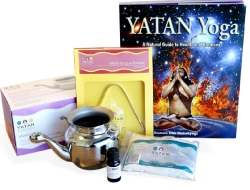
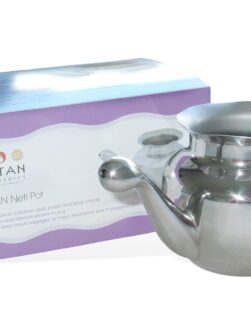
Stainless Steel Neti Pot (essential for asthma support)
$39.95 AUD
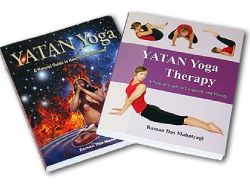
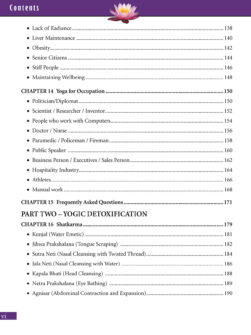
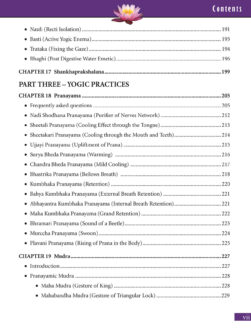
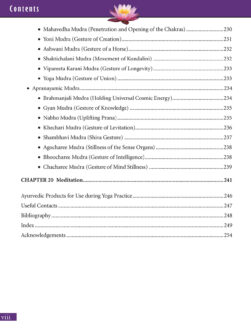
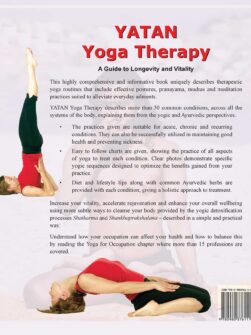
YATAN Yoga Therapy book
$69.95 AUD
Ultimate Lifestyle Kit
$188.30 AUD
Customised herbal formulations
Varies by prescription
Consultations are available in-clinic at Gordon, Sydney NSW, or through telehealth Australia-wide.
Prices current as at August 2026.
Try Our Ayurvedic Products for respiratory health and wellbeing.
Stainless Steel Neti Pot — $39.95
Simplest way to perform salt water nasal rinsing. Alleviates congestion by dissolving mucous and flushing away allergens and pollutants. Encourages nose breathing rather than mouth breathing. Improves sense of smell, taste and vision. Promotes deeper, more relaxed breathing.
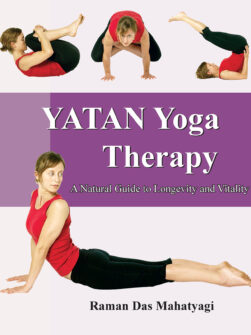
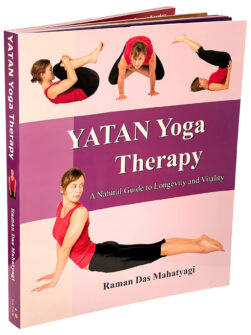
YATAN Yoga Therapy book — $69.95
Gentle yoga to open the chest and lungs, stimulate blood circulation and reduce inflammation. Pranayama to correct breathing patterns, relax and widen the airways.
Ultimate Lifestyle Kit — $188.30
Complete daily-routine kit including neti pot, tongue scraper, and other Ayurvedic essentials.

Meet Your Practitioner — Raman Das Mahatyagi
Raman Das Mahatyagi is the principal Ayurvedic practitioner at Yatan Holistic Ayurvedic Centre and has more than 30 years’ clinical experience.
His approach draws upon traditional Ayurvedic principles and considers the relationship between different aspects of health rather than focusing only on an isolated symptom. Consultations may consider digestion, diet, daily routine, constitution, stress and lifestyle alongside the person’s primary health concerns.
Raman Das has maintained a private practice in Sydney since 2000 and is the author of YATAN Yoga and YATAN Yoga Therapy.
Free 10-minute consultation
Frequently Asked Questions
Q: What are the 5 main symptoms of asthma?
A: The 5 main symptoms of asthma are: (1) wheezing — a high-pitched whistling sound when breathing; (2) shortness of breath, especially during the night or early morning; (3) chest tightness; (4) persistent cough, especially at night or early in the morning; and (5) increased mucus production.
Q: What is asthma in Ayurveda?
A: Classical Ayurveda describes respiratory disorders under Shvasa Roga. Tamaka Shvasa is traditionally associated with a particular pattern of breathing difficulty. Ayurvedic assessment considers respiratory health together with constitution, dosha balance, digestion, diet, lifestyle and other individual factors.
Q: Can Ayurveda cure asthma?
A: Asthma is a chronic medical condition and should be appropriately managed with your doctor. Yatan does not recommend replacing prescribed asthma treatment with Ayurveda. Ayurvedic consultations can provide complementary support focused on areas such as diet, lifestyle, digestion, breathing practices, Ayurvedic herbs and general respiratory wellbeing.
Q: What is thunderstorm asthma?
A: Thunderstorm asthma can occur when particular weather conditions combine with high levels of airborne grass pollen, producing very small allergen particles that can enter the airways. People with asthma or seasonal allergic rhinitis should follow official health advice during high-risk periods and ensure their asthma management plan and prescribed medication are current. A severe asthma attack is a medical emergency. Call Triple Zero (000) if severe symptoms occur.
Q: What causes asthma in adults?
A: Asthma in adults can be triggered by various factors including allergens (pollen, mould, pet dander, dust mites), respiratory infections, cold air, physical exertion, strong odours, smoke, certain medications, stress, and even certain foods and beverages.
Q: Is asthma curable?
A: Asthma is a chronic respiratory condition. Modern medicine focuses on long-term symptom control and ongoing care. Ayurveda offers holistic approaches that may help support respiratory health, provide relief from symptoms, and improve quality of life. These approaches may include dietary modifications, herbal remedies, yoga, and lifestyle changes. Results may vary from person to person. This information is for general awareness only and should not be considered a substitute for medical advice. Please consult a qualified healthcare professional for proper diagnosis and care.
Q: What is the main cause of bronchial asthma?
A: Bronchial asthma is primarily caused by inflammation of the airways which narrows them, leading to difficulty in breathing. Triggers can include allergens, irritants, respiratory infections, exercise, and even emotional stress. In Ayurveda, the root cause is identified as low Pitta + excess Kapha causing aggravation of Vata in the respiratory channels.
Q: What is the best food for asthma in Ayurveda?
A: Ayurveda suggests including anti-inflammatory foods like turmeric, ginger, black pepper, and honey. Warm, freshly cooked meals with minimal dry or cold foods can be beneficial. Also, avoiding dairy, cold drinks, and processed foods is often recommended.
Q: Is there a permanent solution for asthma?
A: There isn’t a recognised permanent solution for asthma. However, with proper management using Ayurvedic principles, lifestyle changes, and sometimes modern medications, many individuals may achieve symptom-free living and better long-term control of their condition.
Q: What is the recovery time for asthma?
A: Asthma is a chronic condition. While acute asthma attacks can be managed and relieved within minutes to hours with appropriate treatment, the underlying inflammation and hyper-responsiveness of the airways might take longer to address.
Q: Can I stop using my inhaler if I have Ayurvedic care?
A: Do not stop, reduce or change prescribed asthma medication without medical supervision. Your inhalers and asthma action plan remain important parts of your medical asthma management. Ayurvedic care should be used as a complementary approach.
Q: Can Ayurveda be used alongside conventional asthma treatment?
A: Ayurvedic lifestyle, dietary and wellbeing approaches may be considered alongside conventional care. Your Ayurvedic practitioner should be informed of all medications you take, and your doctor should be informed about complementary therapies you are using.
Q: Which yoga is best for asthma?
A: Pranayama, especially Anulom Vilom (Alternate nostril breathing) and Bhastrika (Bellows breath), can be highly beneficial for asthma sufferers. Bhastrika should only be practised when stable — never during a flare-up.
Q: Which exercise is best for asthma?
A: Low-impact exercises like walking, cycling, and swimming can be beneficial. It’s crucial for asthmatics to warm up gradually and avoid overexertion. Swimming is particularly recommended because the warm, moist air around the pool is gentle on airways.
Q: How does a Neti pot help with asthma?
A: A Neti pot performs saltwater nasal rinsing — flushing away allergens, pollutants, and excess mucus from the nasal passages and sinuses. This is particularly important for asthma because the upper and lower airways are connected — clearing the nose reduces postnasal drip and irritation that triggers bronchial inflammation. Daily Neti pot use is one of the core daily practices Yatan recommends for asthma management.
Q: Which exercise/asana is best for opening the chest?
A: Three classical asanas open the chest and improve lung capacity: Sukhasana (Easy Pose) with deep breathing for opening up the lungs; Setu Bandhasana (Bridge Pose) for opening the chest and improving lung capacity; and Bhujangasana (Cobra Pose) for enhancing lung function by expanding the chest.
Q: How much does Ayurvedic asthma treatment cost in Australia?
A: At Yatan Ayurveda, the initial consultation is $139 AUD (60 minutes). Standard follow-up is $81 (30 minutes). The Stainless Steel Neti Pot is $39.95. Customised herbal preparations are an additional cost based on your prescription and dosha pattern. Contact 1300 552 260 for a personalised estimate.
Q: Do you offer telehealth consultations for asthma?
A: Yes. Yatan Ayurveda offers telehealth consultations Australia-wide and internationally for asthma. Customised herbal preparations are posted directly to you. You should never stop or reduce your prescribed inhalers based on a telehealth consultation alone — always coordinate with your GP.
Book your free 10-minute consultation
Discover how Ayurvedic care can address the root cause of your asthma — gut, liver and lungs together. Personalised treatment from Sydney’s Raman Das.
 Suite 28, 924 Pacific Highway, Gordon NSW 2072
  Available Australia-wide & internationally
  Mon–Fri: 9:00am–5:30pm
 More Asthma Resources
For more asthma information please visit our other resources:
- Asthma Treatment Plan — With Ayurveda
Reviewed and updated by Raman Das Mahatyagi, Principal Ayurvedic Practitioner (ATMS Fellow, 2026-27) | Last updated: 7 August 2026
Disclaimer
Important: This information is provided for general educational purposes and is not a recommendation to self-treat asthma with herbal preparations. Asthma requires appropriate medical management. Herbal preparations may not be suitable for everyone and can interact with medications. Always discuss complementary medicines with your healthcare practitioners.