








Ayurvedic Treatment for Arthritis in Sydney
The Enemy of Mobility
Trusted by 250+ patients in Australia

4.6/5 (Google Reviews)

Holistic & Natural Approach

Personalised Ayurvedic Core

Safe Effective & Side-Effect Free

Sydney’s Trusted Ayurvedic Experts
Get natural relief from arthritis joint pain — osteoarthritis, rheumatoid arthritis and beyond — without long-term reliance on NSAIDs or steroids. Personalised Ayurvedic care from Raman Das Mahatyagi, principal Ayurvedic practitioner with 30+ years’ clinical experience. Yatan’s approach addresses ama (toxic waste) and weakened agni (digestive fire) — the Ayurvedic root cause of joint disease. In-clinic at Gordon NSW or telehealth Australia-wide.
Quick Answer
Arthritis is a group of 100+ conditions causing joint pain, inflammation and reduced mobility — most commonly osteoarthritis (cartilage wear) and rheumatoid arthritis (autoimmune joint destruction).
In Ayurveda, osteoarthritis is known as Sandhivata (joint-wind disease) and rheumatoid arthritis as Amavata (toxin-wind disease). Both stem from accumulated ama (metabolic waste) due to weakened agni (digestive fire), which reaches the joints through a weak colon. Treatment uses Panchakarma detoxification, classical herbs (Shallaki, Guggulu, Ashwagandha), warming oils (Mahanarayan), gentle yoga, and dosha-specific diet — without long-term NSAID dependence.
Free 10-minute consultation
 1300 552 260
 WhatsApp
  Book online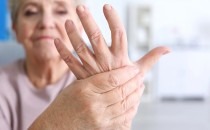
What Is Arthritis?
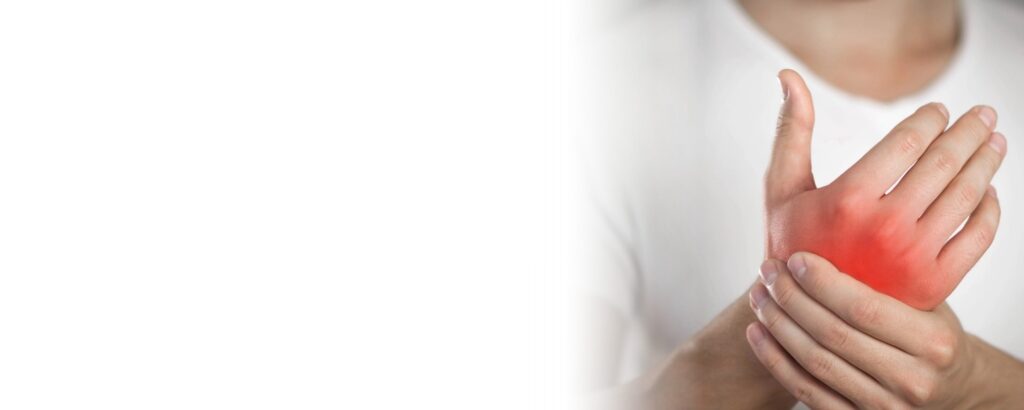
Arthritis is a condition that causes pain and inflammation within one or more joints of the body, commonly the weight bearing joints like the hips, knees and ankles, or small joints like the fingers and toes. There are over 100 types of arthritis, two of the most common being osteoarthritis and rheumatoid arthritis symptoms.
What Factors Contribute to Arthritis Developing?
Past injuries, repetitive use of joints (in work or sport), being overweight, increasing age, being female, hereditary factors, the effects of viral and bacterial infections and compromised immune system are all factors that play a role in arthritis developing. If you are looking for a natural treatment for arthritis, then there is a possibility in Ayurveda.
Complete Risk Factor List:
- Past joint injuries (especially knee, hip, shoulder)
- Repetitive joint use — work, sport, manual labour
- Overweight or obesity (increased load on weight-bearing joints)
- Increasing age (cartilage wear accumulates)
- Being female (especially after menopause due to oestrogen decline)
- Hereditary / genetic predisposition
- Past viral or bacterial infections
- Compromised immune system
- Sedentary lifestyle (weakens supporting muscles)
- Poor diet — processed foods, cold foods, excess sugar (creates ama)
- Chronic stress (aggravates Vata dosha)
Common Symptoms of Arthritis
Arthritis symptoms vary by type and severity. The most common include:
Primary Symptoms
- Joint pain (constant, intermittent, or only with movement)
- Joint stiffness — particularly in the morning or after rest
- Reduced range of motion in the affected joint
- Swelling around the joint
- Redness and warmth (especially in inflammatory types like rheumatoid)
- Tenderness when pressing the joint
- Grinding, popping, or clicking sounds (osteoarthritis)
- Visible joint deformity (advanced cases)
Systemic Symptoms (Rheumatoid Arthritis)
- Fatigue and weakness
- Low-grade fever
- Loss of appetite, weight loss
- Multiple joints affected symmetrically (e.g., both wrists)
- Periods of flare-ups and remission
Classical Ayurvedic observation: Joint pain frequently worsens between sunset and sunrise (the Vata-dominant time of the day-night cycle) and improves through the day. This pattern strongly suggests Vata involvement and guides treatment.
What Are the Health Effects?
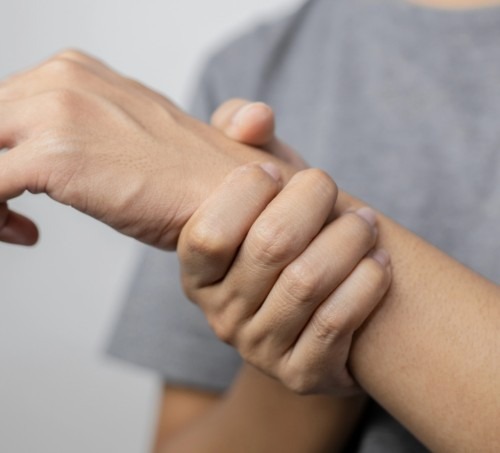
The effects can range from debilitating to crippling, and can eventually interfere with even the most basic daily tasks like walking, driving, getting dressed, preparing food etc. The most common complaint is joint pain and loss of mobility in the affected joint.
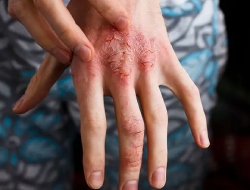
With osteoarthritis symptoms the connective tissue and cartilage between the bones gradually wears away, causing the bones to rub together. The hands, spine, knees and hips are commonly affected. With rheumatoid arthritis the body’s immune system attacks and destroys the affected joints. Rheumatoid arthritis symptoms are therefore pain and swelling.
Pain can be constantly present, or there may be periods of remission. It is frequently found to be worse between sunset and sunrise, and can often improve through the day.
Although arthritis is generally regarded as a disease affecting older people it can affect all age groups. More than two-thirds of those suffering say that it affects them emotionally. But fret not when Ayurveda is here with its natural treatment for arthritis.
Osteoarthritis vs Rheumatoid Arthritis
Arthritis symptoms vary by type and severity. The most common include:
Osteoarthritis
- Cause – Cartilage wear & tear over time
- Onset – Gradual, age-related
- Joints affected – Usually one side, weight-bearing (knees, hips, spine, hands)
- Morning stiffness – Less than 30 minutes
- Inflammation – Mild
- Systemic symptoms – Usually none
- Ayurvedic name – Sandhivata
- Primary Ayurvedic factor – Vata aggravation in joints
- ICD-10 code – M15-M19
Rheumatoid Arthritis
- Cause – Autoimmune — body attacks joints
- Onset – Can start any age (often 30-50)
- Joints affected – Symmetrical, both sides (wrists, fingers, knees, feet)
- Morning stiffness – Often more than 1 hour
- Inflammation – Significant — redness, warmth, swelling
- Systemic symptoms – Fatigue, fever, weight loss, anaemia
- Ayurvedic name – Amavata
- Primary Ayurvedic factor – Ama + Vata in joints
- ICD-10 code – M05-M06
When Arthritis Needs Urgent Medical Attention
Arthritis is usually manageable, but in some cases it requires immediate medical attention. See your GP or rheumatologist if you experience:
- Sudden onset of severe joint pain with redness and warmth
- High fever with joint inflammation (could indicate septic arthritis)
- Joint deformity or inability to move a joint at all
- Symptoms in multiple joints with extreme fatigue (possible rheumatoid arthritis — early diagnosis is critical)
- Unexplained weight loss with joint pain
- Pain that persists despite rest and over-the-counter pain relief for more than 2 weeks
Ayurvedic care is best for long-term joint health management and is excellent alongside medical treatment. For rheumatoid arthritis especially, work with both your rheumatologist and Ayurvedic practitioner — early disease-modifying treatment can prevent joint damage.
Suffer from Arthritis pain? Call now and find out how our Ayurvedic approach can help you!
Call Now for Free 10 Minute Consultation
 1300 552 260
 WhatsApp
  Book online
What Is the Ayurvedic Perspective on Arthritis?
In Sanskrit, the two main forms of arthritis are known as Sandhivata (literally ‘joint-wind disease’ — osteoarthritis) and Amavata (‘toxin-wind disease’ — rheumatoid arthritis). Both involve the Vata dosha and the deeper tissues (Asthi = bone, Majja = marrow).
Ayurveda explains arthritis as the result of an excess of waste (ama) caused by a lack of digestive fire (agni). In everyday terms, poor digestion will result in an accumulation of unprocessed food and consequently of toxic waste. A weak colon will allow the toxins to reach the joints. The immune system tries to neutralise or eliminate this ama but in the process the joint surfaces are affected. The arthritis treatment in Ayurveda works on removing toxins (ama) from the body and rejuvenates the system. If you’re looking for natural treatment for arthritis, we can create an exclusive customised osteoarthritis natural treatment just for you that is based upon the principle of Ayurveda.
What Is the Ayurvedic Arthritis Treatment?
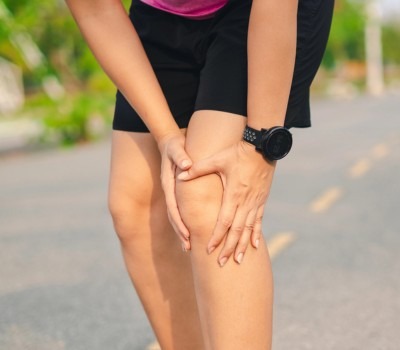
Rather than simply reducing inflammation, the Ayurvedic approach to natural treatment for arthritis always involves removing the waste from the joints and bringing it back to the colon. From there it can be eliminated completely. If you have been let down by allopathic treatments, then arthritis treatment in Ayurveda can help you manage arthritis significantly.
Arthritis treatment in Ayurveda involves:
- Panchakarma – Herbal treatment of the colon
- Massage oils to clear toxins and improve circulation, reducing pain and stiffness
- Gentle exercises, postures and breathing
- Arthritis Diet advice to balance the doshas
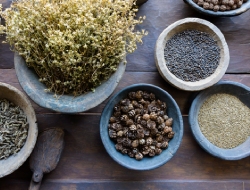
- Herbs to reduce inflammation, detoxify and promote rejuvenation
Ayurvedic Herbs Used for Arthritis
Never self-prescribe Ayurvedic herbs for arthritis. Combinations and dosage must match your specific dosha pattern, condition type (osteoarthritis vs rheumatoid), and any current medications. Always consult a qualified practitioner.
Shallaki (Boswellia serrata) — The Classical Joint Herb
The premier Ayurvedic herb for joint conditions. Modern research has confirmed its potent anti-inflammatory effects on joint cartilage. Particularly effective for osteoarthritis. Used internally and in topical preparations.
Haridra (Curcuma longa) — Turmeric
Powerful anti-inflammatory and ama-clearing. Curcumin (its active compound) reduces joint pain and inflammation. Best absorbed with black pepper and warm milk or oil.
Guggulu (Commiphora mukul) — Resin
Used in classical formulations: Yogaraj Guggulu, Kaishore Guggulu, Triphala Guggulu, and Simhanad Guggulu. Each targets specific arthritis presentations — Vata-dominant pain, ama-heavy joints, autoimmune patterns.
Ashwagandha (Withania somnifera)
Rejuvenative (rasayana) that supports recovery, reduces inflammation, and strengthens tissues. Especially helpful for fatigue and weakness that accompanies rheumatoid arthritis.
Nirgundi (Vitex negundo)
Joint-specific anti-inflammatory. Used in topical oils and as internal medicine for stubborn joint pain. Classical herb specifically named for arthritis in Ayurvedic texts.
Rasna (Pluchea lanceolata)
Classical anti-rheumatic herb. Reduces Vata aggravation in the joints. Often combined with ginger and guduchi in formulations like Rasnadi Kwath and Rasnasaptak.
Ginger (Zingiber officinale) — Sunthi
Warming, ama-digesting, and anti-inflammatory. Stimulates agni (digestive fire) — addressing the root cause of arthritis according to Ayurveda.
Free 10-minute consultation
Natural Treatments for Arthritis Symptoms
Ayurveda offers some effective osteoarthritis natural treatment and holistic treatment for arthritis symptoms. It includes:
- Consume warm foods, avoiding cold items. Incorporate anti-inflammatory ingredients like turmeric, ginger, and fenugreek.
- Warm sesame oil or specialised ayurvedic oils, infused with herbs which can alleviate pain and stiffness through massage.
- Ayurvedic herbs such as Shallaki and Turmeric are powerful anti-inflammatories, assisting in reducing joint pain.
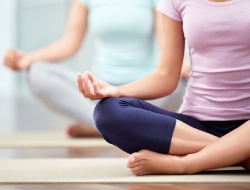
- Gentle yoga poses like Padmasana and low-impact exercises like walking can improve flexibility and muscle strength, decreasing joint discomfort.
Always consult an Ayurvedic expert before making treatment changes.

Panchakarma — Deep Detoxification for Arthritis
Panchakarma (Sanskrit: pancha = five, karma = action) is Ayurveda’s premier deep-cleansing therapy. For arthritis, it directly addresses ama (toxic waste) — the root cause — by clearing it from deep tissues including joints, bone marrow, and the colon.
Panchakarma Therapies Most Relevant to Arthritis:
Abhyanga (warm oil massage)
Deeply penetrating warm medicated oils (Mahanarayan, Ksheerabala) reduce stiffness and clear toxins from joints
Swedana (herbal steam therapy)
Opens channels (srotas), helps mobilise ama out of tissues
Basti (medicated enema)
The most important treatment for Vata-related joint conditions. Niruha basti and Anuvasana basti clear ama from the colon — the seat of Vata
Janu Basti (knee oil pooling)
Localised treatment where warm medicated oil is held over the affected joint
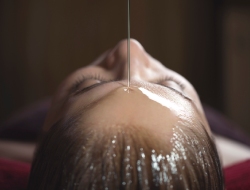
Pizhichil (oil bath)
Continuous pouring of warm medicated oil — deeply nourishing for chronic joint conditions
Virechana (therapeutic purgation)
Useful for inflammatory Pitta-Ama arthritis (rheumatoid pattern)
Panchakarma is most effective as a 7-21 day intensive program. Day-to-day, daily abhyanga (self-massage with warm oil) and dietary changes form ongoing support.
Ayurvedic vs Western Approach to Arthritis
Ayurvedic Approach
- Treats arthritis as ama-vata imbalance (root cause)
- Identifies dosha pattern, digestive strength, lifestyle
- Personalised herbs (Shallaki, Guggulu, Ashwagandha)
- Daily warm oil massage + diet + gentle yoga
- Panchakarma deep cleanse — clears ama from joints
- Strengthens digestion to prevent ama formation
- Builds long-term joint health
- No long-term side effects from natural herbs
Western Medical Approach
- Treats inflammation and pain (symptom)
- Identifies disease type via imaging, blood tests
- NSAIDs, DMARDs, corticosteroids, biologics
- Physiotherapy, occasional joint injections
- Joint replacement surgery for severe cases
- Targets immune system (in rheumatoid)
- Manages flare-ups; chronic medication common
- Long-term NSAIDs cause gut, kidney, cardiovascular issues
Note: Ayurvedic care can be used alongside conventional treatment. For rheumatoid arthritis especially, early diagnosis and rheumatologist care are critical to prevent joint damage. Ayurvedic herbs and Panchakarma complement medical treatment beautifully. Always inform both your GP/rheumatologist and your Ayurvedic practitioner of all medications.
Ayurvedic Diet for Arthritis
Diet is one of the most powerful tools for managing arthritis in Ayurveda. The goal is to strengthen Agni (digestive fire), avoid ama-producing foods, and pacify aggravated Vata:
Foods to Include
- Warm, freshly cooked meals (cold foods aggravate Vata)
- Anti-inflammatory spices — turmeric, ginger, cumin, fenugreek, black pepper
- Healthy fats — ghee (in moderation), sesame oil, olive oil
- Cooked vegetables — pumpkin, sweet potato, carrots, leafy greens
- Whole grains — basmati rice, quinoa, oats (warm)
- Mung dal soup — easy to digest, supports detox
- Berries (blueberries, cherries — natural anti-inflammatories)
- Walnuts, flaxseeds, chia seeds (omega-3s)
- Warm water, herbal teas (ginger, fennel, cinnamon)
Foods to Avoid or Reduce
- Cold foods and drinks (raw salads in winter, iced beverages)
- Nightshade vegetables in some sensitive cases (tomato, potato, eggplant, capsicum)
- Refined sugar and processed sweets
- Fried, oily, heavy foods
- Processed foods with preservatives and additives
- Excess salt and pickled foods
- Heavy dairy (especially yoghurt at night)
- Red meat (in inflammatory arthritis)
- Alcohol (especially beer)
- Caffeine in excess
How Long Does Ayurvedic Arthritis Treatment Take?
Arthritis is chronic, so Ayurvedic treatment focuses on long-term management. Improvement comes in phases:
Typical Timeline:
Acute pain relief
Within 2-4 weeks of starting personalised herbs, warm oil massage, and diet changes
Reduced morning stiffness
4-8 weeks of consistent treatment
Improved range of motion
8-16 weeks with daily yoga and oil massage
Reduced NSAID/medication dependence
3-6 months (always done in coordination with your prescribing doctor)
Deep ama clearance (via Panchakarma):
7-21 day intensive program, ideally annually for chronic cases
Ongoing maintenance
Daily abhyanga (oil massage), seasonal Panchakarma, dietary discipline — for lifelong joint health
Important: Never stop prescribed arthritis medications (especially DMARDs for rheumatoid arthritis) without your doctor’s supervision. Ayurvedic care reduces flares and dependence — but stopping medications suddenly can cause severe flares.
How Much Does Ayurvedic Arthritis Treatment Cost?
Cost depends on whether you have osteoarthritis or rheumatoid arthritis, and the depth of treatment needed. After your free 10-minute consultation, Raman Das will recommend a personalised plan with a clear cost estimate.
Free 10-Minute Phone/Video Consultation
FREE
Initial Ayurvedic Consultation (60 min)
$139 AUD
Standard Follow-up (30 min)
$81 AUD
Short Follow-up (15 min)
$51 AUD
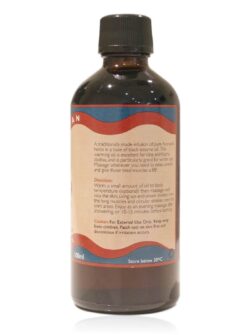
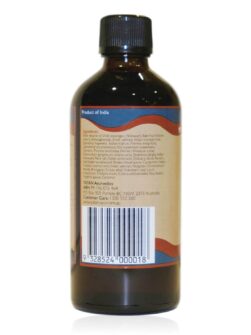
Mahanarayan Massage Oil 100ml
$37.95 AUD
Chyawanprash Herbal Jam
$67.95 AUD
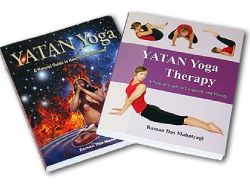
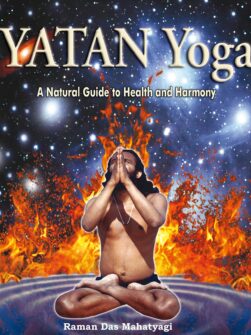
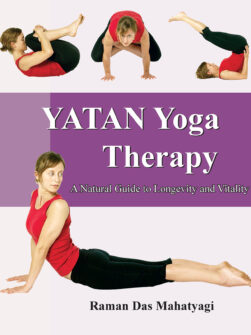
YATAN Yoga book
$69.95 AUD
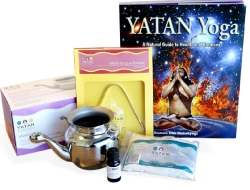
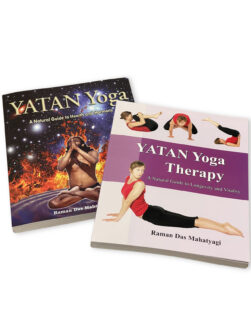
YATAN Yoga Book Bundle
$130.00 AUD
Panchakarma intensive (7-21 days)
Quote on consultation
Customised herbal formulations
Varies by prescription
Try Our Ayurvedic Products for Arthritis Treatment
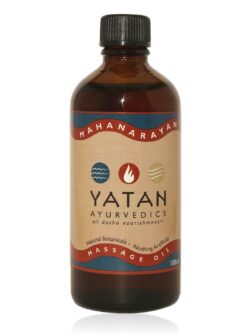
Mahanarayan Massage Oil 100ml — $37.95
Ayurveda’s premier massage oil for vata conditions, its warming, penetrating nature helps to relax, unwind, and tone the muscles. It can be used locally or massaged over the entire body to help restore virility, reduce stiffness and muscle fatigue, and improve circulation.
YATAN Yoga Therapy Book Bundle — $130.00
A gentle yoga practice can be advised that warms up the body, focusing on improving flexibility and increasing the range of motion in the affected joints. Joints are strengthened and stabilised by postures that build muscle around the joint. Pranayama improves circulation of oxygen and energy, nourishing the joints and promoting healing.
Chyawanprash Herbal Jam — $67.95
Classical Ayurvedic rejuvenative jam — supports immunity and rasayana (rejuvenation) for chronic arthritis patients.
YATAN Yoga book — $69.95
Foundational yoga practices for joint health and flexibility.
Meet Your Practitioner — Raman Das Mahatyagi
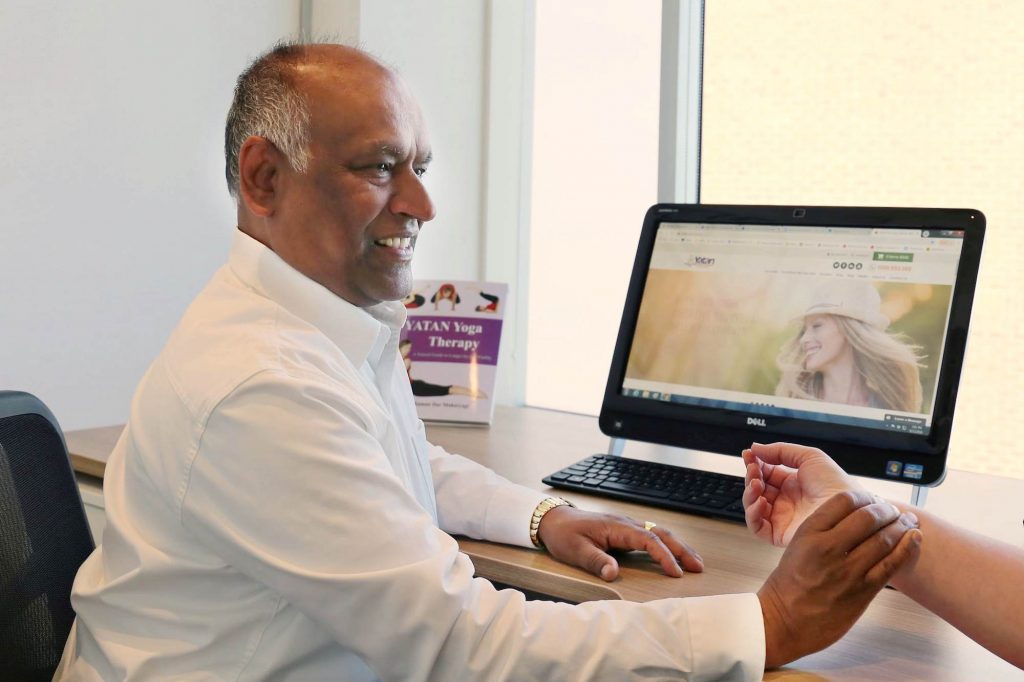
Raman Das is the principal Ayurvedic practitioner at Yatan Holistic Ayurvedic Centre, with 30+ years of clinical experience and a private practice in Sydney since 2000. Author of YATAN Yoga and YATAN Yoga Therapy. His clinical approach to arthritis addresses the ama-agni root cause through Panchakarma, classical herbs, warming oils, and personalised diet — helping Australian patients reduce dependence on long-term NSAIDs and reclaim mobility.
Frequently Asked Questions
Q: What is arthritis in Ayurveda?
A: In Ayurveda, osteoarthritis is known as Sandhivata (joint-wind disease) and rheumatoid arthritis as Amavata (toxin-wind disease). Both stem from accumulated ama (metabolic waste) due to weakened agni (digestive fire). The ama travels through a weakened colon and lodges in the joints, where the body’s immune response damages the joint tissues. Treatment focuses on clearing ama, strengthening agni, and pacifying Vata.
Q: Is arthritis curable in Ayurveda?
A: Ayurveda offers holistic management techniques with lifestyle modification which can significantly alleviate symptoms and improve joint health. While chronic arthritis cannot be ‘cured’ in the strict sense (especially cartilage damage in advanced osteoarthritis), Ayurvedic treatment can reduce pain, slow progression, improve mobility, and reduce dependence on medication. Many patients achieve substantial long-term relief.
Q: What is the best natural pain killer for arthritis?
A: Turmeric (curcumin) and ginger are among the top natural pain relievers for arthritis. Shallaki (Boswellia serrata) is the classical Ayurvedic joint herb with proven anti-inflammatory action on cartilage. Mahanarayan oil applied warm to affected joints provides excellent topical pain relief. For best results, these should be prescribed and combined by an Ayurvedic practitioner based on your specific pattern.
Q: What is the golden herb for arthritis?
A: The ‘golden herb’ is often considered to be turmeric due to its vibrant golden colour and its well-known anti-inflammatory properties. In Ayurveda, turmeric (Haridra) is used for arthritis both internally (with warm milk, oil or black pepper for better absorption) and externally (in topical pastes for swollen joints).
Q: Is there any natural treatment for arthritis?
A: Yes, many natural treatments can help manage arthritis, including dietary changes, physical therapies, herbal supplements like Shallaki, Guggulu and Ashwagandha, warm oil massage (especially Mahanarayan oil), Panchakarma detoxification, gentle yoga, and lifestyle modifications. Best results come from a personalised plan addressing your specific dosha pattern and arthritis type.
Q: Is apple cider vinegar good for arthritis?
A: Some people believe that apple cider vinegar can help reduce arthritis pain due to its alkalizing effect and anti-inflammatory properties. However, the evidence of its efficacy is limited. From an Ayurvedic perspective, fermented and sour foods can aggravate certain types of arthritis (especially Pitta-dominant), so caution is advised.
Q: What is the most powerful natural anti-inflammatory?
A: Turmeric (especially its active component, curcumin) is often regarded as one of the most powerful natural anti-inflammatory substances. In Ayurveda, Shallaki (Boswellia serrata) is equally important and has been validated by modern research for joint-specific anti-inflammatory action. Ginger is also highly effective.
Q: Does lemon water help arthritis?
A: Lemon water is alkalizing and rich in vitamin C, which is good for overall health. It may help reduce inflammation, though its direct impact on arthritis is not established. In Ayurveda, warm water with a small amount of lemon supports agni (digestive fire) — addressing the root cause of ama formation.
Q: What is the best Ayurvedic treatment for arthritis?
A: Ayurvedic treatment for arthritis usually involves a combination of herbal remedies (Shallaki, Guggulu, Ashwagandha), Panchakarma detoxification, warm oil massage with Mahanarayan oil, gentle yoga (Padmasana, Vajrasana), dietary recommendations, and lifestyle guidelines tailored to your specific constitution (‘dosha’) and arthritis type (Sandhivata vs Amavata).
Q: What 5 foods make arthritis worse?
A: Common foods believed to aggravate arthritis include: processed sugars; dairy products; fried and processed foods; salt and preservatives; and certain oils like corn and sunflower. In Ayurveda, cold foods, raw vegetables in winter, and nightshades (in sensitive cases) are also commonly avoided.
Q: What foods calm arthritis?
A: Foods with anti-inflammatory properties can help calm arthritis. This includes nuts and seeds (like walnuts, flaxseeds); fruits and vegetables rich in antioxidants (berries, cherries, spinach); olive oil; and whole grains. In Ayurveda, warm cooked foods with anti-inflammatory spices (turmeric, ginger, fenugreek) are most beneficial.
Q: How can I avoid arthritis in Ayurveda?
A: Ayurveda suggests maintaining a balanced lifestyle and diet suited to your dosha, regular gentle exercise (yoga and walking), avoiding foods that cause ama (processed, cold, heavy), practising stress-reducing techniques like meditation, daily warm oil self-massage, ensuring strong digestion (eating warm food at regular times), and consulting an Ayurvedic practitioner for periodic Panchakarma cleansing.
Q: What’s the difference between osteoarthritis and rheumatoid arthritis in Ayurveda?
A: Osteoarthritis is Sandhivata — a Vata-dominant joint condition caused by gradual cartilage wear, treated with warming oils, joint-nourishing herbs (Shallaki, Ashwagandha), and gentle exercise. Rheumatoid arthritis is Amavata — an ama-dominant autoimmune condition where toxic waste fuels immune attack on joints, requiring deeper detoxification (Panchakarma), ama-clearing herbs (Guggulu), and strict dietary changes alongside conventional medical treatment.
Q: Can I do yoga if I have arthritis?
A: Yes — gentle yoga is one of the most beneficial practices for arthritis. Recommended poses include Padmasana (Lotus Pose), Vajrasana (Thunderbolt Pose), Tadasana (Mountain Pose), Marjariasana (Cat-Cow), and gentle Surya Namaskar (Sun Salutation) modifications. Avoid forced stretches, deep backbends, or high-impact movements. Always warm up with oil massage first. Work with an experienced yoga therapist who understands joint conditions.
Q: How much does Ayurvedic arthritis treatment cost in Australia?
A: At Yatan Ayurveda, the initial consultation is $139 AUD (60 minutes). Standard follow-up is $81 (30 minutes). Mahanarayan Massage Oil is $37.95. Chyawanprash is $67.95. Customised herbal formulations and Panchakarma intensive programs are quoted separately. Contact 1300 552 260 for a personalised estimate.
Q: Do you offer telehealth consultations for arthritis?
A: Yes. Yatan Ayurveda offers telehealth consultations Australia-wide and internationally for arthritis. Customised herbal preparations and oils are posted directly to you. Video consultations allow Raman Das to observe joint mobility, swelling, and other indicators remotely. For Panchakarma intensive programs, in-person visits to the Sydney clinic are required.
Book your free 10-minute consultation
Discover how Ayurvedic care can ease your joint pain and improve mobility — addressing the root cause, not just the symptoms.
 Suite 28, 924 Pacific Highway, Gordon NSW 2072
  Available Australia-wide & internationally
  Mon–Fri: 9:00am–5:30pm
 More Arthritis Resources
For more arthritis and joint health information please visit our other resources:
- Types of Arthritis (Rheumatoid | Osteoarthritis) Symptoms — Your Treatment Plan
- Symptoms of Arthritis | Arthritis Treatment & Osteoarthritis Treatment
- Autoimmune Diseases Disorders | Immune Deficiency System Disorders
- Types of Arthritis — Treatment & Diet (Flexibility — Key to Health, Happiness & Longevity)
- Rejuvenation – Turning Back The Clock (Part 1)
- Bloating Digestive System Gastrointestinal Disorders
- Making Friends With Leeches
- Why Am I So Tired? – Understanding Anaemia
- The Art of Observation – Diagnosis without X-rays or Microscopes (Part 2)
Reviewed by Raman Das Mahatyagi, Principal Ayurvedic Practitioner | Last updated: 11 May 2026