











Ayurvedic Support for Joint Comfort in Sydney
Trusted by 250+ patients in Australia

4.6/5 (Google Reviews)

Holistic Approach Supporting Long-Term Wellbeing

Personalised Ayurvedic Care

30+ Years Professional Experience

In-Clinic Sydney & Telehealth Consultations
Move More Comfortably with Ayurvedic Care
Personalised Ayurvedic support for Osteoarthritis, Rheumatoid Arthritis and Chronic Joint Pain for joint comfort, mobility and overall wellbeing.
Expert Ayurvedic guidance from Raman Das Mahatyagi — ATMS Fellow with 30+ years of professional experience. Consultations are available at our Gordon clinic in Sydney and by telehealth Australia-wide.
Quick Answer
Arthritis refers to a group of conditions affecting the joints. Two of the most common forms are osteoarthritis, which involves changes to cartilage and other joint tissues, and rheumatoid arthritis, an autoimmune inflammatory condition.
In Ayurveda, osteoarthritis is known as Sandhivata (joint-wind disease) and rheumatoid arthritis as Amavata (toxin-wind disease). Ayurveda describes joint problems through its traditional concepts of Dosha, Agni (digestive capacity), Ama and the health of the body’s tissues. Ayurvedic care is personalised and may include dietary and lifestyle recommendations, herbal preparations, warm oil therapies, gentle movement or yoga, and Panchakarma where appropriate. These approaches support joint health and general wellbeing and can be used alongside conventional healthcare.
Free 10-minute consultation
 1300 552 260
 WhatsApp
  Book online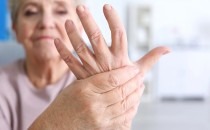
What Is Arthritis?
Arthritis is a condition that causes pain and inflammation within one or more joints of the body, commonly the weight-bearing joints like the hips, knees and ankles, or small joints like the fingers and toes. There are over 100 types of arthritis, two of the most common being osteoarthritis and rheumatoid arthritis.
What Factors Contribute to Arthritis?
Factors associated with arthritis vary depending on the type. They may include:
- Past joint injuries (especially knee, hip, shoulder)
- Repetitive joint use — work, sport, manual labour
- Overweight or obesity (increased load on weight-bearing joints)
- Increasing age (cartilage wear accumulates)
- Sex and hormonal factors
- Genetic and family factors
- Certain infections or immune-system processes
- Reduced physical activity and muscle strength
From an Ayurvedic perspective, practitioners may also consider factors such as your Dosha pattern, digestion (Agni), diet, daily routine, activity levels, sleep and stress when assessing your overall joint health.
Common Symptoms of Arthritis
Arthritis symptoms vary by type and severity. The most common include:
Primary Symptoms
- Joint pain (constant, intermittent, or only with movement)
- Joint stiffness — particularly in the morning or after rest
- Reduced range of motion in the affected joint
- Swelling around the joint
- Redness and warmth (especially in inflammatory types like rheumatoid)
- Tenderness when pressing the joint
- Grinding, popping, or clicking sounds (osteoarthritis)
- Visible joint deformity (advanced cases)
Systemic Symptoms (Rheumatoid Arthritis)
- Fatigue and weakness
- Low-grade fever
- Loss of appetite, weight loss
- Multiple joints affected symmetrically (e.g., both wrists)
- Periods of flare-ups and remission
From an Ayurvedic perspective, the timing and pattern of joint discomfort may also be considered during an assessment. Symptoms that become more noticeable during colder periods or at particular times of day may be interpreted in relation to Vata and other individual characteristics.
Why Can Joints Feel Worse in Winter?
Some people with arthritis report greater stiffness or discomfort during colder weather. Reduced physical activity during winter may also contribute to joints feeling less mobile.
In Ayurveda, the cold and dry qualities associated with Vata are considered particularly relevant when assessing stiffness, dryness and discomfort in the joints.
Keeping comfortably warm, maintaining appropriate gentle movement and choosing warm, nourishing meals can form part of an Ayurvedic winter routine. Warm oil massage may also be incorporated where appropriate for the individual.
Late winter is also an excellent time to begin treatment, so your joints head into spring already loosening. World Arthritis Day falls on 12 October 2026, a good milestone to aim for.
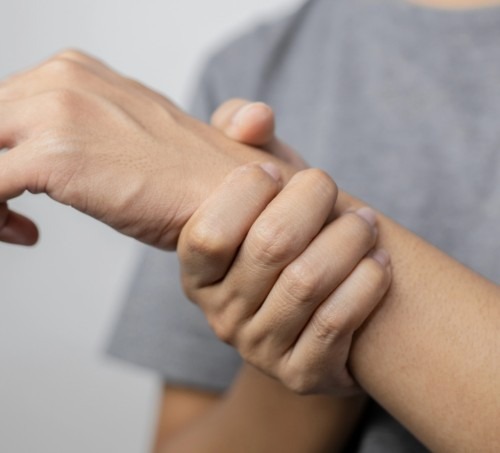
How Can Arthritis Affect Daily Life?
The effects of arthritis vary considerably from person to person. Joint pain, stiffness and reduced mobility can make everyday activities such as walking, driving, dressing, exercising and preparing food more difficult.
Osteoarthritis involves changes to cartilage and other structures within the joint and commonly affects areas such as the hands, knees, hips and spine. Rheumatoid arthritis is an autoimmune inflammatory condition that can affect multiple joints and may also cause symptoms beyond the joints.
Living with persistent pain and reduced mobility can also affect mood, sleep and overall quality of life.
Although arthritis is generally regarded as a disease affecting older people, it can affect all age groups. More than two-thirds of those suffering say that it affects them emotionally.
Osteoarthritis vs Rheumatoid Arthritis
Osteoarthritis and rheumatoid arthritis can both cause joint pain and stiffness, but they are different conditions with different underlying processes and patterns.
Osteoarthritis
- What it involves – Changes to cartilage and other tissues within the joint
- Onset – Usually develops gradually over time
- Commonly affected joints – Knees, hips, hands and spine
- Pattern – May affect one or both sides of the body
- Morning stiffness – Often improves within about 30 minutes
- Inflammation – May be present, but is usually less prominent than in rheumatoid arthritis
- Other symptoms – Symptoms are mainly related to the affected joints
- Ayurvedic name –Sandhivata
- Ayurvedic perspective – Commonly associated with Vata and qualities such as dryness, stiffness and degeneration
- ICD-10 code – M15-M19
Rheumatoid Arthritis
- What it involves – An autoimmune inflammatory disease in which the immune system attacks the lining of the joints
- Onset – Can develop at any age, although it most commonly begins in adulthood
- Commonly affected joints – Hands, wrists, feet, knees and other joints
- Pattern – Often affects joints symmetrically on both sides of the body
- Morning stiffness – Commonly lasts longer than 30–60 minutes
- Inflammation – Swelling, warmth and tenderness may be prominent
- Other symptoms – May include fatigue, reduced appetite, fever or other symptoms beyond the joints
- Ayurvedic name –Amavata
- Ayurvedic perspective – Traditionally understood in relation to Ama together with Vata and, depending on the individual, other Doshas
- ICD-10 code – M05-M06
When Arthritis Needs Urgent Medical Attention
Arthritis is usually manageable, but in some cases it requires immediate medical attention. See your GP or rheumatologist if you experience:
- Sudden onset of severe joint pain with redness and warmth
- High fever with joint inflammation (could indicate septic arthritis)
- Joint deformity or inability to move a joint at all
- Symptoms in multiple joints with extreme fatigue (possible rheumatoid arthritis — early diagnosis is critical)
- Unexplained weight loss with joint pain
- Pain that persists despite rest and over-the-counter pain relief for more than 2 weeks
Ayurvedic care may be used alongside conventional healthcare to support general wellbeing and joint health. Rheumatoid arthritis requires appropriate medical assessment and ongoing management because early treatment can help reduce the risk of permanent joint damage.
Always inform your GP, rheumatologist and Ayurvedic practitioner about the medicines, herbs and supplements you are taking.
Living with joint discomfort? Learn more about our personalised Ayurvedic approach to joint health.
Call Now for Free 10 Minute Consultation
 1300 552 260
 WhatsApp
  Book online
What Is the Ayurvedic Perspective on Arthritis?
Ayurveda has its own traditional framework for understanding joint health. Osteoarthritis-type presentations are commonly discussed in relation to Sandhivata, while rheumatoid-type presentations are traditionally associated with Amavata.
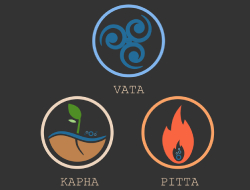
Vata Dosha is particularly important in the Ayurvedic understanding of the joints and is associated with qualities such as dryness, coldness, movement and degeneration. Depending on the presentation, Pitta and Kapha may also be considered.
Ayurveda also considers Ama, a traditional Ayurvedic concept describing material considered to arise when digestion is incomplete and Agni (digestive and metabolic function) is impaired.
During an Ayurvedic consultation, these concepts are considered together with the individual’s constitution, symptoms, digestion, diet, lifestyle, sleep, stress and daily routine.
This is a traditional Ayurvedic framework and should not be interpreted as a biomedical explanation of how osteoarthritis or rheumatoid arthritis develops.
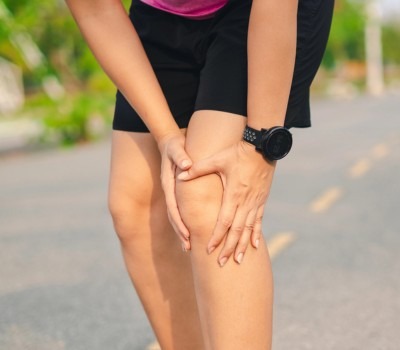
What May Ayurvedic Care for Joint Health Involve?
Ayurvedic care is personalised according to the individual’s constitution, Dosha pattern, symptoms, digestion, lifestyle and overall health.
Depending on the individual, an Ayurvedic joint-health plan may incorporate:
- Personalised dietary and lifestyle guidance
- Ayurvedic herbal preparations selected according to the individual
- Warm oil massage and other traditional external therapies
- Gentle yoga, movement and breathing practices
- Strategies to support sleep, stress management and daily routine
- Panchakarma therapies where appropriate
For people with diagnosed arthritis, Ayurvedic care can be used as a complementary approach alongside appropriate medical care.
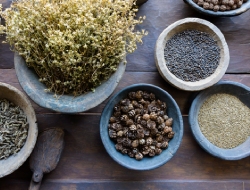
Herbs Traditionally Used in Ayurveda for Joint Health
Ayurveda uses a wide range of herbs and classical formulations as part of personalised care. The choice of herbs depends on the individual’s constitution, Dosha pattern, digestion, symptoms and other health considerations. If you have rheumatoid arthritis or another medical condition, discuss herbal preparations with your healthcare professionals before use.
Shallaki (Boswellia serrata)
Shallaki has a long history of traditional use in Ayurveda and is commonly included in formulations used to support joint health and mobility. Used internally and in topical preparations.
Haridra (Curcuma longa) — Turmeric
Turmeric is an important Ayurvedic culinary and medicinal herb traditionally used in a wide range of formulations. It is particularly associated with supporting digestion, balance and general wellbeing.
Guggulu (Commiphora mukul) — Resin
Guggulu is a resin used in classical Ayurvedic preparations including Yogaraj Guggulu, Kaishore Guggulu, Triphala Guggulu and Simhanad Guggulu. Different formulations are selected according to the individual’s Ayurvedic presentation.
Ashwagandha (Withania somnifera)
Ashwagandha is traditionally classified as a Rasayana (rejuvenative) herb and may be incorporated into Ayurvedic care where nourishment, strength and general vitality are priorities.
Nirgundi (Vitex negundo)
Nirgundi is traditionally used in Ayurveda in both internal preparations and external oils, including formulations associated with musculoskeletal wellbeing..
Rasna (Pluchea lanceolata)
Rasna is a classical Ayurvedic herb traditionally associated with Vata and joint care and is often used as part of multi-herb formulations.
Ginger (Zingiber officinale) — Sunthi
Dry ginger is traditionally valued in Ayurveda for its warming qualities and its relationship with Agni. It is commonly incorporated into food, drinks and traditional herbal preparations..
Free 10-minute consultation
Traditional Ayurvedic Self-Care for Joint Health
Simple Ayurvedic practices may be incorporated into a broader joint-health routine according to individual needs.
- Warm meals: Ayurveda commonly favours warm, freshly prepared foods, particularly where Vata qualities such as coldness and dryness are prominent.
- Warming spices: Ginger, turmeric, cumin and fenugreek are commonly used as part of an Ayurvedic diet.
- Warm oil massage: Sesame oil and traditional Ayurvedic massage oils such as Mahanarayan Oil may be incorporated into a self-massage routine where appropriate.
- Gentle movement: Appropriate yoga, walking and other low-impact activities can help maintain movement and general physical wellbeing.
Always consult an Ayurvedic expert before making treatment changes.

Panchakarma and Traditional Ayurvedic Joint Care
Panchakarma (Sanskrit: pancha = five, karma = action) is Ayurveda’s premier deep-cleansing therapy which is designed to mobilise and eliminate ama from the deep tissues.
Abhyanga (warm oil massage)
Warm oil massage using oils selected according to the individual’s constitution and Ayurvedic presentation.
Swedana (herbal steam therapy)
Opens channels (srotas), helps mobilise ama out of tissues
Basti
A traditional Ayurvedic therapy particularly associated with the management of Vata within the classical Ayurvedic framework. Basti should only be undertaken under appropriate professional supervision.
Janu Basti (knee oil pooling)
A localised traditional therapy in which warm oil is retained over the knee area for a period of time.
Virechana (therapeutic purgation)
A classical Panchakarma procedure that may be considered for selected individuals following an Ayurvedic assessment.
Panchakarma is not appropriate for everyone. The choice and duration of therapies should be determined individually after considering age, strength, medical conditions, medications and overall health.
Using Ayurvedic Care Alongside Conventional Healthcare
Ayurvedic care can be used as a complementary approach alongside conventional healthcare for people living with arthritis and joint concerns. Each approach uses a different framework and may contribute to different aspects of care.
Conventional healthcare can play an important role in diagnosing the type and cause of joint symptoms. Depending on the condition, management may include medicines, physiotherapy, exercise programs, injections or surgery.
This is particularly important for rheumatoid arthritis, where early diagnosis and appropriate disease-modifying treatment can help prevent irreversible joint damage.
Ayurvedic care takes a broader traditional approach, considering factors such as Dosha, Agni, diet, digestion, daily routine, sleep, stress and lifestyle. Depending on the individual, care may incorporate dietary guidance, herbal preparations, warm oil therapies, gentle yoga and Panchakarma.
The two approaches do not need to be viewed as alternatives. Ayurvedic care can be incorporated alongside appropriate medical treatment as part of an individual’s overall health and wellbeing plan.
Always inform your doctor, rheumatologist and Ayurvedic practitioner about all medicines, herbs and supplements you are taking. Do not stop or reduce prescribed arthritis medication without discussing this with your prescribing doctor.
The Ayurvedic Approach to Diet and Joint Health
Diet is an important part of the Ayurvedic approach to overall health. Recommendations are personalised based on factors such as constitution, Dosha pattern, digestion, appetite, lifestyle, and individual tolerance. The aim is to strengthen Agni (digestive fire), avoid ama-producing foods, and pacify aggravated Vata.
When Vata is prominent, Ayurveda may favour warm, freshly prepared, easily digested meals. Foods and spices commonly incorporated include cooked vegetables, soups, mung dal, rice and other grains, together with spices such as ginger, turmeric, cumin and fenugreek.
Ayurvedic dietary advice may also recommend reducing foods that are particularly heavy, highly processed or difficult for the individual to digest.
Foods should not be eliminated unnecessarily unless there is a specific reason, and people with medical conditions should ensure their diet remains nutritionally balanced.
Foods to Include
- Warm, freshly cooked meals (cold foods aggravate Vata)
- Spices — turmeric, ginger, cumin, fenugreek, black pepper
- Healthy fats — ghee (in moderation), sesame oil, olive oil
- Cooked vegetables — pumpkin, sweet potato, carrots, leafy greens
- Whole grains — basmati rice, quinoa, oats (warm)
- Mung dal soup — easy to digest, supports detox
- Berries (blueberries, cherries — natural antioxidents)
- Walnuts, flaxseeds, chia seeds (omega-3s)
- Warm water, herbal teas (ginger, fennel, cinnamon)
Foods to Avoid or Reduce
- Cold foods and drinks (raw salads in winter, iced beverages)
- Nightshade vegetables in some sensitive cases (tomato, potato, eggplant, capsicum)
- Refined sugar and processed sweets
- Fried, oily, heavy foods
- Processed foods with preservatives and additives
- Excess salt and pickled foods
- Heavy dairy (especially yoghurt at night)
- Red meat (in inflammatory arthritis)
- Alcohol (especially beer)
- Caffeine in excess
How Long Does Ayurvedic Care Take?
There is no standard timeframe for Ayurvedic care because arthritis and joint problems vary considerably between individuals.
Factors such as the type and severity of the condition, how long symptoms have been present, age, general health, mobility, lifestyle and the individual’s Ayurvedic presentation can all influence the care plan.
Some people incorporate Ayurvedic practices for a shorter period, while others use dietary, lifestyle, yoga or self-massage practices as part of an ongoing wellbeing routine.
Your Ayurvedic care plan can be reviewed over time and adjusted according to your individual needs and response.
If you take prescribed medication for osteoarthritis, rheumatoid arthritis or another condition, do not stop or reduce it without discussing this with your prescribing healthcare professional.
Personalised Ayurvedic Consultations
The cost of Ayurvedic care varies according to the type of consultation and any additional herbal preparations or therapies that may be recommended. After discussing your needs, Raman Das can explain the available options and associated costs.
Free 10-Minute Phone/Video Consultation
FREE
Initial Ayurvedic Consultation (60 min)
$139 AUD
Standard Follow-up (30 min)
$81 AUD
Short Follow-up (15 min)
$51 AUD
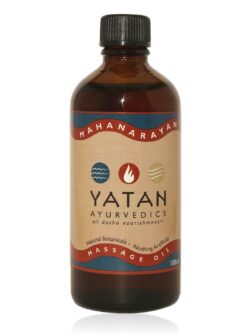
Mahanarayan Massage Oil 100ml
$37.95 AUD
Chyawanprash Herbal Jam
$67.95 AUD
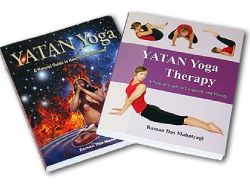
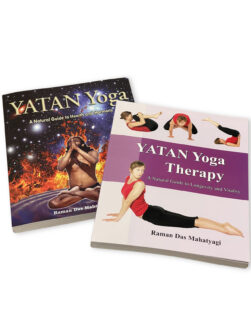
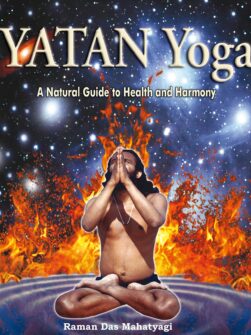
YATAN Yoga book
$69.95 AUD
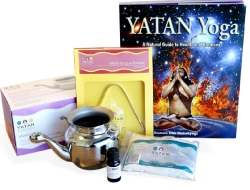
YATAN Yoga Book Bundle
$130.00 AUD
Panchakarma intensive
Quote on consultation
Customised herbal formulations
Varies by prescription
Consultations are available in-clinic at Gordon, Sydney NSW, or through telehealth Australia-wide.
Prices current as at August 2026.
Yatan Products to Support Your Joint-Care Routine
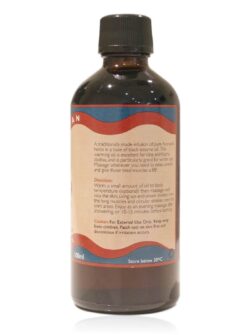
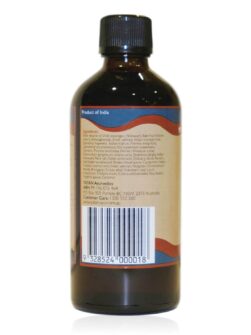
Mahanarayan Massage Oil 100ml — $37.95
A traditional Ayurvedic massage oil particularly associated with Vata care. Its warming and nourishing qualities make it suitable for use as part of an Ayurvedic massage or self-massage routine.
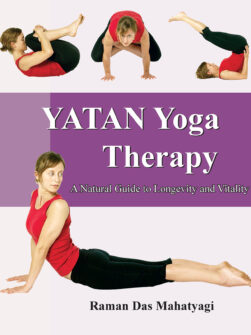
YATAN Yoga Therapy Book Bundle — $130.00
A practical resource for understanding the YATAN approach to yoga therapy, including the use of movement, postures and breathing practices to support flexibility, strength and general wellbeing.
Chyawanprash Herbal Jam — $67.95
A traditional Ayurvedic herbal preparation classified as a Rasayana, or rejuvenative preparation, and traditionally incorporated into routines supporting general health and vitality.
YATAN Yoga book — $69.95
A guide to the YATAN system of yoga, with practices that can be adapted to support movement, flexibility and overall wellbeing.
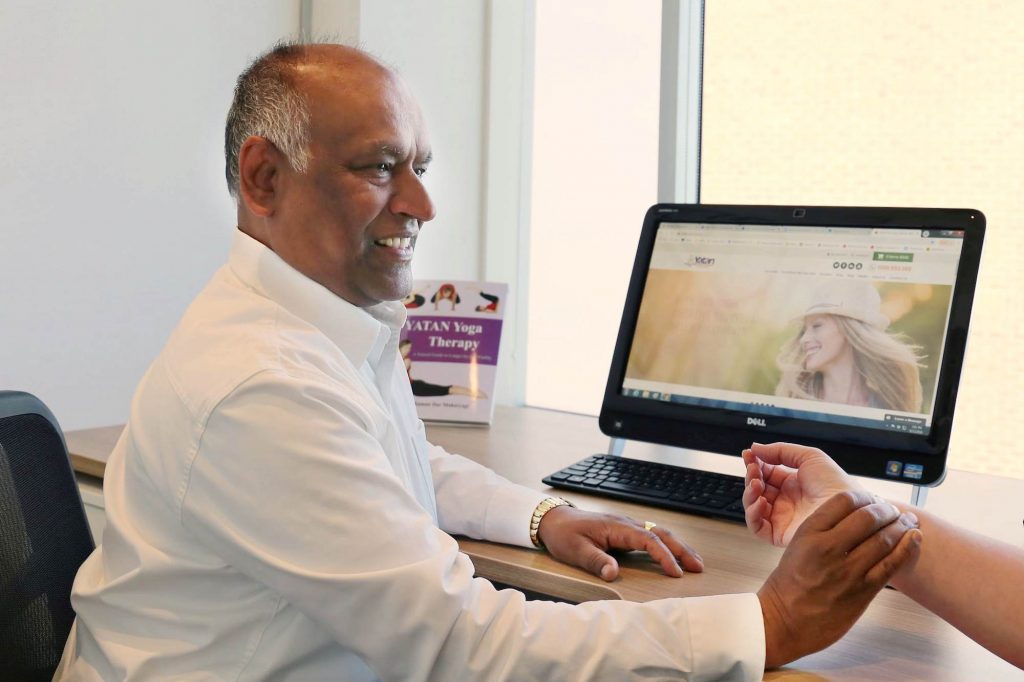
Meet Your Practitioner — Raman Das Mahatyagi
Raman Das is the principal Ayurvedic practitioner at Yatan Holistic Ayurvedic Centre, with 30+ years of professional experience and a private practice in Sydney since 2000. Author of YATAN Yoga and YATAN Yoga Therapy. His approach to joint health draws on traditional Ayurvedic assessment and may incorporate personalised dietary and lifestyle guidance, herbal preparations, warm oil therapies, Panchakarma and yoga according to individual needs.
Frequently Asked Questions
Q: What is arthritis in Ayurveda?
A: In Ayurveda, osteoarthritis is known as Sandhivata (joint-wind disease) and rheumatoid arthritis as Amavata (toxin-wind disease). Both stem from accumulated ama (metabolic waste) due to weakened agni (digestive fire). The ama travels through a weakened colon and lodges in the joints, where the body’s immune response damages the joint tissues. Treatment focuses on clearing ama, strengthening agni, and pacifying Vata.
Q: Can Ayurveda help support people with arthritis?
A: Ayurveda offers a holistic approach to supporting people with arthritis through personalised care, lifestyle modifications, and dietary guidance. It may help support joint comfort, flexibility, and mobility while promoting overall wellbeing. Individual results vary depending on factors such as the type and severity of arthritis, overall health, and adherence to the recommended plan. Ayurvedic care focuses on supporting long-term joint health and quality of life rather than claiming to cure or reverse arthritis.
Q: Why is my arthritis worse in winter and cold weather?
A: Cold weather affects joints in several ways: muscles and tissues around the joint contract and tighten, the synovial fluid that lubricates the joint becomes thicker and less effective, and most people move less in winter, so joints stiffen from inactivity too. In Ayurvedic terms, winter is peak Vata season, and Vata’s cold, dry qualities directly aggravate both Sandhivata (osteoarthritis) and Amavata (rheumatoid arthritis), which is why classical texts note joint pain worsening during the cold hours between sunset and sunrise. What helps: keep joints warm and covered, do daily warm oil massage with a warming oil such as Mahanarayan, eat warm cooked meals, stay gently active every day, and treat the underlying Vata and ama pattern so next winter is easier.
Q: Are there natural ways to support joint health?
A: A number of lifestyle approaches can form part of joint care, including appropriate physical activity, maintaining a healthy weight, a balanced diet, physiotherapy where appropriate and strategies for maintaining strength and mobility. Ayurveda may additionally incorporate personalised dietary guidance, herbal preparations, warm oil massage, yoga and traditional therapies according to the individual’s needs. These approaches should complement, not replace, appropriate medical assessment and treatment for diagnosed arthritis.
Q: Is apple cider vinegar good for arthritis?
A: Some people believe that apple cider vinegar can help reduce arthritis pain due to its alkalising effect and anti-inflammatory properties. However, the evidence of its efficacy is limited. From an Ayurvedic perspective, fermented and sour foods can aggravate certain types of arthritis (especially Pitta-dominant).
Q: What herbs are anti-inflammatory?
A: Turmeric (especially its active component, curcumin) is often regarded as one of the most powerful natural anti-inflammatory substances. In Ayurveda, Shallaki (Boswellia serrata) is equally important and has been validated by modern research for joint-specific anti-inflammatory action. Ginger is also highly effective.
Q: Does lemon water help arthritis?
A: Lemon water is alkalising and rich in vitamin C, which is good for overall health, though its direct impact on arthritis is not established. In Ayurveda, warm water with a small amount of lemon supports agni (digestive fire), which is considered a contributing factor in ama formation.
Q: What is the best Ayurvedic support for arthritis?
A: Ayurvedic support for arthritis usually involves a combination of herbal remedies, Panchakarma detoxification, warm oil massage with Mahanarayan oil, gentle yoga, dietary recommendations, and lifestyle guidelines tailored to your specific constitution (‘dosha’) and arthritis type (Sandhivata vs Amavata).
Q: What 5 foods make arthritis worse?
A: In Ayurveda, cold foods, raw vegetables in winter, and nightshades (in sensitive cases) are commonly avoided. Processed sugars; highly processed foods; excess salt, preservatives and additives; and processed seed oils are best avoided.
Q: What foods calm arthritis?
A: Foods with anti-inflammatory properties can help calm arthritis. This includes nuts and seeds (like walnuts, flaxseeds); fruits and vegetables rich in antioxidants (berries, cherries, spinach); olive oil; and whole grains. In Ayurveda, warm cooked foods with anti-inflammatory spices (turmeric, ginger, fenugreek) are most beneficial.
Q: How does Ayurveda support long-term joint health?
A: Ayurveda suggests maintaining a balanced lifestyle and diet suited to your dosha, regular gentle exercise (yoga and walking), avoiding foods that cause ama (processed, cold, heavy), practising stress-reducing techniques like meditation, daily warm oil self-massage, ensuring strong digestion (eating warm food at regular times), and consulting an Ayurvedic practitioner for periodic Panchakarma cleansing.
Q: What’s the difference between osteoarthritis and rheumatoid arthritis in Ayurveda?
A: Osteoarthritis is Sandhivata — a Vata-dominant joint condition caused by gradual cartilage wear, treated with warming oils, joint-nourishing herbs, and gentle exercise. Rheumatoid arthritis is Amavata — an ama-dominant autoimmune condition where toxic waste fuels immune attack on joints, requiring deeper detoxification (Panchakarma), ama-clearing herbs, and strict dietary changes alongside conventional medical treatment.
Q: Can I do yoga if I have arthritis?
A: Yes — gentle yoga is one of the most beneficial practices for arthritis. Recommended poses include Padmasana (Lotus Pose), Vajrasana (Thunderbolt Pose), Tadasana (Mountain Pose), Marjariasana (Cat-Cow), and gentle Surya Namaskar (Sun Salutation) modifications. Avoid forced stretches, deep backbends, or high-impact movements. Always warm up with oil massage first. Work with an experienced yoga therapist who understands joint conditions.
Q: How much does Ayurvedic treatment cost in Australia?
A: At Yatan Ayurveda, the initial consultation is $139 AUD (60 minutes). Standard follow-up is $81 (30 minutes). Mahanarayan Massage Oil is $37.95. Chyawanprash is $67.95. Customised herbal formulations and Panchakarma intensive programs are quoted separately. Contact 1300 552 260 for a personalised estimate.
Q: Do you offer telehealth consultations?
A: Yes. Yatan Ayurveda offers telehealth consultations Australia-wide and internationally. Customised herbal preparations and oils are posted directly to you. Video consultations allow Raman Das to observe joint mobility, swelling, and other indicators remotely. For Panchakarma intensive programs, in-person visits to the Sydney clinic are required.
Book your free 10-minute consultation
If you would like to explore how traditional Ayurvedic care may fit into your joint-health and wellbeing plan, speak with Raman Das Mahatyagi in a complimentary 10-minute phone or video consultation.
 Suite 28, 924 Pacific Highway, Gordon NSW 2072
  Available Australia-wide & internationally
  Mon–Fri: 9:00am–5:30pm
 More Arthritis Resources
For more arthritis and joint health information please visit our other resources:
- Types of Arthritis (Rheumatoid | Osteoarthritis) Symptoms — Your Treatment Plan
- Symptoms of Arthritis | Arthritis Treatment & Osteoarthritis Treatment
- Autoimmune Diseases Disorders | Immune Deficiency System Disorders
- Types of Arthritis — Treatment & Diet (Flexibility — Key to Health, Happiness & Longevity)
- Rejuvenation – Turning Back The Clock (Part 1)
- Bloating Digestive System Gastrointestinal Disorders
- Making Friends With Leeches
- Why Am I So Tired? – Understanding Anaemia
- The Art of Observation – Diagnosis without X-rays or Microscopes (Part 2)
Reviewed and updated by Raman Das Mahatyagi, Principal Ayurvedic Practitioner (ATMS Fellow, 2026-27) | Last updated: 7 August 2026