







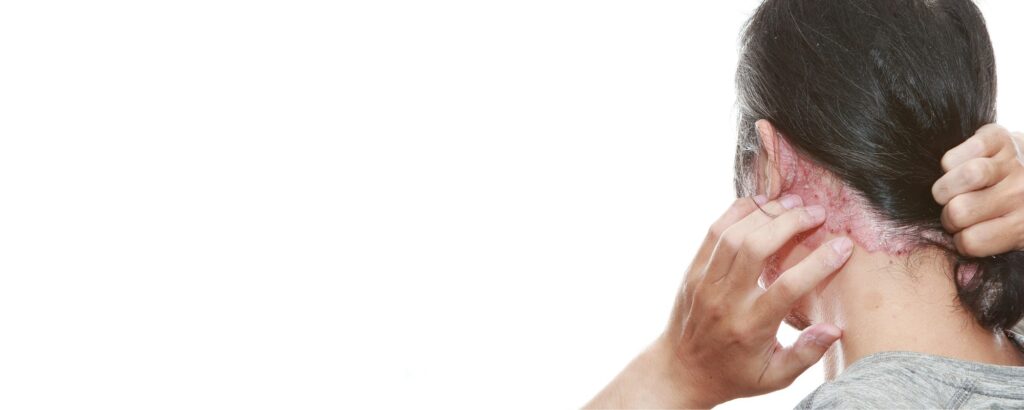
Ayurvedic Treatment for Psoriasis in Sydney
Trusted by 250+ patients in Australia

4.6/5 (Google Reviews)

Holistic Approach Supporting Long-Term Wellbeing

Personalised Ayurvedic Care

In-Clinic Sydney & Telehealth Consultations

30+ years Professional Experience
Supporting Healthier, More Comfortable Skin
Personalised Ayurvedic care to support skin health and overall wellbeing for people living with psoriasis.
Expert Ayurvedic guidance from Raman Das Mahatyagi — ATMS Fellow with 30+ years of professional experience. Consultations are available at our Gordon clinic in Sydney and by telehealth Australia-wide.
Quick Answer
Psoriasis is a chronic immune-mediated skin condition in which skin cells build up more rapidly than usual, producing thickened, scaly plaques that may be itchy, inflamed or sore. It commonly affects the elbows, knees, scalp and trunk, although other areas can also be affected.
In Ayurveda, psoriasis-like skin conditions are traditionally considered within the broader category of Kushtha. An Ayurvedic assessment looks at the individual’s dosha pattern together with factors such as digestion (Agni), Ama, diet, lifestyle, stress and overall wellbeing.
Ayurvedic care is personalised and may include traditional herbal formulations, dietary and lifestyle guidance, yoga and stress-management practices according to individual needs.
Free 10-minute consultation
 1300 552 260
 WhatsApp
  Book online
What Is Psoriasis?
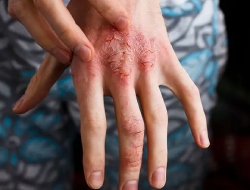
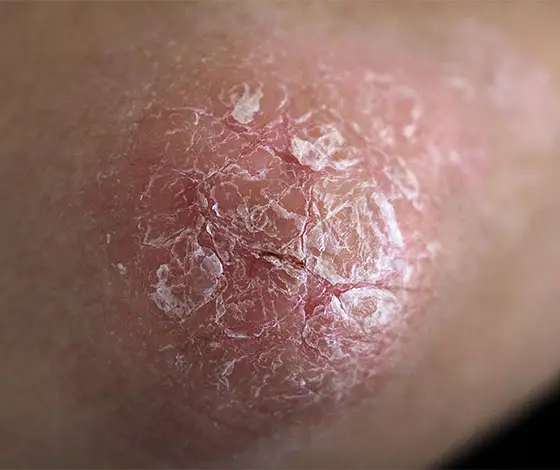
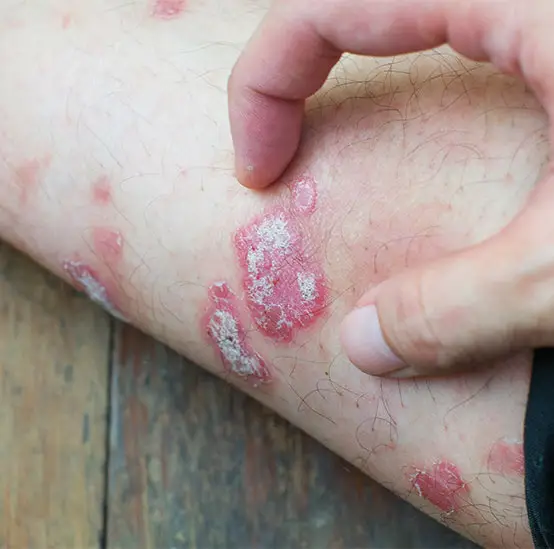
Psoriasis is a chronic immune-mediated condition that primarily affects the skin. It causes skin cells to build up more rapidly than usual, producing areas of thickened, scaly skin known as plaques. These areas may be itchy, irritated or sore and can sometimes crack or bleed.
Psoriasis can affect many parts of the body but commonly occurs on the elbows, knees, trunk and scalp. It can also affect the nails.
Some people with psoriasis develop psoriatic arthritis, an inflammatory condition that can cause joint pain, stiffness and swelling.
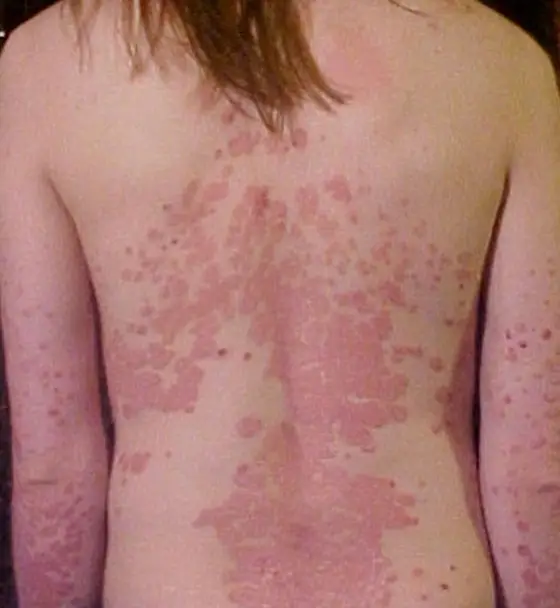
What Are the Common Symptoms of Psoriasis?
Psoriasis can present differently from person to person. Common signs and symptoms may include:
- Thick, scaly, shiny plaques
- Red or inflamed areas
- Itchiness (mild to severe; some have no itching at all)
- Skin peeling and flaking
- Cracking or bleeding
- Pustules in some forms of psoriasis
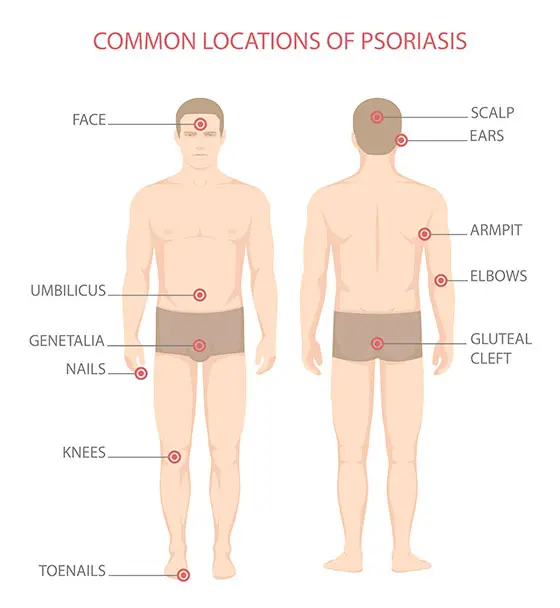
What Parts of the Body Can Be Affected by Psoriasis?
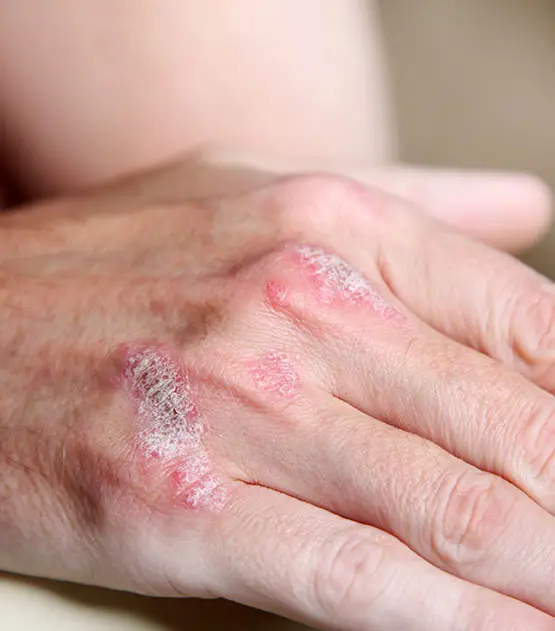
Psoriasis can affect many areas of the body, including the elbows, knees, trunk, scalp, hands, feet and nails.
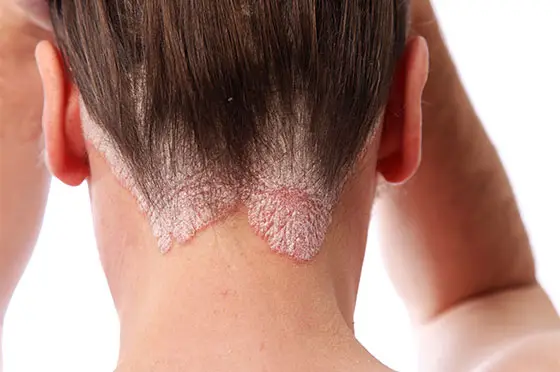
Scalp psoriasis can be particularly uncomfortable and may also be difficult to manage because hair can make the application of topical treatments more challenging. Because the scalp is highly visible, psoriasis in this area can also have a significant effect on self-confidence and emotional wellbeing.
Psoriasis affecting the nails may cause changes such as pitting, thickening, discolouration or separation of the nail from the nail bed.
What Is the Ayurvedic Perspective on Psoriasis?
In Sanskrit, psoriasis-like skin presentations are traditionally considered within the broader category of Kushtha (skin disorders). Classical Ayurvedic descriptions include conditions such as Ekakushtha and Kitibha, which share some characteristics with psoriasis.
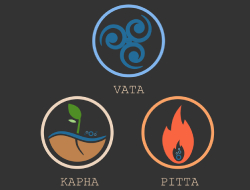
From an Ayurvedic perspective, the appearance of the skin is assessed according to the qualities of the Doshas involved. Kapha may contribute qualities such as thickness and accumulation, Pitta may contribute redness, heat and inflammation, while Vata may contribute dryness, roughness, flaking and cracking.
More than one Dosha may be involved, and the relative influence of Vata, Pitta and Kapha can vary considerably between individuals. This is one reason Ayurvedic care is personalised rather than based solely on the medical diagnosis of psoriasis.
How May the Doshas Influence a Psoriasis-Like Presentation?
From an Ayurvedic perspective, different doshas may contribute different qualities to a psoriasis-like presentation.
Pitta
Pitta is associated with heat, redness and inflammation. When Pitta qualities are prominent, affected skin may appear particularly red, irritated or inflamed and may bleed more easily when scratched.
Kapha
Kapha is associated with heaviness, thickness and accumulation. When Kapha qualities are prominent, plaques may appear thicker or more established.
Vata
Vata is associated with dryness, roughness and cracking. When Vata qualities are prominent, affected skin may become particularly dry, flaky, rough or cracked.
In many cases, more than one Dosha may be involved.
What Dosha Type Is More Likely to Develop Psoriasis?
A Kapha type person is most likely to develop psoriasis. Although any type of person can be affected.
According to Ayurveda, this type of skin condition begins with an aggravation of Kapha Dosha. It is more serious when a Kapha-type person is affected due to a Kapha aggravation.
When Pitta Dosha becomes aggravated, the psoriasis looks very aggressive. However, it is less serious than when it is due to a Kapha aggravation.
As psoriasis becomes more chronic, more Doshas become aggravated.
The Vata Dosha becomes aggravated when the psoriasis becomes more chronic. When Vata becomes aggravated, psoriasis becomes more difficult to treat because it dries out the skin’s natural oils.
What Does Ayurveda Consider When Looking at Psoriasis?
Ayurveda traditionally considers a wide range of factors when assessing chronic skin conditions. These may include an individual’s constitution, current dosha pattern, digestion (Agni), accumulation of Ama, diet, lifestyle, stress, sleep and emotional wellbeing.
Ayurvedic philosophy also includes the concept of karma as part of a broader understanding of a person’s life experiences and circumstances. In Ayurveda, we believe that you can either be born with psoriasis or develop it later on in life. Either way, we believe that it is due to karma unfolding in this life. Karma is a traditional spiritual and philosophical concept and should not be confused with the medical or genetic causes of psoriasis.
From a modern medical perspective, psoriasis is understood to involve a combination of immune, genetic and environmental factors.
Ayurvedic care focuses on understanding the individual’s overall pattern and developing dietary, lifestyle and traditional Ayurvedic recommendations accordingly.
Ama and the Ayurvedic Concept of Elimination
In Ayurveda, Ama is a traditional concept associated with incomplete digestion and metabolism. It is considered when assessing the functioning of Agni and the body’s channels, or Srotas.
When working with chronic skin concerns, an Ayurvedic assessment may therefore consider digestion, appetite, bowel function, diet and other lifestyle factors alongside the person’s Dosha pattern.
These concepts form part of the traditional Ayurvedic model and are different from the biomedical understanding of psoriasis.
In Ayurveda Why Do Psoriasis-like Symptoms Occur?
The main reason is due to Dosha aggravation.
Symptoms begin to manifest when ama accumulates in the body. The body has difficulty eliminating these wastes.
Is There a Connection Between Psoriasis and Stress?
Stress and psoriasis can influence one another. Some people notice that periods of emotional or physical stress are associated with worsening psoriasis or flare-ups.
At the same time, living with a visible or uncomfortable chronic skin condition can itself contribute to stress, frustration and reduced emotional wellbeing.
For this reason, stress management may form part of a broader psoriasis-management plan. From an Ayurvedic perspective, this may include attention to daily routine, sleep, yoga, breathing practices, meditation and other appropriate wellbeing practices.
Why Psoriasis Usually Gets Worse in Winter
Winter can be a particularly challenging time for some people with psoriasis. Reduced sunlight, colder temperatures, dry air and indoor heating can all contribute to increased skin dryness and irritation.
From an Ayurvedic perspective, winter can also increase dry and rough Vata qualities, which may contribute to flaking, roughness and cracking.
Helpful skin-care measures may include avoiding very hot showers, using an appropriate moisturiser or oil after bathing and protecting the skin from excessive dryness. Sensible sun exposure may also be helpful for some people, although excessive UV exposure should always be avoided.
If your psoriasis tends to worsen each winter, an Ayurvedic assessment may also consider seasonal changes to your diet, lifestyle and daily routine.
Why Is Appropriate Psoriasis Management Important?
Psoriasis varies considerably in severity. For some people it remains relatively limited, while for others it can significantly affect comfort, sleep, confidence and quality of life.
People with psoriasis can also have an increased likelihood of developing other health conditions, including psoriatic arthritis. New joint pain, swelling or stiffness should therefore be discussed with a medical practitioner.
Severe, rapidly worsening, widespread or painful psoriasis, or skin showing signs of infection, should also receive appropriate medical assessment.
Ayurvedic care may form part of a broader wellbeing approach, but it should not replace medical assessment when significant complications or new symptoms occur.
Living with chronic psoriasis flares? Learn more about Yatan’s personalised Ayurvedic approach with principal practitioner Raman Das Mahatyagi
Call Now for Free 10 Minute Consultation
Ayurvedic Herbs Traditionally Used in Skin Care
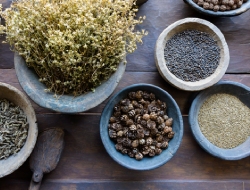
Ayurveda traditionally uses a wide range of herbs and herbal formulations when supporting people with different skin presentations. The selection of herbs depends on the individual’s constitution, current Dosha pattern, digestion and other health considerations.
Ayurvedic herbs should not be self-prescribed for psoriasis. Herb selection and dosage should take into account individual circumstances, including medicines and supplements already being used.
Bakuchi (Psoralea corylifolia)
Bakuchi has a long history of traditional Ayurvedic use in preparations associated with skin care. It naturally contains compounds known as psoralens and should therefore be used carefully under professional guidance.
Manjistha (Rubia cordifolia)
Foundational purifying herb specifically indicated in classical texts for Kushtha. Cools Pitta and clears ama.
Khadira (Acacia catechu)
Khadira is traditionally described in Ayurveda as having astringent and cooling qualities and has a longstanding place in classical Ayurvedic approaches to skin health.
Guggulu (Commiphora mukul)
Guggulu is used in a variety of traditional Ayurvedic formulations and may be selected according to the individual’s Dosha pattern and overall presentation.
Sariva (Hemidesmus indicus)
Sariva is traditionally regarded as cooling and Pitta-balancing and is used in Ayurvedic formulations associated with skin and general wellbeing.
Triphala (Three-fruit blend)
Triphala is a traditional Ayurvedic formulation made from three fruits and is commonly used within Ayurveda to support digestion and elimination.
What Is Our Approach to Psoriasis?
Ayurvedic care is individualised. Two people with the same medical diagnosis may have quite different Ayurvedic patterns and may therefore receive different recommendations.
At Yatan Holistic Ayurvedic Centre, an assessment considers your constitution and current Dosha pattern together with your skin presentation, digestion, appetite, diet, lifestyle, sleep, stress and other relevant health factors.
Based on this assessment, a personalised Ayurvedic plan may include dietary and lifestyle guidance, custom Ayurvedic herbal formulations and appropriate yoga, breathing or stress-management practices.
The plan may be adjusted over time as your needs and overall presentation change.
Ayurvedic Care for Long-Standing Psoriasis
When psoriasis has been present for many years, an Ayurvedic assessment considers more than the visible skin presentation.
Factors such as chronic dryness, sleep, stress, digestion, diet, lifestyle, general health and the involvement of different Doshas may all be taken into consideration.
The aim is to develop a practical longer-term Ayurvedic wellbeing plan that can be reviewed and adjusted according to the individual’s changing needs.
Ayurvedic Dietary Guidance for Psoriasis
Diet is an important consideration in Ayurveda, but dietary recommendations are personalised rather than identical for everyone with psoriasis.
An Ayurvedic assessment may consider your constitution, current Dosha pattern, digestion, appetite, eating habits and how particular foods affect you.
Depending on the individual’s Ayurvedic presentation, temporary dietary changes may be recommended. These may include reducing foods considered excessively heating, heavy, sour or otherwise aggravating according to Ayurvedic principles.
If you have a medically diagnosed food allergy or intolerance, this should also be taken into account.
The aim is to develop a practical and nutritionally balanced eating pattern that supports general health while taking your individual Ayurvedic needs into consideration.
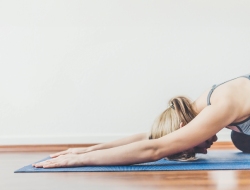
Yoga as Part of Ayurvedic Care
Yoga may be incorporated into an Ayurvedic wellbeing plan to support movement, relaxation, body awareness and stress management.
At Yatan Holistic Ayurvedic Centre, yoga practices can be adapted according to the individual’s needs, physical capacity and overall health.
Depending on the person, recommendations may include gentle postures, breathing practices, relaxation techniques or meditation.
Stress Management and Psoriasis
Stress can contribute to psoriasis flare-ups in some people, while living with chronic psoriasis can itself be stressful.
For this reason, stress management may form an important part of an individual Ayurvedic wellbeing plan.
Depending on your needs, this may include yoga, breathing practices, meditation, Mudra, relaxation techniques and lifestyle changes.
For people who find prayer or spiritual practice personally meaningful, this may also provide a valuable source of calm and emotional support.
Can Ayurvedic Care Be Used Alongside Conventional Psoriasis Treatment?
Ayurvedic care and conventional medical treatment approach psoriasis from different perspectives.
Conventional psoriasis management may include topical treatments, phototherapy, oral medicines or biologic therapies depending on the type and severity of psoriasis and the individual’s medical circumstances.
Ayurvedic care takes a traditional whole-person approach and may consider diet, lifestyle, digestion, stress, Dosha patterns and other aspects of general wellbeing.
These approaches do not necessarily have to be mutually exclusive. If you are receiving conventional treatment, tell your Ayurvedic practitioner about all medicines and supplements you are taking.
Do not stop or change prescribed psoriasis medication without discussing this with the healthcare professional responsible for your medical treatment.
Ayurvedic Approach
- Treats psoriasis as a symptom of dosha imbalance & ama
- Investigates karma, stress, diet, digestion, doshas
- Personalised herbs for your dosha
- Treats body, mind & spirit holistically
Western Medical Approach
- Primarily treats the visible skin/joint symptoms
- Focuses on the affected skin area
- Topical steroids, biologics, immunosuppressants
- Symptomatic medication; light therapy
Our Ayurvedic Approach: Step by Step
1 Ayurvedic Assessment
We assess your constitution, current Dosha pattern, skin presentation, digestion, lifestyle and other relevant factors..
2 Lifestyle & Diet Guidance
Personalised dietary and lifestyle recommendations may be provided according to your Ayurvedic assessment.
3 Personalised Ayurvedic Herbal Formulations
Where appropriate, customised Ayurvedic herbal formulations may be prepared according to your individual needs.
4 Yoga & Wellbeing Practices
Yoga, breathing, relaxation, meditation or other supportive practices may be recommended where appropriate.
Your Ayurvedic plan may be reviewed and modified over time according to changes in your needs and overall presentation.
Can Psoriasis Be Prevented?
Psoriasis is a chronic condition and flare-ups can recur. It may not always be possible to prevent future episodes completely.
Identifying individual triggers, following appropriate medical care and maintaining supportive lifestyle habits may help some people manage psoriasis over time.
From an Ayurvedic perspective, longer-term care may also consider seasonal changes, diet, digestion, stress and maintenance of an individual’s Dosha balance.
How Long Does Ayurvedic Care for Psoriasis Take?
There is no single timeframe that applies to everyone. Psoriasis varies considerably in severity, duration, location and response to different approaches.
The duration of Ayurvedic care will therefore depend on your individual circumstances and how your needs change over time. Your progress can be reviewed during follow-up consultations and your Ayurvedic plan adjusted where appropriate.
If your psoriasis suddenly becomes significantly worse, widespread, painful or infected, or you develop new joint pain or swelling, seek appropriate medical advice.
A Psoriasis Case from Raman Das Mahatyagi’s Early Practice
The following account is Raman Das Mahatyagi’s recollection of an individual patient he worked with during his early years practising Ayurveda in Nepal. It describes one person’s experience and should not be interpreted as a prediction of results for others.
“One of my most memorable psoriasis patients was a homeopathic doctor from Germany who came to Nepal with very extensive and distressing skin symptoms. He described severe itching across much of his body, considerable flaking and very red skin, particularly on his face. The symptoms were also affecting his sleep and emotional wellbeing.”
“He told me that he had previously tried a number of different approaches to manage his psoriasis but remained very troubled by his symptoms.”
“One night, while feeling particularly distressed about his condition, he had a dream in which he felt he should travel to Nepal. His wife supported the idea, and together they travelled to Kathmandu without knowing exactly where they would seek help.”
“By coincidence, they arrived around the time I was opening my clinic in Kathmandu. While walking through the area, he noticed the clinic and felt that he wanted to come in for a consultation.”
“After discussing his health history and assessing his symptoms and Ayurvedic Dosha pattern, I explained that I would prefer him to remain in Nepal for approximately one month so that I could work with him closely.”
“During that period, his Ayurvedic plan included a simple vegetarian diet, personalised Ayurvedic herbal formulations, yoga and stress-management practices. His progress was reviewed while he remained in Kathmandu.”
“He reported that during the first few weeks his itching and flaking became more manageable and that he was sleeping more comfortably. By the latter part of his stay, he felt well enough to spend more time exploring Kathmandu.”
“After approximately one month, he returned to Germany. We remained in contact and I continued to provide Ayurvedic guidance and formulations according to his changing needs.”
“Over the following year, he reported substantial improvement in his symptoms and felt that he was managing his psoriasis much more comfortably. This case has remained memorable to me because of the unusual circumstances that brought him to my clinic and the commitment he gave to his Ayurvedic program”
– Raman Das Mahatyagi, Founder and Principal Ayurvedic Practitioner of Yatan Holistic Ayurvedic Centre
Note: Individual experiences vary. Psoriasis is a chronic condition and outcomes cannot be guaranteed. Ayurvedic care should not replace appropriate medical assessment or prescribed treatment.
Meet Your Practitioner — Raman Das Mahatyagi
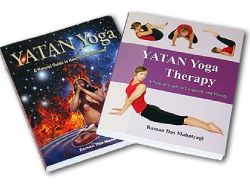
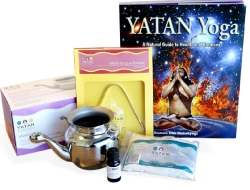
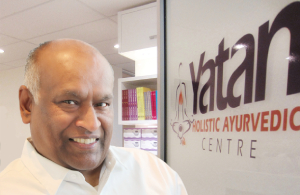
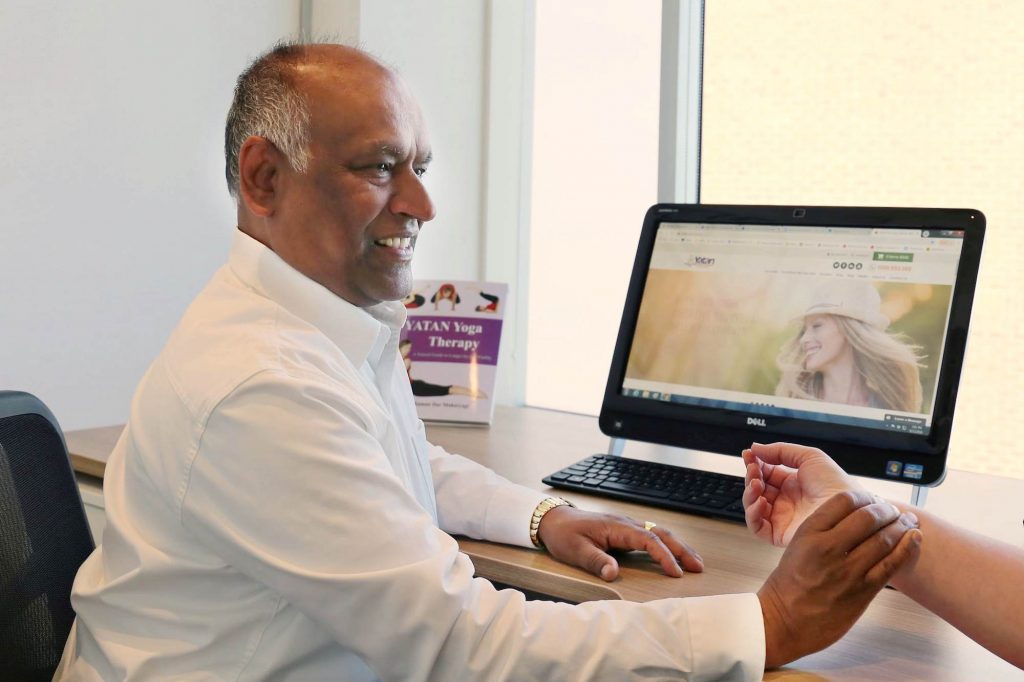
Raman Das Mahatyagi is the principal Ayurvedic practitioner at Yatan Holistic Ayurvedic Centre. He has more than 30 years of professional experience and has been practising in Sydney since 2000, after previously establishing an Ayurvedic practice in Nepal. He is also the author of YATAN Yoga and YATAN Yoga Therapy and is an ATMS Fellow. His approach combines traditional Ayurvedic assessment with personalised dietary, lifestyle and wellbeing guidance.
Cost of Ayurvedic Care
The cost of the Ayurvedic treatment for psoriasis depends on each individual case. Just like the length of treatment varies between cases, so does the cost of treatment.
Free 10-Minute Phone/Video Consultation
FREE
Initial Ayurvedic Consultation (60 min)
$139 AUD
Standard Follow-up (30 min)
$81 AUD
Short Follow-up (15 min)
$51 AUD
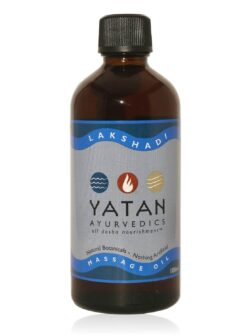
Lakshadi Massage Oil 100ml (topical)
$37.95 AUD
Customised herbal formulations
Varies by prescription
Prices current as at August 2026.
Yatan Ayurvedic Oils for Skin Care
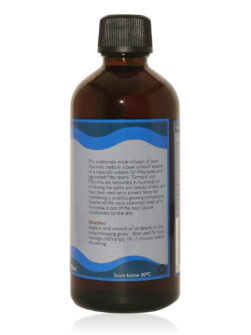
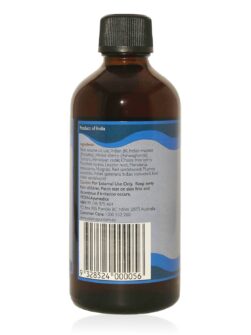
Lakshadi Massage Oil 100ml — $37.95
Lakshadi Massage Oil is a traditional Ayurvedic body oil formulated for massage and everyday skin care.
In Ayurvedic tradition, Lakshadi oil is associated with cooling and Pitta-balancing qualities and may be incorporated into an Ayurvedic body-care routine according to individual needs.
If you have psoriasis or another diagnosed skin condition, seek appropriate advice before introducing a new topical product, particularly if the skin is inflamed, cracked or sensitive.
Frequently Asked Questions
Q: What is psoriasis in Ayurveda?
A: In Ayurveda, psoriasis is classified as a type of Kushtha (skin disorder). Specific psoriasis-like presentations are described as Ekakushtha (single, thickened plaques) and Kitibha (rough, scaly skin resembling tortoise shell). It is fundamentally a Kapha-dominant dosha imbalance with toxin (ama) accumulation, often complicated by Pitta aggravation (when red and inflamed) and Vata aggravation (when dry, cracking and chronic).
Q: Can Ayurveda cure psoriasis permanently?
A: Psoriasis is a chronic condition that can recur, so it is not appropriate to promise a permanent cure. Ayurvedic care is personalised and may include herbal, dietary, lifestyle and wellbeing guidance according to the individual’s Ayurvedic assessment.
Q: Why is my psoriasis worse in winter?
A: Some people find psoriasis more difficult to manage during winter. Reduced sunlight, cold dry air and indoor heating may contribute to increased dryness, cracking and discomfort. From an Ayurvedic perspective, the dry and rough qualities associated with Vata may also become more prominent during cooler weather.
Q: How is psoriasis different from eczema?
A: Both involve itchy, flaky skin and can be mistaken for each other. Key differences: psoriasis plaques are thicker, shinier, and form more defined scales (often silvery), while eczema is typically more rash-like with weeping lesions. Psoriasis is autoimmune and Kapha-dominant in Ayurveda; eczema is typically Pitta-dominant. Psoriasis can affect nails and joints (psoriatic arthritis); eczema usually doesn’t.
Q: Is psoriasis an autoimmune disease?
A: Psoriasis is generally described as a chronic immune-mediated inflammatory condition. In Ayurveda, psoriasis-like presentations are interpreted through a different traditional framework involving Doshas, Agni, Ama and other individual factors.
Q: Which foods should I avoid if I have psoriasis?
A: Avoid acidic foods (meat, beef, tomato, citrus), potential allergic/heating foods (eggs, strawberries), Kapha-producing foods (milk and dairy), and especially seafood — which is a very potent psoriasis trigger. Excess alcohol and acidic drinks should also be avoided. Specific foods depend on your individual dosha pattern, allergies, and intolerances.
Q: How long does Ayurvedic psoriasis treatment take?
A: There is no standard timeframe. Psoriasis and individual responses vary considerably, so the duration of Ayurvedic care depends on the person’s circumstances and changing needs.
Q: Is Ayurvedic psoriasis treatment safe with children?
A: Ayurvedic care for children should be individually assessed, with any herbs, formulations or other recommendations chosen appropriately for the child’s age, health and circumstances. Children with psoriasis should also receive appropriate medical assessment and care.
Q: Do you offer telehealth consultations for psoriasis?
A: Yes. Yatan Holistic Ayurvedic Centre offers telehealth consultations throughout Australia and internationally. Photographs may be useful when discussing the skin presentation during a remote consultation, together with a broader Ayurvedic assessment of the individual’s health, diet, lifestyle and Dosha pattern.
Q: How much does Ayurvedic psoriasis treatment cost in Australia?
A: At Yatan Ayurveda, the initial consultation is $139 AUD (60 minutes). Standard follow-up is $81 (30 minutes). Lakshadi Massage Oil is $37.95. Customised herbal preparations are an additional cost based on your prescription and dosha pattern. Total treatment cost varies by severity, chronicity, and treatment duration — contact 1300 552 260 for a personalised estimate.
Book your free 10-minute consultation
Discover how personalised Ayurvedic care can help calm your psoriasis naturally. Individual results vary. Personalised treatment from Sydney’s Raman Das.
 Suite 28, 924 Pacific Highway, Gordon NSW 2072
  Available Australia-wide & internationally
 More Psoriasis Resources
For further psoriasis information, please visit our other blog posts:
Important
Ayurvedic care may complement, but should not replace, appropriate medical assessment and treatment for psoriasis. Do not stop or change prescribed medication without discussing this with the healthcare professional responsible for your treatment.
Seek medical advice if psoriasis suddenly becomes significantly worse, shows signs of infection, or is accompanied by persistent joint pain, swelling or stiffness.
Reviewed and updated by Raman Das Mahatyagi, Principal Ayurvedic Practitioner (ATMS Fellow, 2026-27) | Last updated: 5 August 2026