







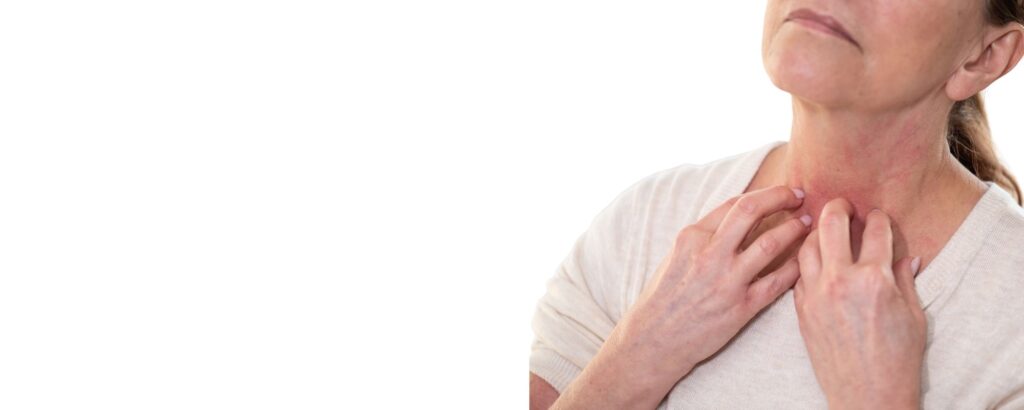
Ayurvedic Support for Eczema & Dermatitis in Sydney
Trusted by 250+ patients in Australia

4.6/5 (Google Reviews)

Holistic Approach Supporting Long-Term Wellbeing

Personalised Ayurvedic Care

In-Clinic Sydney & Telehealth Consultations

30+ Years Professional Experience
Support Healthier, More Comfortable Skin
Personalised Ayurvedic care to support skin health and wellbeing while addressing the individual factors that may contribute to eczema symptoms.
Expert Ayurvedic guidance from Raman Das Mahatyagi — ATMS Fellow with 30+ years of professional experience. Consultations are available at our Gordon clinic in Sydney and by telehealth Australia-wide.
Quick Answer
Eczema, also known as atopic dermatitis, is a chronic inflammatory skin condition that commonly causes dry, itchy, red, flaky or irritated skin. Dermatitis is a broader term describing inflammation of the skin, of which eczema is one form.
In Ayurveda, eczema-like skin conditions are traditionally described under Vicharchika. From an Ayurvedic perspective, they may involve imbalances in the doshas—particularly Pitta, often together with Vata or Kapha—as well as Agni (digestive function) and the accumulation of Ama.
Ayurvedic care is therefore individualised and may include dietary and lifestyle guidance, traditionally used herbal preparations and topical oils and creams, according to the person’s particular Ayurvedic pattern.
Free 10-minute consultation
 1300 552 260
 WhatsApp
  Book online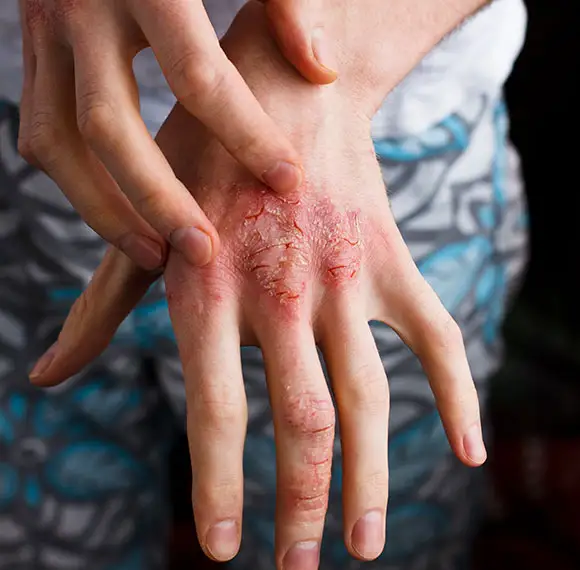
What Is Eczema?
Eczema, particularly atopic dermatitis, is a chronic inflammatory skin condition associated with an impaired skin barrier and changes in the body’s immune response. Genetics and environmental factors can also influence its development and flare-ups.
It commonly causes dry, itchy, inflamed, cracked or flaky skin. In more severe cases, affected areas may weep, crust or become infected.
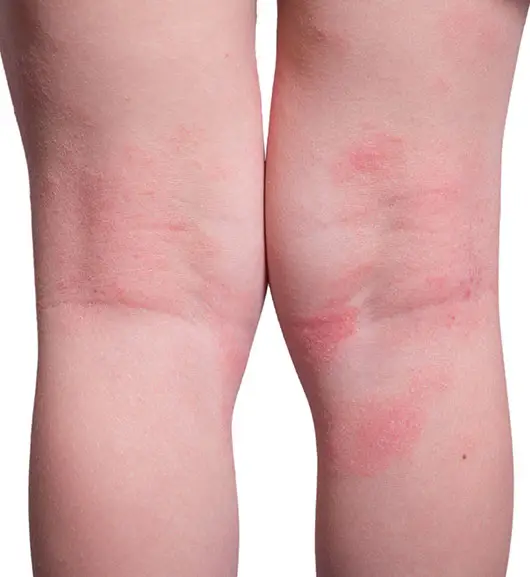
Eczema can occur anywhere on the body, although certain areas are particularly common depending on a person’s age. It frequently affects the face, hands, elbows, wrists and the folds behind the knees.
Although eczema is particularly common in children, it can occur at any age. It is not contagious and cannot be passed from one person to another. Staphylococcus aureus is commonly found on eczema-affected skin, and an overgrowth of this bacteria is strongly associated with triggering and worsening flare-ups. This is why keeping the skin clean and well-moisturised is an important part of managing the condition.
What Are the Common Symptoms of Eczema?
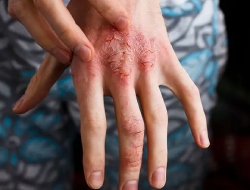
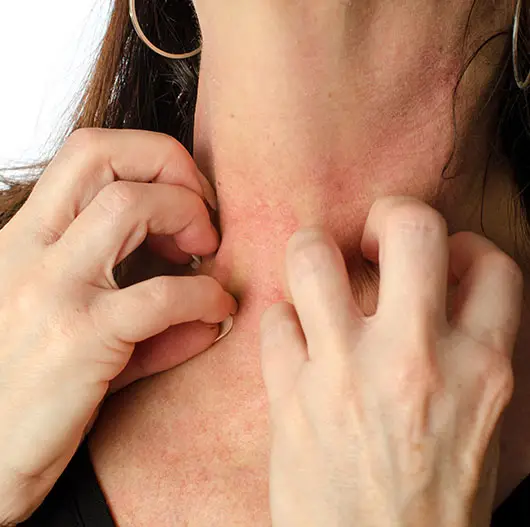
The most common symptoms of eczema are red, dry, flaky and itchy skin.
In mild eczema, the skin is only dry and flaky. There is no pain, pus or bleeding.
In more severe eczema, repeated scratching can cause the skin to crack or bleed. Broken skin can also increase the risk of infection, which may cause increased redness, pain, crusting, weeping or pus.
Complete Symptom List
- Red, dry, flaky skin
- Intense itching (pruritus)
- Cracked or fissured skin
- In severe cases: bleeding, oozing pus, crusting
- Skin discolouration after healing
- Burning sensation
- Water-filled blisters (in dyshidrotic eczema)
What Are the Different Types of Eczema and How Do They Differ?
Eczema is not a single condition but a group of inflammatory skin conditions with different causes, triggers, and patterns. Although many types share symptoms such as itching, dryness and inflammation, they can differ in where they appear, what triggers them and how the skin looks and feels.
Identifying the particular type of eczema can be important because the underlying factors and appropriate management may differ. Some forms are associated with allergies or irritants, while others are linked with factors such as poor circulation or increased oil production in the skin.
The Different Types of Eczema
Atopic Dermatitis
Atopic dermatitis is the most common form of eczema. It often begins in childhood but can also continue into or first appear in adulthood. It typically causes dry, itchy and inflamed skin, with symptoms that may come and go in flare-ups.
Atopic dermatitis is more common in people who have, or have a family history of, other allergic conditions such as asthma and hay fever.
Contact Dermatitis
Contact dermatitis occurs when the skin reacts to something it comes into contact with. It may be caused by an irritant, such as soaps or chemicals, or by an allergic reaction to substances such as nickel, fragrances or certain plants.
The rash commonly develops where the skin has been exposed to the trigger, although allergic contact dermatitis can sometimes extend beyond the original area of contact.
Dyshidrotic Eczema
Dyshidrotic eczema mainly affects the hands, fingers and feet. It typically causes clusters of small, intensely itchy, fluid-filled blisters.
As the blisters heal, the skin may become dry, cracked or flaky. Repeated flare-ups can occur, and broken skin may sometimes become infected
Nummular Eczema
Nummular eczema causes distinctive round or coin-shaped patches of inflamed skin, commonly appearing on the arms, legs or torso.
The patches may be dry, scaly and itchy, and can sometimes become crusted or weep fluid.
Seborrhoeic Dermatitis
Seborrhoeic dermatitis mainly affects areas of the body where the skin naturally produces more oil, particularly the scalp, face and upper body.
It commonly causes flaky or scaly patches that may appear oily and can also be itchy or inflamed. On the scalp it may cause dandruff, while in babies it is commonly known as cradle cap.
Stasis Dermatitis
Stasis dermatitis usually affects the lower legs and is associated with poor blood circulation, particularly venous insufficiency or varicose veins.
The skin may become itchy, dry, swollen or discoloured and, over time, may become more fragile or develop sores. Because it is related to an underlying circulation problem, medical assessment and appropriate management are important.
What Causes Eczema and Who Is More at Risk?
Eczema does not usually have a single cause. It is thought to develop through a combination of genetic factors, changes in the skin barrier, immune-system activity and environmental influences. Eczema triggers vary considerably from person to person. Identifying patterns—such as particular skin products, environmental exposures, stress or other individual triggers—can be an important part of managing the condition.
Some important factors include:
Genetics & Family History
Eczema is more common in people with a personal or family history of eczema, asthma or hay fever, suggesting a strong genetic component.
Irritants & Environmental Triggers
Soaps, detergents, fragrances, chemicals, heat, sweating and changes in temperature can aggravate eczema in some people. Allergens such as dust mites, pollen or pet dander may also contribute to flare-ups in susceptible individuals.
Stress
Emotional stress does not necessarily cause eczema, but it can trigger or worsen symptoms in some people. Stress and itching can also reinforce one another, sometimes creating an itch–scratch cycle that makes a flare-up more difficult to settle.
Skin Barrier Function
People with eczema often have a less effective skin barrier. This allows moisture to escape more easily and makes the skin more vulnerable to dryness and irritation from environmental substances.
How Does Ayurveda Understand Eczema and Similar Skin Conditions?
Ayurveda traditionally discusses eczema-like conditions within the broader category of Kushtha, which encompasses a range of skin disorders. Vicharchika is commonly associated with symptoms resembling eczema.
From an Ayurvedic perspective, skin conditions are rarely viewed as affecting the skin alone. Their development may involve an imbalance of the doshas, together with disturbances in Agni (digestion and metabolism), the formation of Ama, and the health of the body’s tissues and channels.
The particular pattern can differ considerably from one person to another. Ayurveda therefore looks beyond the name of the skin condition to understand how the imbalance is presenting in that individual and what factors may be contributing to it.
This individual pattern forms the basis for selecting appropriate Ayurvedic dietary, lifestyle and therapeutic support.
How Do the Doshas Influence Eczema?
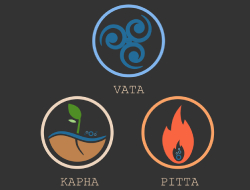
In Ayurveda, the three doshas — Vata, Pitta and Kapha — influence different qualities and functions within the body. When considering eczema, the appearance and symptoms of the skin may provide clues about which doshas are involved.
Pitta Dosha
- Pitta is associated with heat, redness, inflammation, burning and irritation.
- A Pitta-dominant presentation may therefore appear particularly red, hot or inflamed.
Vata Dosha
- Vata is associated with dryness, roughness, cracking and flaking.
- A Vata-dominant presentation may be particularly dry, rough or itchy.
Kapha Dosha
- Kapha is associated with heaviness, moisture and congestion.
- Kapha-dominant presentation may appear thicker, moist or weeping.
Eczema often involves more than one dosha, and the dominant pattern may also change during different stages of a flare-up. For example, the skin may initially appear hot and inflamed (Pitta) but later become increasingly dry and cracked (Vata).
For this reason, Ayurveda does not approach every case of eczema in the same way. Treatment is personalised according to the individual’s dosha pattern, symptoms, constitution and other contributing factors.
How Does Pitta Relate to Eczema?
From an Ayurvedic perspective, Pitta is often involved when eczema presents with redness, heat, inflammation, burning or irritation. However, eczema is not considered a Pitta imbalance in every person. Vata and Kapha may also be involved, and more than one dosha can contribute to the overall pattern.
Ayurveda also recognises that an imbalance may not be distributed evenly throughout the body. For example, a person may have signs of heat and irritation in the skin while experiencing cooler qualities elsewhere.
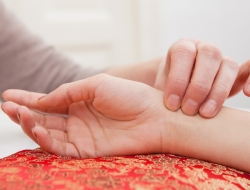
For this reason, Ayurvedic assessment considers the whole pattern rather than the appearance of the skin alone. The person’s constitution, pulse, digestion, lifestyle and other signs are considered when determining which doshas may be involved and how they are understood within the traditional Ayurvedic framework.
Why Your Eczema Is Probably Worse Right Now: The Winter Flare
If your skin has been angrier than usual these past few months, you are in good company. Winter can be a particularly challenging season for people with eczema.: cold dry air and indoor heating pull moisture out of the skin, long hot showers strip its protective oils, and rough winter layers rub on already irritated patches. In Ayurvedic terms, the dry, rough, cold qualities of Vata season aggravate the dryness and cracking, while hot water and heaters add local Pitta heat to inflamed skin. Practical steps that help right now: keep showers short and warm rather than hot, moisturise or apply your prescribed oil within a few minutes of bathing, wear soft cotton against the skin, use a humidifier or a bowl of water near heaters, and stay ahead of the itch rather than chasing it. If winter flares tend to occur each year, an Ayurvedic assessment may also consider your individual dosha pattern, skin tendencies, diet and lifestyle when developing a longer-term wellbeing plan.
What Factors May Aggravate Eczema from an Ayurvedic Perspective?
From an Ayurvedic perspective, eczema-like skin conditions may be influenced by a range of dietary, digestive, emotional, environmental and lifestyle factors. The factors involved can vary considerably from one person to another.
Ayurveda may consider:
- Diet and digestion — foods that aggravate an individual’s dosha balance, irregular eating habits or impaired Agni (digestive function).
- Ama — the traditional Ayurvedic concept associated with incomplete digestion and metabolic imbalance.
- Stress and emotional strain — which may disturb the doshas and contribute to skin flare-ups in some individuals.
- Sleep and daily routine — inadequate sleep and irregular routines may affect overall dosha balance.
- Climate and seasons — heat may aggravate Pitta qualities, while cold and dry conditions may increase Vata-related dryness.
- Lifestyle and environment — excessive heat, sweating and other individual exposures may influence the skin.
Ayurveda therefore looks for patterns and individual triggers rather than assuming the same factors are responsible for everyone’s eczema. These observations help guide personalised dietary and lifestyle recommendations.
Struggling with eczema flare-ups? Discover natural Ayurvedic relief from Sydney’s Raman Das.
Call Now for Free 10 Minute Consultation
 1300 552 260
 WhatsApp
  Book online
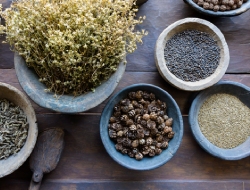
Ayurvedic Herbs Traditionally Used for Skin Health
Ayurveda uses a wide range of herbs as part of individualised care for skin concerns. Some examples are given below. The choice of herbs, combinations and dosage depends on the person’s constitution, dosha pattern and other individual factors. Ayurvedic herbs should not be self-prescribed, particularly if you are taking medications or have other health conditions.
Manjistha (Rubia cordifolia)
Foundational blood-purifying herb specifically indicated in classical texts for Vicharchika and other Kushtha. Cools Pitta and clears ama from the bloodstream.
Turmeric / Haridra (Curcuma longa)
Haridra has a long history of traditional Ayurvedic use and may be incorporated into formulations selected according to the individual’s dosha pattern and needs.
Khadira (Acacia catechu)
Classical herb for chronic skin disorders. Astringent, cooling, and detoxifying.
Sariva (Hemidesmus indicus)
“Indian sarsaparilla” — classical blood purifier and Pitta-pacifying herb used in Ayurvedic formulations for Kushtha and other skin concerns.
Triphala (Three-fruit blend)
Gentle daily detoxifier. Supports digestion and elimination – weak Agni and ama accumulation.
What Does Ayurvedic Care for Eczema Involve?
Ayurvedic care is personalised according to the individual’s constitution, dosha pattern, symptoms, digestion, diet, lifestyle and other relevant factors.
Depending on the individual assessment, Ayurvedic support may include:
- Personalised dietary guidance
- Lifestyle and stress-management recommendations
- Yoga, breathing and relaxation practices
- Custom Ayurvedic herbal preparations
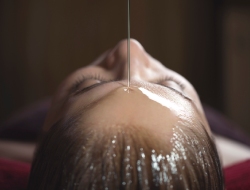
- Ayurvedic oils or other topical preparations
- Assessment of dosha balance, Agni and other Ayurvedic factors
The combination of approaches recommended will vary from person to person according to their individual Ayurvedic presentation.
Dietary Guidance for Eczema from an Ayurvedic Perspective
Dietary recommendations are individualised according to the person’s Ayurvedic constitution, current dosha imbalance, digestion and observed food triggers. In some Pitta-dominant presentations, for example, an Ayurvedic practitioner may recommend temporarily reducing certain sour, acidic, spicy or heating foods. Foods may later be reintroduced where appropriate according to the individual’s response.
Yoga and Lifestyle Support
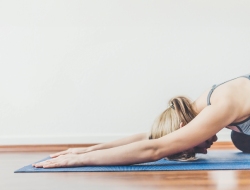
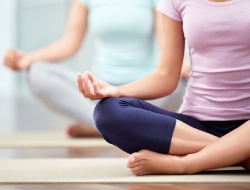
Stress can be an important consideration for some people living with eczema. Where appropriate, practices such as gentle yoga, breathing exercises and relaxation may be incorporated into an individual’s broader Ayurvedic wellbeing plan.
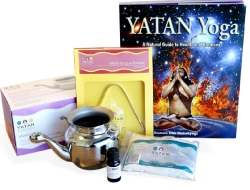
Depending on the person, practices may include Yoga Mudra, Ujjayi Pranayama and selected YATAN Yoga techniques.
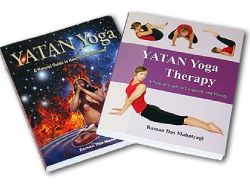
Please refer to our YATAN Yoga Therapy book for more on yoga as therapy.
How Can Ayurvedic Care Complement Conventional Eczema Management?
Conventional eczema management focuses on maintaining the skin barrier, reducing inflammation, identifying triggers, managing flare-ups and treating complications such as infection when necessary.
Ayurveda approaches the individual from a different traditional framework. In addition to the skin itself, an Ayurvedic assessment may consider dosha balance, digestion, diet, stress, sleep and lifestyle. Recommendations are then personalised according to the individual’s Ayurvedic presentation.
These approaches do not necessarily need to be viewed as alternatives. Ayurvedic care may be used as a complementary approach alongside appropriate medical care. People using prescribed eczema medications should discuss any changes with their doctor.
Why Consider an Ayurvedic Approach to Eczema?
One of the distinctive features of Ayurveda is its whole-person approach. Rather than considering the skin in isolation, an Ayurvedic consultation may explore digestion, diet, bowel function, stress, sleep, lifestyle and dosha balance.
The aim is to develop an individualised plan that supports both skin health and general wellbeing.
Dietary Considerations for Eczema from an Ayurvedic Perspective
Ayurvedic dietary recommendations for eczema are personalised according to the individual’s constitution, dosha pattern, digestion and observed food triggers. There is no single diet that is appropriate for everyone with eczema.
In a Pitta-dominant presentation, for example, an Ayurvedic practitioner may recommend reducing excessive amounts of foods considered heating, sour, salty or highly processed. Depending on the individual, this may include certain fermented foods, alcohol, very spicy foods and particular sour / citrus fruits.
Cooling and nourishing foods may also be recommended according to the person’s constitution and digestion.
Rather than unnecessarily eliminating large groups of foods, dietary recommendations should be tailored to the individual and reviewed according to their response.
Foods That May Be Considered from an Ayurvedic Perspective
Cooling, Pitta-pacifying foods:
- Cooling foods — cucumber, coriander, fennel, mint, coconut
- Sweet juicy fruits — pears, sweet apples, grapes, ripe melons
- Leafy greens (cooked) — spinach, kale, silverbeet
- Whole grains — basmati rice, quinoa, oats, barley
- Healthy fats — ghee (in moderation), coconut oil
- Bitter vegetables — bitter gourd, fenugreek leaves (support Pitta balance)
- Hydration — warm water, coriander tea, fennel tea
NOTE: It is important to remember that what may work for one person may not work for others and vice-versa. It’s always a good idea to speak with an Ayurvedic practitioner before attempting any new remedies.
How Long Does Ayurvedic Support for Eczema Take?
There is no standard timeframe because every person’s eczema, general health and Ayurvedic presentation are different. Some people may notice changes relatively early, while longer-standing or more complex concerns may require ongoing support.
Your progress can be reviewed during follow-up consultations and your Ayurvedic recommendations adjusted according to your response.
How Much Does Ayurvedic Support for Eczema Cost?
Ayurvedic care for eczema is personalised, so the overall cost can vary depending on your individual needs and the type of support recommended.
During your consultation, we consider your skin concerns together with factors such as your Ayurvedic constitution, dosha balance, digestion, diet, lifestyle and general wellbeing. Based on this assessment, an individualised plan may include dietary and lifestyle recommendations, herbal preparations or other Ayurvedic therapies where appropriate.
The likely costs beyond the consultation fee can be discussed once your individual needs have been assessed.
Free 10-Minute Phone/Video Consultation
FREE
Initial Ayurvedic Consultation (60 min)
$139 AUD
Standard Follow-up (30 min)
$81 AUD
Short Follow-up (15 min)
$51 AUD
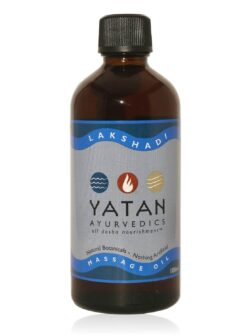
Lakshadi Massage Oil 100ml
$37.95 AUD
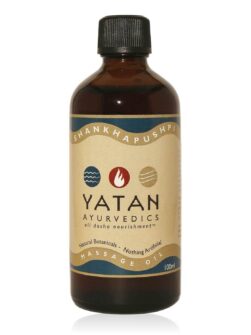
Shankhpushpi Herbal Oil 100ml
$37.95 AUD
Customised herbal formulations
Varies by prescription
Prices current as at August 2026.
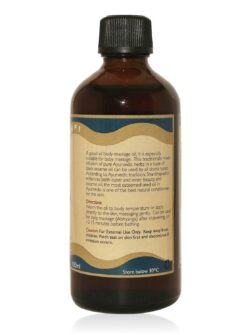
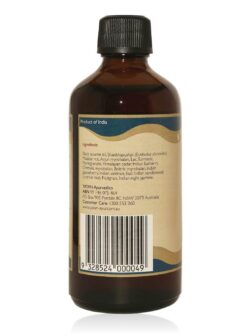
Yatan Ayurvedic Oils for Skin Care
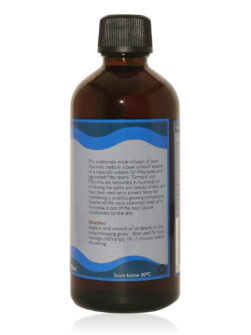
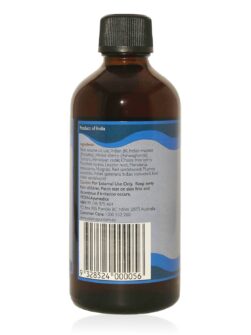
Lakshadi Massage Oil 100ml — $37.95
A traditional cooling Ayurvedic body oil that may be considered as part of an individualised skin-care routine where appropriate.
Shankhpushpi Herbal Oil 100ml — $37.95
Shankhpushpi Herbal Oil is valued for its calming, nourishing properties. It helps balance Pitta and calm excess heat.
Raman Das’s Personal Experience with Eczema
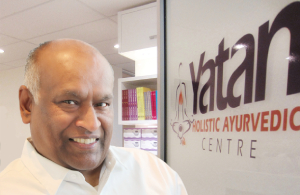
Raman Das Mahatyagi, Principal Ayurvedic Practitioner, shares a personal experience that helped shape his interest in supporting people with eczema and other skin concerns:
“In 2000, when my son was about one year old, he developed eczema that affected much of his body. At the time, we sought medical advice and were prescribed a cortisone cream to help manage his symptoms. As an Ayurvedic practitioner, I also began looking at his condition from an Ayurvedic perspective. I considered his individual constitution, dosha balance, diet and other factors, and incorporated appropriate Ayurvedic preparations and skin care alongside his broader care. This experience gave me a very personal understanding of how challenging eczema can be for a child and their family. It also strengthened my interest in the Ayurvedic approach to skin health, which considers the individual as a whole rather than focusing only on the appearance of the skin.” – Raman Das Mahatyagi, Principal Ayurvedic Practitioner

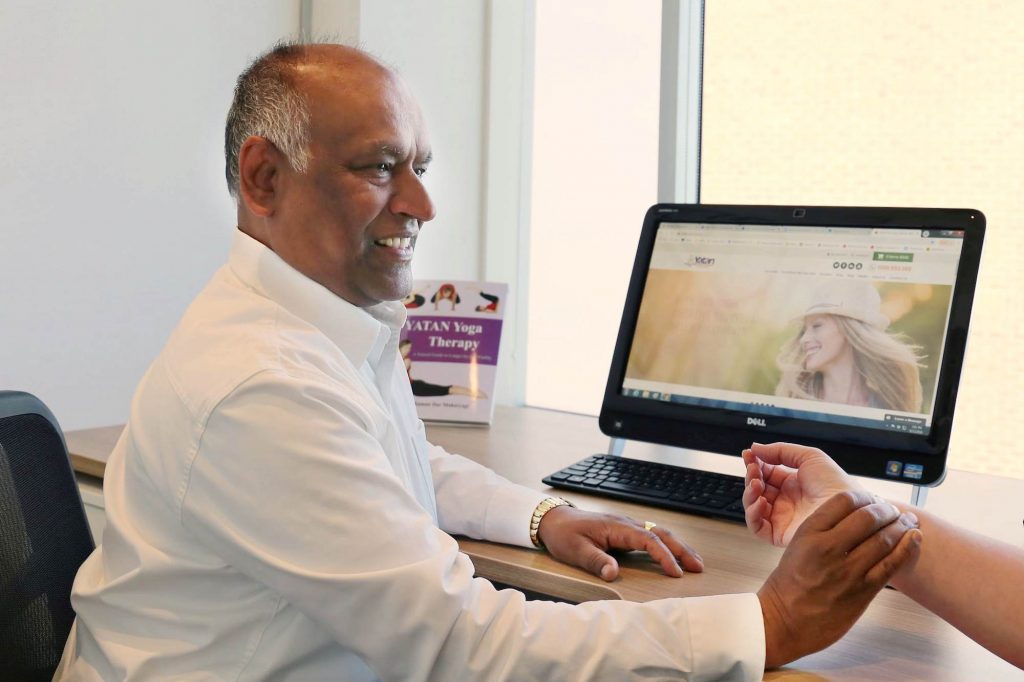
Meet Your Practitioner — Raman Das Mahatyagi
Raman Das is the principal Ayurvedic practitioner at Yatan Holistic Ayurvedic Centre, with 30+ years of professional experience and a private practice in Sydney since 2000. He is the author of YATAN Yoga and YATAN Yoga Therapy and has extensive experience providing Ayurvedic care to people with a wide range of health concerns, including eczema, dermatitis and other skin conditions.
Frequently Asked Questions
Q: What is eczema in Ayurveda?
A: In Ayurveda, eczema-like conditions are traditionally discussed under Vicharchika, a type of Kushtha (skin disorder). From an Ayurvedic perspective, the condition may involve an imbalance of the doshas, particularly Pitta, although Vata and Kapha may also contribute depending on the individual’s symptoms and overall pattern. Ayurvedic care is personalised and may consider dosha balance, Agni (digestive function), Ama, diet, lifestyle and other individual factors when determining appropriate support.
Q: What results can I expect from Ayurvedic support for eczema?
A: Eczema is a chronic condition that can fluctuate and recur. Results vary from person to person depending on the nature and severity of the eczema, how long it has been present, individual triggers and other health and lifestyle factors. Ayurvedic care is personalised and may include herbal preparations, dietary and lifestyle guidance, stress management, and other traditional approaches based on your individual needs. Progress is reviewed over time, and recommendations may be adjusted according to your response.
Q: Why does my eczema get worse in winter?
A: Winter can bring together several factors that may aggravate eczema. Cold, dry air and indoor heating can reduce moisture in the skin, while hot showers and irritating fabrics such as wool may further contribute to dryness and itching. From an Ayurvedic perspective, winter is associated with Vata qualities such as coldness, dryness and roughness, which may contribute to dry, cracked or flaky skin in susceptible individuals. During winter, it can help to protect the skin by taking shorter warm rather than hot showers, applying a suitable moisturiser or oil after bathing, wearing soft fabrics next to the skin and avoiding known personal triggers. Ayurvedic care may also consider the individual’s dosha balance, diet and lifestyle as part of a personalised approach.
Q: Which foods should I avoid if I have eczema?
A: There is no single list of foods that everyone with eczema needs to avoid. Individual food triggers can vary. From an Ayurvedic perspective, dietary recommendations are also personalised according to your constitution, dosha pattern and digestion. For example, certain heating, sour or spicy foods may be reduced in some Pitta-dominant presentations.
Q: What types of eczema may people seek Ayurvedic support for?
A: People may seek Ayurvedic support at Yatan for a range of eczema and dermatitis concerns, including atopic dermatitis, contact dermatitis, dyshidrotic eczema, nummular eczema and seborrhoeic dermatitis. Ayurvedic care is personalised according to the individual’s symptoms, constitution, dosha pattern and other relevant health and lifestyle factors. It may be used alongside appropriate conventional medical care.
Q: How much does Ayurvedic eczema treatment cost in Australia?
A: At Yatan Ayurveda, the initial consultation is $139 AUD (60 minutes). Standard follow-up is $81 (30 minutes). Customised herbal preparations and topical oils are an additional cost based on your prescription.
Q: Do you offer telehealth consultations for eczema?
A: Yes. Yatan Ayurveda offers telehealth consultations Australia-wide and internationally for eczema and other conditions. Customised herbal preparations are posted directly to you.
Book your free 10-minute consultation
Please contact us for a thorough assessment of your eczema. Discover how personalised Ayurvedic care can help calm your eczema naturally, without steroids or skin thinning. Individual results vary.
 Suite 28, 924 Pacific Highway, Gordon NSW 2072
  Available Australia-wide & internationally
 More Eczema Resources
For more eczema information please visit our other resources:
- Natural Ayurvedic Support for Eczema
- Seborrheic Dermatitis & Eczema Treatment
- Eczema in our Ailments Glossary
Reviewed and updated by Raman Das Mahatyagi, Principal Ayurvedic Practitioner (ATMS Fellow, 2026-27) | Last updated: 6 August 2026